
The Summaries

Indian killed in Abu Dhabi strike
An Indian national was killed and another injured in Abu Dhabi after debris from an intercepted missile fell on a street. The incident highlights rising risks to civilians amid escalating tensions in the Middle East.
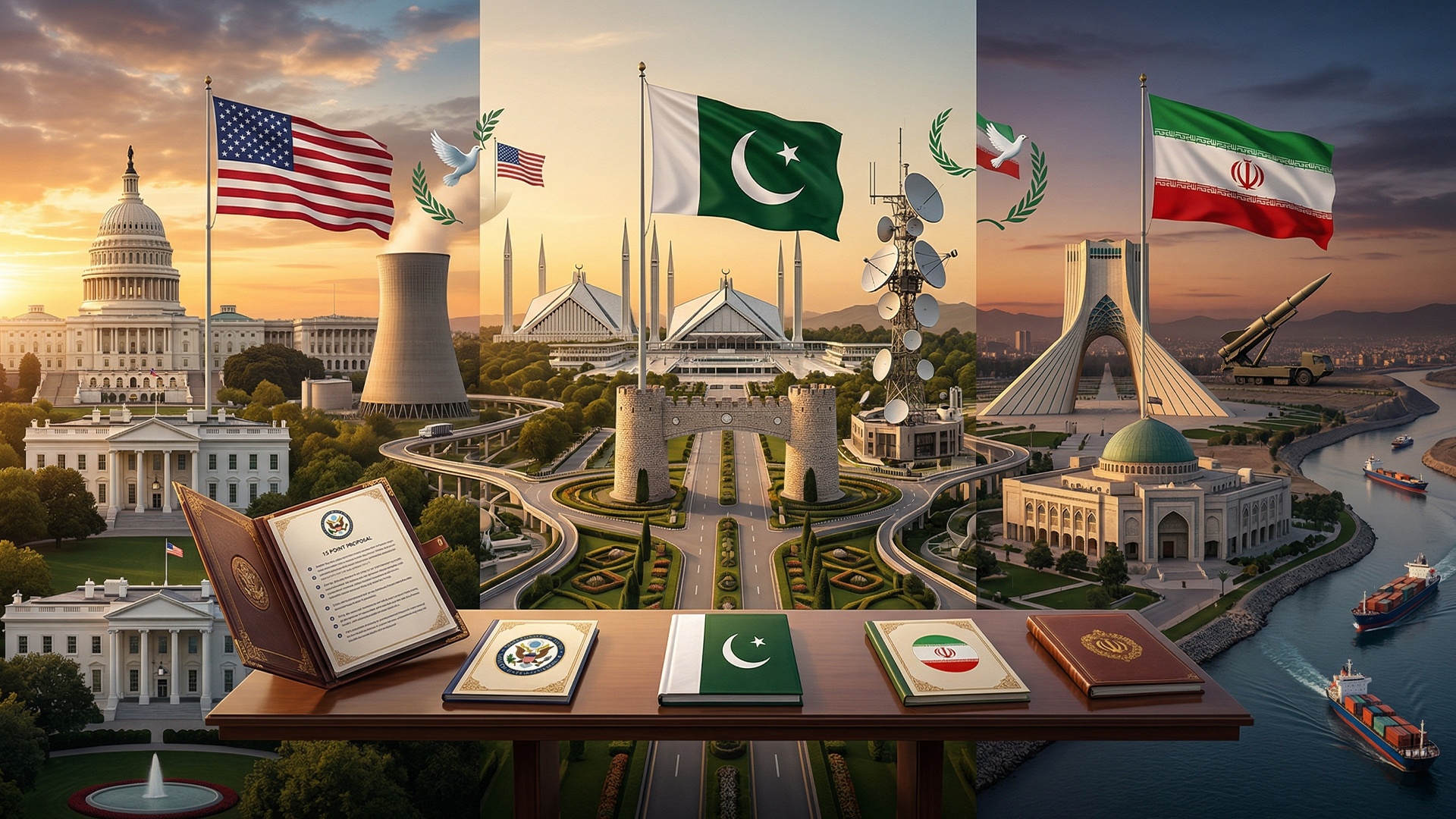
Pakistan facilitates indirect US-Iran dialogue
Pakistan said it is helping the US and Iran talk to each other by passing messages between them. These indirect discussions aim to reduce tensions and find a peaceful solution amid the ongoing conflict.

Marathahalli bridge in Bengaluru shut for 3 days
Traffic on Bengaluru’s Marathahalli Bridge will be restricted from March 27–29, between midnight and 3 am, for Metro construction. Vehicles will be diverted via alternate routes, and commuters are advised to plan ahead to avoid delays.
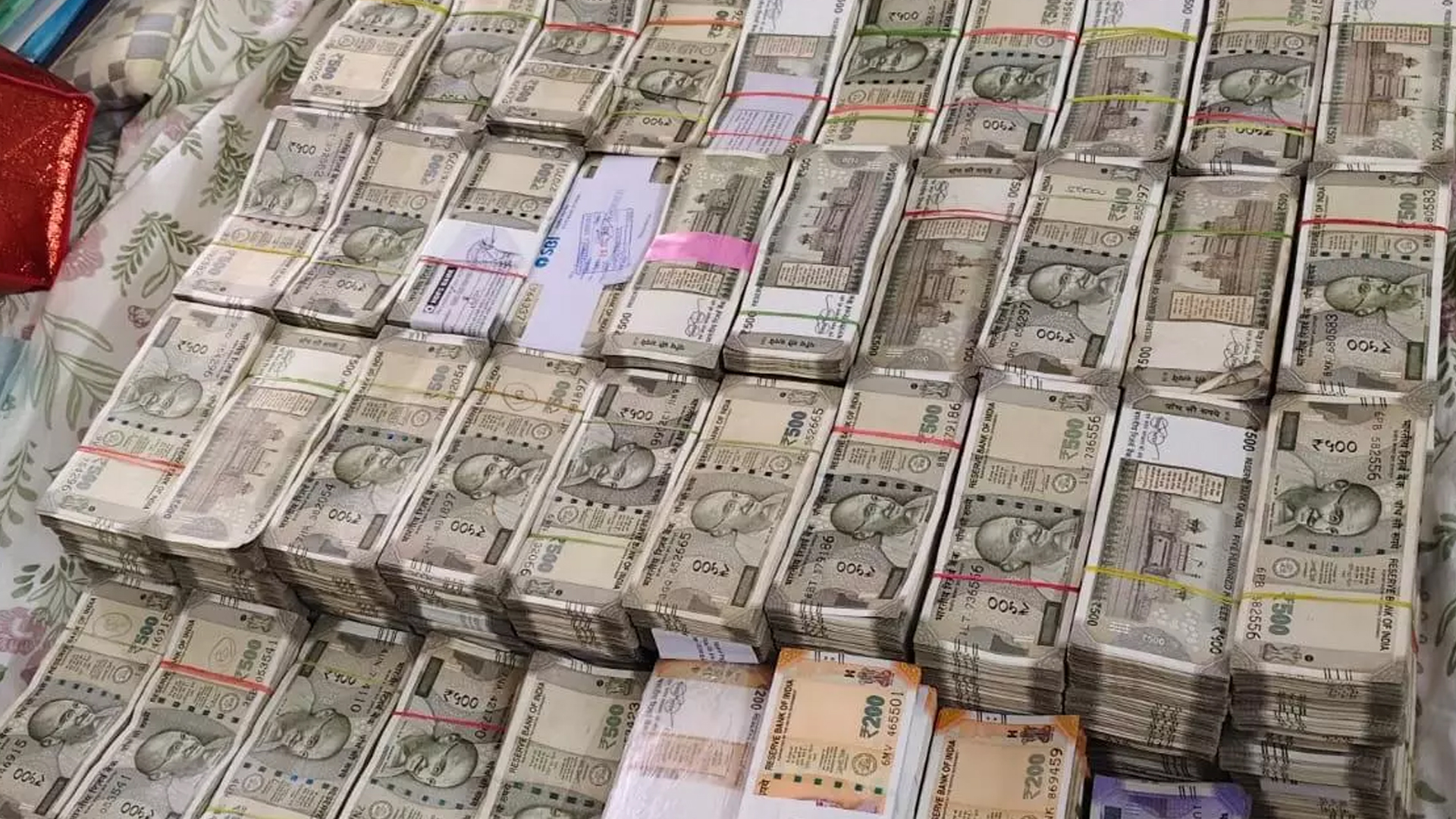
ECI seizes ₹400 cr in poll bribes
The Election Commission has seized ₹408.82 crore worth of illegal items in poll-bound states. The seizures include cash, liquor, drugs, and valuables, as authorities step up action to prevent voter bribery and ensure free and fair elections.
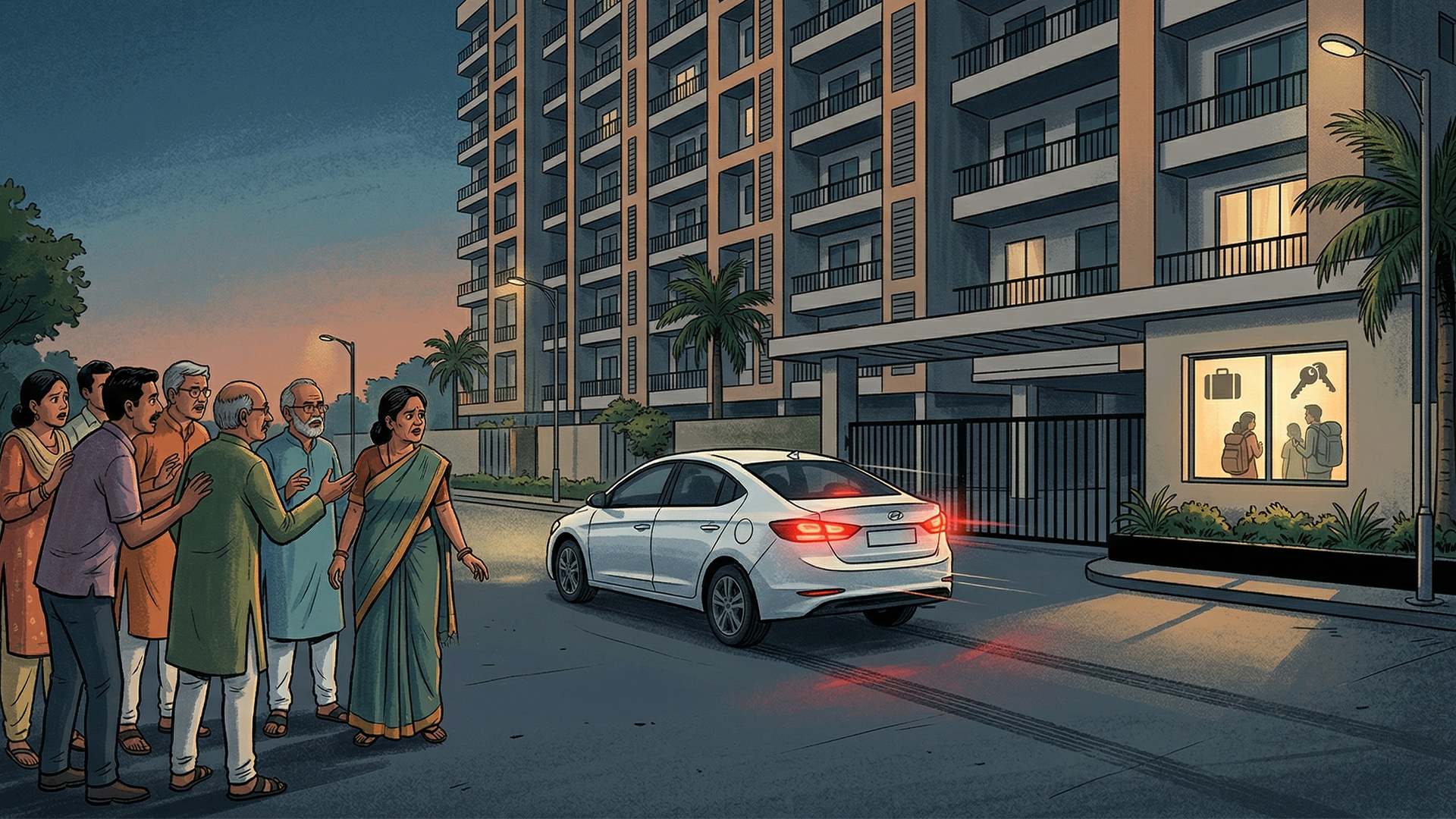
Indore woman run down in Airbnb dispute
A 35-year-old techie in Indore was killed after an 18-year-old allegedly ran her over during a dispute over an Airbnb rental in a housing society. The accused and his father have been arrested, and a murder case registered.

India has 60 days of fuel stock
The government said India has about 60 days of fuel reserves and there is no shortage of petrol, diesel, or LPG, despite the West Asia conflict. It urged people not to panic, adding that supply remains normal across the country.

Denmark’s PM resigns after election setback
Danish Prime Minister Mette Frederiksen resigned after her Social Democrats won the most seats but lacked a parliamentary majority. With no bloc reaching the 90-seat threshold, coalition negotiations are now underway to form the next government.
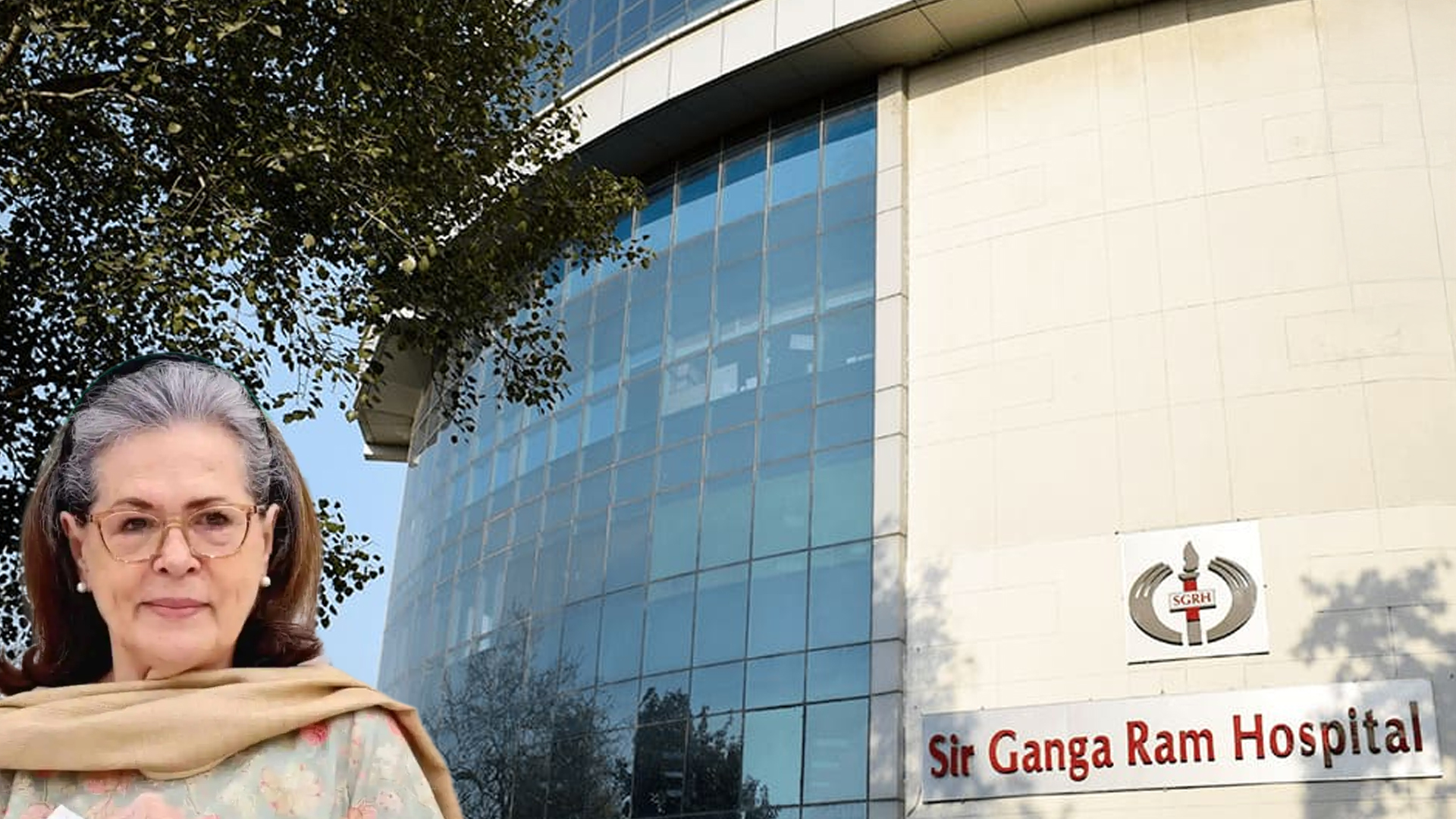
Sonia Gandhi hospitalised, Rahul cancels Kerala trip
Sonia Gandhi has been hospitalised at Sir Ganga Ram Hospital for a systemic infection and is responding well to antibiotics. Rahul Gandhi cancelled his Kerala election trip to stay with her, while doctors continue to monitor her condition closely.
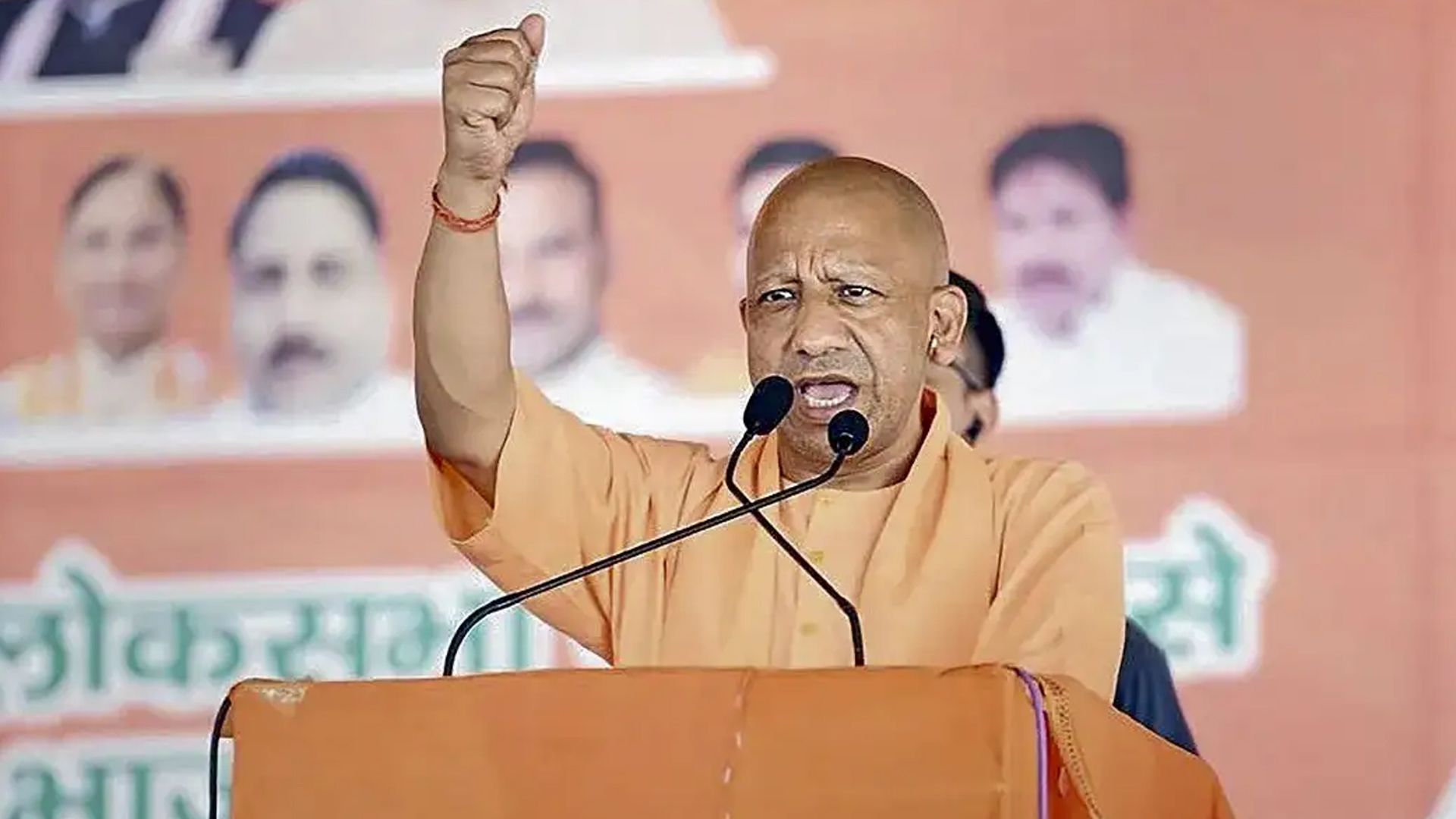
Extra holiday in UP for Ram Navami on March 27
Uttar Pradesh has announced an additional holiday on March 27, extending the Ram Navami celebrations to two days. The move aims to allow devotees to observe the festival comfortably and ensure smooth arrangements across the state.
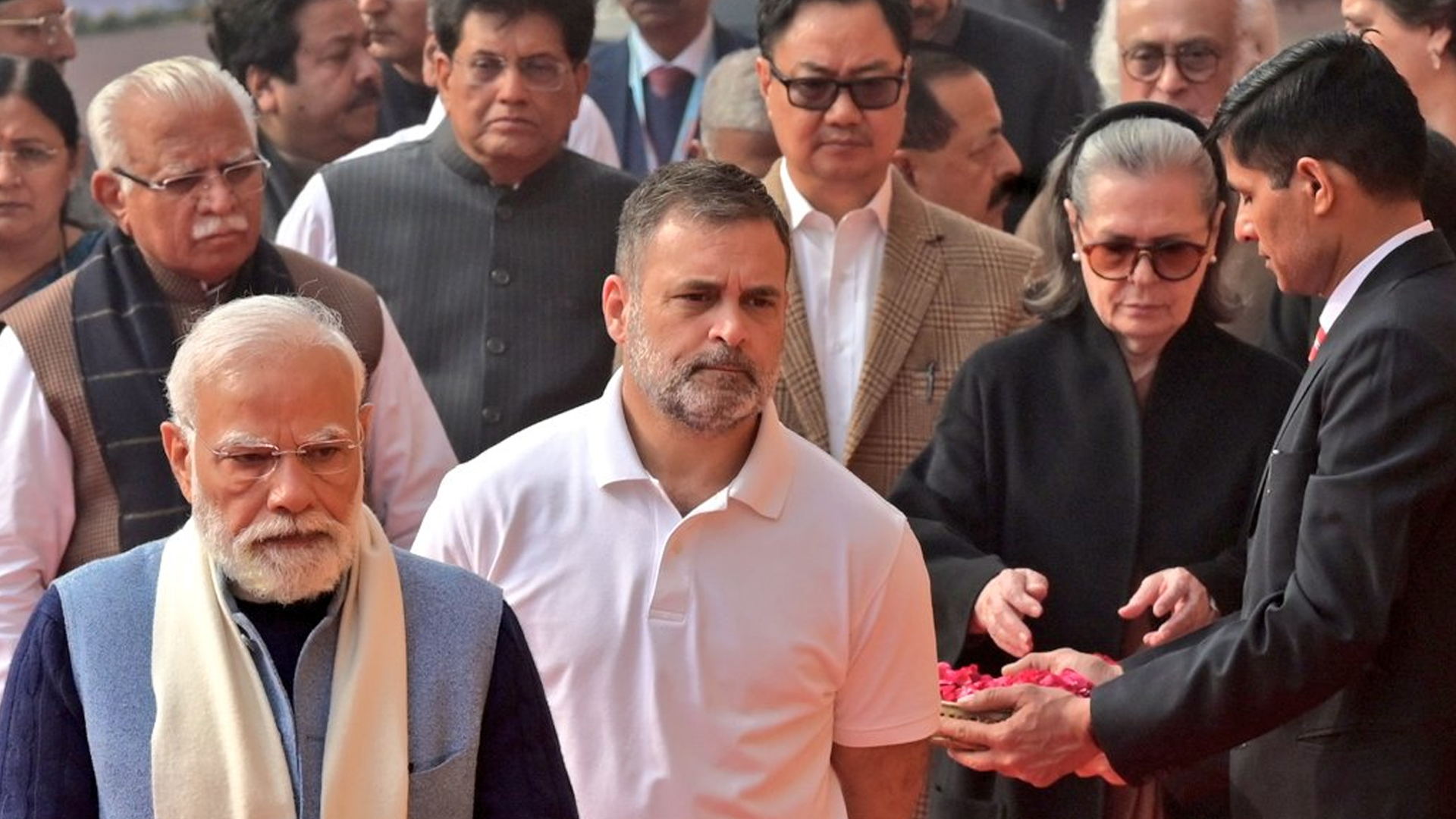
All‑party meet on West Asia draws criticism
Defence Minister Rajnath Singh chaired an all-party meeting on the West Asia crisis, with the government clarifying India is not a mediator. Opposition raised concerns over silence on Iran and Prime Minister Modi’s recent Israel visit.
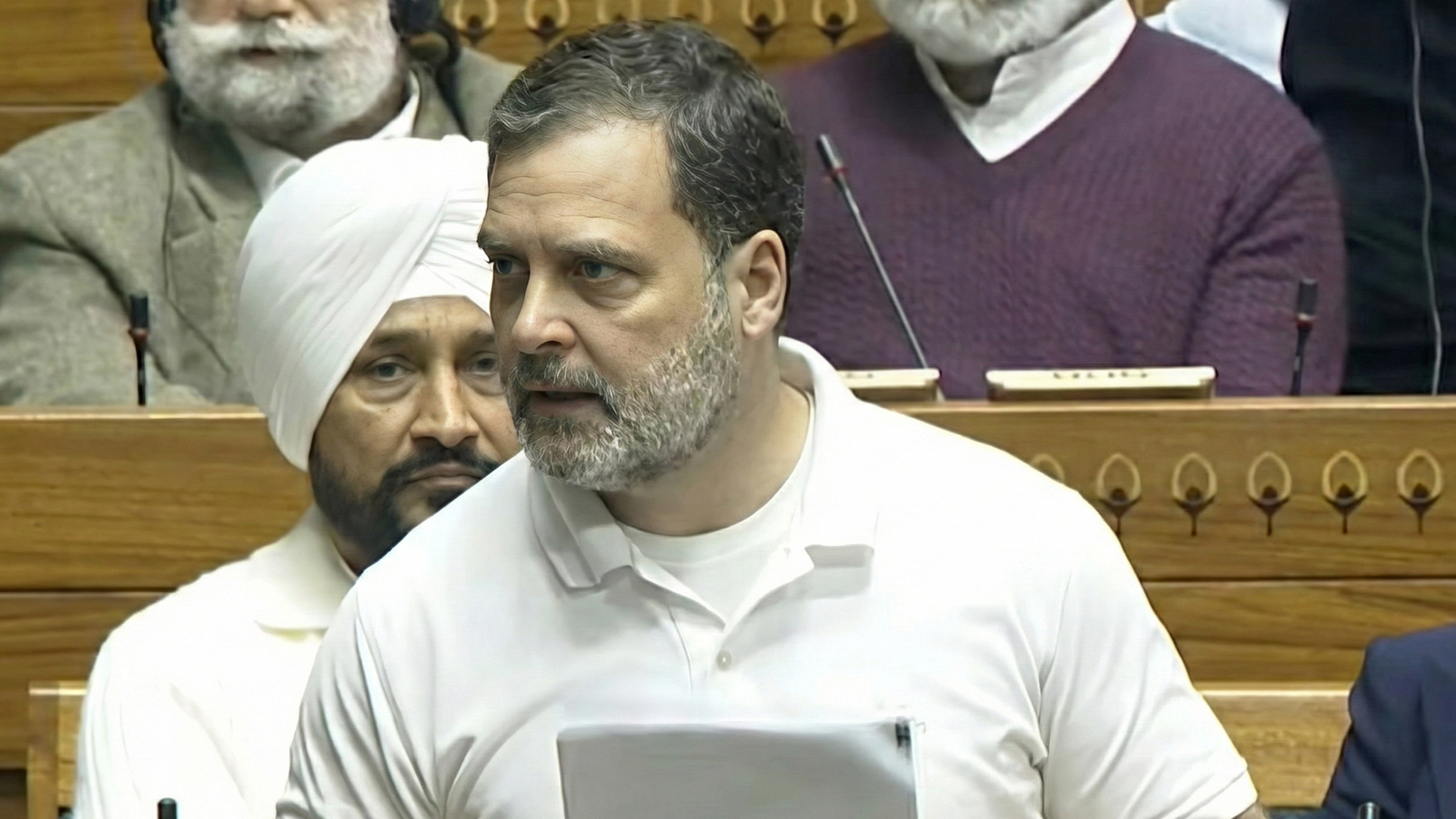
Congress told to vacate Delhi offices
Congress has received notices to vacate its party offices on Akbar Road and Raisina Road by March 28. The party plans to respond legally, while the issue is likely to intensify political tensions in New Delhi.
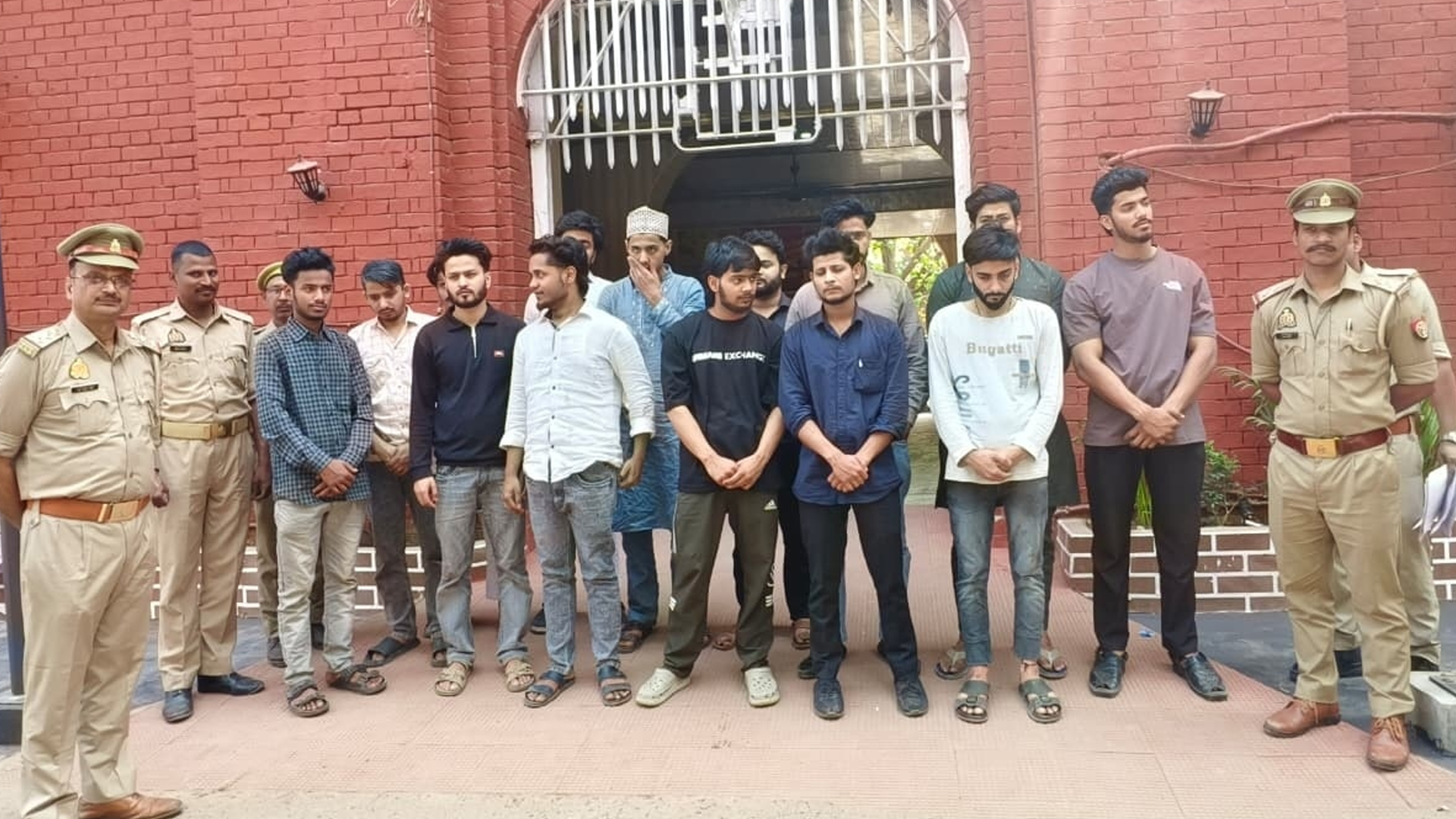
Varanasi court denies bail to 14 in Iftar case
A Varanasi court refused bail to 14 Muslim men accused of organising an iftar gathering on the Ganga. Authorities charged them with polluting the river and hurting religious sentiments, keeping them in custody under non-bailable offences.
About This Category
The Format Is the Editorial Argument
The name of this publication is The Summary. This section is where that philosophy is most directly expressed. The Summaries are not abbreviated versions of longer articles. They are complete pieces of journalism — reported, edited, and published at a length that respects both the story and the reader's time. The decision to keep them short is not a constraint. It is a position: that most news can be communicated clearly in 150 words, and that padding it to 600 words rarely improves it.
The editorial discipline required to produce a good summary is different from, and in some ways harder than, writing at length. Every sentence has to do real work. Nothing survives that doesn't belong there.
What Ends Up Here
The range is genuinely broad — and deliberately so. On any given day, The Summaries might carry a Karnataka cabinet resignation, a hospital fire in Bihar, a CBSE policy recommendation, a Kerala toddler death that has triggered public outrage, and a Cockroach Janta Party founder's plans to protest at Jantar Mantar. These are not thematically related stories. They are simply the news, treated with consistent brevity.
That breadth is the point. A reader who follows The Summaries doesn't need to choose a category to monitor. National politics, health research, civic tragedies, civil society, lifestyle news — it all comes through this section at a pace that doesn't require hours of reading to stay current.
The Judgment That Goes Into 150 Words
Selection is where the editorial work happens. Not everything becomes a Summary. Stories make it here when the core fact is clear, the significance is demonstrable, and the full picture can be honestly conveyed at short length without stripping context that the reader actually needs. A story like the Muzaffarpur hospital fire — four lives lost, a state inquiry ordered, families to be compensated — can be told completely in under two minutes. Stretching it doesn't add information; it adds length.
Some stories don't work as summaries because the context is too dense to compress responsibly. Those go elsewhere on the site. The Summaries is not a catchall; it's a format with specific requirements, and not every story meets them.
A Different Kind of Archive
Over time, The Summaries has become a reliable daily record of what happened in India and across the world — told concisely, sourced from official announcements and credible reporting, and published without the delay that often accompanies longer-form analysis. Readers who have followed the section consistently say it functions as a news briefing they can consume in a single sitting. That is more or less exactly what it was designed to do.
Frequently Asked Questions
Q1. What is The Summaries format and how is it different from other sections?
The Summaries are short, complete news pieces — typically under 150 words — covering a single event or development clearly and accurately. Unlike the full-length articles in sections like National, Business, or Health, these are written to be read in under a minute. The format is intentional: the goal is to report the news completely, not briefly for brevity's sake.
Q2. Does The Summaries cover all topics or only specific beats?
All topics. A single scroll through The Summaries on any given day might include political news, health research, a civic disaster, an education policy decision, and a human interest story. The connective thread is the format, not the subject. Readers who want to stay across multiple beats without tracking several sections will find everything here.
Q3. Are The Summaries just shortened versions of longer articles on the site?
No. They are standalone pieces written specifically for this format. Occasionally, a major developing story will have both a full article and a Summary — but they are written separately, for different purposes. The Summary version is complete on its own terms, not a teaser or a preview of something longer.
Q4. How does The Summary decide what becomes a Summary versus a full article?
If a story can be told accurately and completely at short length without stripping essential context, it's a candidate for The Summaries. If the background, timeline, or stakeholder complexity genuinely requires more room, it gets a full article. The test is whether the reader comes away informed — not whether the piece meets a word count.
Q5. How often is The Summaries section updated?
Throughout the day as news develops. There is no fixed publishing schedule — stories are published when they are ready. Readers who check in once or twice daily will typically find several new pieces each visit. The pace reflects the news cycle, not a content calendar.
Q6. Is The Summaries a good starting point for readers new to the site?
It is probably the most efficient way to understand the full scope of what The Summary covers. Because the section spans every beat — politics, business, health, lifestyle, science, national, world news — a few minutes in The Summaries gives a reader a clearer picture of the publication's range than browsing any single category section would.