
The Summaries

Bus overturns in Delhi, 2 killed, 20 injured
Two people were killed and more than 20 injured after a sleeper bus overturned in Delhi’s Karol Bagh on Wednesday. Emergency teams rescued passengers, while police began investigating the cause of the accident.

Music boosts human connection
Listening to familiar music improves brain responses during eye contact, activating areas that interpret faces and intentions. This strengthens social bonds, showing that shared musical experiences enhance connection and empathy between people, according to recent research.

Iran threatens to close Strait of Hormuz
Iran warned it could indefinitely close the Strait of Hormuz after Donald Trump’s 48-hour ultimatum. Any attack on Iranian territory may trigger wider Gulf closure, raising global oil supply fears and escalating tensions.
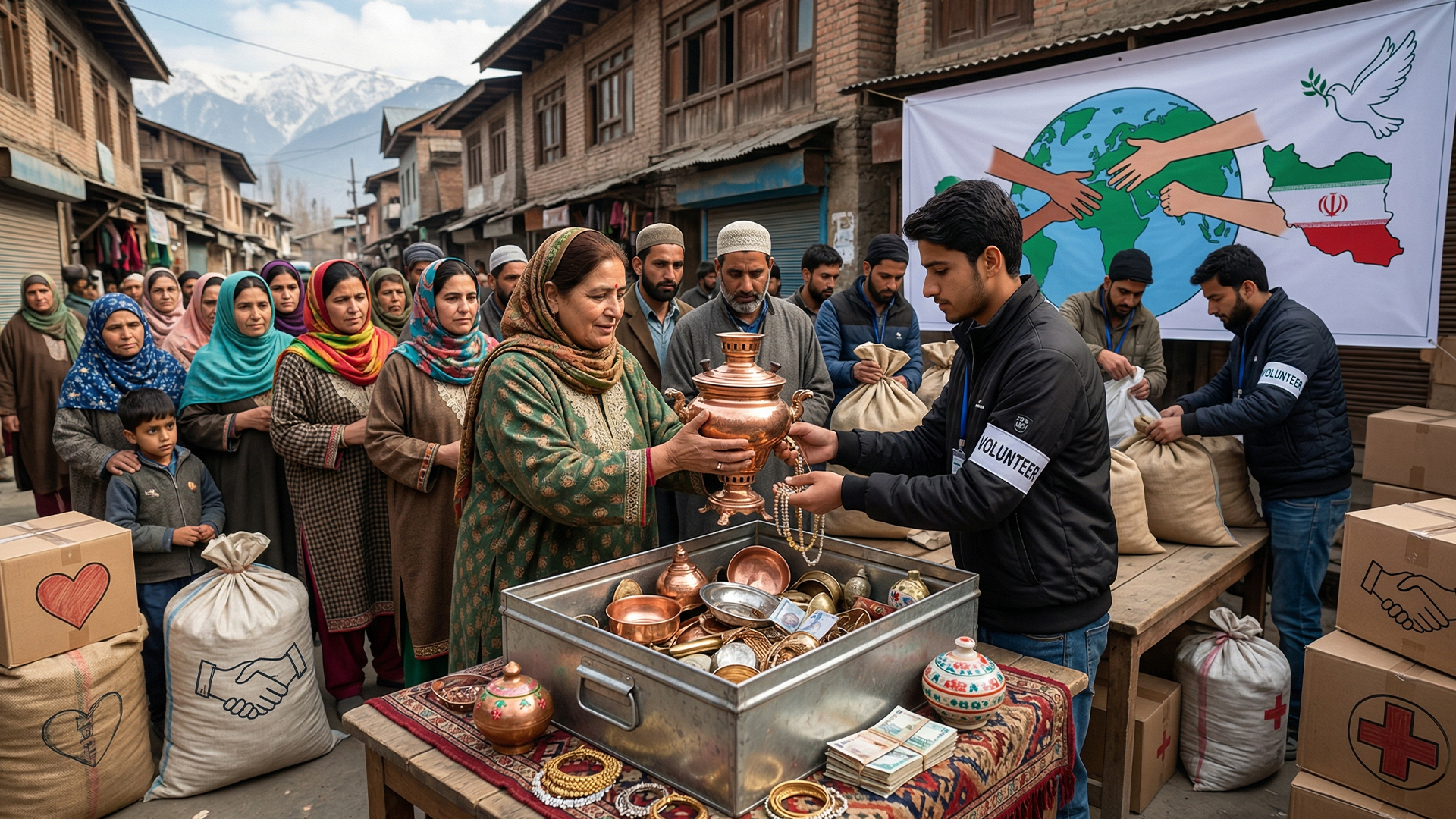
Kashmir sends aid to war‑striken Iran
People in Jammu & Kashmir collected cash, gold and essentials for those affected by the war in Iran. The Iranian Embassy in India thanked donors, saying their generosity and humanity will never be forgotten.

Assam minister Nandita Garlosa switches to Congress
Nandita Garlosa resigned from the BJP and joined the Congress after being denied a ticket for the 2026 Assam Assembly elections. She is expected to contest from Haflong ahead of the nomination deadline.
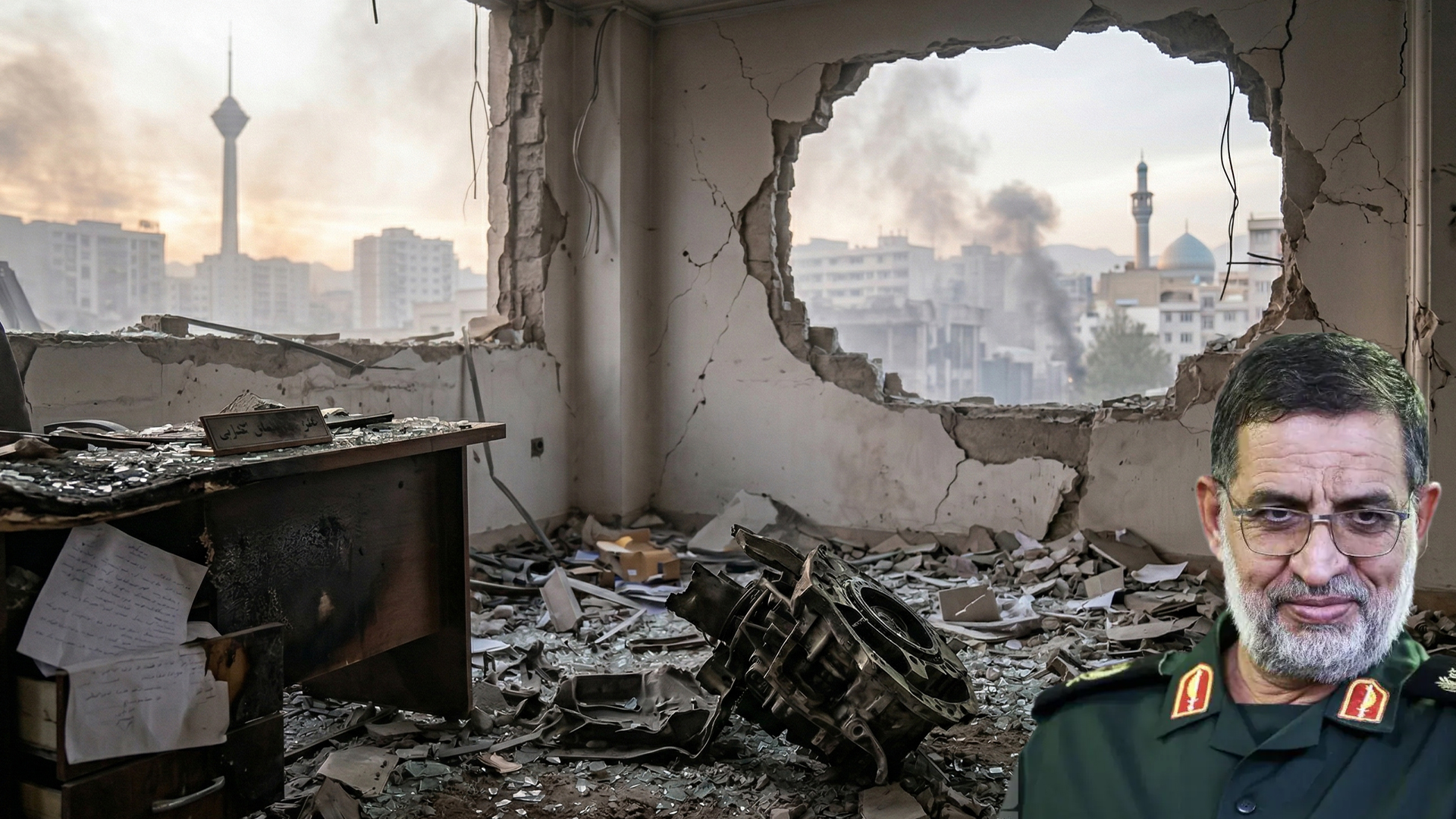
Iran’s IRGC spokesperson killed in reported strike
Iran says Ali Mohammad Naini was killed in a strike it blames on the US and Israel. The Islamic Revolutionary Guard Corps confirmed his death, calling it a major escalation in ongoing regional tensions.
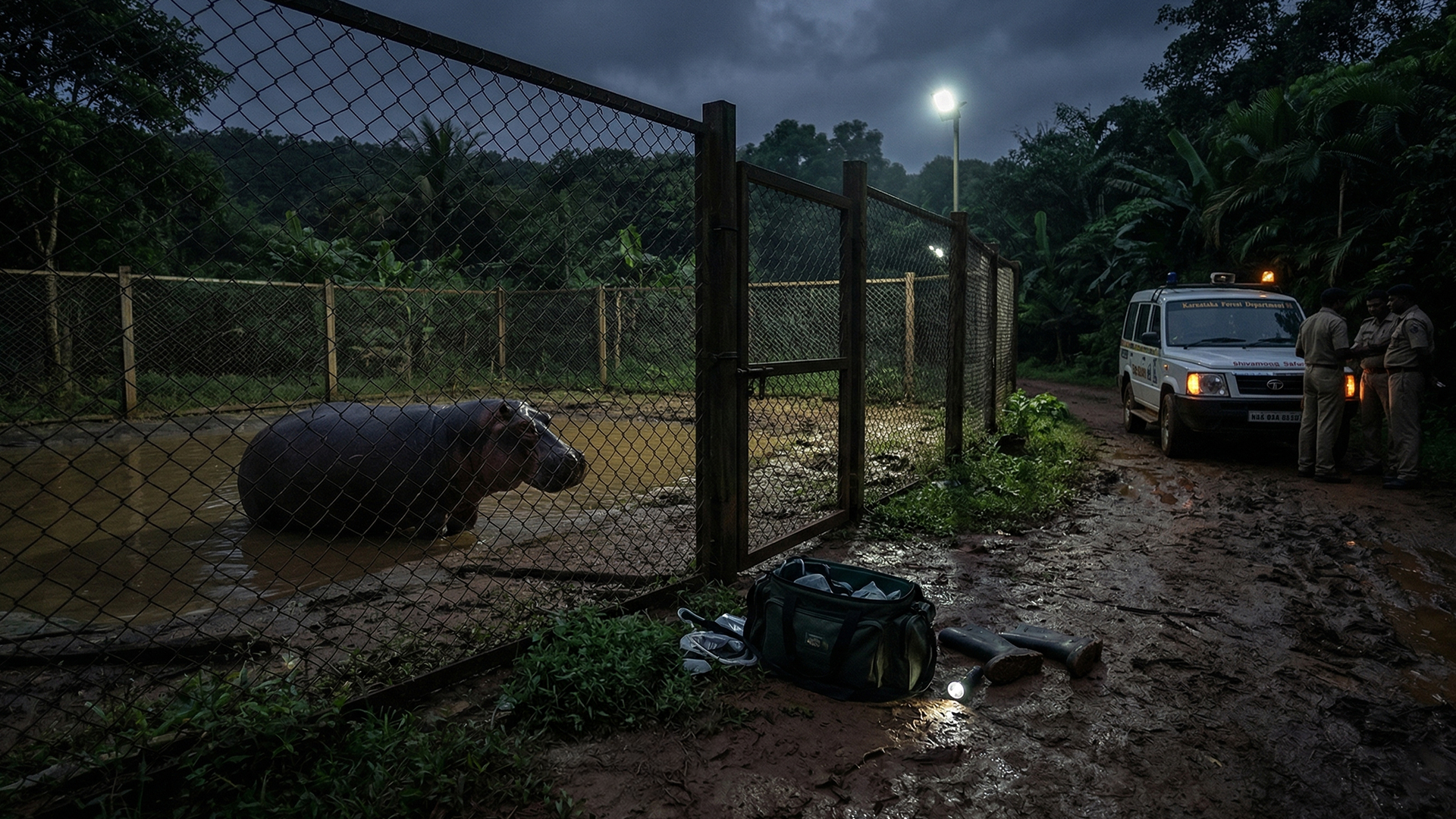
Karnataka vet killed by hippo at Shivamogga Safari
Dr Sameeksha Reddy, 27, a trainee veterinary officer, was fatally attacked by a pregnant hippopotamus at Tyavarekoppa Safari, Shivamogga, during a late-night inspection. She died from injuries Friday morning. Authorities have launched an inquiry into the incident.
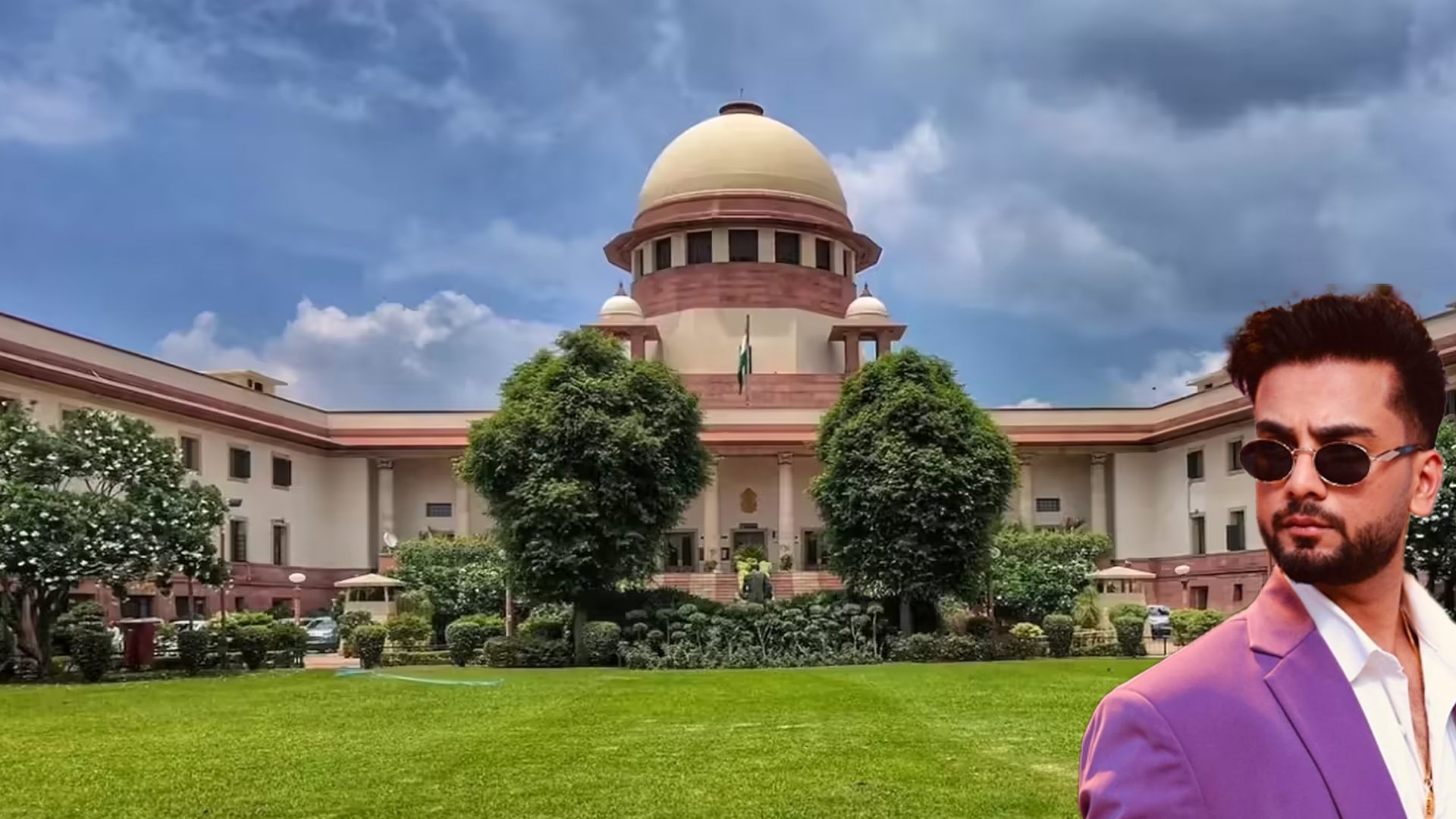
SC clears Elvish Yadav in snake venom case
The Supreme Court quashed the FIR and criminal proceedings against YouTuber Elvish Yadav in the snake venom case, saying the original charges were legally unsustainable. The court allowed a fresh complaint under the Wildlife (Protection) Act to be filed.

Backlash over Louis Theroux manosphere documentary
Women’s Aid has raised concerns about Louis Theroux’s ‘Inside the Manosphere’, saying it may legitimise harmful influencers. The programme includes voices like Harrison Sullivan and Myron Gaines, while women recount distressing experiences tied to toxic online communities and relationships.
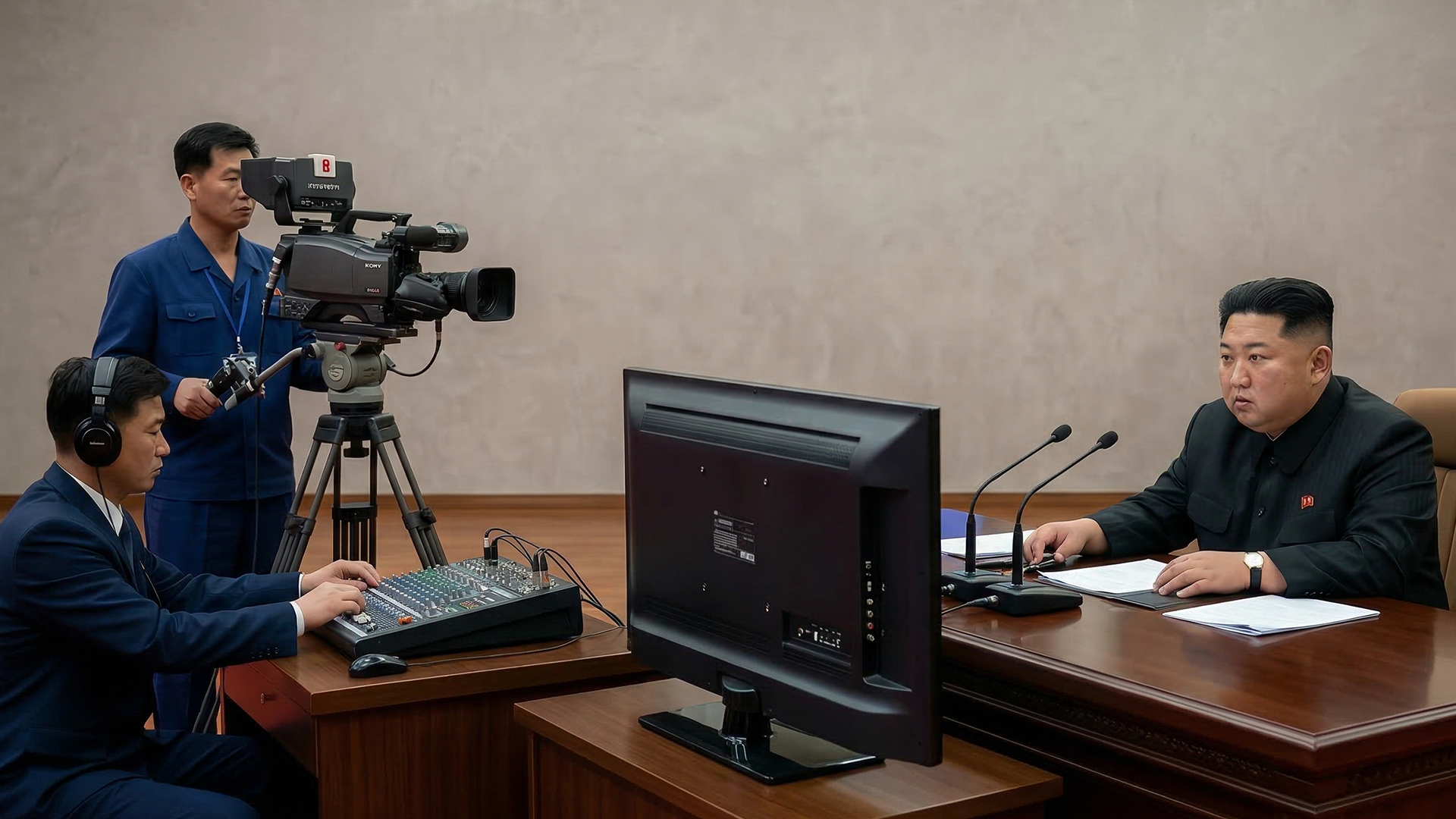
Kim retains grip, rare dissent in North Korea vote
North Korea’s election showed near-total support for candidates, with turnout close to 100%. State media acknowledged a handful of rejection votes, an unusual move, but observers say the tightly controlled system continues to reinforce Kim Jong Un’s authority.

Russian Oil tanker to reach India on March 21
A Russian tanker carrying 7.7 lakh barrels of crude oil, originally headed to China, is now rerouted to India and expected on March 21. Ongoing tensions in the Gulf region have disrupted routes, prompting the diversion.

₹1.45 lakh fine for paan spitting in London
Two Indian-origin men in London were heavily fined after being caught spitting paan in public. Their penalties increased when they failed to pay initial fines, highlighting strict enforcement of cleanliness laws and zero tolerance for public nuisance offences.
About This Category
The Format Is the Editorial Argument
The name of this publication is The Summary. This section is where that philosophy is most directly expressed. The Summaries are not abbreviated versions of longer articles. They are complete pieces of journalism — reported, edited, and published at a length that respects both the story and the reader's time. The decision to keep them short is not a constraint. It is a position: that most news can be communicated clearly in 150 words, and that padding it to 600 words rarely improves it.
The editorial discipline required to produce a good summary is different from, and in some ways harder than, writing at length. Every sentence has to do real work. Nothing survives that doesn't belong there.
What Ends Up Here
The range is genuinely broad — and deliberately so. On any given day, The Summaries might carry a Karnataka cabinet resignation, a hospital fire in Bihar, a CBSE policy recommendation, a Kerala toddler death that has triggered public outrage, and a Cockroach Janta Party founder's plans to protest at Jantar Mantar. These are not thematically related stories. They are simply the news, treated with consistent brevity.
That breadth is the point. A reader who follows The Summaries doesn't need to choose a category to monitor. National politics, health research, civic tragedies, civil society, lifestyle news — it all comes through this section at a pace that doesn't require hours of reading to stay current.
The Judgment That Goes Into 150 Words
Selection is where the editorial work happens. Not everything becomes a Summary. Stories make it here when the core fact is clear, the significance is demonstrable, and the full picture can be honestly conveyed at short length without stripping context that the reader actually needs. A story like the Muzaffarpur hospital fire — four lives lost, a state inquiry ordered, families to be compensated — can be told completely in under two minutes. Stretching it doesn't add information; it adds length.
Some stories don't work as summaries because the context is too dense to compress responsibly. Those go elsewhere on the site. The Summaries is not a catchall; it's a format with specific requirements, and not every story meets them.
A Different Kind of Archive
Over time, The Summaries has become a reliable daily record of what happened in India and across the world — told concisely, sourced from official announcements and credible reporting, and published without the delay that often accompanies longer-form analysis. Readers who have followed the section consistently say it functions as a news briefing they can consume in a single sitting. That is more or less exactly what it was designed to do.
Frequently Asked Questions
Q1. What is The Summaries format and how is it different from other sections?
The Summaries are short, complete news pieces — typically under 150 words — covering a single event or development clearly and accurately. Unlike the full-length articles in sections like National, Business, or Health, these are written to be read in under a minute. The format is intentional: the goal is to report the news completely, not briefly for brevity's sake.
Q2. Does The Summaries cover all topics or only specific beats?
All topics. A single scroll through The Summaries on any given day might include political news, health research, a civic disaster, an education policy decision, and a human interest story. The connective thread is the format, not the subject. Readers who want to stay across multiple beats without tracking several sections will find everything here.
Q3. Are The Summaries just shortened versions of longer articles on the site?
No. They are standalone pieces written specifically for this format. Occasionally, a major developing story will have both a full article and a Summary — but they are written separately, for different purposes. The Summary version is complete on its own terms, not a teaser or a preview of something longer.
Q4. How does The Summary decide what becomes a Summary versus a full article?
If a story can be told accurately and completely at short length without stripping essential context, it's a candidate for The Summaries. If the background, timeline, or stakeholder complexity genuinely requires more room, it gets a full article. The test is whether the reader comes away informed — not whether the piece meets a word count.
Q5. How often is The Summaries section updated?
Throughout the day as news develops. There is no fixed publishing schedule — stories are published when they are ready. Readers who check in once or twice daily will typically find several new pieces each visit. The pace reflects the news cycle, not a content calendar.
Q6. Is The Summaries a good starting point for readers new to the site?
It is probably the most efficient way to understand the full scope of what The Summary covers. Because the section spans every beat — politics, business, health, lifestyle, science, national, world news — a few minutes in The Summaries gives a reader a clearer picture of the publication's range than browsing any single category section would.