
The Summaries
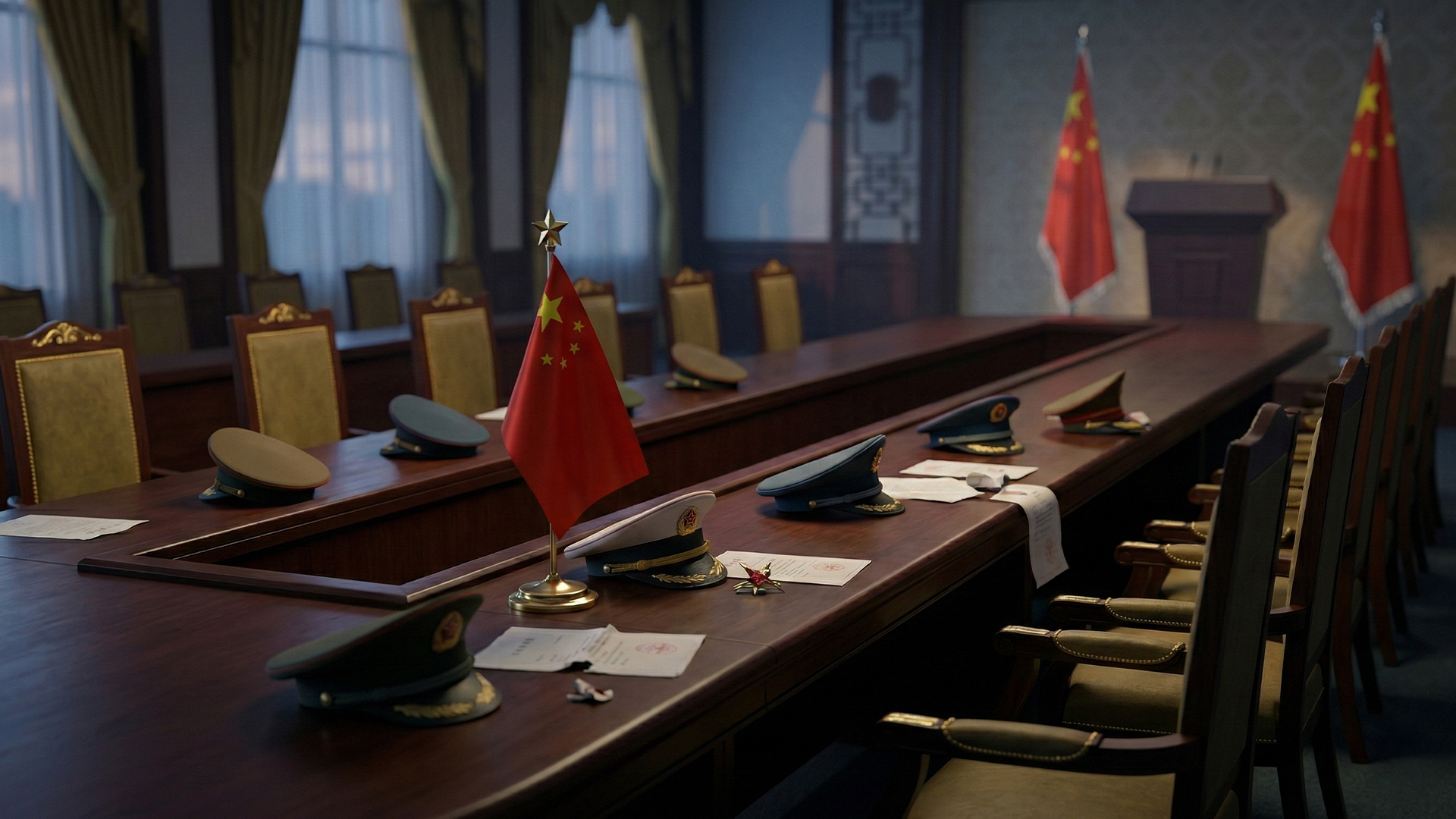
China ousts top military officials in purge
China has removed nine senior military officials from the National People’s Congress as part of President Xi Jinping’s anti-corruption campaign. The move reinforces discipline in the People’s Liberation Army ahead of key political meetings, signaling Xi’s tightening control over the military.
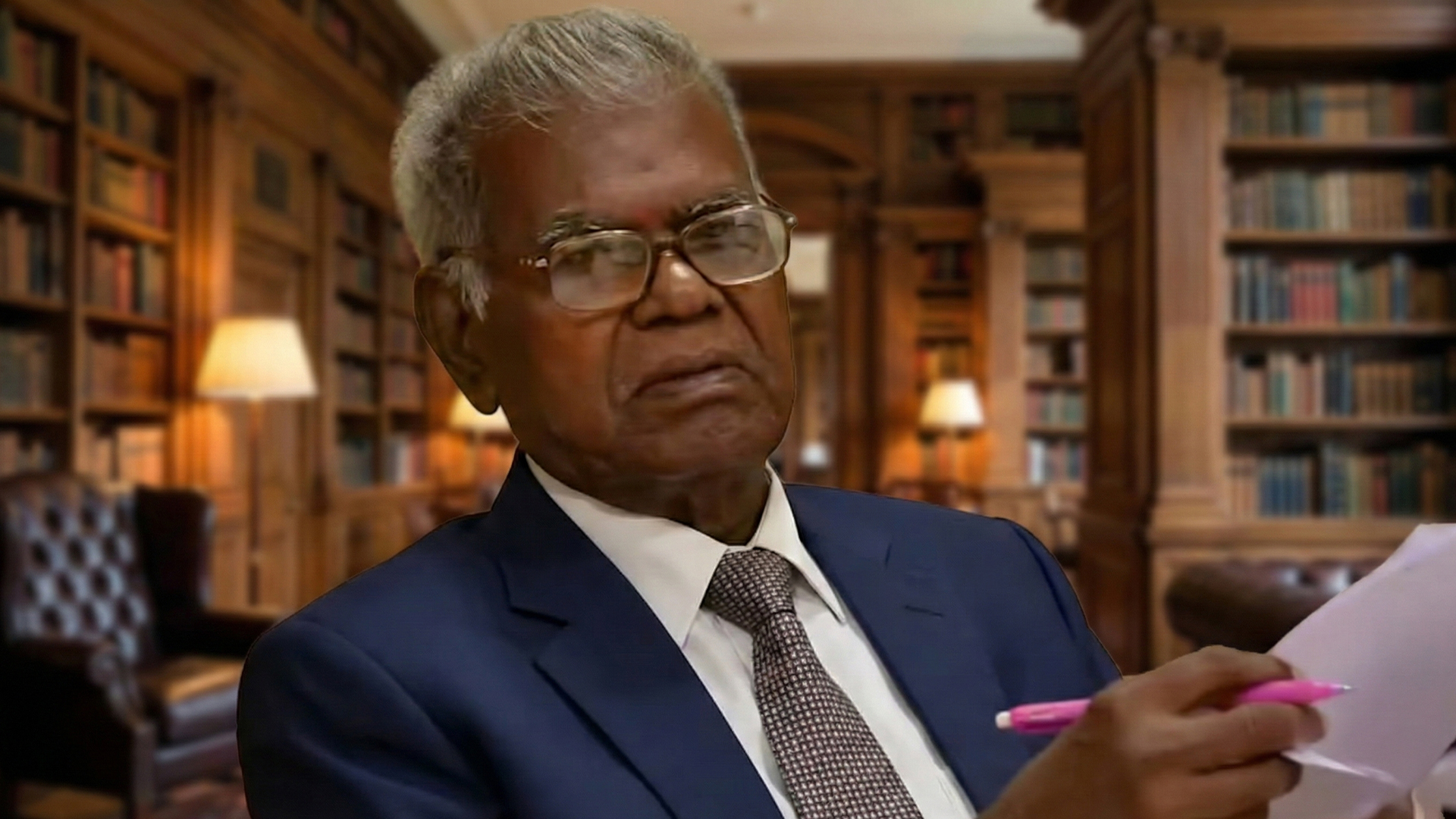
CPI veteran Nallakannu passes away at 101
Veteran CPI leader R Nallakannu died at 101 in Chennai following illness. A freedom fighter and lifelong champion of farmers and workers, he joined the Communist movement as a teenager and led the Communist Party of India in Tamil Nadu.

PM Modi tops 100 mn followers on Instagram
Prime Minister Narendra Modi has crossed 100 million followers on Instagram, becoming the first world leader to achieve the milestone. The feat highlights his strong digital connect, with his account drawing far greater engagement than other international political figures on the platform.

Noida flower festival hit by theft, vandalism
At the Noida Flower Festival, many visitors damaged and stole plants and flowers from display pots, prompting complaints from organisers. Videos show people plucking blooms and taking home plants, leading to concerns over lack of respect for public property and event rules.

Crowds flock to see viral monkey Punch in Japan
A zoo in Japan drew huge crowds after a video of a baby monkey playfully punching an adult went viral. A visitor shared footage showing long lines of people eager to see the now‑famous primate, boosting the zoo’s weekend turnout.

Meerut RRTS sees 1 lakh riders on day one
The Namo Bharat rapid rail logged over one lakh passengers on its first full day of complete service on the Delhi–Meerut RRTS corridor, showing strong commuter response and improved fast connectivity across the region.

Greenland rejects US hospital ship offer
Greenland has turned down a US proposal to send a hospital ship, stressing that its tax-funded universal healthcare will continue to serve residents. Authorities said foreign assistance is unnecessary and reaffirmed their commitment to strengthening domestic medical services and long-term public health capacity.

Bengaluru gets new NICE Road link soon
A 1.5‑km link road near Deepanjali Nagar will soon connect to the NICE Expressway, allowing motorists to bypass Mysuru Road congestion and save travel time, improving traffic flow for Bengaluru commuters.
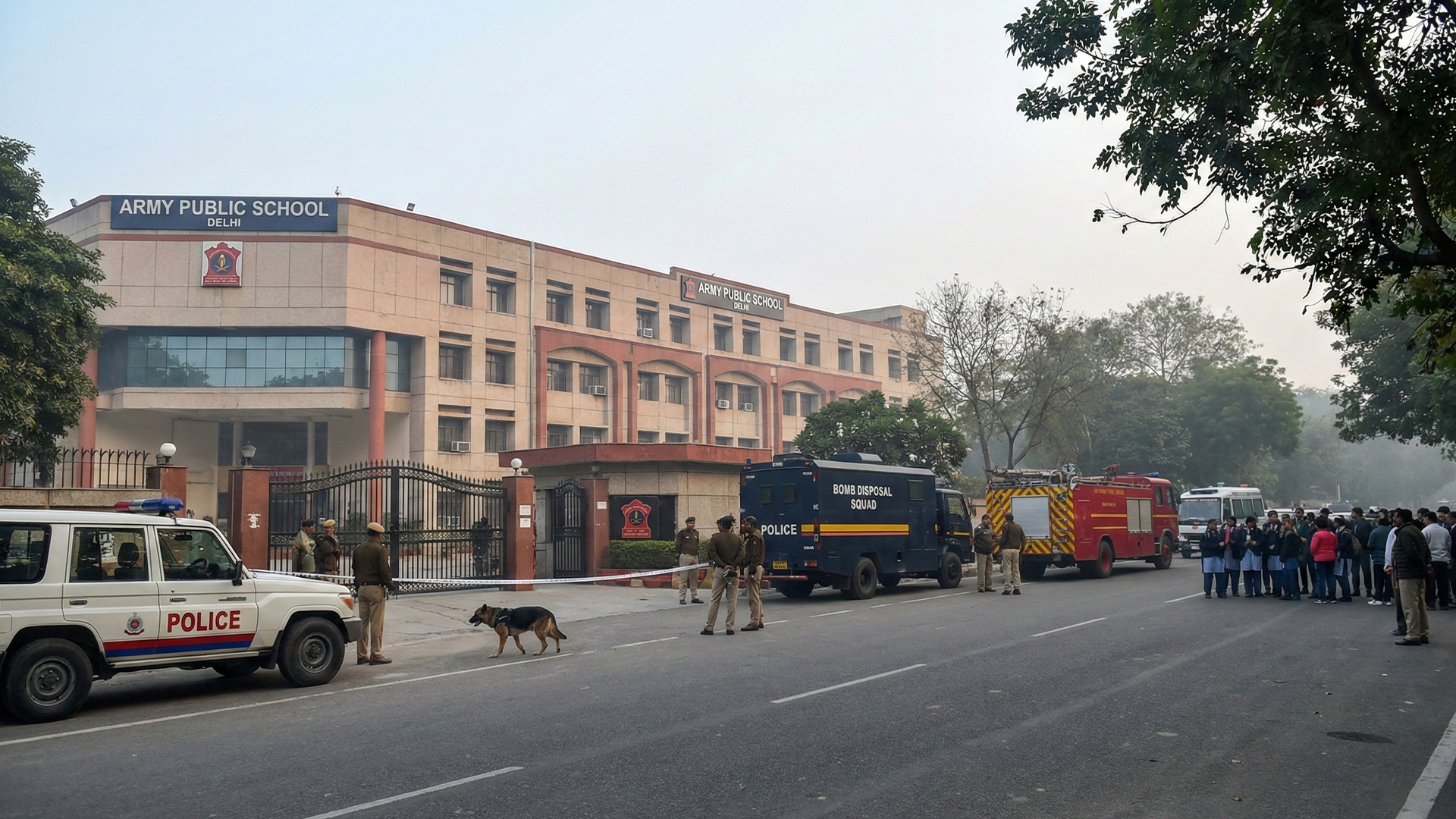
Bomb threat emails force evacuation of two Delhi schools
Two Delhi schools namely Army Public School, Dhaula Kuan, and Air Force Bal Bharti, Lodhi Road, were evacuated after bomb-threat emails. Police, bomb-disposal, canine and fire teams searched campuses. No explosives found. Investigations continue and classes were temporarily suspended.

Rashmika and Vijay confirm “The Wedding of Virosh”
Actors Rashmika Mandanna and Vijay Deverakonda have confirmed their marriage in a social media post, calling it “The Wedding of Virosh.” The couple shared heartfelt messages. Fans and industry colleagues congratulated them, while details about date and venue remain private.
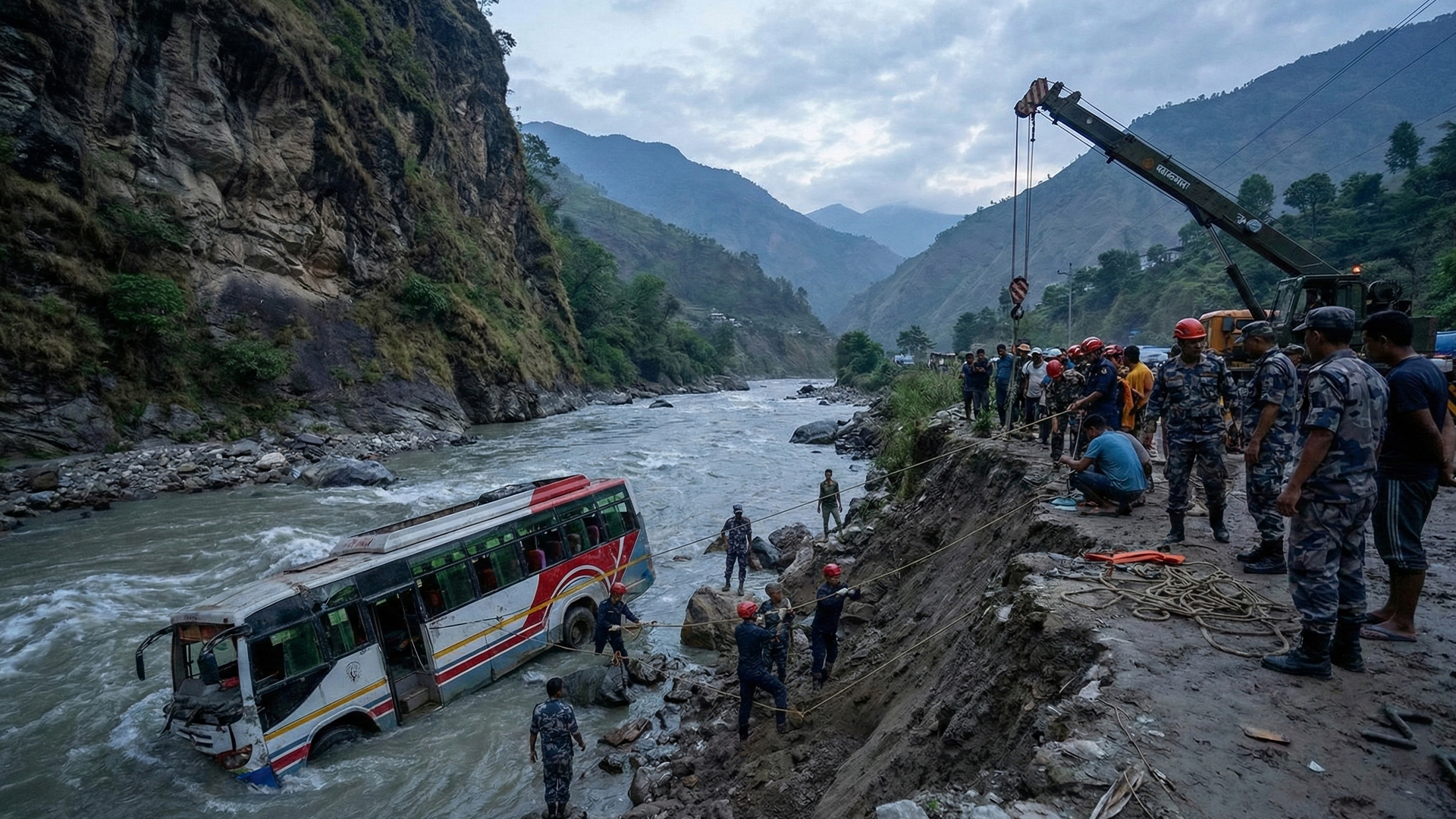
18 dead as bus plunges into river in Nepal’s Dhading
A passenger bus plunged into a river in Dhading, Nepal, killing 18 people and injuring several others. Rescue teams recovered bodies and rushed survivors to hospital. The uthorities are investigating the cause as locals and emergency crews search and provide relief.

Two sisters in Jodhpur found dead day before weddings
Two sisters from Manai village near Jodhpur were found dead at home a day before their weddings. Family rushed them to hospital where they were declared dead. Police suspect poisoning and have sent the bodies for postmortems and further investigation.
About This Category
The Format Is the Editorial Argument
The name of this publication is The Summary. This section is where that philosophy is most directly expressed. The Summaries are not abbreviated versions of longer articles. They are complete pieces of journalism — reported, edited, and published at a length that respects both the story and the reader's time. The decision to keep them short is not a constraint. It is a position: that most news can be communicated clearly in 150 words, and that padding it to 600 words rarely improves it.
The editorial discipline required to produce a good summary is different from, and in some ways harder than, writing at length. Every sentence has to do real work. Nothing survives that doesn't belong there.
What Ends Up Here
The range is genuinely broad — and deliberately so. On any given day, The Summaries might carry a Karnataka cabinet resignation, a hospital fire in Bihar, a CBSE policy recommendation, a Kerala toddler death that has triggered public outrage, and a Cockroach Janta Party founder's plans to protest at Jantar Mantar. These are not thematically related stories. They are simply the news, treated with consistent brevity.
That breadth is the point. A reader who follows The Summaries doesn't need to choose a category to monitor. National politics, health research, civic tragedies, civil society, lifestyle news — it all comes through this section at a pace that doesn't require hours of reading to stay current.
The Judgment That Goes Into 150 Words
Selection is where the editorial work happens. Not everything becomes a Summary. Stories make it here when the core fact is clear, the significance is demonstrable, and the full picture can be honestly conveyed at short length without stripping context that the reader actually needs. A story like the Muzaffarpur hospital fire — four lives lost, a state inquiry ordered, families to be compensated — can be told completely in under two minutes. Stretching it doesn't add information; it adds length.
Some stories don't work as summaries because the context is too dense to compress responsibly. Those go elsewhere on the site. The Summaries is not a catchall; it's a format with specific requirements, and not every story meets them.
A Different Kind of Archive
Over time, The Summaries has become a reliable daily record of what happened in India and across the world — told concisely, sourced from official announcements and credible reporting, and published without the delay that often accompanies longer-form analysis. Readers who have followed the section consistently say it functions as a news briefing they can consume in a single sitting. That is more or less exactly what it was designed to do.
Frequently Asked Questions
Q1. What is The Summaries format and how is it different from other sections?
The Summaries are short, complete news pieces — typically under 150 words — covering a single event or development clearly and accurately. Unlike the full-length articles in sections like National, Business, or Health, these are written to be read in under a minute. The format is intentional: the goal is to report the news completely, not briefly for brevity's sake.
Q2. Does The Summaries cover all topics or only specific beats?
All topics. A single scroll through The Summaries on any given day might include political news, health research, a civic disaster, an education policy decision, and a human interest story. The connective thread is the format, not the subject. Readers who want to stay across multiple beats without tracking several sections will find everything here.
Q3. Are The Summaries just shortened versions of longer articles on the site?
No. They are standalone pieces written specifically for this format. Occasionally, a major developing story will have both a full article and a Summary — but they are written separately, for different purposes. The Summary version is complete on its own terms, not a teaser or a preview of something longer.
Q4. How does The Summary decide what becomes a Summary versus a full article?
If a story can be told accurately and completely at short length without stripping essential context, it's a candidate for The Summaries. If the background, timeline, or stakeholder complexity genuinely requires more room, it gets a full article. The test is whether the reader comes away informed — not whether the piece meets a word count.
Q5. How often is The Summaries section updated?
Throughout the day as news develops. There is no fixed publishing schedule — stories are published when they are ready. Readers who check in once or twice daily will typically find several new pieces each visit. The pace reflects the news cycle, not a content calendar.
Q6. Is The Summaries a good starting point for readers new to the site?
It is probably the most efficient way to understand the full scope of what The Summary covers. Because the section spans every beat — politics, business, health, lifestyle, science, national, world news — a few minutes in The Summaries gives a reader a clearer picture of the publication's range than browsing any single category section would.