
The Summaries

Jyotirmath Shankaracharya booked under POCSO
Police registered a POCSO FIR against Jyotirmath Shankaracharya Avimukteshwaranand after a minor disciple accused sexual assault during religious events. Authorities have begun investigation; the seer’s aides deny the charges. Probe continues amid political debate in Uttar Pradesh and public outcry.
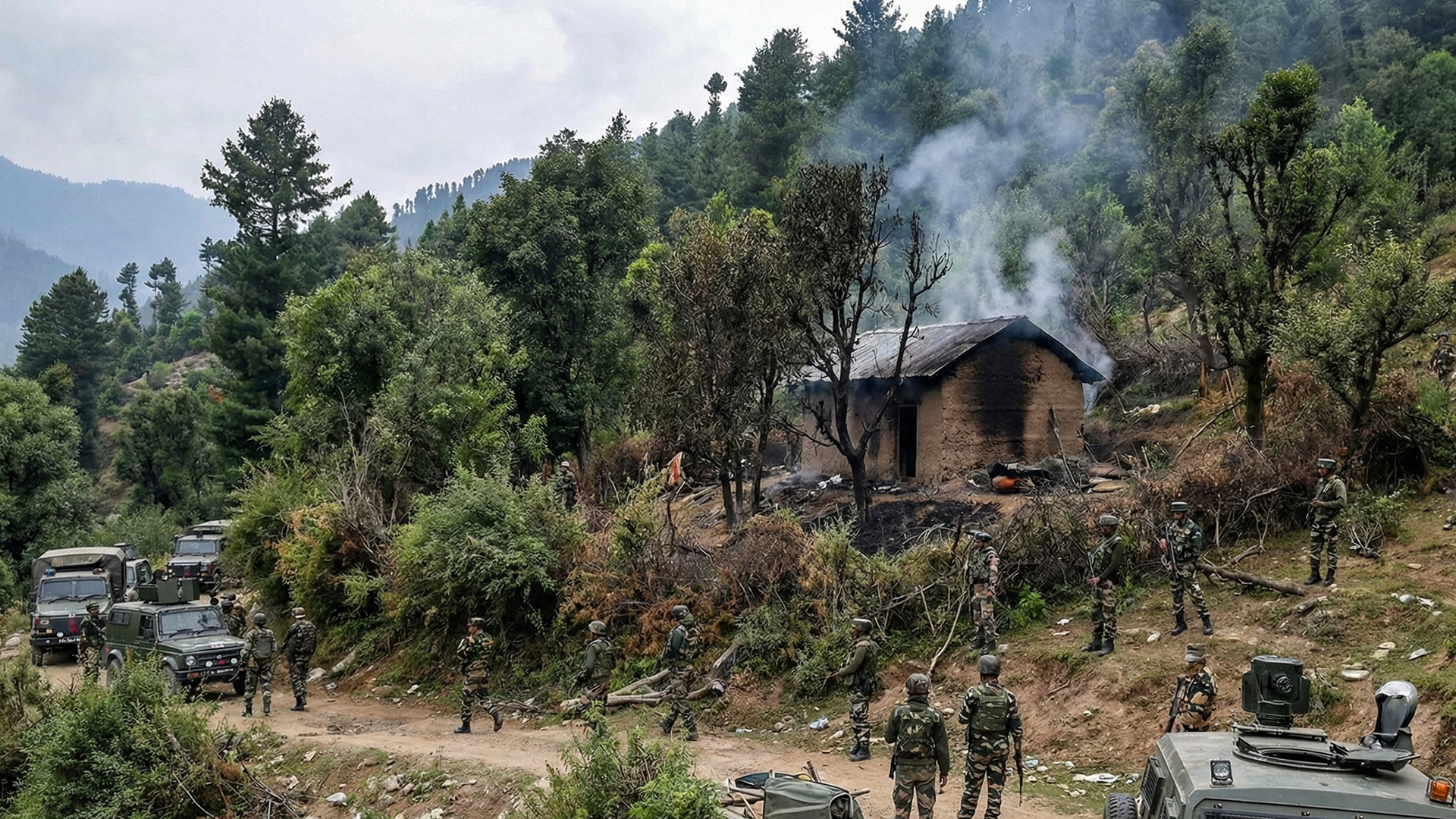
2 JeM militants killed in Kishtwar
Security forces launched a joint Army‑police operation in Kishtwar after intelligence tips. Two Jaish‑e‑Mohammad militants were killed, one identified as Pakistani commander Saifullah. Arms including AK‑47s were recovered; search continues in the area today.

3-year-old girl raped and killed in Gurugram
Gurugram police arrested a scrap collector for allegedly raping and strangling his three-year-old neighbour. The accused lured the toddler to a secluded spot in Sector 37 on Thursday. He confessed to the killing to hide his crime. Investigation is ongoing.

Youngest speaker Ranvir, 8, inspires at India Summit
Eight-year-old Ranvir Sachdeva became the youngest keynote speaker at the India AI Impact Summit 2026 in New Delhi. He shared insights on AI, met tech leaders Sundar Pichai and Sam Altman, and inspired youth to innovate boldly.
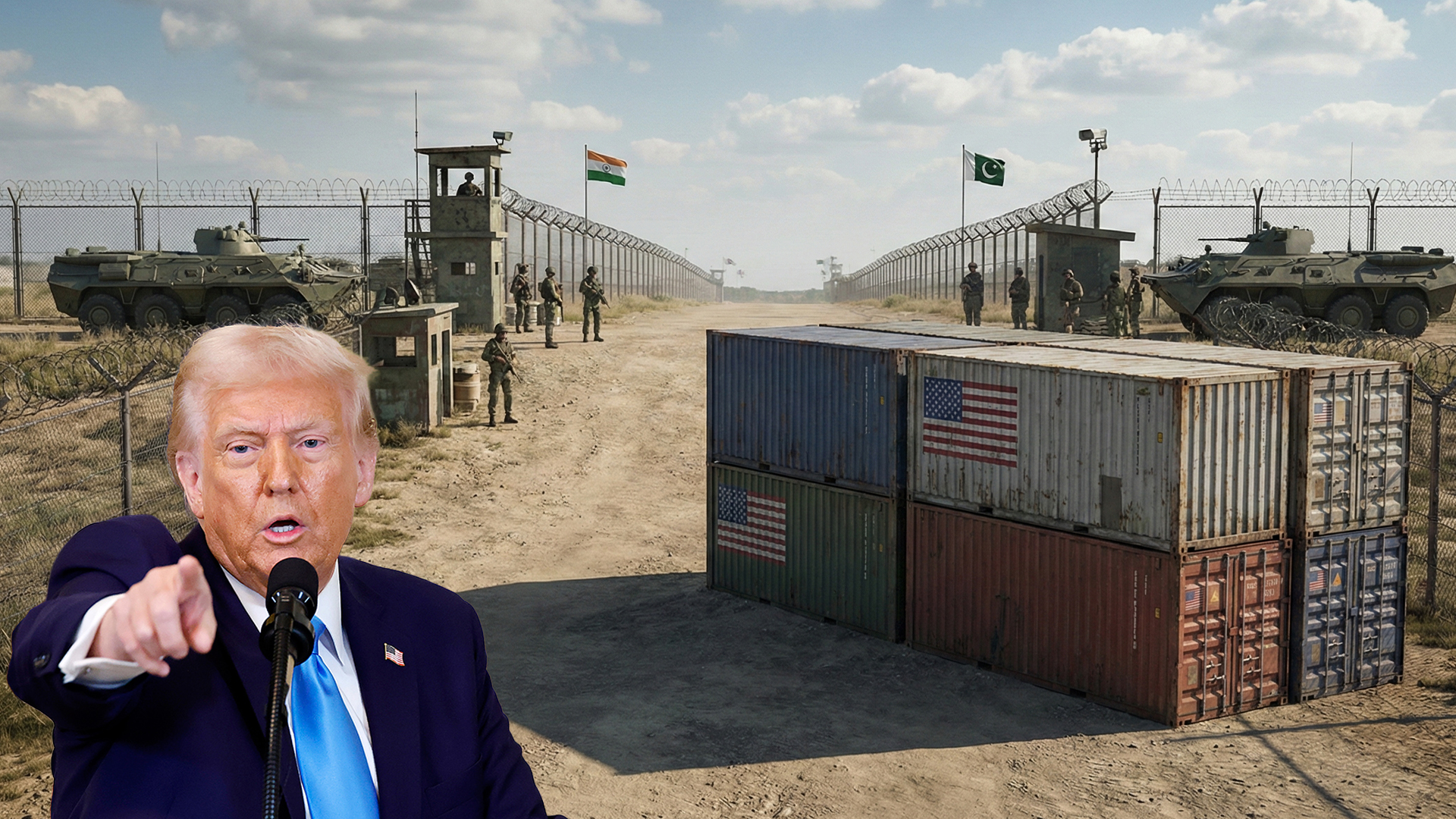
Trump repeats India-Pakistan ceasefire claim
US President Donald Trump again said he halted an India–Pakistan conflict by threatening steep tariffs, claiming 11 aircraft were downed and 25 million lives saved. New Delhi maintains the ceasefire was bilateral and rejects outside mediation on the issue firmly.

Burj Khalifa shines in tricolour for India AI Summit 2026
The Burj Khalifa in Dubai illuminated in India’s tricolour to celebrate the India AI Impact Summit, showcasing messages on artificial intelligence and innovation. The tribute reflected strengthening India-United Arab Emirates ties and the country’s growing leadership in emerging technologies.

Bill Gates backs out of India AI Summit keynote
Bill Gates withdrew from the India AI Impact Summit keynote shortly before it began, citing focus on the event itself. The move comes amid media attention on his name appearing in newly released Jeffrey Epstein files, though his foundation’s work in India continues.
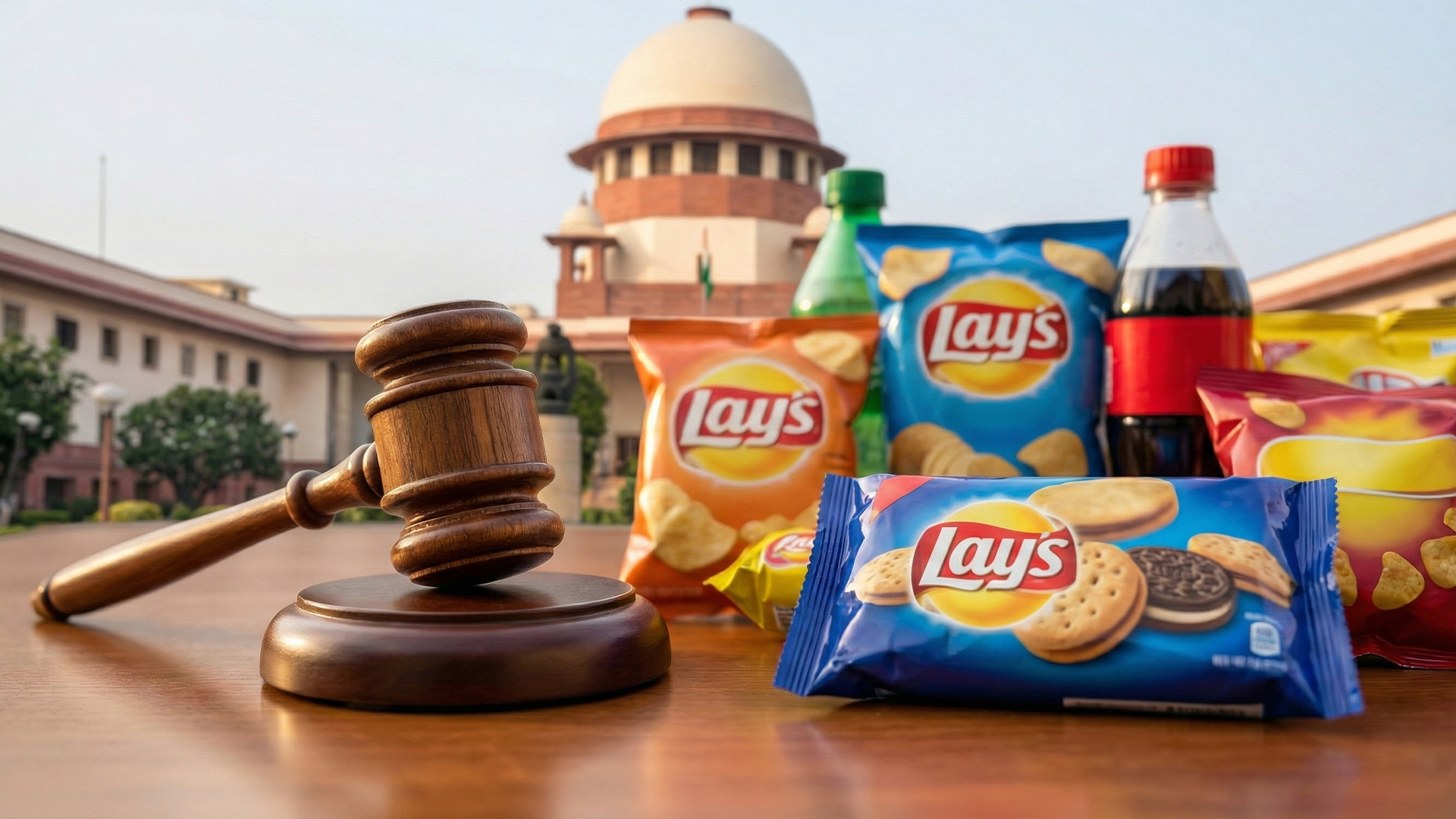
SC pulls up FSSAI on front-of-pack health warnings
The Supreme Court of India questioned Food Safety and Standards Authority of India (FSSAI) over delays in introducing front-of-pack warning labels for foods high in sugar, salt and saturated fat, directing the regulator to submit its response within four weeks.

Galgotias University under fire for robodog row
Galgotias University apologised after a Chinese-made robotic dog was mistakenly presented as its own innovation at the India AI Impact Summit. The institute said the device was only a training tool and blamed an unauthorised representative for the confusion.

Russia–Ukraine talks end without deal
Russia and Ukraine’s Geneva talks concluded without progress. Disagreements over territory, security guarantees, and other core issues persist, with both sides showing little flexibility. President Zelenskyy described the discussions as “difficult.”

Ex‑husband kills pregnant techie
A 29‑year-old pregnant software professional, Sunitha, was stabbed to death by her ex‑husband in Vanasthalipuram. He reportedly held a grudge over their divorce, her remarriage, and legal disputes.. Police have arrested him.
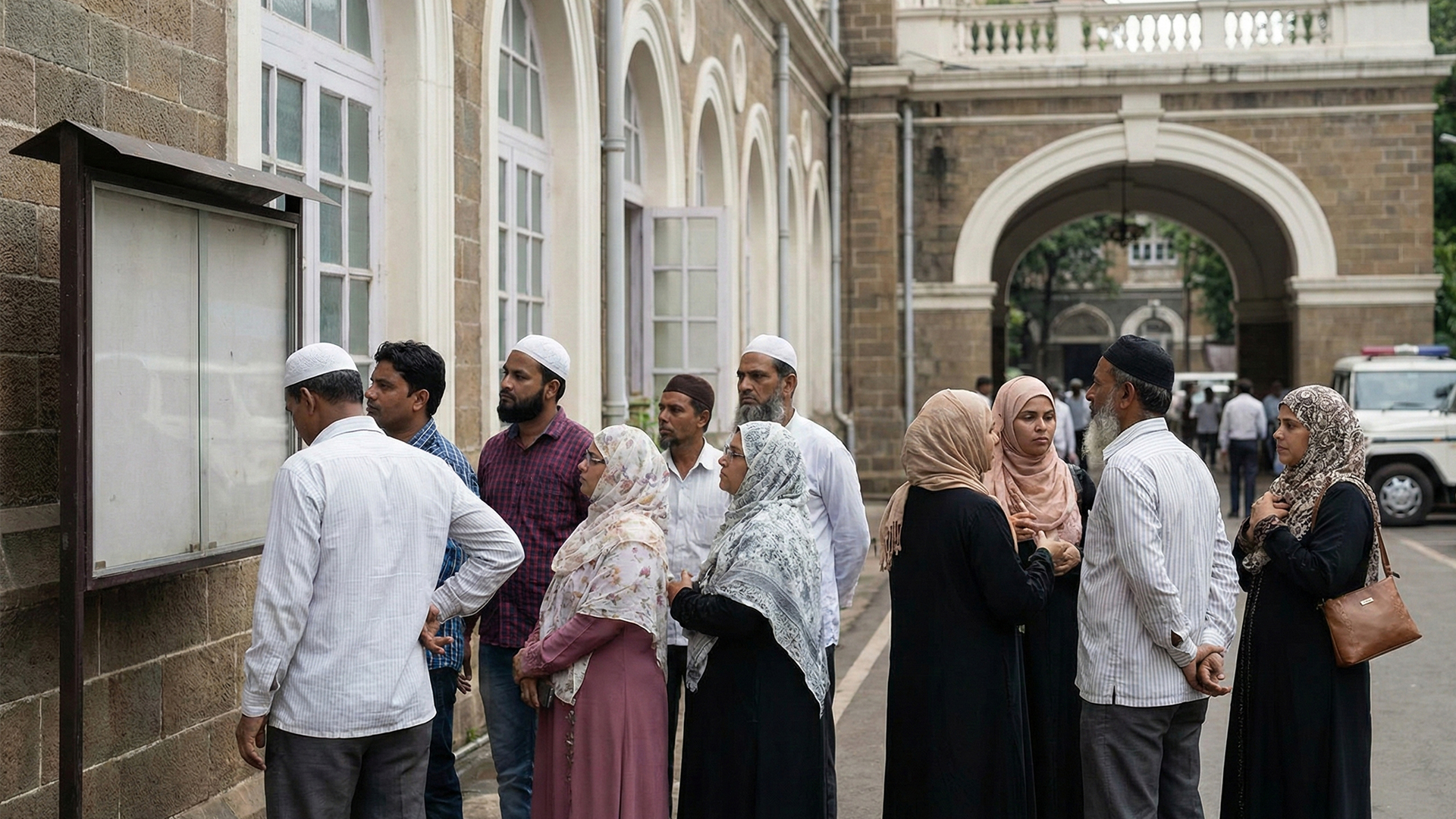
Maharashtra ends 5% muslim reservation
Maharashtra has officially nullified the 5% reservation for Muslims in education and government jobs. The move ends the 2014 ordinance granting the quota. Authorities have stopped issuing related certificates, sparking concerns of discrimination.
About This Category
The Format Is the Editorial Argument
The name of this publication is The Summary. This section is where that philosophy is most directly expressed. The Summaries are not abbreviated versions of longer articles. They are complete pieces of journalism — reported, edited, and published at a length that respects both the story and the reader's time. The decision to keep them short is not a constraint. It is a position: that most news can be communicated clearly in 150 words, and that padding it to 600 words rarely improves it.
The editorial discipline required to produce a good summary is different from, and in some ways harder than, writing at length. Every sentence has to do real work. Nothing survives that doesn't belong there.
What Ends Up Here
The range is genuinely broad — and deliberately so. On any given day, The Summaries might carry a Karnataka cabinet resignation, a hospital fire in Bihar, a CBSE policy recommendation, a Kerala toddler death that has triggered public outrage, and a Cockroach Janta Party founder's plans to protest at Jantar Mantar. These are not thematically related stories. They are simply the news, treated with consistent brevity.
That breadth is the point. A reader who follows The Summaries doesn't need to choose a category to monitor. National politics, health research, civic tragedies, civil society, lifestyle news — it all comes through this section at a pace that doesn't require hours of reading to stay current.
The Judgment That Goes Into 150 Words
Selection is where the editorial work happens. Not everything becomes a Summary. Stories make it here when the core fact is clear, the significance is demonstrable, and the full picture can be honestly conveyed at short length without stripping context that the reader actually needs. A story like the Muzaffarpur hospital fire — four lives lost, a state inquiry ordered, families to be compensated — can be told completely in under two minutes. Stretching it doesn't add information; it adds length.
Some stories don't work as summaries because the context is too dense to compress responsibly. Those go elsewhere on the site. The Summaries is not a catchall; it's a format with specific requirements, and not every story meets them.
A Different Kind of Archive
Over time, The Summaries has become a reliable daily record of what happened in India and across the world — told concisely, sourced from official announcements and credible reporting, and published without the delay that often accompanies longer-form analysis. Readers who have followed the section consistently say it functions as a news briefing they can consume in a single sitting. That is more or less exactly what it was designed to do.
Frequently Asked Questions
Q1. What is The Summaries format and how is it different from other sections?
The Summaries are short, complete news pieces — typically under 150 words — covering a single event or development clearly and accurately. Unlike the full-length articles in sections like National, Business, or Health, these are written to be read in under a minute. The format is intentional: the goal is to report the news completely, not briefly for brevity's sake.
Q2. Does The Summaries cover all topics or only specific beats?
All topics. A single scroll through The Summaries on any given day might include political news, health research, a civic disaster, an education policy decision, and a human interest story. The connective thread is the format, not the subject. Readers who want to stay across multiple beats without tracking several sections will find everything here.
Q3. Are The Summaries just shortened versions of longer articles on the site?
No. They are standalone pieces written specifically for this format. Occasionally, a major developing story will have both a full article and a Summary — but they are written separately, for different purposes. The Summary version is complete on its own terms, not a teaser or a preview of something longer.
Q4. How does The Summary decide what becomes a Summary versus a full article?
If a story can be told accurately and completely at short length without stripping essential context, it's a candidate for The Summaries. If the background, timeline, or stakeholder complexity genuinely requires more room, it gets a full article. The test is whether the reader comes away informed — not whether the piece meets a word count.
Q5. How often is The Summaries section updated?
Throughout the day as news develops. There is no fixed publishing schedule — stories are published when they are ready. Readers who check in once or twice daily will typically find several new pieces each visit. The pace reflects the news cycle, not a content calendar.
Q6. Is The Summaries a good starting point for readers new to the site?
It is probably the most efficient way to understand the full scope of what The Summary covers. Because the section spans every beat — politics, business, health, lifestyle, science, national, world news — a few minutes in The Summaries gives a reader a clearer picture of the publication's range than browsing any single category section would.