
The Summaries

Actor Sidharth Malhotra’s father passes away
Sunil Malhotra died in Delhi after a prolonged illness. Sidharth Malhotra and wife Kiara Advani reached the capital to attend the last rites. The family mourned the loss and shared a heartfelt remembrance for their beloved patriarch.
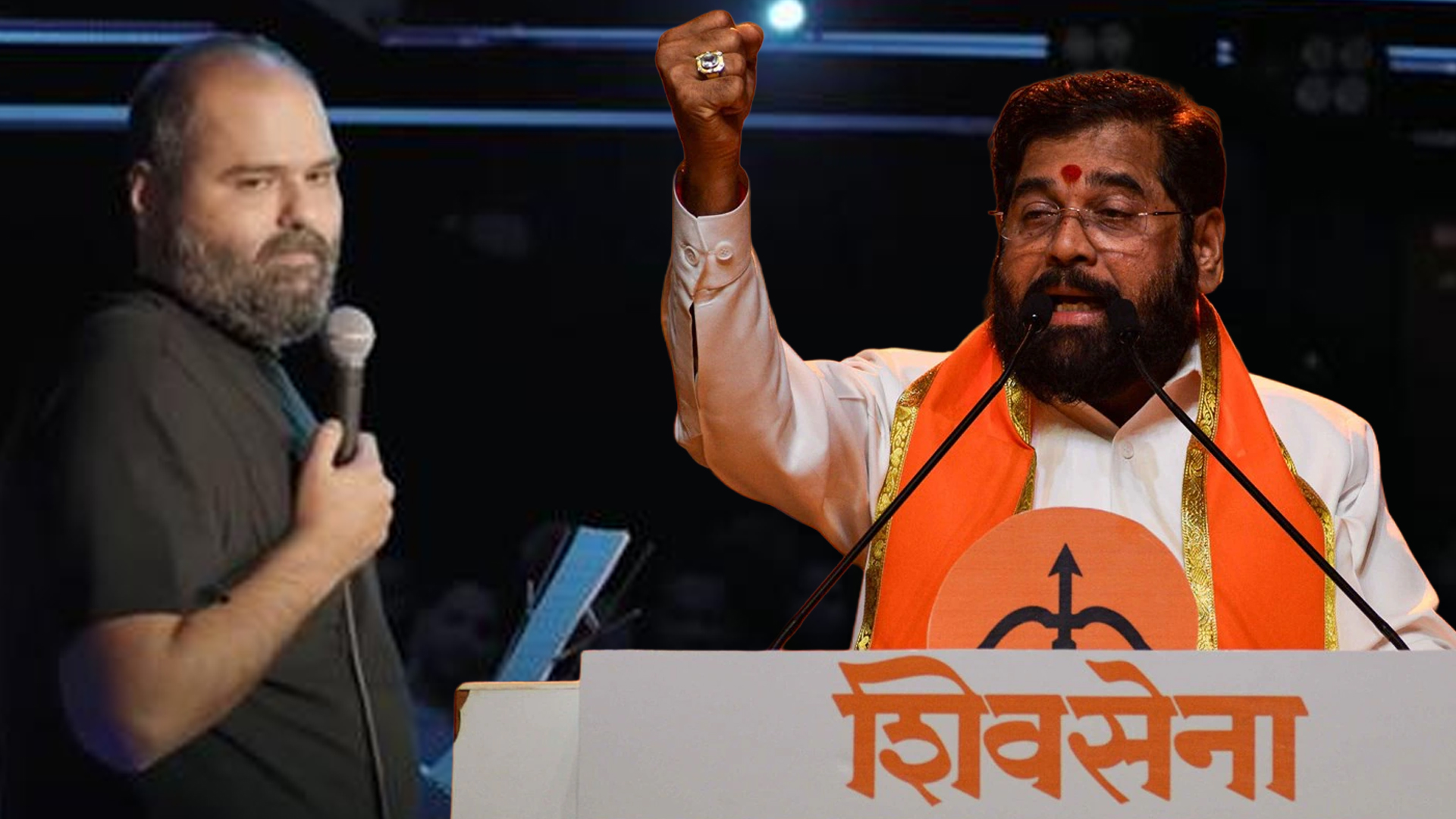
Kunal Kamra faces Maharashtra panel
Comedian Kunal Kamra appeared before the Maharashtra Legislative Council privileges committee in connection with his parody song on Eknath Shinde. The hearing was adjourned to March 10 after BJP leader Pravin Darekar, who lodged the complaint, failed to attend the session.

HiLITE Group gifts 47 cars to staff
Kozhikode-based HiLITE Group marked its 30th anniversary by gifting 47 cars worth ₹20 crore to employees. Luxury and popular SUVs were included. The group also announced plans to develop 50 million sq. ft. of projects across Kerala.

Hollywood actor Robert Duvall no more
Legendary actor Robert Duvall has died peacefully at 95. Celebrated for iconic roles in The Godfather and Apocalypse Now, and an Oscar winner for Tender Mercies, Duvall’s six-decade career left a lasting mark on Hollywood and global cinema.
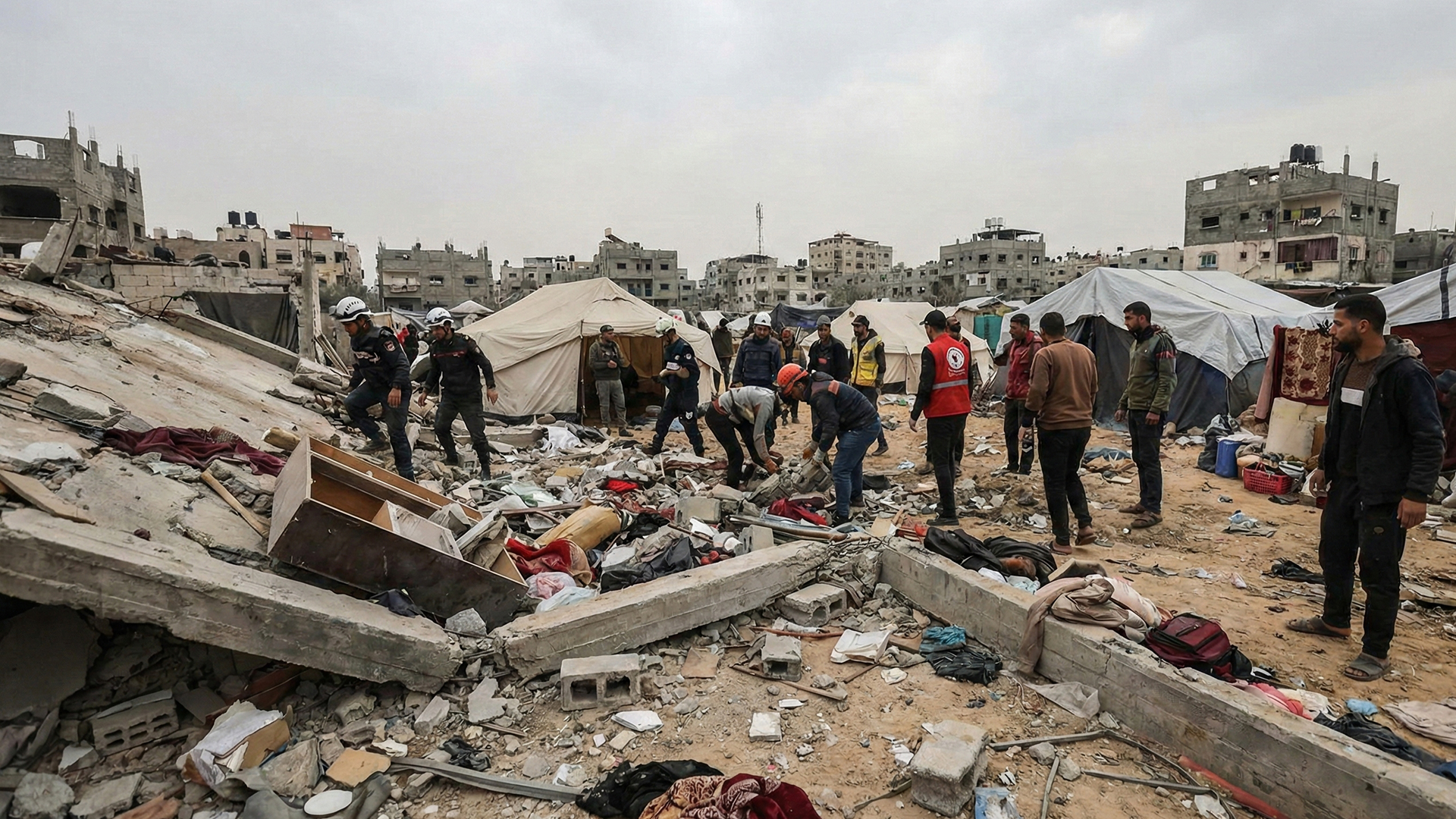
Israeli airstrikes on Gaza kill at least 11
Israeli airstrikes on Gaza killed at least 11 people, including civilians, amid clashes near refugee camps. Hamas condemned the attacks, while Israel cited ceasefire violations. Tensions rise as international calls for calm grow louder.

Swiss train derails after avalanche, passengers injured
A passenger train near Goppenstein, Switzerland derailed after an avalanche hit. Around 80 people were on board. Rescue teams, including helicopters, evacuated 30 so far. Authorities warn of possible injuries and have suspended services on the route.

Robots join everyday heroes at 2026 Spring Fest
The 2026 Spring Festival Gala in China will feature robots performing music, dance, and comedy alongside everyday heroes and traditional acts. The show celebrates innovation, culture, and the Lunar New Year, airing Monday evening for audiences worldwide.

Imran Khan examined in jail over vision loss
Jailed ex‑PM Imran Khan, suffering severe vision loss, was examined by doctors in Adiala Jail. His party called the process “malicious,” demanding hospital care with family and personal physicians. Pakistan’s top court will decide his transfer.
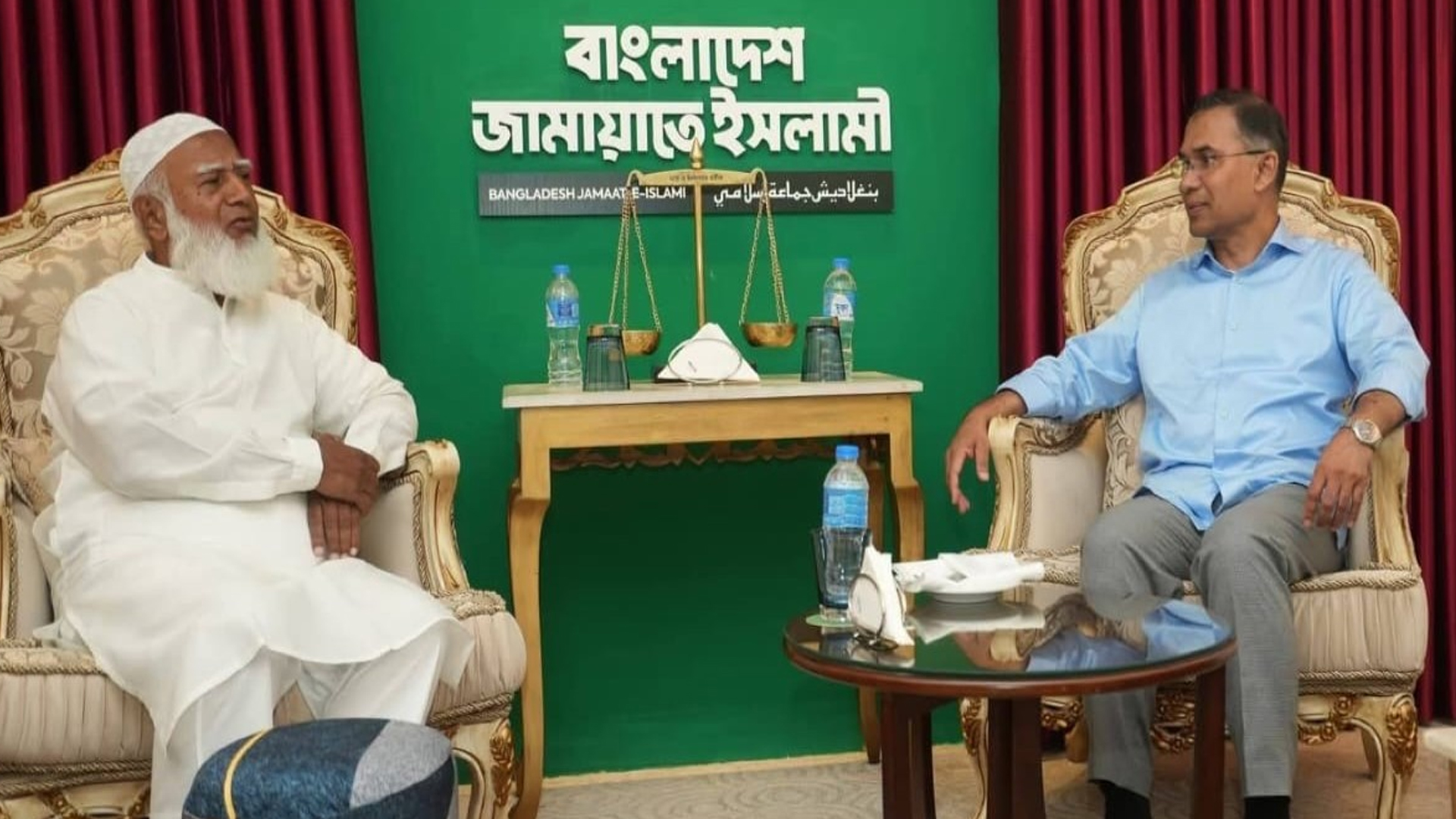
BNP’s Tarique Rahman meets opposition leaders
BNP’s Tarique Rahman held meetings with Jamaat‑e‑Islami chief Shafiqur Rahman and National Citizen Party leader Nahid Islam in Dhaka, just two days before his party is set to form the new government, signaling efforts to engage with rival political groups.
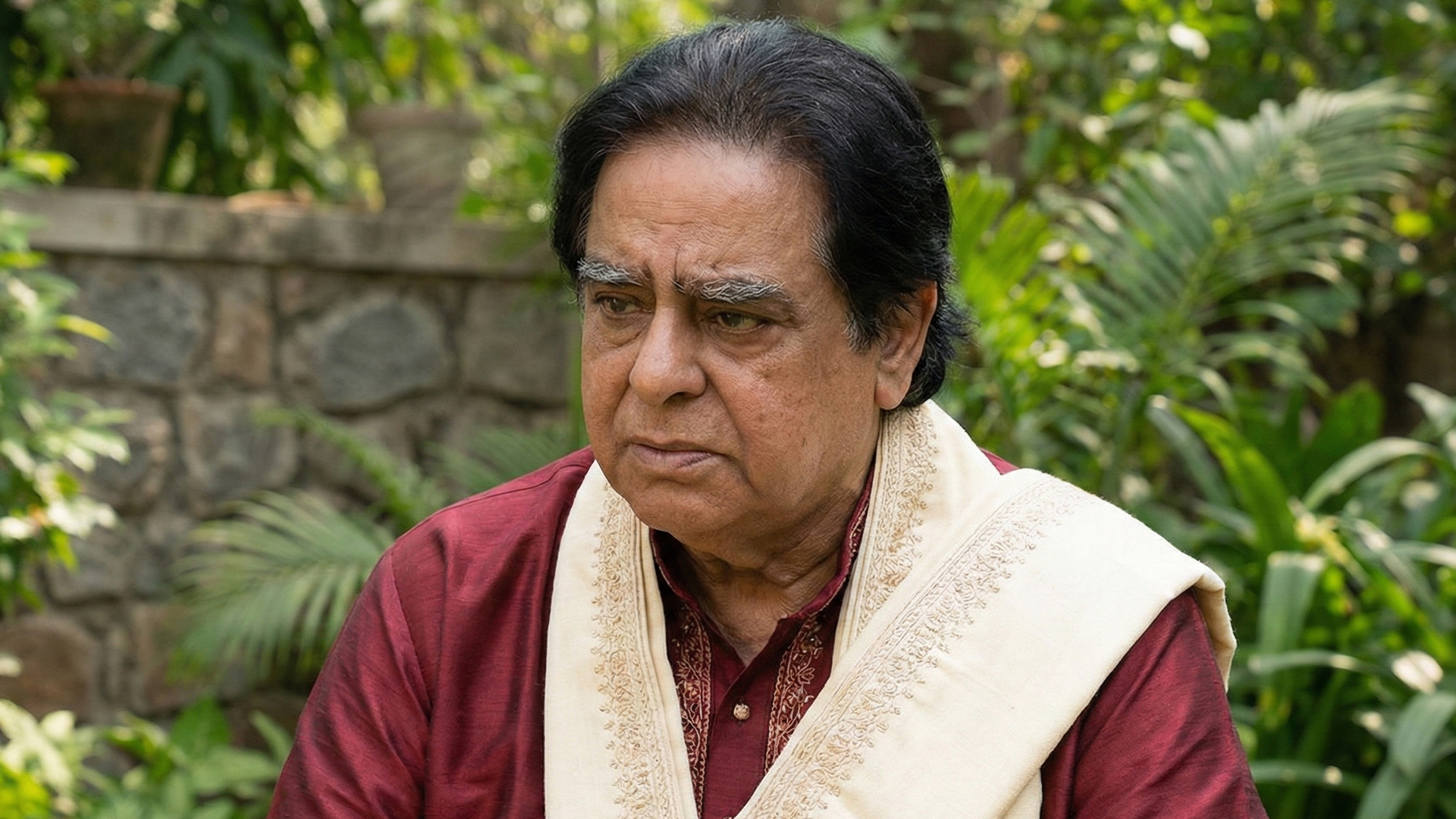
Anand Sagar, respected filmmaker, dies at 84
Anand Sagar, son of legendary filmmaker Ramanand Sagar, passed away in Mumbai at 84 after battling Parkinson’s disease. He was a respected director and producer in television and film. His family performed the last rites privately.
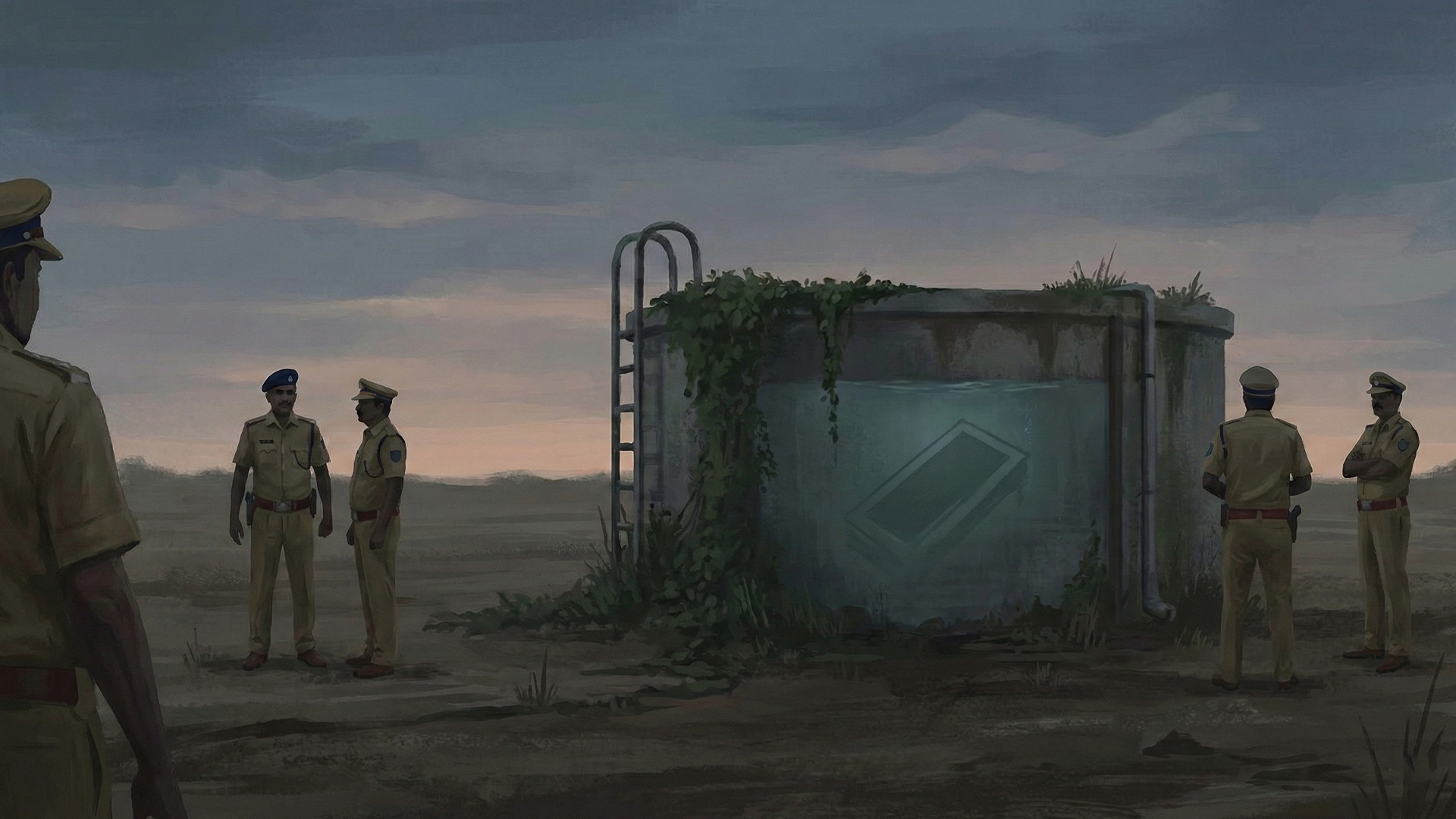
Woman’s body found in box in Bhopal tank
A woman’s decomposed body was found inside a box submerged in a water tank in Bhopal’s Nishatpura area. The discovery was made after residents complained of a foul smell. Police have registered a murder case and launched an investigation.

US talks Venezuela oil post Maduro’s ouster
US Energy Secretary Chris Wright visited Venezuela, meeting interim President Delcy Rodríguez and oil officials to discuss reopening the country’s oil sector. The visit, first by a senior US official since Maduro’s ouster, aims to boost production and attract American investment.
About This Category
The Format Is the Editorial Argument
The name of this publication is The Summary. This section is where that philosophy is most directly expressed. The Summaries are not abbreviated versions of longer articles. They are complete pieces of journalism — reported, edited, and published at a length that respects both the story and the reader's time. The decision to keep them short is not a constraint. It is a position: that most news can be communicated clearly in 150 words, and that padding it to 600 words rarely improves it.
The editorial discipline required to produce a good summary is different from, and in some ways harder than, writing at length. Every sentence has to do real work. Nothing survives that doesn't belong there.
What Ends Up Here
The range is genuinely broad — and deliberately so. On any given day, The Summaries might carry a Karnataka cabinet resignation, a hospital fire in Bihar, a CBSE policy recommendation, a Kerala toddler death that has triggered public outrage, and a Cockroach Janta Party founder's plans to protest at Jantar Mantar. These are not thematically related stories. They are simply the news, treated with consistent brevity.
That breadth is the point. A reader who follows The Summaries doesn't need to choose a category to monitor. National politics, health research, civic tragedies, civil society, lifestyle news — it all comes through this section at a pace that doesn't require hours of reading to stay current.
The Judgment That Goes Into 150 Words
Selection is where the editorial work happens. Not everything becomes a Summary. Stories make it here when the core fact is clear, the significance is demonstrable, and the full picture can be honestly conveyed at short length without stripping context that the reader actually needs. A story like the Muzaffarpur hospital fire — four lives lost, a state inquiry ordered, families to be compensated — can be told completely in under two minutes. Stretching it doesn't add information; it adds length.
Some stories don't work as summaries because the context is too dense to compress responsibly. Those go elsewhere on the site. The Summaries is not a catchall; it's a format with specific requirements, and not every story meets them.
A Different Kind of Archive
Over time, The Summaries has become a reliable daily record of what happened in India and across the world — told concisely, sourced from official announcements and credible reporting, and published without the delay that often accompanies longer-form analysis. Readers who have followed the section consistently say it functions as a news briefing they can consume in a single sitting. That is more or less exactly what it was designed to do.
Frequently Asked Questions
Q1. What is The Summaries format and how is it different from other sections?
The Summaries are short, complete news pieces — typically under 150 words — covering a single event or development clearly and accurately. Unlike the full-length articles in sections like National, Business, or Health, these are written to be read in under a minute. The format is intentional: the goal is to report the news completely, not briefly for brevity's sake.
Q2. Does The Summaries cover all topics or only specific beats?
All topics. A single scroll through The Summaries on any given day might include political news, health research, a civic disaster, an education policy decision, and a human interest story. The connective thread is the format, not the subject. Readers who want to stay across multiple beats without tracking several sections will find everything here.
Q3. Are The Summaries just shortened versions of longer articles on the site?
No. They are standalone pieces written specifically for this format. Occasionally, a major developing story will have both a full article and a Summary — but they are written separately, for different purposes. The Summary version is complete on its own terms, not a teaser or a preview of something longer.
Q4. How does The Summary decide what becomes a Summary versus a full article?
If a story can be told accurately and completely at short length without stripping essential context, it's a candidate for The Summaries. If the background, timeline, or stakeholder complexity genuinely requires more room, it gets a full article. The test is whether the reader comes away informed — not whether the piece meets a word count.
Q5. How often is The Summaries section updated?
Throughout the day as news develops. There is no fixed publishing schedule — stories are published when they are ready. Readers who check in once or twice daily will typically find several new pieces each visit. The pace reflects the news cycle, not a content calendar.
Q6. Is The Summaries a good starting point for readers new to the site?
It is probably the most efficient way to understand the full scope of what The Summary covers. Because the section spans every beat — politics, business, health, lifestyle, science, national, world news — a few minutes in The Summaries gives a reader a clearer picture of the publication's range than browsing any single category section would.