
The Summaries

India likely to clear 114 Rafale deal
India is expected to approve the purchase of 114 Rafale fighter jets from France in the coming days. The Defence Acquisition Council may clear the proposal ahead of French President Emmanuel Macron’s visit, strengthening defence cooperation between the two countries.

Three found dead in car near Delhi flyover
Three people were found dead inside a car parked near Peeragarhi flyover in west Delhi on Sunday. Police noticed a strong poisonous smell inside the locked vehicle. Forensic teams were called, and investigations are underway to determine the cause of death.
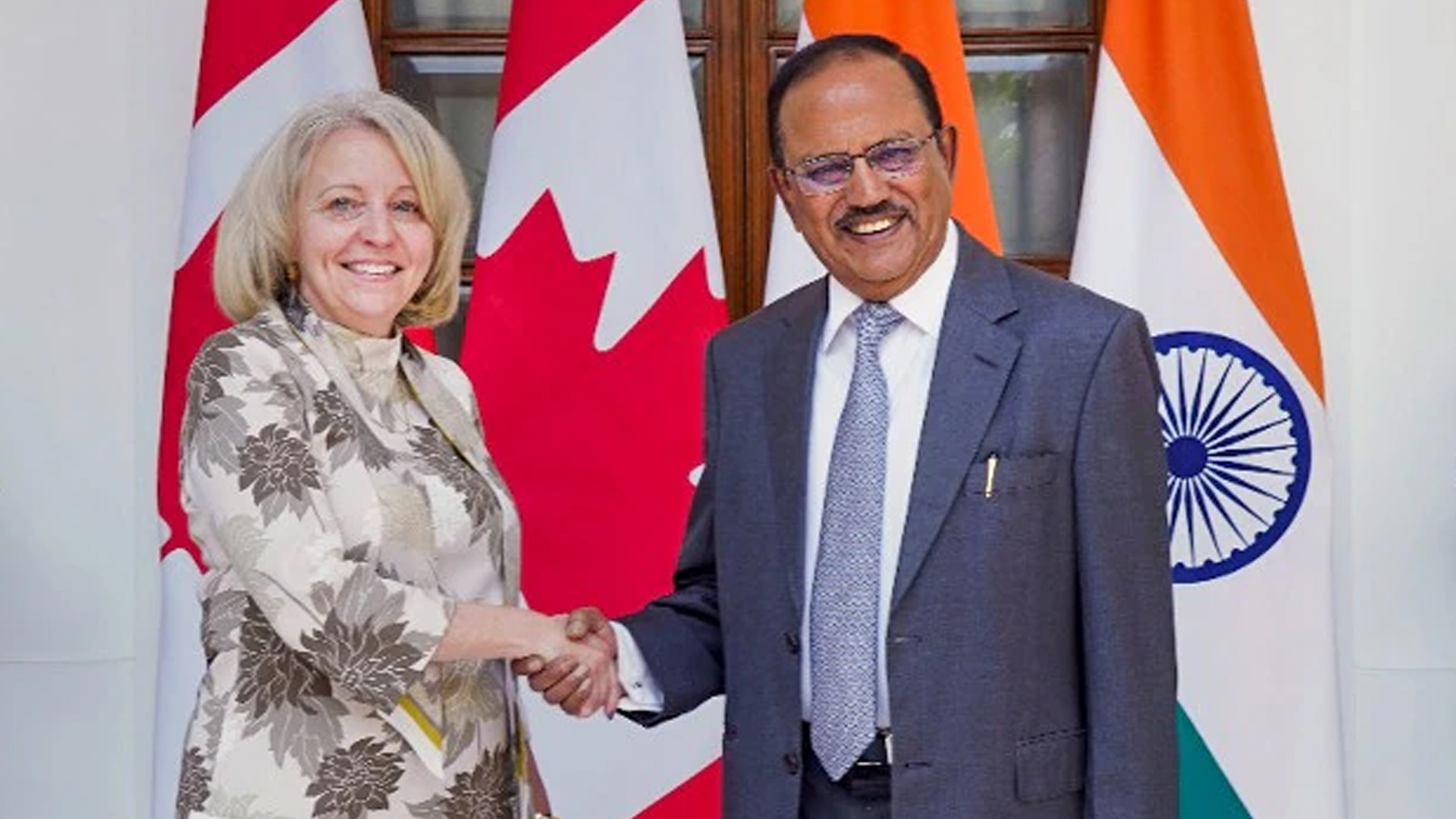
India, Canada reset ties after Ajit Doval’s Ottawa visit
National Security Adviser Ajit Doval held talks with Canadian counterparts in Ottawa, focusing on security and intelligence cooperation. The engagement signals a cautious attempt by India and Canada to rebuild strained relations and address concerns linked to extremism.
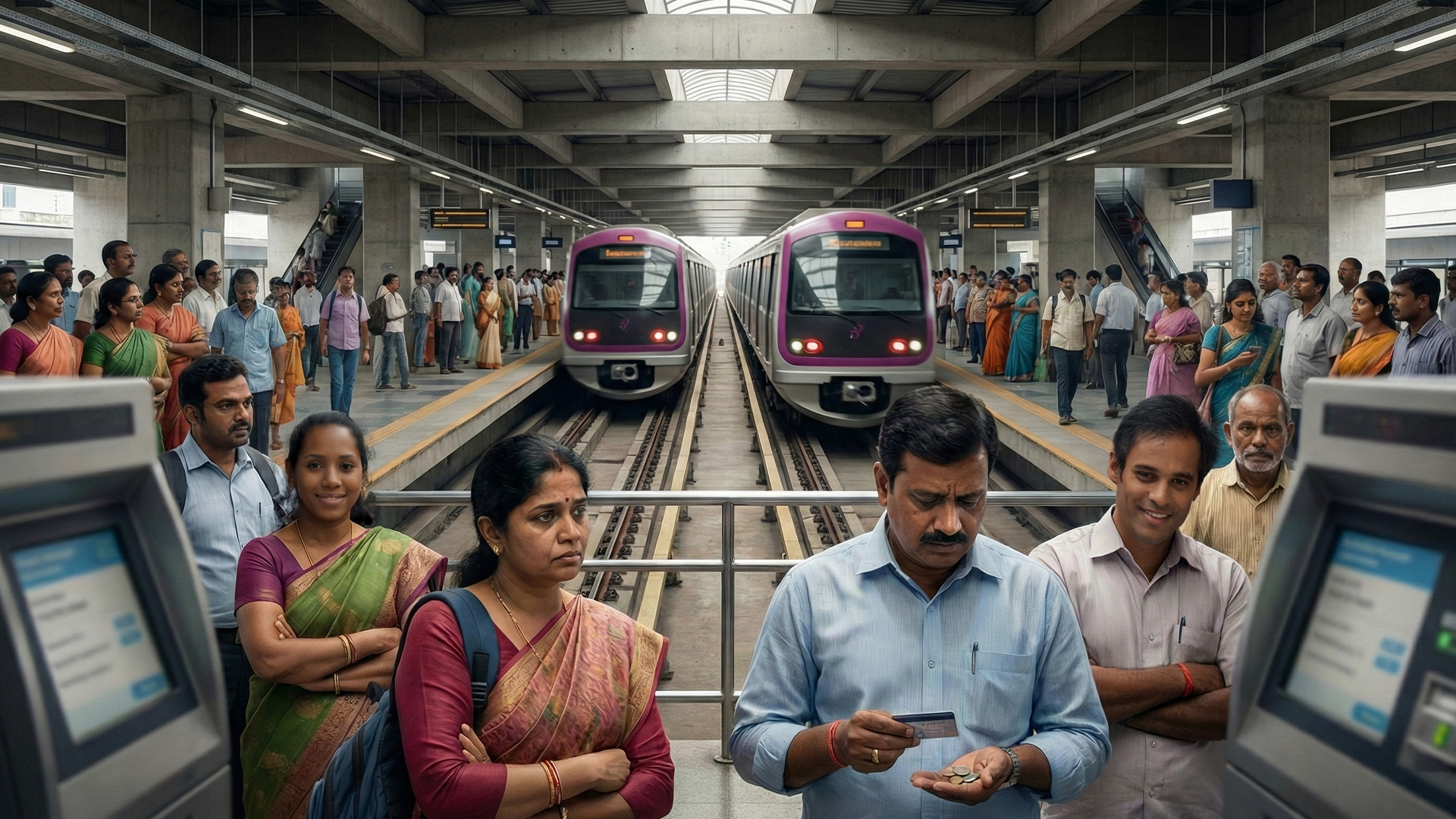
Bengaluru metro fare hike sparks political debate
Bengaluru Metro’s 5% fare hike from February sparked political controversy. The state government blamed the Centre’s fare panel, while opposition demanded a new review. Commuters criticised rising costs and calculation errors, intensifying the pre‑poll blame game.
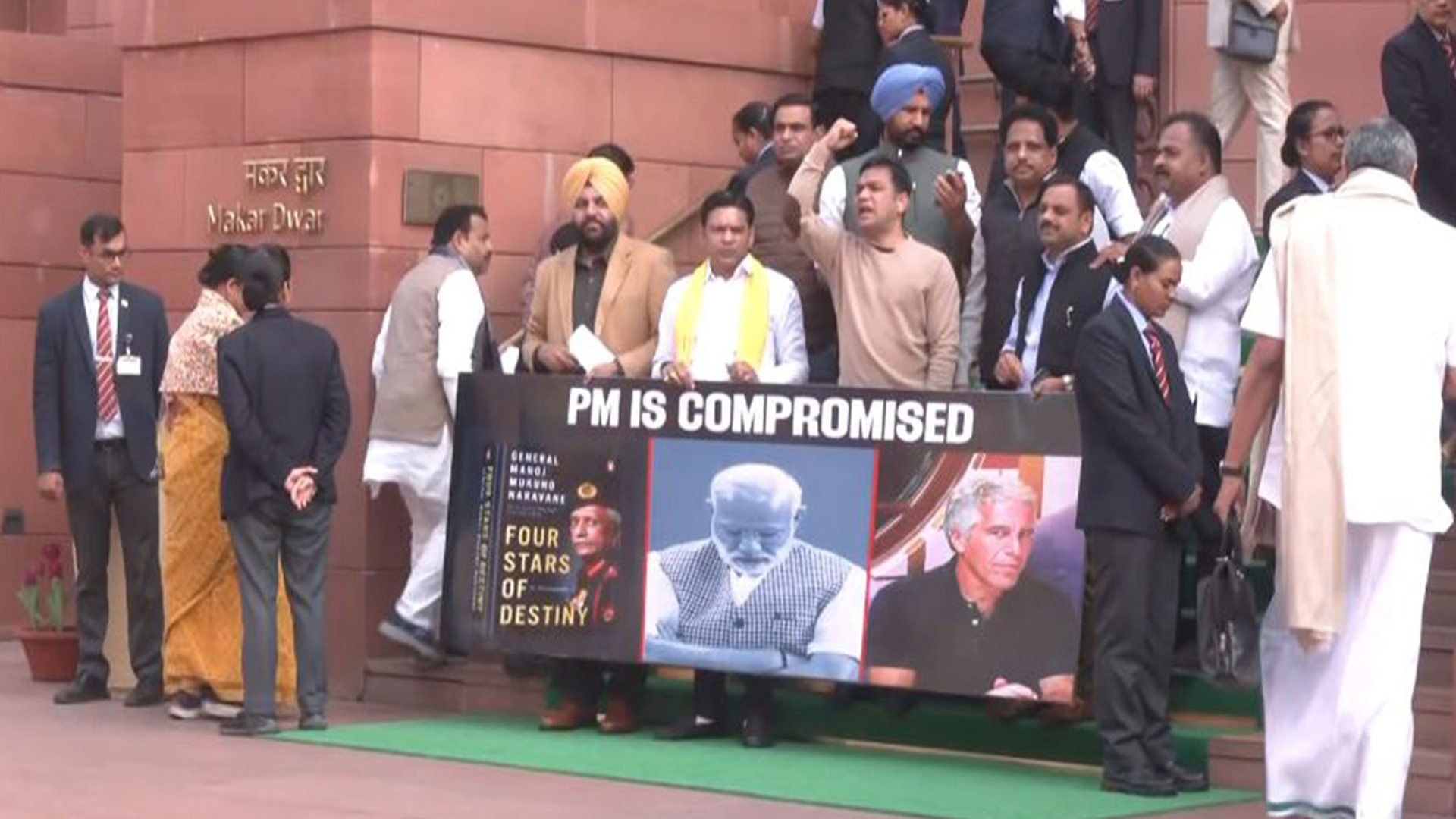
Lok Sabha adjourned till 9th February
Opposition protests disrupted the Budget session, forcing the Lok Sabha to adjourn till Monday. The Rajya Sabha functioned for a short period. Political tensions intensified over procedural objections and demands raised during discussions related to the 2026 Union Budget.

Jeet Adani honours Mangal Seva on anniversary
Jeet Adani expressed gratitude to his parents after father Gautam Adani’s wishes for his first wedding anniversary with Diva Shah. The couple continues their Mangal Seva initiative, supporting 500 differently-abled brides annually with ₹10 lakh each.
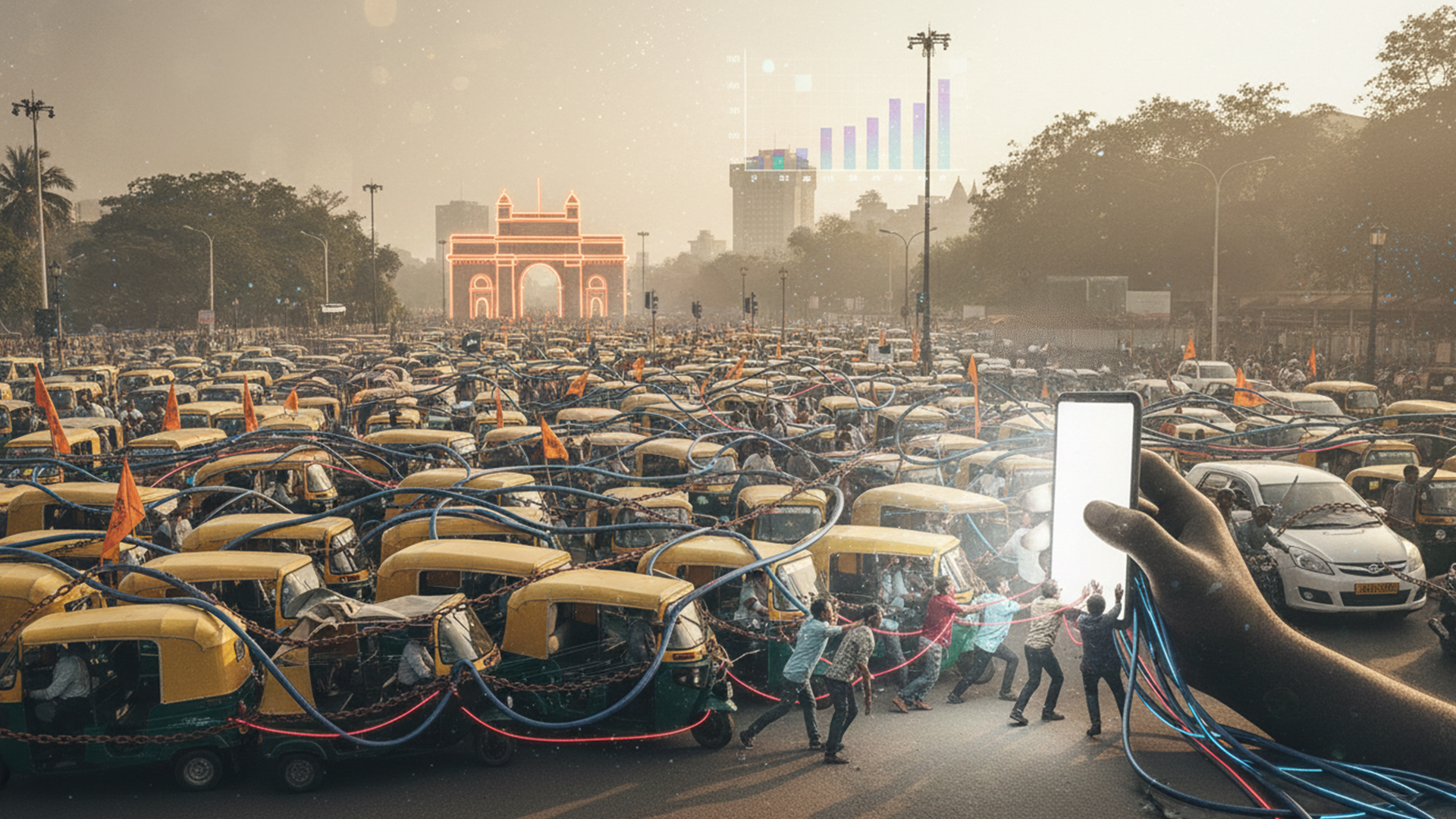
Ride-hailing drivers’ 6 hour strike on Feb 7
Ola, Uber, and Rapido drivers will hold a 6-hour nationwide strike on February 7, seeking government-mandated minimum fares, stricter regulations to protect earnings, with possible commuter disruptions during peak hours.

Amit Shah launches Bharat Taxi
Union Minister Amit Shah launched Bharat Taxi, India’s first cooperative ride-hailing service. Drivers are stakeholders, enjoy zero commissions, surge-free fares, and social security benefits. Initially in Delhi‑NCR and Gujarat, the platform will expand nationwide.

US‑Iran nuclear talks set in Oman
The US and Iran will meet in Oman to discuss Iran’s nuclear programme. Washington seeks broader security talks, while Tehran insists on a nuclear-only agenda. Diplomats hope for limited progress, though a major breakthrough remains unlikely.
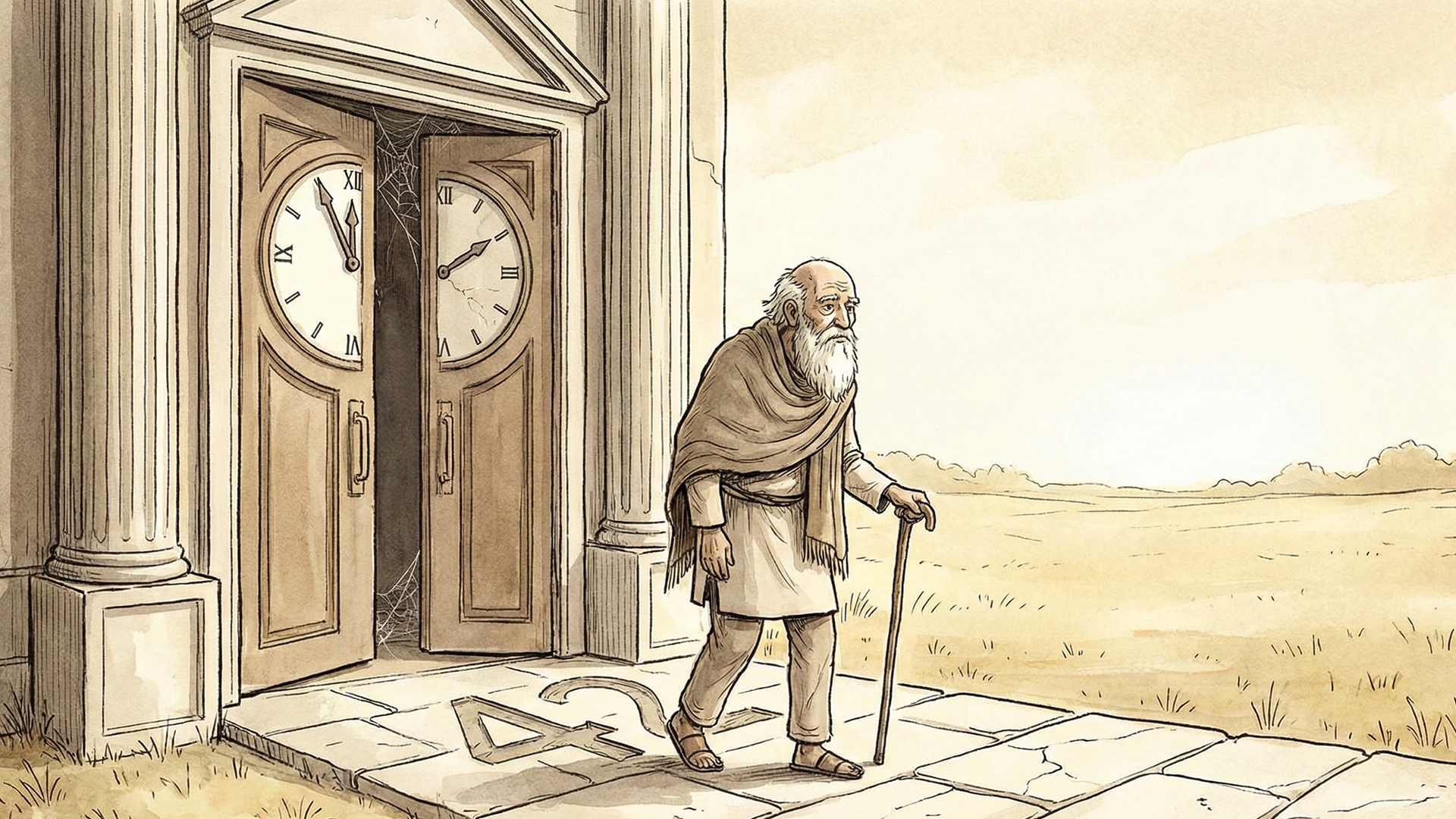
100‑year‑old cleared in decades‑old murder
The Allahabad High Court acquitted Dhani Ram, nearly 100, in a 1982 murder case. Having been on bail since 1984, he was freed as decades-long delays and his advanced age, along with weak evidence, led to acquittal.

13-year-old swims 4 km in Australia to rescue family
Thirteen‑year‑old Austin Appelbee swam nearly four hours through rough seas in Western Australia to reach help after his mother and two siblings were swept offshore. Rescue teams later found the family safe, thanks to his heroic effort.

35 dead as heavy snow hits northern Japan
Northern Japan faces deadly snowfall with at least 35 killed and hundreds injured. Roads are buried, power disrupted, and authorities warn of more snow, landslides, and hazardous conditions in coming days.
About This Category
The Format Is the Editorial Argument
The name of this publication is The Summary. This section is where that philosophy is most directly expressed. The Summaries are not abbreviated versions of longer articles. They are complete pieces of journalism — reported, edited, and published at a length that respects both the story and the reader's time. The decision to keep them short is not a constraint. It is a position: that most news can be communicated clearly in 150 words, and that padding it to 600 words rarely improves it.
The editorial discipline required to produce a good summary is different from, and in some ways harder than, writing at length. Every sentence has to do real work. Nothing survives that doesn't belong there.
What Ends Up Here
The range is genuinely broad — and deliberately so. On any given day, The Summaries might carry a Karnataka cabinet resignation, a hospital fire in Bihar, a CBSE policy recommendation, a Kerala toddler death that has triggered public outrage, and a Cockroach Janta Party founder's plans to protest at Jantar Mantar. These are not thematically related stories. They are simply the news, treated with consistent brevity.
That breadth is the point. A reader who follows The Summaries doesn't need to choose a category to monitor. National politics, health research, civic tragedies, civil society, lifestyle news — it all comes through this section at a pace that doesn't require hours of reading to stay current.
The Judgment That Goes Into 150 Words
Selection is where the editorial work happens. Not everything becomes a Summary. Stories make it here when the core fact is clear, the significance is demonstrable, and the full picture can be honestly conveyed at short length without stripping context that the reader actually needs. A story like the Muzaffarpur hospital fire — four lives lost, a state inquiry ordered, families to be compensated — can be told completely in under two minutes. Stretching it doesn't add information; it adds length.
Some stories don't work as summaries because the context is too dense to compress responsibly. Those go elsewhere on the site. The Summaries is not a catchall; it's a format with specific requirements, and not every story meets them.
A Different Kind of Archive
Over time, The Summaries has become a reliable daily record of what happened in India and across the world — told concisely, sourced from official announcements and credible reporting, and published without the delay that often accompanies longer-form analysis. Readers who have followed the section consistently say it functions as a news briefing they can consume in a single sitting. That is more or less exactly what it was designed to do.
Frequently Asked Questions
Q1. What is The Summaries format and how is it different from other sections?
The Summaries are short, complete news pieces — typically under 150 words — covering a single event or development clearly and accurately. Unlike the full-length articles in sections like National, Business, or Health, these are written to be read in under a minute. The format is intentional: the goal is to report the news completely, not briefly for brevity's sake.
Q2. Does The Summaries cover all topics or only specific beats?
All topics. A single scroll through The Summaries on any given day might include political news, health research, a civic disaster, an education policy decision, and a human interest story. The connective thread is the format, not the subject. Readers who want to stay across multiple beats without tracking several sections will find everything here.
Q3. Are The Summaries just shortened versions of longer articles on the site?
No. They are standalone pieces written specifically for this format. Occasionally, a major developing story will have both a full article and a Summary — but they are written separately, for different purposes. The Summary version is complete on its own terms, not a teaser or a preview of something longer.
Q4. How does The Summary decide what becomes a Summary versus a full article?
If a story can be told accurately and completely at short length without stripping essential context, it's a candidate for The Summaries. If the background, timeline, or stakeholder complexity genuinely requires more room, it gets a full article. The test is whether the reader comes away informed — not whether the piece meets a word count.
Q5. How often is The Summaries section updated?
Throughout the day as news develops. There is no fixed publishing schedule — stories are published when they are ready. Readers who check in once or twice daily will typically find several new pieces each visit. The pace reflects the news cycle, not a content calendar.
Q6. Is The Summaries a good starting point for readers new to the site?
It is probably the most efficient way to understand the full scope of what The Summary covers. Because the section spans every beat — politics, business, health, lifestyle, science, national, world news — a few minutes in The Summaries gives a reader a clearer picture of the publication's range than browsing any single category section would.