
The Summaries

BJP-JD(S) stages overnight dharna at Vidhana Soudha
Opposition BJP and JD(S) legislators staged an overnight protest inside Karnataka’s Vidhana Soudha, demanding the resignation of Excise Minister R.B. Timmapur over alleged irregularities in the excise department. They said the dharna would continue until action is taken.

5‑year‑old freed from ICE custody
Five-year-old Liam Conejo Ramos and his father were released from a Texas ICE detention center following a judge’s order. They had been held since January 20 and have now safely returned to Minnesota.
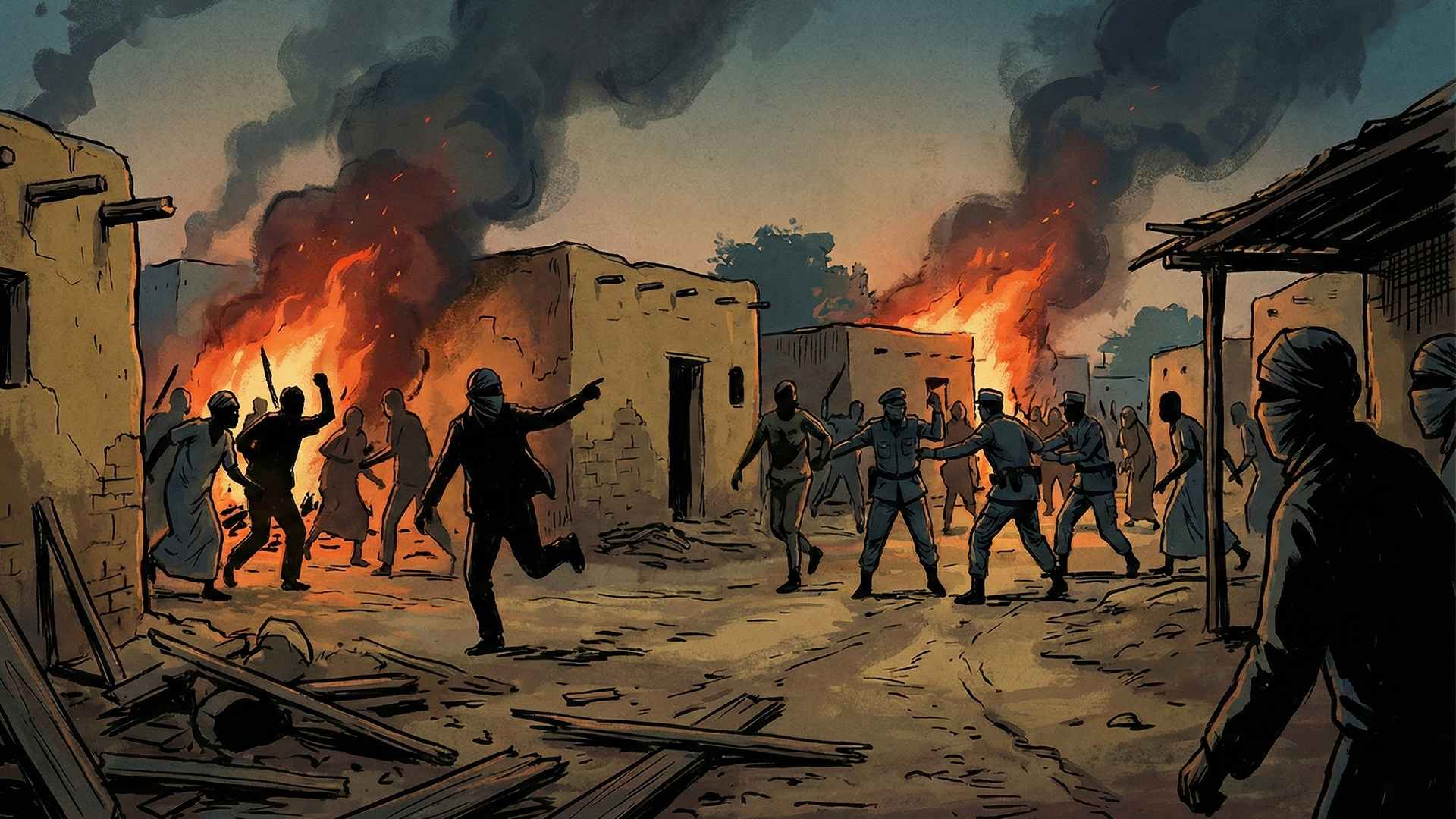
Chhattisgarh clash sparks arson, three arrested
In Dudhkaiyya village, Gariaband, of Chhattisgarh, a communal clash broke out after three men, recently released on bail, allegedly assaulted locals. Angered residents set fire to homes and vehicles. Police intervened, arrested the men again, and filed multiple cases.

PM Modi backs Palestine, Gaza peace plan
PM Narendra Modi reiterated India’s support for Palestine and endorsed the Gaza peace plan at the India–Arab Foreign Ministers’ meeting. He emphasized historic ties, cooperation, and praised the Arab League’s role in promoting peace in the region.

All tobacco products get costlier
Cigarettes, pan masala, and other tobacco products have become more expensive as the government rolls out a revised excise duty and health cess, replacing the earlier GST plus compensation cess system.
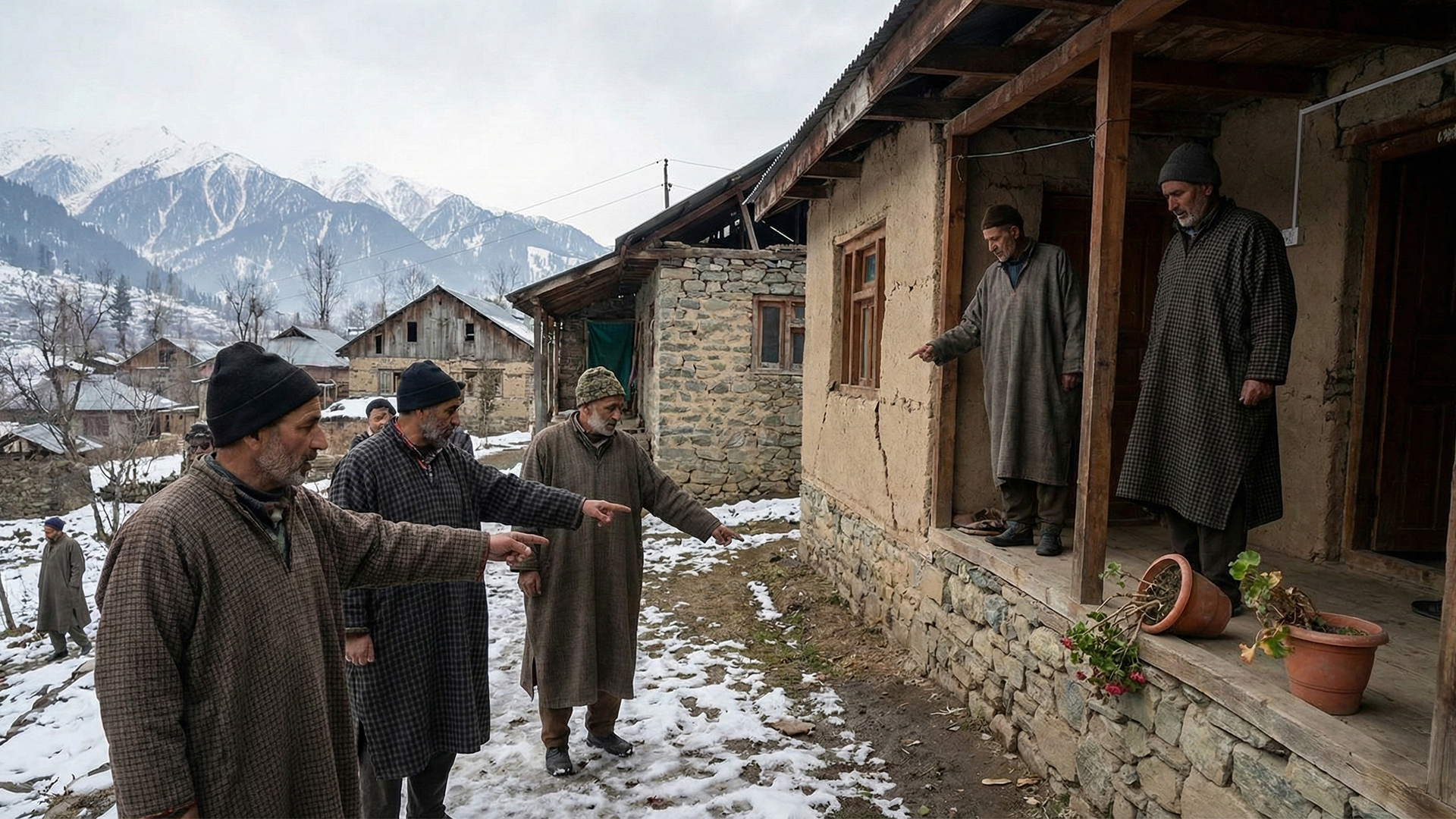
Earthquake of 4.6-magnitude jolts Kashmir valley
A 4.7-magnitude earthquake struck Jammu and Kashmir early on February 2, with tremors felt across the Kashmir Valley, including Srinagar. The quake caused brief panic among residents, but no casualties or damage were reported, officials said.

Bengaluru inspector caught for ₹4 lakh bribe
Bengaluru Lokayukta police caught Inspector Govindaraju of KP Agrahara police station accepting a ₹4 lakh bribe from a builder seeking removal from a cheating case. Authorities registered a case under the Prevention of Corruption Act, and investigations are ongoing.
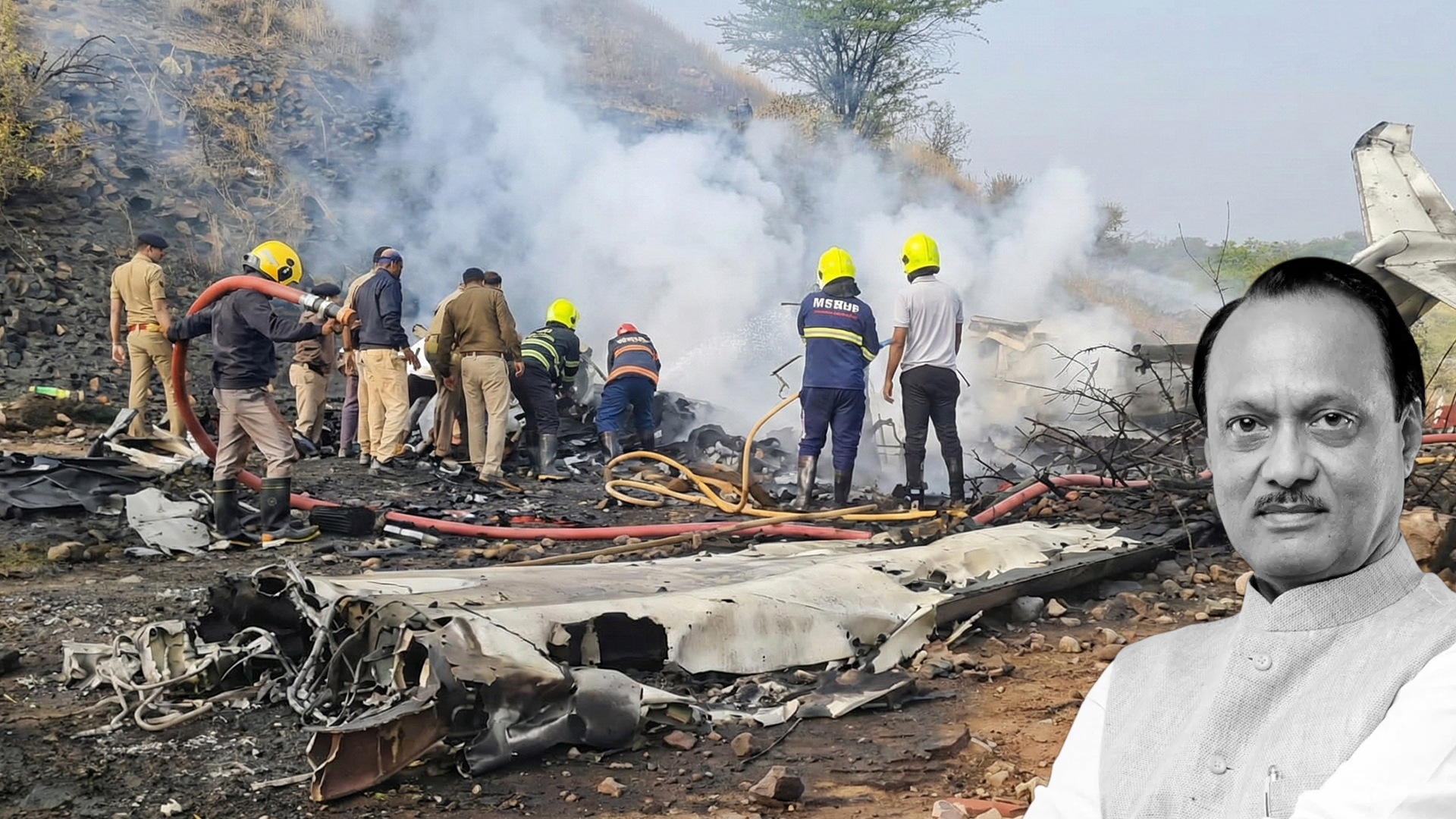
Baramati crash probe fast-tracked
The Baramati plane crash, which killed Maharashtra Deputy CM Ajit Pawar and four others, is being investigated on a timeline-based approach, Union Civil Aviation Minister K Ram Mohan Naidu said. The aircraft’s black box has been recovered for analysis.

SIFFCY 2026 begins with focus on inclusion
The 12th Smile International Film Festival for Children and Youth (SIFFCY) opened in New Delhi, showcasing films promoting inclusion, diversity, and equity, featuring works by children with disabilities, and bringing together filmmakers, educators, and policymakers.

Trump threatens tariffs over Cuba oil
President Trump threatens tariffs on countries, including Mexico, supplying oil to Cuba, aiming to pressure Havana amid fuel shortages. Cuba condemns the move, warning it will worsen citizen hardships, while regional tensions rise over US economic coercion.
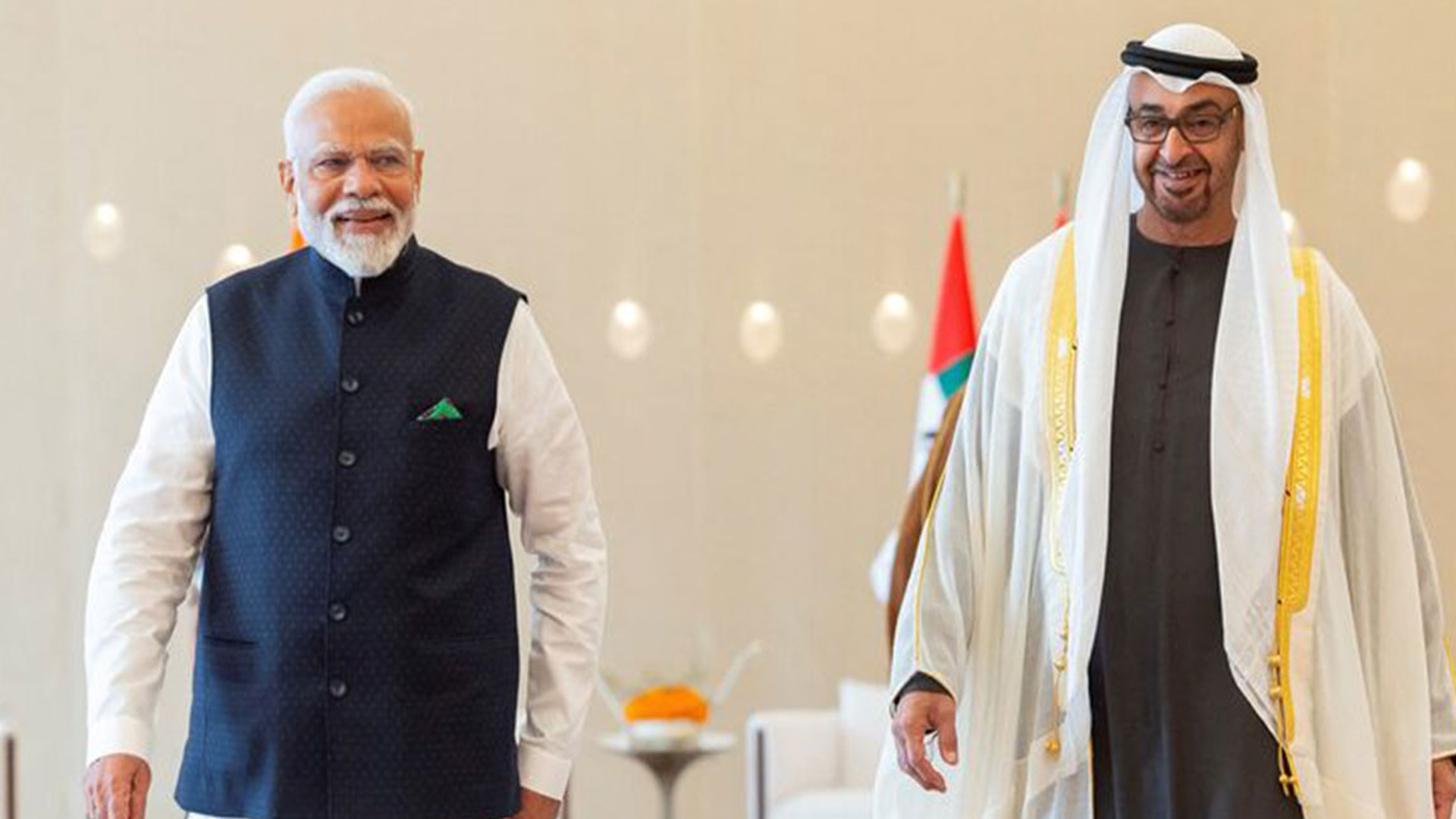
India to host India‑Arab foreign ministers meet
India will host the second India‑Arab Foreign Ministers’ Meeting in New Delhi on January 31, a decade after the first. The summit will focus on boosting trade, energy, education, culture, and diplomatic relations with Arab League countries.
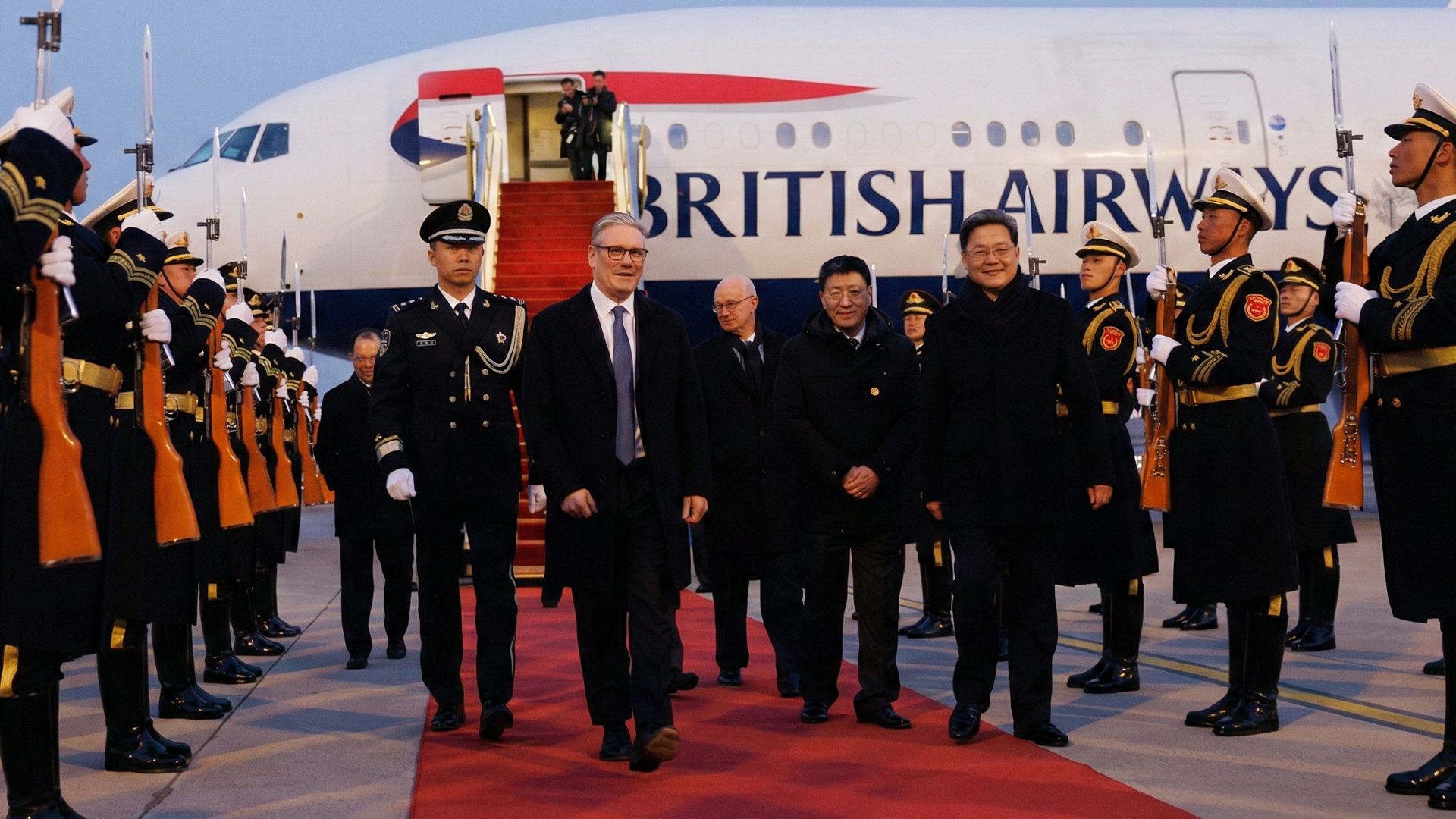
PM Starmer meets Xi to reset UK–China relations
UK Prime Minister Keir Starmer visited Beijing, meeting Chinese President Xi Jinping for the first time in eight years. Discussions focused on easing visa rules, expanding trade, enhancing cooperation, and addressing global security and human rights issues.
About This Category
The Format Is the Editorial Argument
The name of this publication is The Summary. This section is where that philosophy is most directly expressed. The Summaries are not abbreviated versions of longer articles. They are complete pieces of journalism — reported, edited, and published at a length that respects both the story and the reader's time. The decision to keep them short is not a constraint. It is a position: that most news can be communicated clearly in 150 words, and that padding it to 600 words rarely improves it.
The editorial discipline required to produce a good summary is different from, and in some ways harder than, writing at length. Every sentence has to do real work. Nothing survives that doesn't belong there.
What Ends Up Here
The range is genuinely broad — and deliberately so. On any given day, The Summaries might carry a Karnataka cabinet resignation, a hospital fire in Bihar, a CBSE policy recommendation, a Kerala toddler death that has triggered public outrage, and a Cockroach Janta Party founder's plans to protest at Jantar Mantar. These are not thematically related stories. They are simply the news, treated with consistent brevity.
That breadth is the point. A reader who follows The Summaries doesn't need to choose a category to monitor. National politics, health research, civic tragedies, civil society, lifestyle news — it all comes through this section at a pace that doesn't require hours of reading to stay current.
The Judgment That Goes Into 150 Words
Selection is where the editorial work happens. Not everything becomes a Summary. Stories make it here when the core fact is clear, the significance is demonstrable, and the full picture can be honestly conveyed at short length without stripping context that the reader actually needs. A story like the Muzaffarpur hospital fire — four lives lost, a state inquiry ordered, families to be compensated — can be told completely in under two minutes. Stretching it doesn't add information; it adds length.
Some stories don't work as summaries because the context is too dense to compress responsibly. Those go elsewhere on the site. The Summaries is not a catchall; it's a format with specific requirements, and not every story meets them.
A Different Kind of Archive
Over time, The Summaries has become a reliable daily record of what happened in India and across the world — told concisely, sourced from official announcements and credible reporting, and published without the delay that often accompanies longer-form analysis. Readers who have followed the section consistently say it functions as a news briefing they can consume in a single sitting. That is more or less exactly what it was designed to do.
Frequently Asked Questions
Q1. What is The Summaries format and how is it different from other sections?
The Summaries are short, complete news pieces — typically under 150 words — covering a single event or development clearly and accurately. Unlike the full-length articles in sections like National, Business, or Health, these are written to be read in under a minute. The format is intentional: the goal is to report the news completely, not briefly for brevity's sake.
Q2. Does The Summaries cover all topics or only specific beats?
All topics. A single scroll through The Summaries on any given day might include political news, health research, a civic disaster, an education policy decision, and a human interest story. The connective thread is the format, not the subject. Readers who want to stay across multiple beats without tracking several sections will find everything here.
Q3. Are The Summaries just shortened versions of longer articles on the site?
No. They are standalone pieces written specifically for this format. Occasionally, a major developing story will have both a full article and a Summary — but they are written separately, for different purposes. The Summary version is complete on its own terms, not a teaser or a preview of something longer.
Q4. How does The Summary decide what becomes a Summary versus a full article?
If a story can be told accurately and completely at short length without stripping essential context, it's a candidate for The Summaries. If the background, timeline, or stakeholder complexity genuinely requires more room, it gets a full article. The test is whether the reader comes away informed — not whether the piece meets a word count.
Q5. How often is The Summaries section updated?
Throughout the day as news develops. There is no fixed publishing schedule — stories are published when they are ready. Readers who check in once or twice daily will typically find several new pieces each visit. The pace reflects the news cycle, not a content calendar.
Q6. Is The Summaries a good starting point for readers new to the site?
It is probably the most efficient way to understand the full scope of what The Summary covers. Because the section spans every beat — politics, business, health, lifestyle, science, national, world news — a few minutes in The Summaries gives a reader a clearer picture of the publication's range than browsing any single category section would.