
The Summaries

Colombia plane crash kills all 15
A small passenger plane with 15 people on board disappeared during a domestic flight in Colombia. Authorities later located the wreckage near the Venezuelan border. All passengers, including a lawmaker, were confirmed dead, officials said.
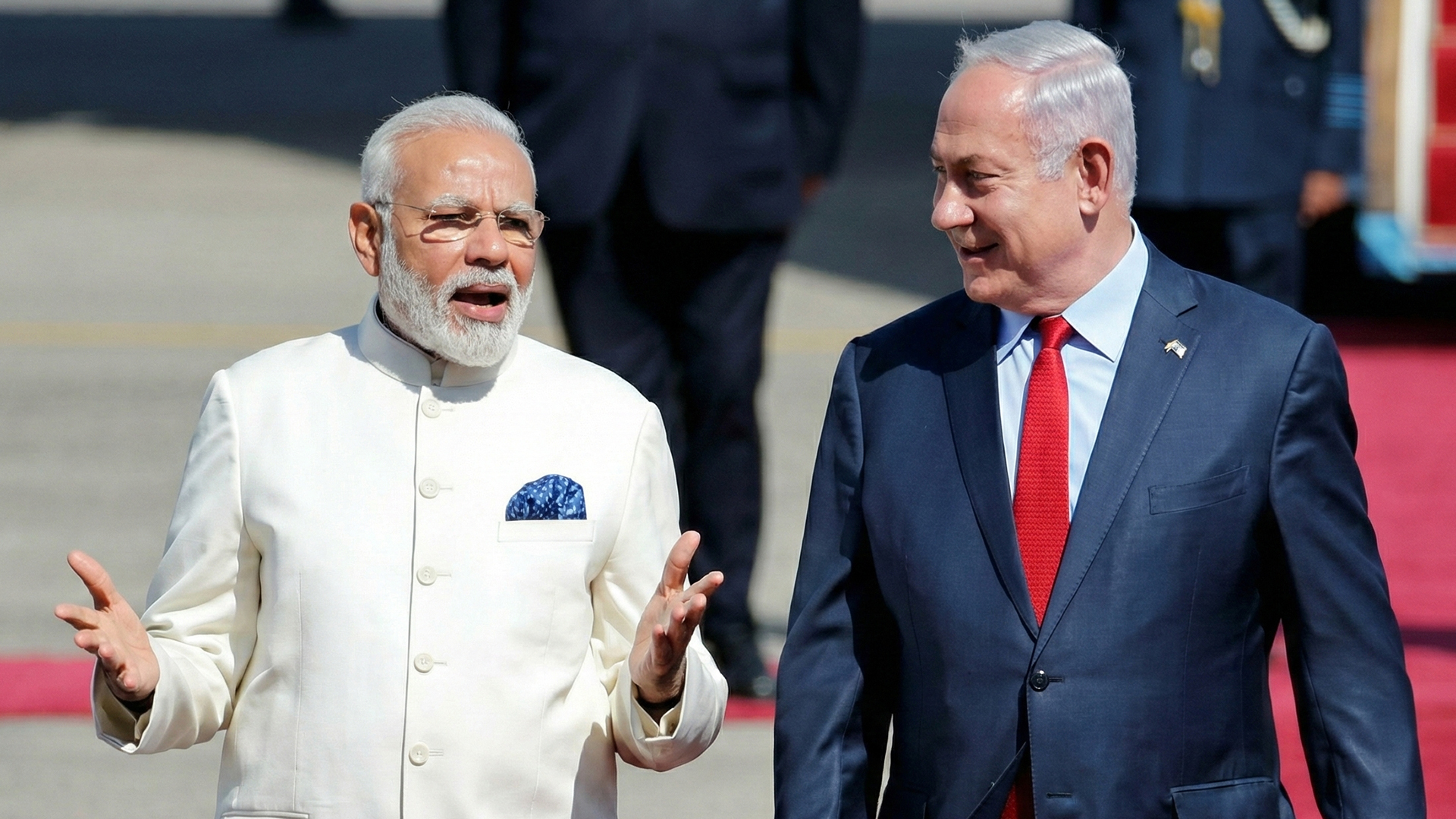
PM Modi plans Israel visit in February
Prime Minister Narendra Modi is likely to travel to Israel in February following an invitation from Prime Minister Benjamin Netanyahu. The visit is expected to strengthen India–Israel cooperation in defence, security, technology and trade, reinforcing long-standing strategic and diplomatic ties.

US Congresswoman Ilhan Omar attacked at event
US Rep. Ilhan Omar was sprayed with an unknown liquid during a Minnesota town hall. She is unharmed. Authorities are investigating the incident as possible assault. Lawmakers and public have strongly condemned the attack.
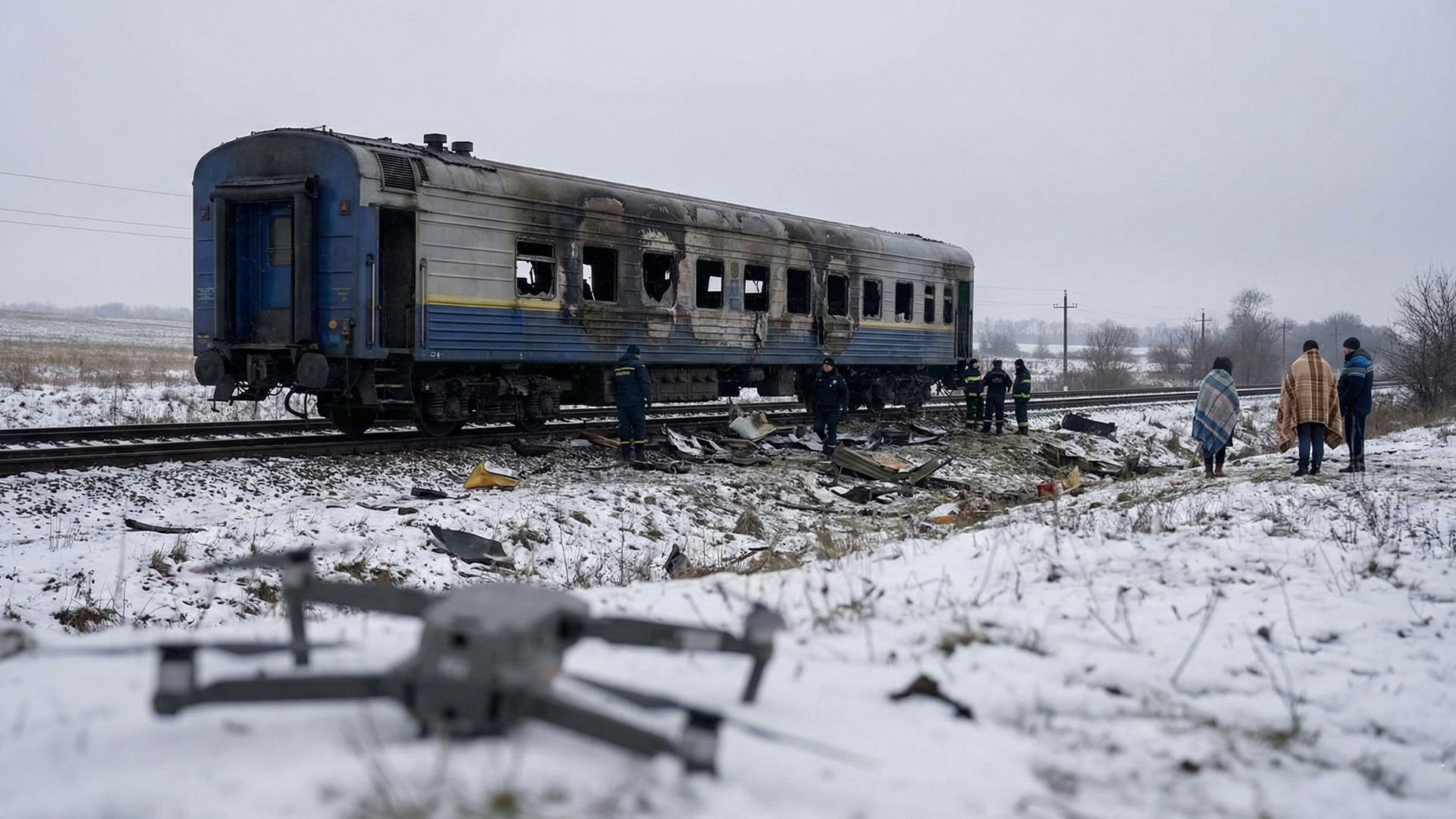
Zelensky urges action upon Russian drone attacks
Russian drone attacks have killed and injured civilians across Ukraine, hitting residential areas and critical infrastructure. President Zelensky condemned the violence and called for urgent international support and swift diplomatic efforts to protect civilians amid ongoing assaults.
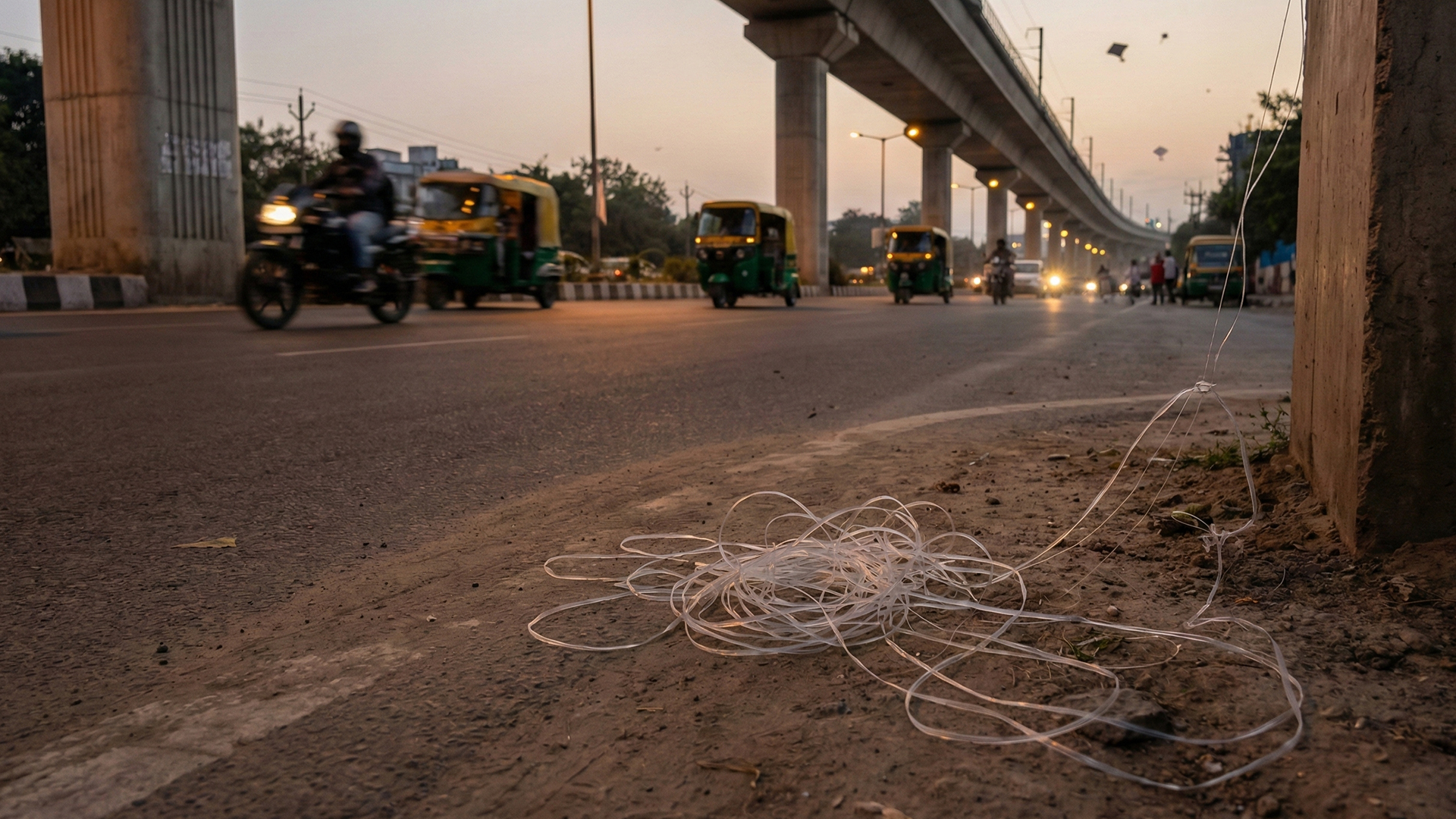
5‑year‑old girl dies in kite string accident
A 5‑year‑old girl in Hyderabad’s Kukatpally died after a banned kite string (Chinese manja) wrapped around her neck while she rode on a motorcycle with her father, causing fatal injuries.

TDP pushes Amaravati law, minors’ social media ban
At an all‑party meeting before Parliament’s Budget Session, the Telugu Desam Party demanded Amaravati be declared India’s permanent capital and suggested banning social media for children under 16 to ensure their safety online.
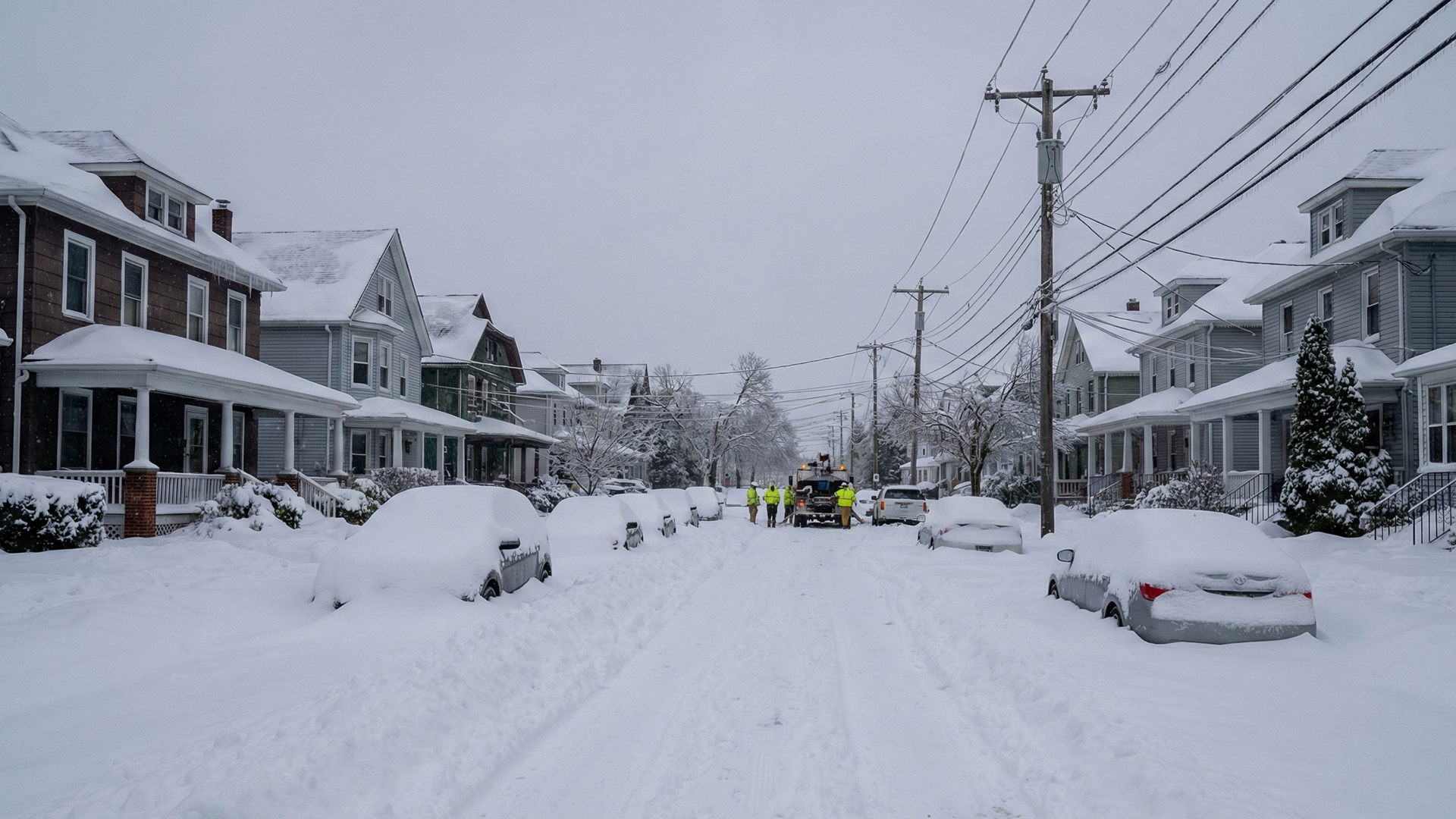
Deadly US snowstorm paralyzes travel and power
A severe winter storm hit the United States, causing multiple deaths, knocking out electricity for hundreds of thousands, and forcing thousands of flight cancellations. Authorities warned of hazardous roads and bitter cold, declaring emergencies in several states.
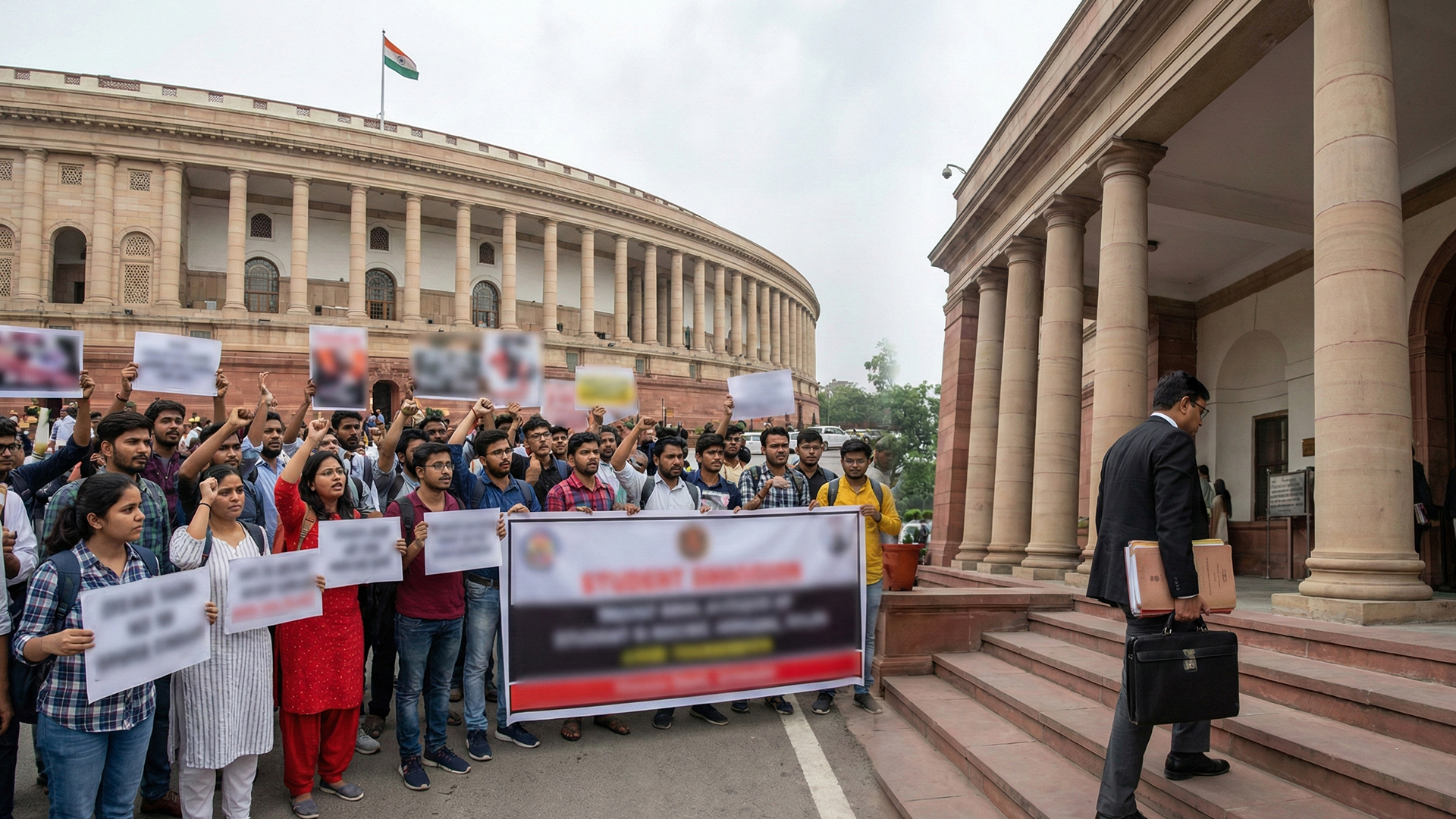
UGC equity regulations trigger protests, SC plea
The UGC’s new equity regulations have triggered protests by students, who say the rules are unfair and confusing. A petition has been filed in the Supreme Court, seeking a stay on implementation, alleging discrimination and poor grievance redressal mechanisms.
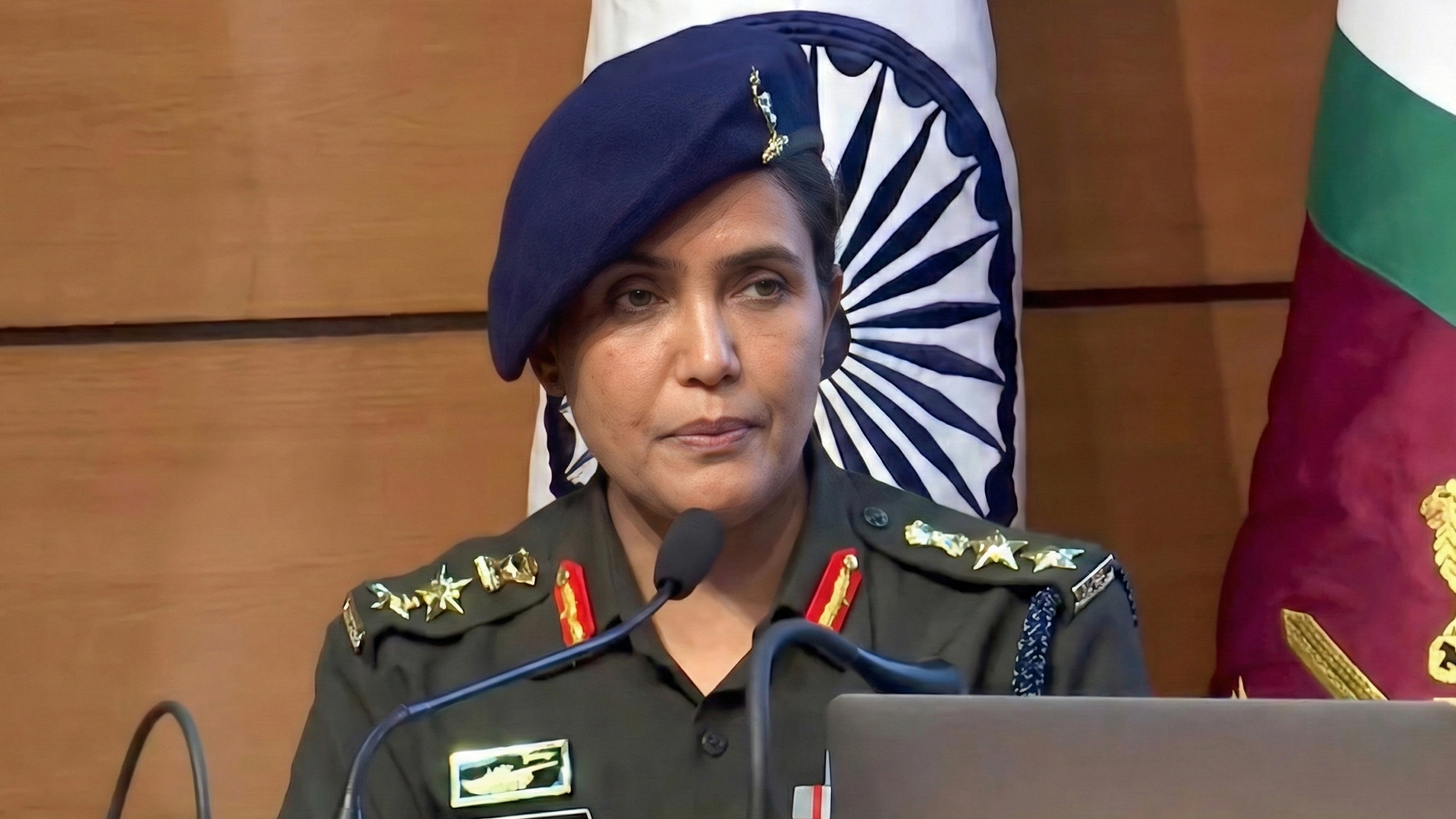
Colonel Qureshi to receive Vishisht Seva medal
Colonel Sofiya Qureshi has been named a recipient of the Vishisht Seva Medal in the 2026 Republic Day honours list. She was recognised for distinguished service, particularly her role briefing on Operation Sindoor after the Pahalgam terror attack.

Private jet with 8 people crashes at Maine
A private Bombardier jet carrying eight people crashed during takeoff at Bangor International Airport, Maine, amid a severe winter storm. Emergency crews responded immediately. The FAA and NTSB have launched investigations, while the airport remains closed.

Ferry with 350 sinks in South Philippines, 15 dead
A passenger ferry carrying more than 350 people sank off the coast of Basilan in the southern Philippines. At least 15 people were killed, while over 300 were rescued. Search operations are ongoing as authorities probe the cause of the accident.
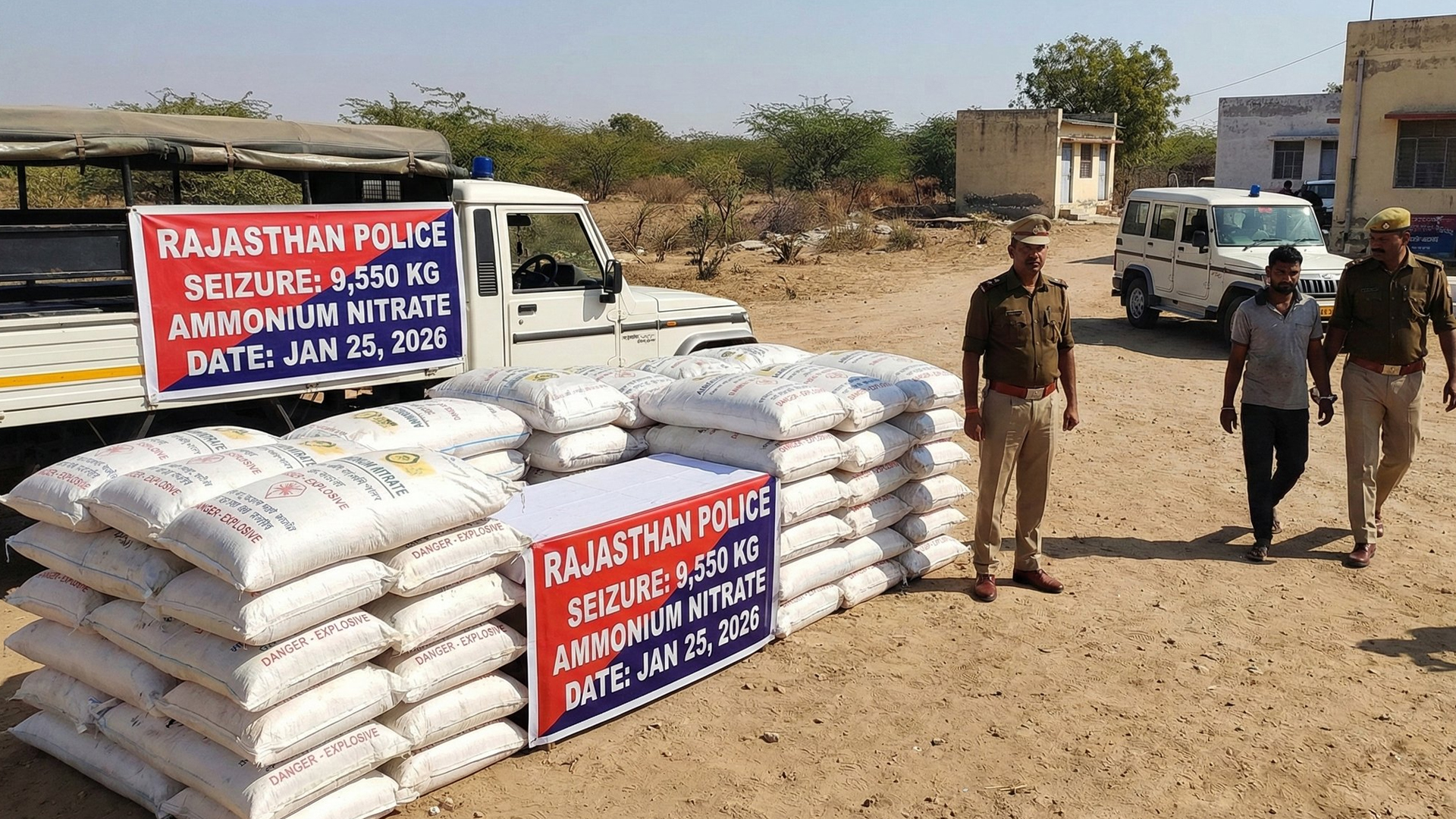
10,000 kg explosives seized in Rajasthan
Ahead of Republic Day, Rajasthan Police seized around 10,000 kg of explosives, detonators, and fuse wires from a farmhouse in Nagaur district. One person was arrested, while security agencies launched a wider probe into the source and intended use.
About This Category
The Format Is the Editorial Argument
The name of this publication is The Summary. This section is where that philosophy is most directly expressed. The Summaries are not abbreviated versions of longer articles. They are complete pieces of journalism — reported, edited, and published at a length that respects both the story and the reader's time. The decision to keep them short is not a constraint. It is a position: that most news can be communicated clearly in 150 words, and that padding it to 600 words rarely improves it.
The editorial discipline required to produce a good summary is different from, and in some ways harder than, writing at length. Every sentence has to do real work. Nothing survives that doesn't belong there.
What Ends Up Here
The range is genuinely broad — and deliberately so. On any given day, The Summaries might carry a Karnataka cabinet resignation, a hospital fire in Bihar, a CBSE policy recommendation, a Kerala toddler death that has triggered public outrage, and a Cockroach Janta Party founder's plans to protest at Jantar Mantar. These are not thematically related stories. They are simply the news, treated with consistent brevity.
That breadth is the point. A reader who follows The Summaries doesn't need to choose a category to monitor. National politics, health research, civic tragedies, civil society, lifestyle news — it all comes through this section at a pace that doesn't require hours of reading to stay current.
The Judgment That Goes Into 150 Words
Selection is where the editorial work happens. Not everything becomes a Summary. Stories make it here when the core fact is clear, the significance is demonstrable, and the full picture can be honestly conveyed at short length without stripping context that the reader actually needs. A story like the Muzaffarpur hospital fire — four lives lost, a state inquiry ordered, families to be compensated — can be told completely in under two minutes. Stretching it doesn't add information; it adds length.
Some stories don't work as summaries because the context is too dense to compress responsibly. Those go elsewhere on the site. The Summaries is not a catchall; it's a format with specific requirements, and not every story meets them.
A Different Kind of Archive
Over time, The Summaries has become a reliable daily record of what happened in India and across the world — told concisely, sourced from official announcements and credible reporting, and published without the delay that often accompanies longer-form analysis. Readers who have followed the section consistently say it functions as a news briefing they can consume in a single sitting. That is more or less exactly what it was designed to do.
Frequently Asked Questions
Q1. What is The Summaries format and how is it different from other sections?
The Summaries are short, complete news pieces — typically under 150 words — covering a single event or development clearly and accurately. Unlike the full-length articles in sections like National, Business, or Health, these are written to be read in under a minute. The format is intentional: the goal is to report the news completely, not briefly for brevity's sake.
Q2. Does The Summaries cover all topics or only specific beats?
All topics. A single scroll through The Summaries on any given day might include political news, health research, a civic disaster, an education policy decision, and a human interest story. The connective thread is the format, not the subject. Readers who want to stay across multiple beats without tracking several sections will find everything here.
Q3. Are The Summaries just shortened versions of longer articles on the site?
No. They are standalone pieces written specifically for this format. Occasionally, a major developing story will have both a full article and a Summary — but they are written separately, for different purposes. The Summary version is complete on its own terms, not a teaser or a preview of something longer.
Q4. How does The Summary decide what becomes a Summary versus a full article?
If a story can be told accurately and completely at short length without stripping essential context, it's a candidate for The Summaries. If the background, timeline, or stakeholder complexity genuinely requires more room, it gets a full article. The test is whether the reader comes away informed — not whether the piece meets a word count.
Q5. How often is The Summaries section updated?
Throughout the day as news develops. There is no fixed publishing schedule — stories are published when they are ready. Readers who check in once or twice daily will typically find several new pieces each visit. The pace reflects the news cycle, not a content calendar.
Q6. Is The Summaries a good starting point for readers new to the site?
It is probably the most efficient way to understand the full scope of what The Summary covers. Because the section spans every beat — politics, business, health, lifestyle, science, national, world news — a few minutes in The Summaries gives a reader a clearer picture of the publication's range than browsing any single category section would.