
The Summaries
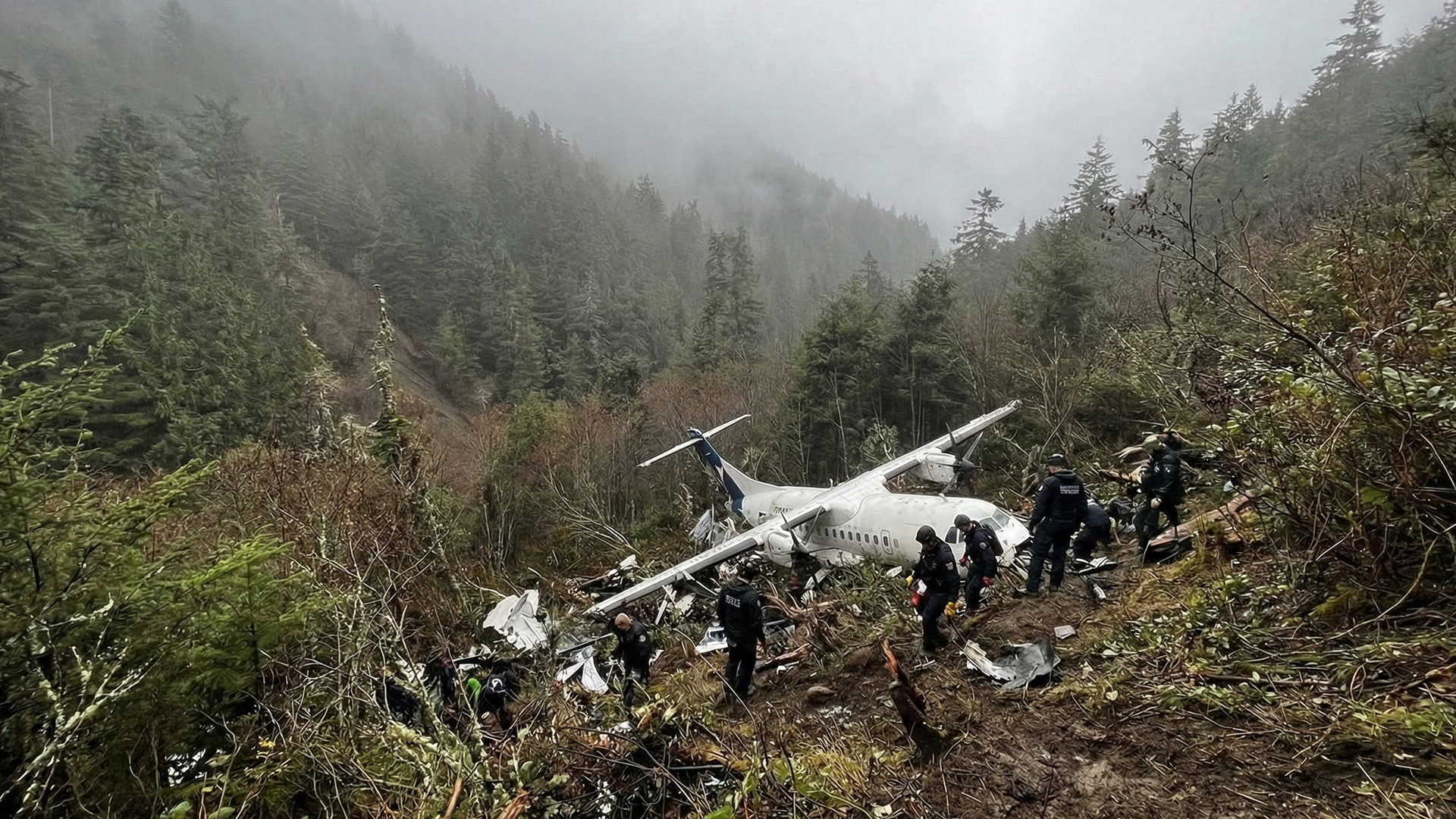
Indonesian plane wreck found, 11 onboard
The wreckage of a missing Indonesian surveillance plane was found on Mount Bulusaraung, South Sulawesi. One body has been recovered. The aircraft carried 11 people. Rescue teams continue the search amid difficult mountain terrain and poor weather.
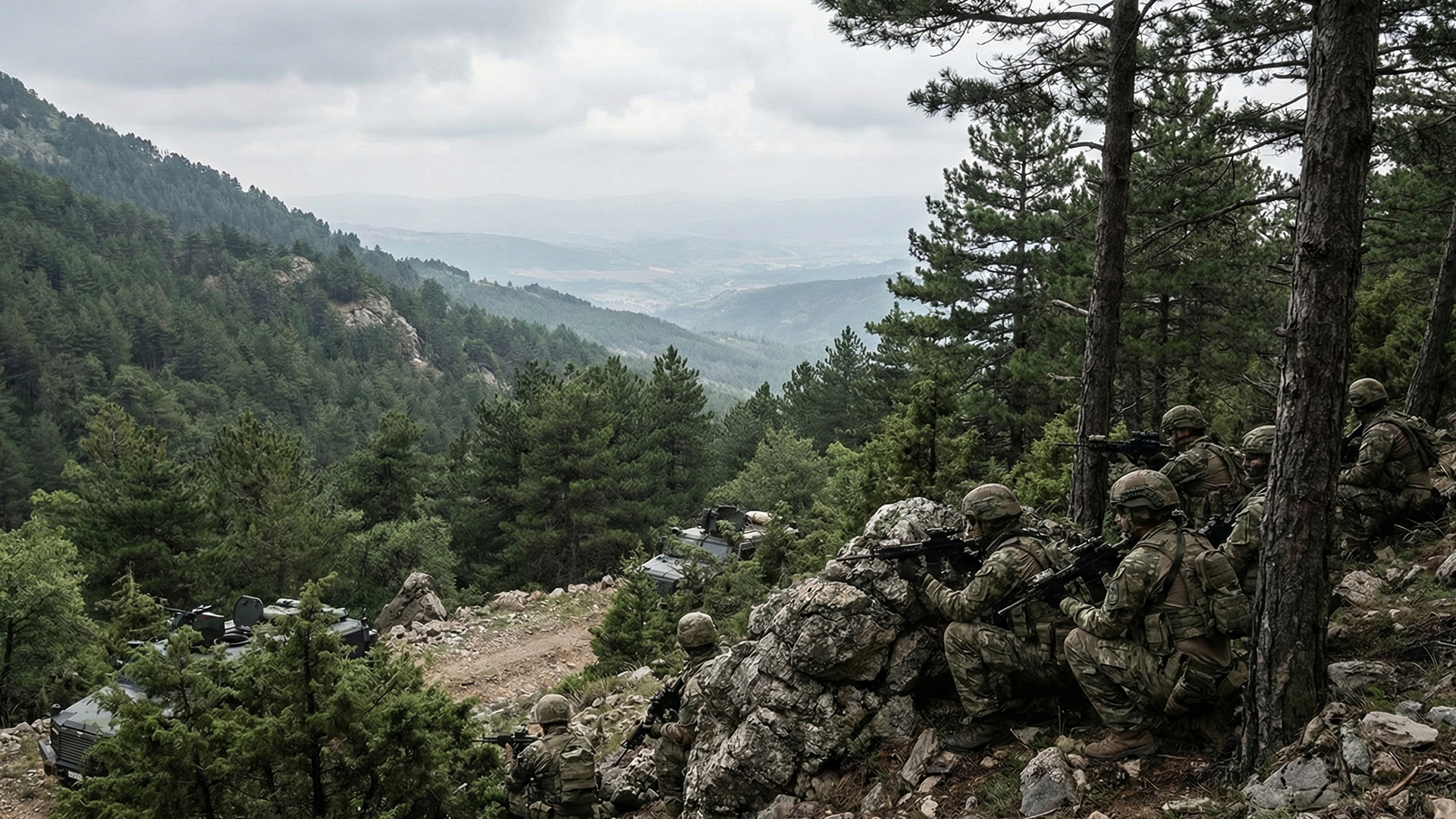
7 soldiers hurt in J&K gunfight with terrorists
Seven Indian Army soldiers were injured when terrorists opened fire during a joint search operation in Kishtwar’s Chatroo area, Jammu and Kashmir. The troops retaliated and evacuated the injured to hospital as the operation continues.

Russian man arrested for killing 2 women in Goa
Goa police arrested Aleksei Leonov after two Russian women were found murdered in Morjim and Arambol. Both victims, including his live-in partner, had their throats slit. Authorities are investigating the motive and collecting evidence.
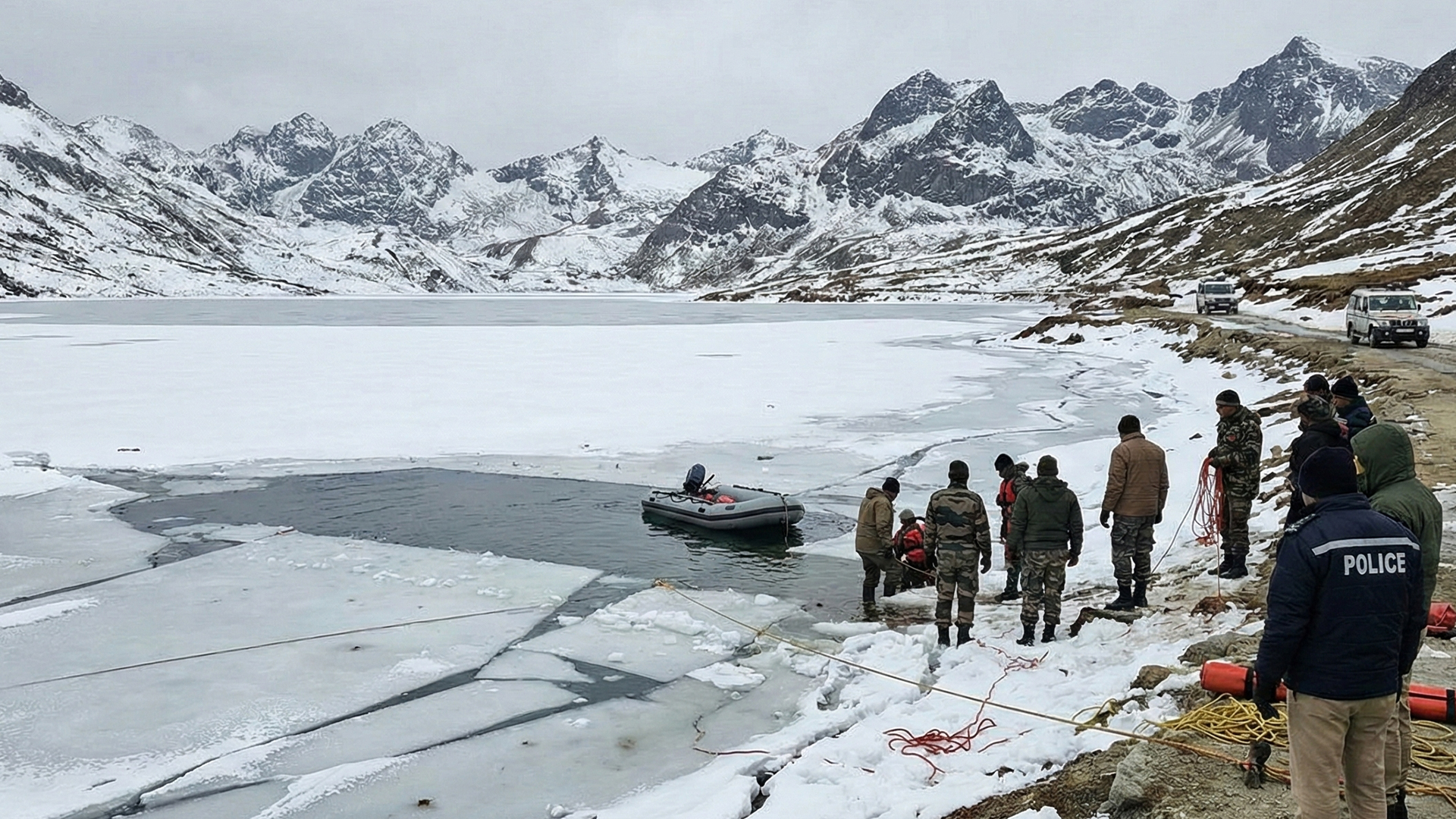
Tourist dies slipping into frozen Sela lake
A tourist died and another went missing after slipping into the frozen Sela Lake near Tawang in Arunachal Pradesh. The victims were part of a group from Kerala. Rescue operations were halted due to extreme cold and poor visibility.
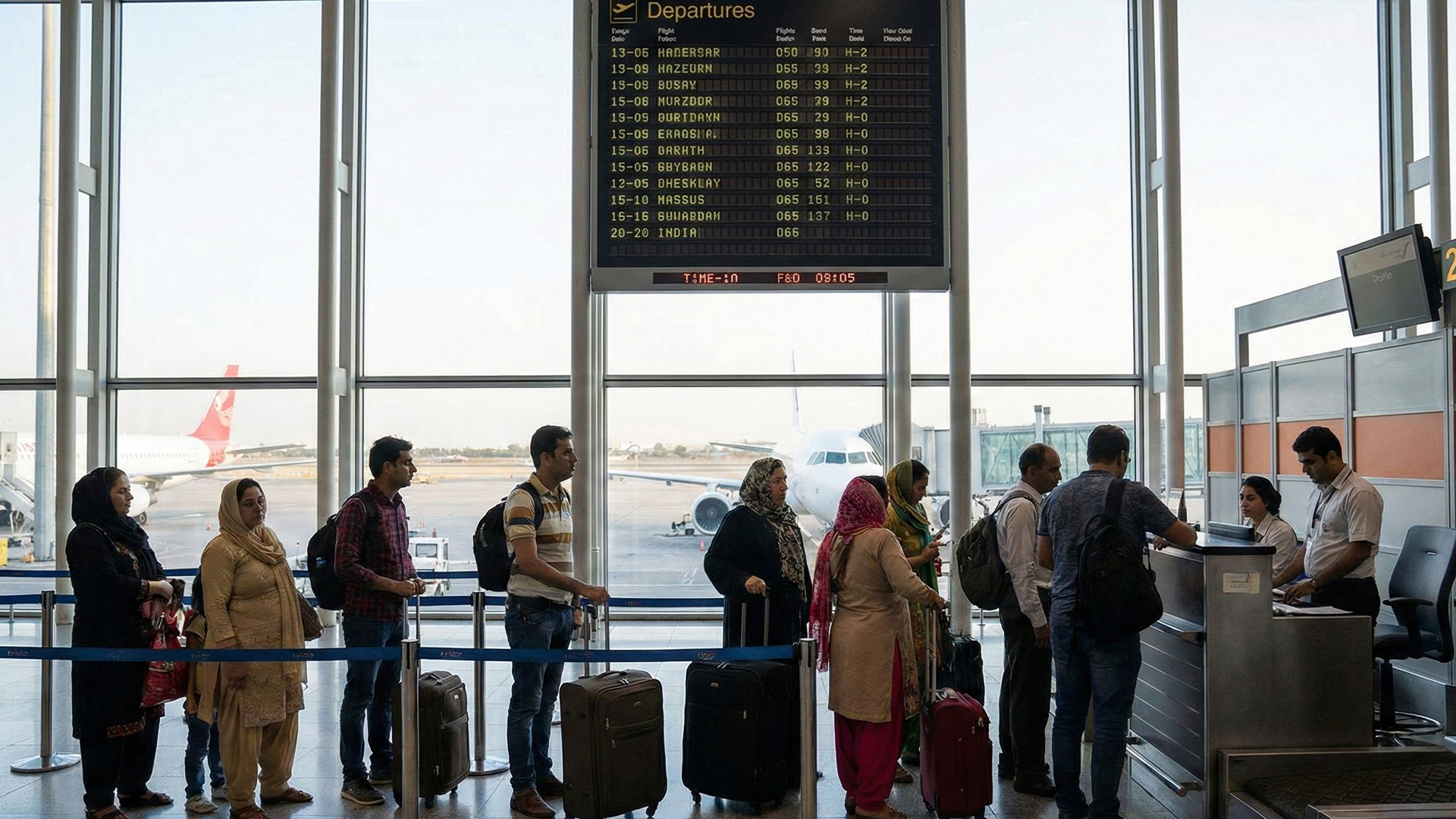
India pauses evacuation as Iran unrest subsides
India has put the evacuation of its citizens from Iran on hold as protests ease. The embassy is in contact with students and nationals, advising caution while keeping evacuation plans ready if the situation worsens.
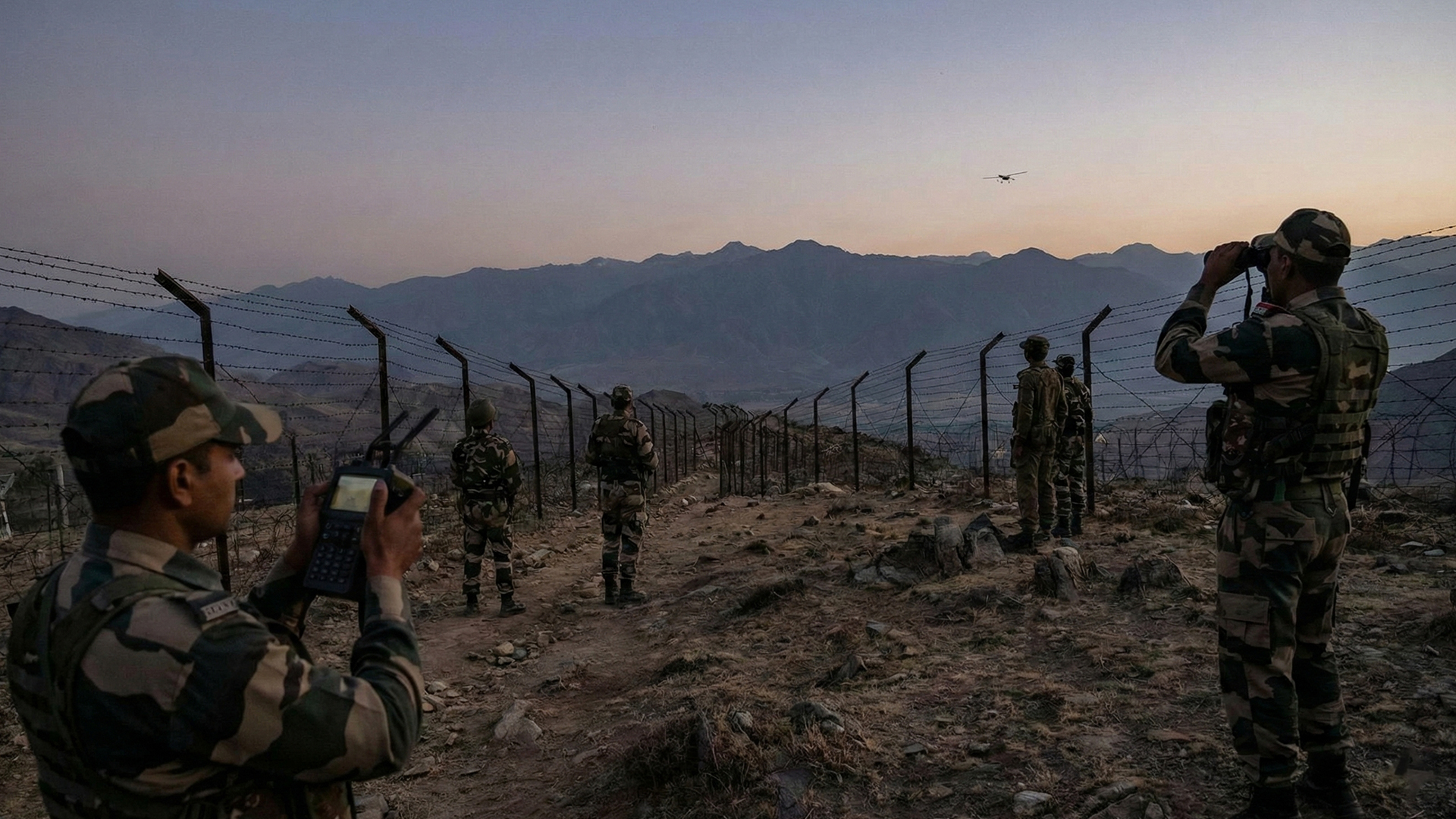
Drones intrude in Jammu and Kashmir again
Pakistani drones were spotted in Jammu and Poonch sectors for the third time in five days, prompting the Indian Army to fire and activate counter‑UAS measures. These drones are often used for surveillance near the Line of Control.
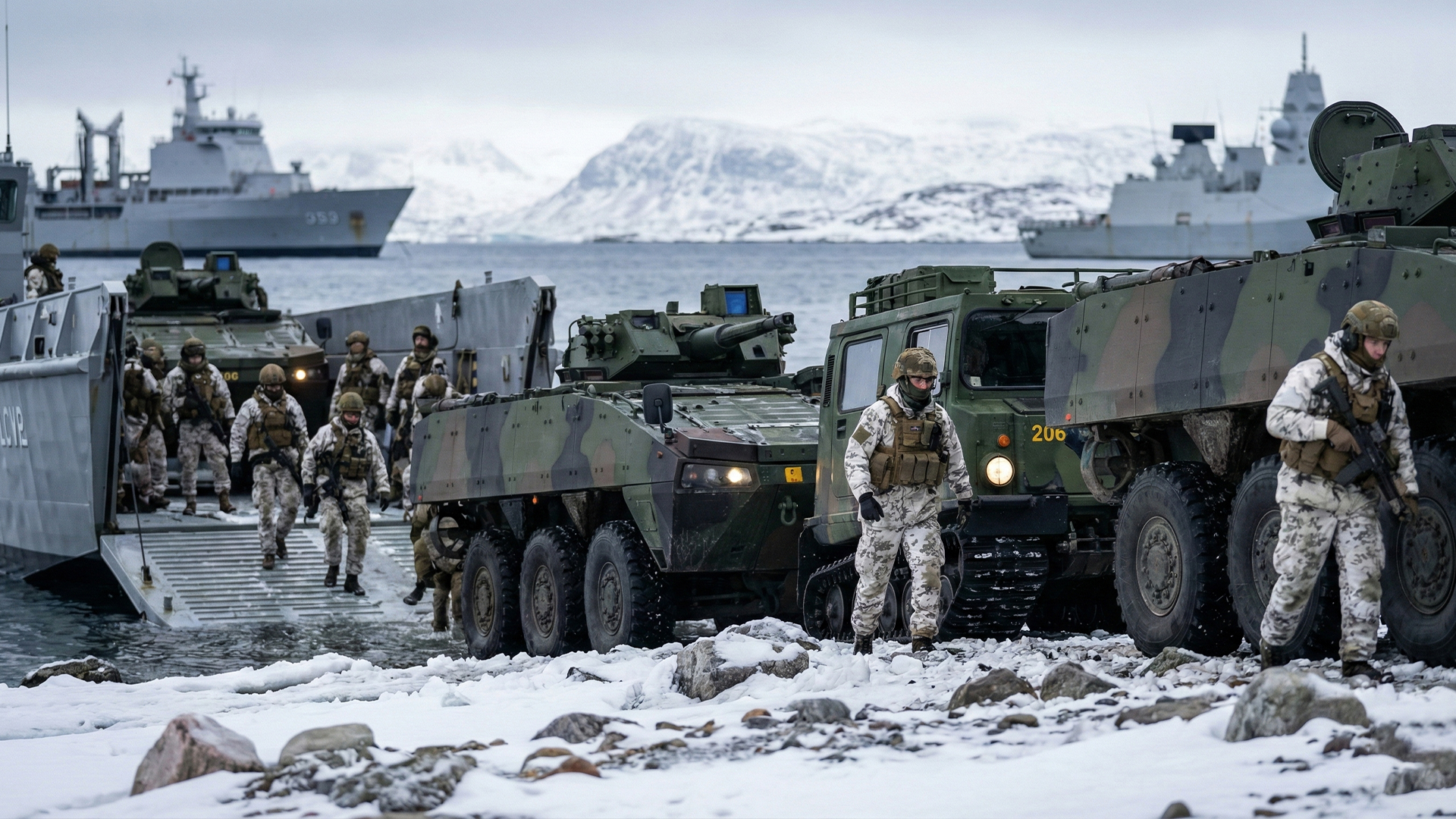
European troops arrive in Greenland
European forces, including troops from France, Germany, the UK, Norway, and Sweden, have landed in Greenland to support Denmark. Their arrival comes after tensions with the U.S., following President Trump’s controversial proposal to buy the Arctic island.
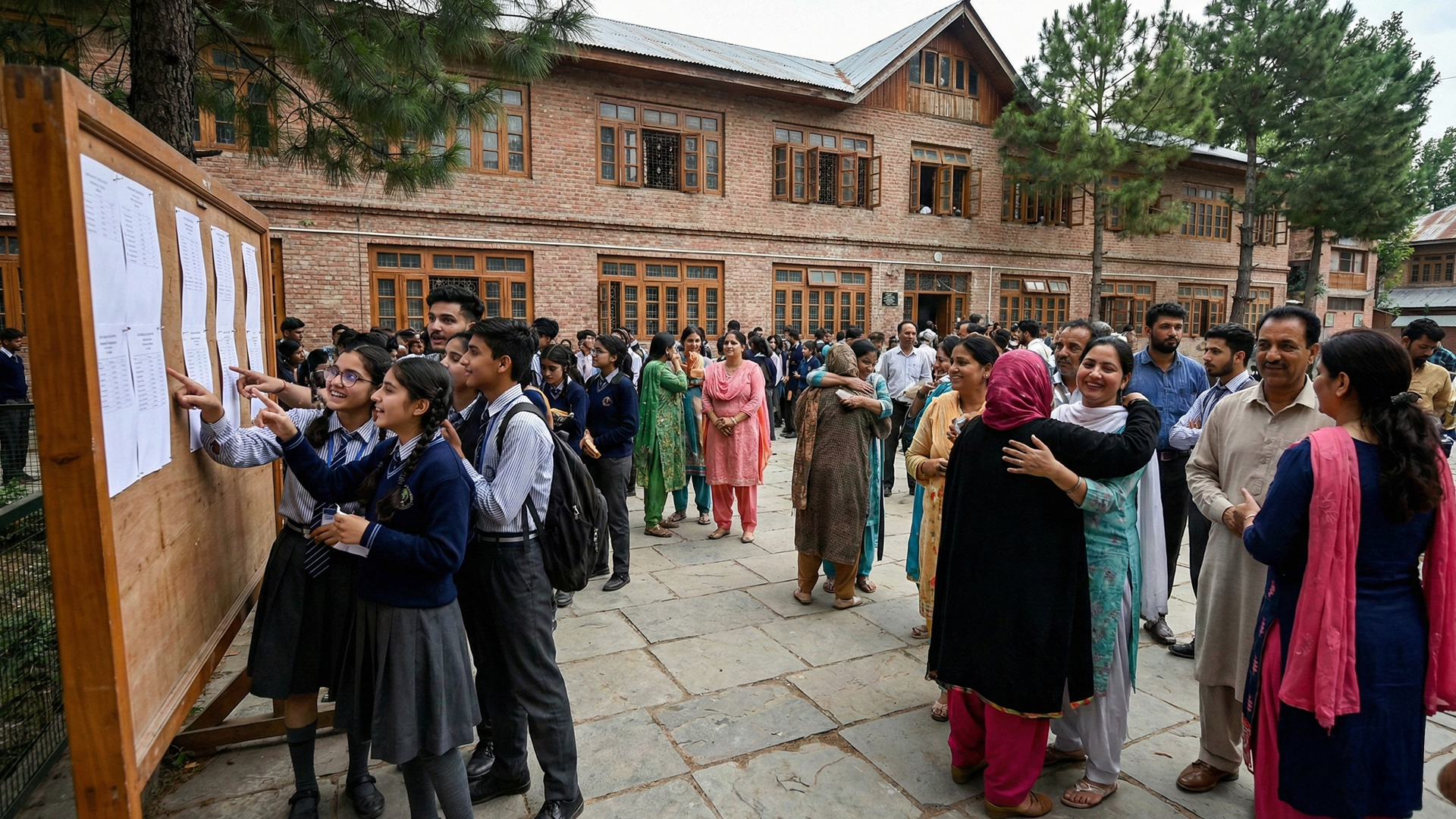
Jammu and Kashmir board Class 10 results declared
The Jammu and Kashmir Board of School Education(JKBOSE) has announced the Class 10 results, recording an overall pass percentage of 84 per cent. The results of the October–November examination are available on the official JKBOSE website for students to download.
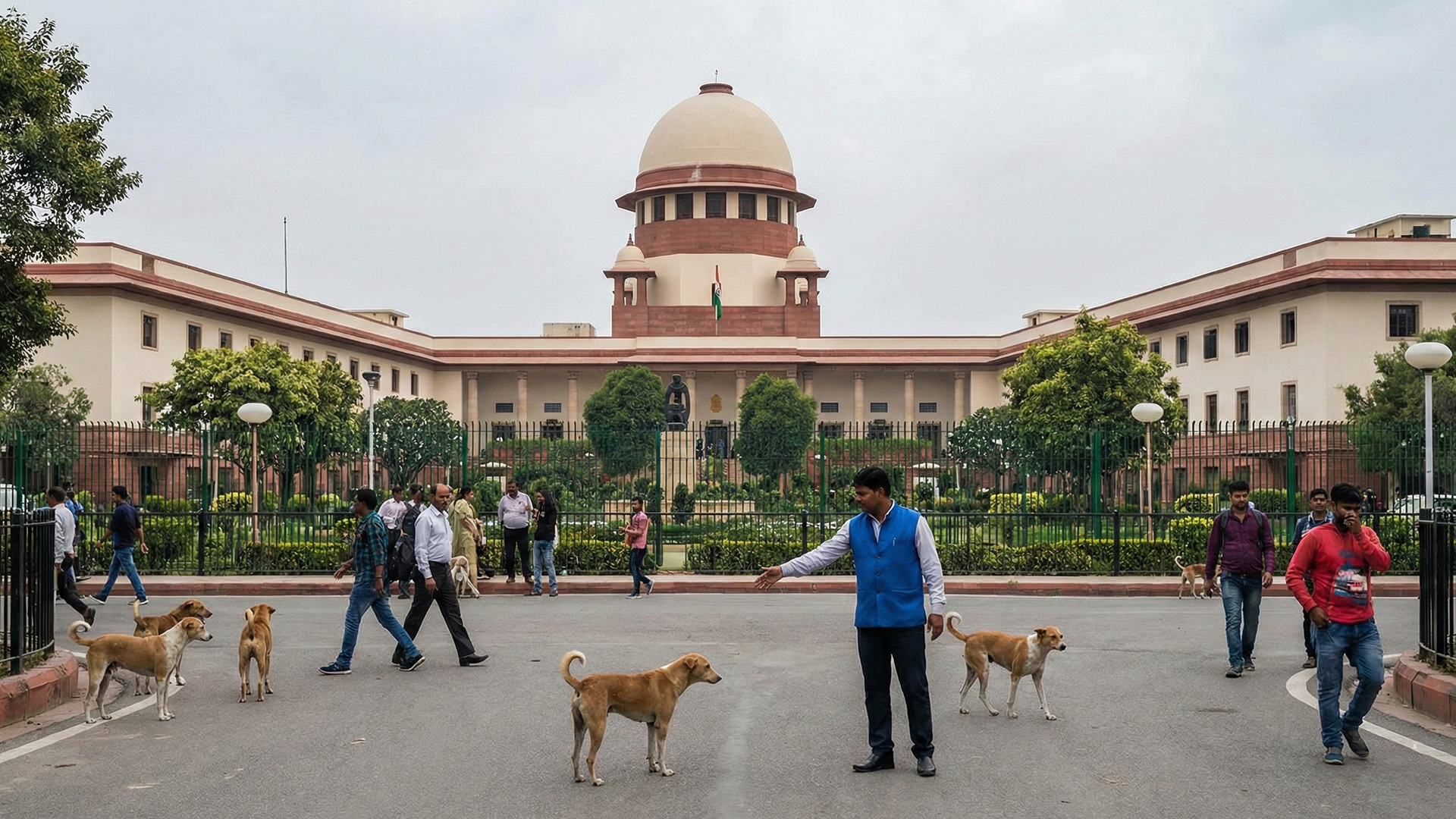
Supreme Court warns on stray dog bite compensation
The Supreme Court flagged rising stray dog attacks, warning states may face heavy compensation for bites or deaths. It also suggested holding dog feeders accountable, urging authorities to implement stronger measures to protect public safety and prevent such incidents.

Quick-commerce drops 10-minute delivery
Quick-commerce firms including Blinkit and Zepto have removed “10-minute delivery” claims after concerns were raised about gig worker safety and pressure. The move follows government intervention and aims to ensure safer working conditions and more realistic delivery timelines.
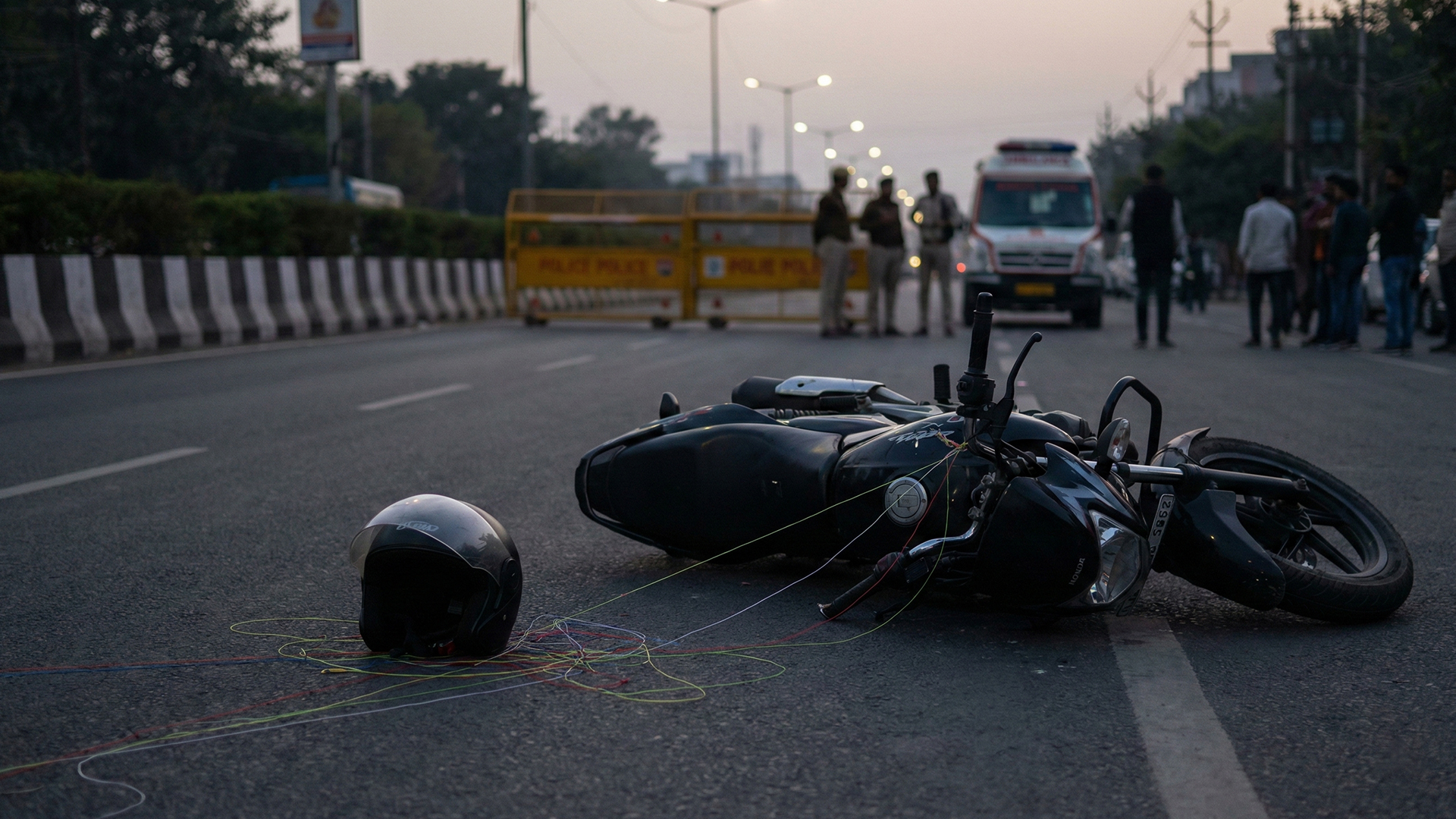
Chinese manja kills Indore rider
A motorcyclist in Indore died after his throat was slashed by banned Chinese manja. Police seized large quantities of the string as another rider was critically injured. Authorities warned residents to stay cautious during Makar Sankranti kite flying.
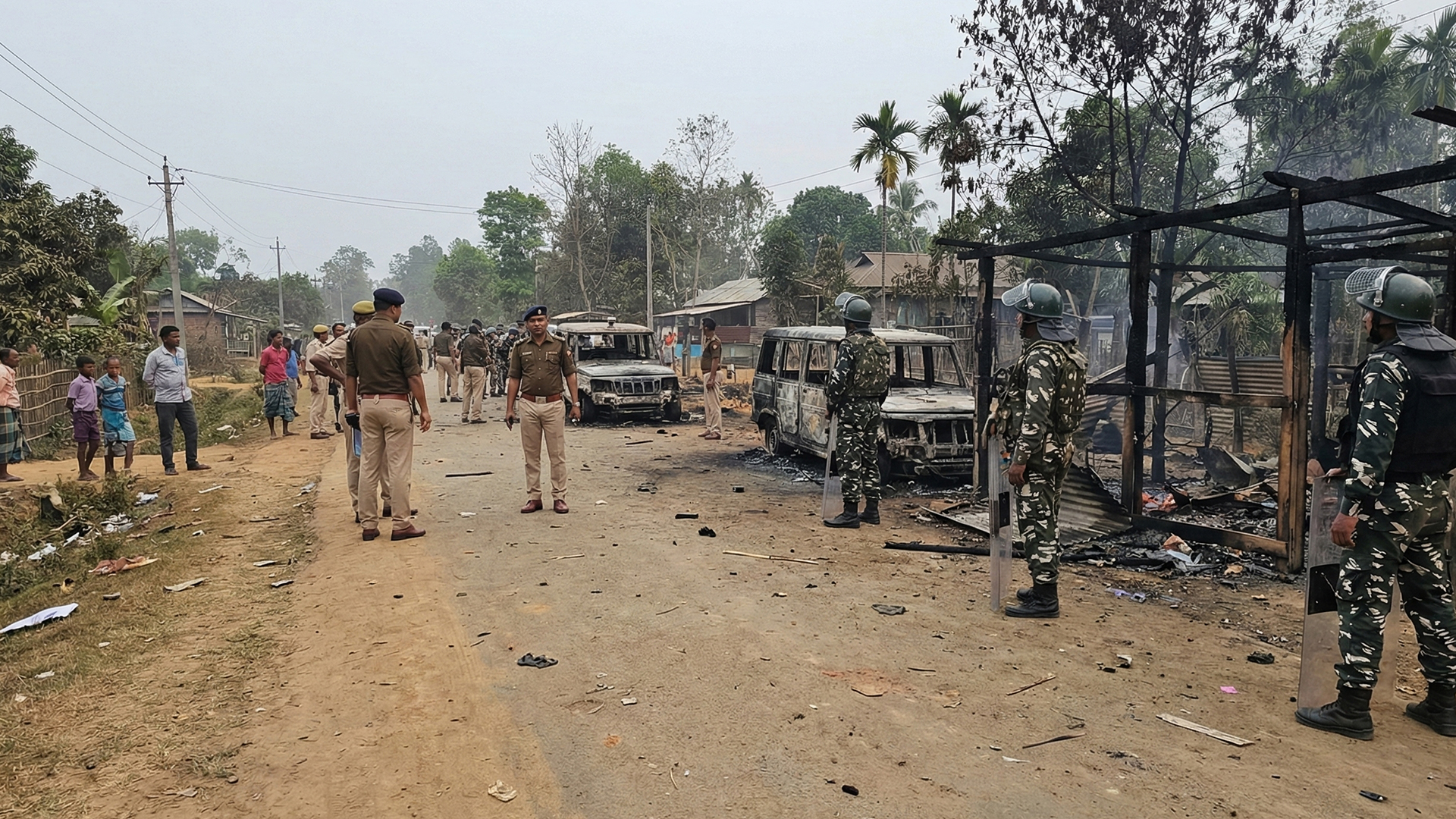
10 arrested on Tripura’s Unakoti communal clashes
Ten people were arrested after communal clashes in Saidarpar, Unakoti district over temple donation disputes on January 10. Four police and six civilians were injured. Internet services remain suspended and prohibitory orders continue while security forces patrol sensitive areas.
About This Category
The Format Is the Editorial Argument
The name of this publication is The Summary. This section is where that philosophy is most directly expressed. The Summaries are not abbreviated versions of longer articles. They are complete pieces of journalism — reported, edited, and published at a length that respects both the story and the reader's time. The decision to keep them short is not a constraint. It is a position: that most news can be communicated clearly in 150 words, and that padding it to 600 words rarely improves it.
The editorial discipline required to produce a good summary is different from, and in some ways harder than, writing at length. Every sentence has to do real work. Nothing survives that doesn't belong there.
What Ends Up Here
The range is genuinely broad — and deliberately so. On any given day, The Summaries might carry a Karnataka cabinet resignation, a hospital fire in Bihar, a CBSE policy recommendation, a Kerala toddler death that has triggered public outrage, and a Cockroach Janta Party founder's plans to protest at Jantar Mantar. These are not thematically related stories. They are simply the news, treated with consistent brevity.
That breadth is the point. A reader who follows The Summaries doesn't need to choose a category to monitor. National politics, health research, civic tragedies, civil society, lifestyle news — it all comes through this section at a pace that doesn't require hours of reading to stay current.
The Judgment That Goes Into 150 Words
Selection is where the editorial work happens. Not everything becomes a Summary. Stories make it here when the core fact is clear, the significance is demonstrable, and the full picture can be honestly conveyed at short length without stripping context that the reader actually needs. A story like the Muzaffarpur hospital fire — four lives lost, a state inquiry ordered, families to be compensated — can be told completely in under two minutes. Stretching it doesn't add information; it adds length.
Some stories don't work as summaries because the context is too dense to compress responsibly. Those go elsewhere on the site. The Summaries is not a catchall; it's a format with specific requirements, and not every story meets them.
A Different Kind of Archive
Over time, The Summaries has become a reliable daily record of what happened in India and across the world — told concisely, sourced from official announcements and credible reporting, and published without the delay that often accompanies longer-form analysis. Readers who have followed the section consistently say it functions as a news briefing they can consume in a single sitting. That is more or less exactly what it was designed to do.
Frequently Asked Questions
Q1. What is The Summaries format and how is it different from other sections?
The Summaries are short, complete news pieces — typically under 150 words — covering a single event or development clearly and accurately. Unlike the full-length articles in sections like National, Business, or Health, these are written to be read in under a minute. The format is intentional: the goal is to report the news completely, not briefly for brevity's sake.
Q2. Does The Summaries cover all topics or only specific beats?
All topics. A single scroll through The Summaries on any given day might include political news, health research, a civic disaster, an education policy decision, and a human interest story. The connective thread is the format, not the subject. Readers who want to stay across multiple beats without tracking several sections will find everything here.
Q3. Are The Summaries just shortened versions of longer articles on the site?
No. They are standalone pieces written specifically for this format. Occasionally, a major developing story will have both a full article and a Summary — but they are written separately, for different purposes. The Summary version is complete on its own terms, not a teaser or a preview of something longer.
Q4. How does The Summary decide what becomes a Summary versus a full article?
If a story can be told accurately and completely at short length without stripping essential context, it's a candidate for The Summaries. If the background, timeline, or stakeholder complexity genuinely requires more room, it gets a full article. The test is whether the reader comes away informed — not whether the piece meets a word count.
Q5. How often is The Summaries section updated?
Throughout the day as news develops. There is no fixed publishing schedule — stories are published when they are ready. Readers who check in once or twice daily will typically find several new pieces each visit. The pace reflects the news cycle, not a content calendar.
Q6. Is The Summaries a good starting point for readers new to the site?
It is probably the most efficient way to understand the full scope of what The Summary covers. Because the section spans every beat — politics, business, health, lifestyle, science, national, world news — a few minutes in The Summaries gives a reader a clearer picture of the publication's range than browsing any single category section would.