
The Summaries
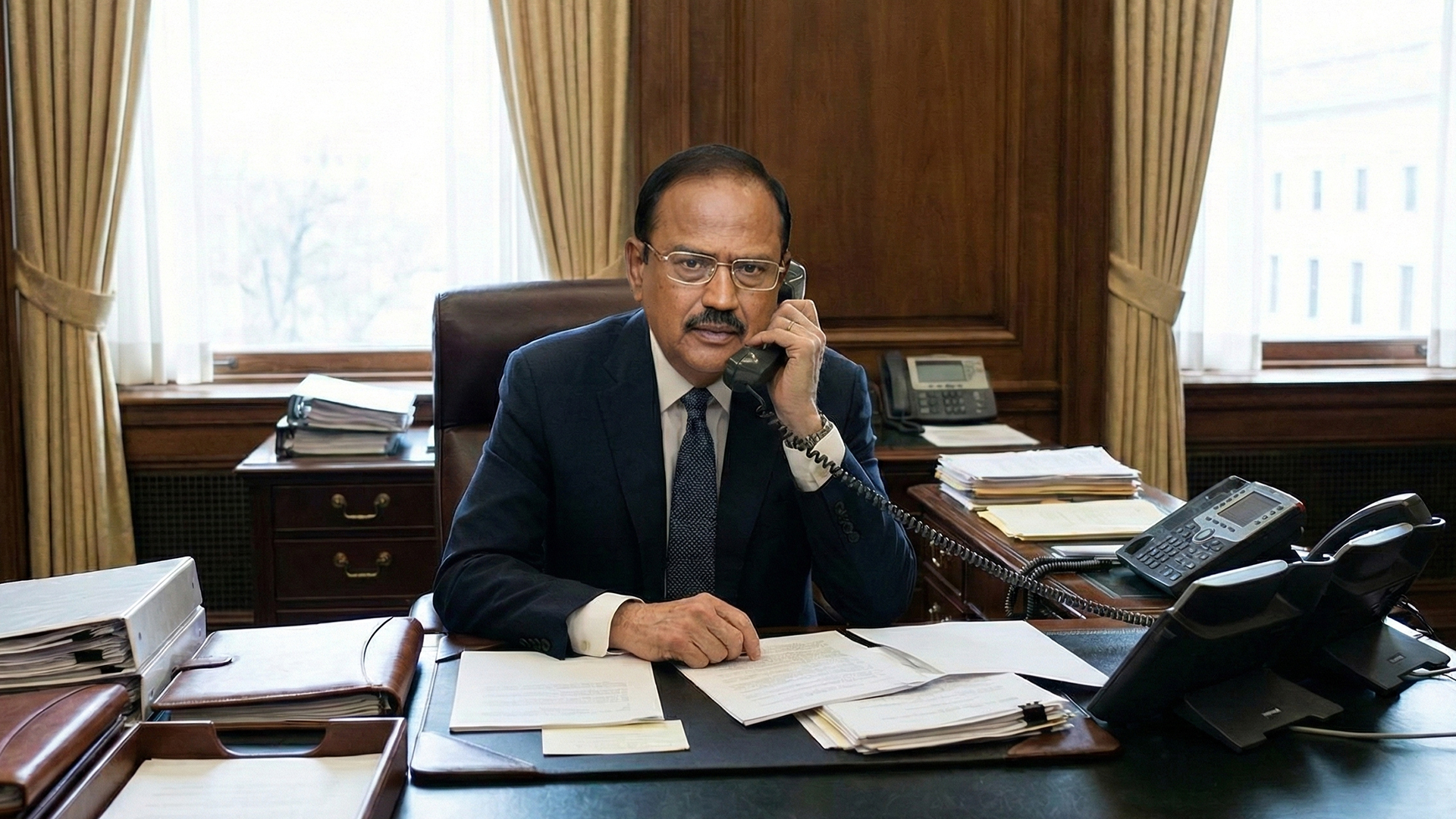
NSA Ajit Doval avoids phones, internet for work
National Security Advisor Ajit Doval says he rarely uses mobile phones or the internet for official work, relying on other secure methods to maintain confidentiality and operational safety in sensitive national security matters.
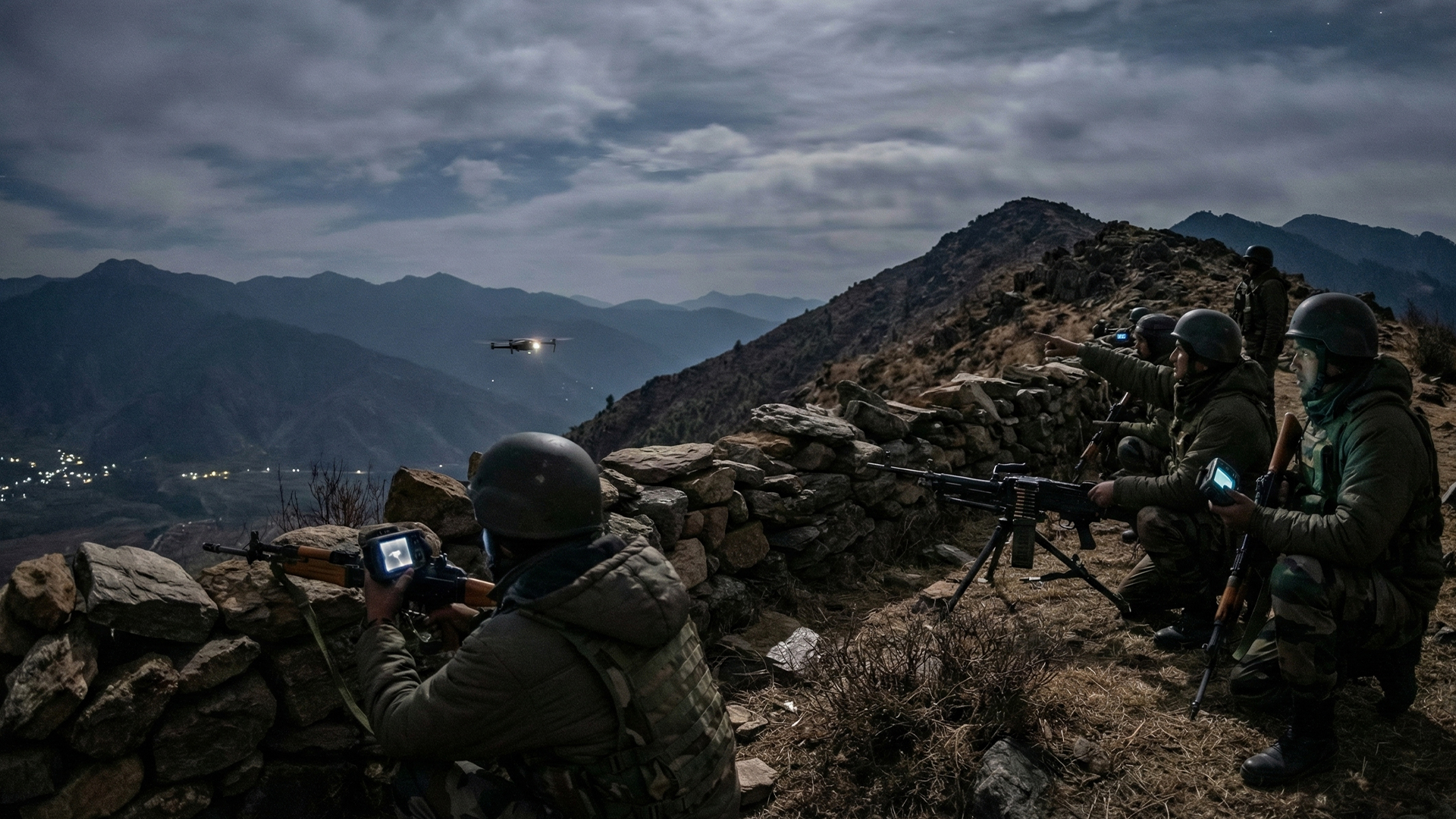
Drone attempts detected near LoC in J&K
Multiple drone intrusion attempts were reported near the Line of Control in Jammu and Kashmir’s (J&K) Nowshera sector. The Indian Army fired at the drones, and search operations are underway for any dropped arms or contraband. No injuries reported.
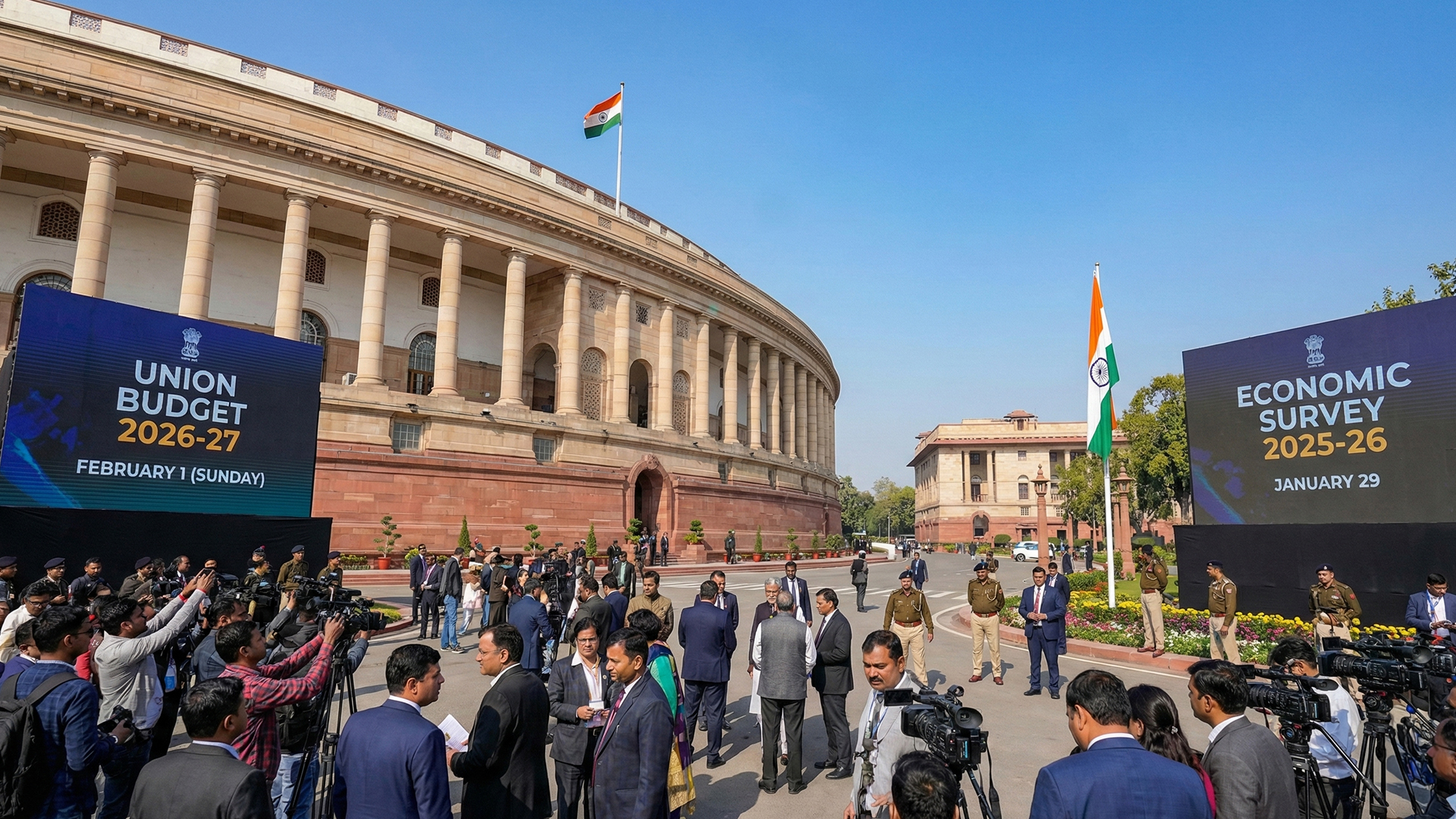
Union Budget on Feb 1, Economic Survey on Jan 29
The Union Budget 2026–27 will be presented in Parliament on Sunday, February 1. The Economic Survey will be tabled on January 29. The Budget session of Parliament will begin on January 28 and continue until April 2.

Venezuela frees key political prisoners
Venezuela has released several political prisoners, including opposition leaders, following U.S. pressure. The action, supported by Trump‑approved interim authorities, aims to reduce domestic and international tensions, though many political detainees remain behind bars as negotiations continue.
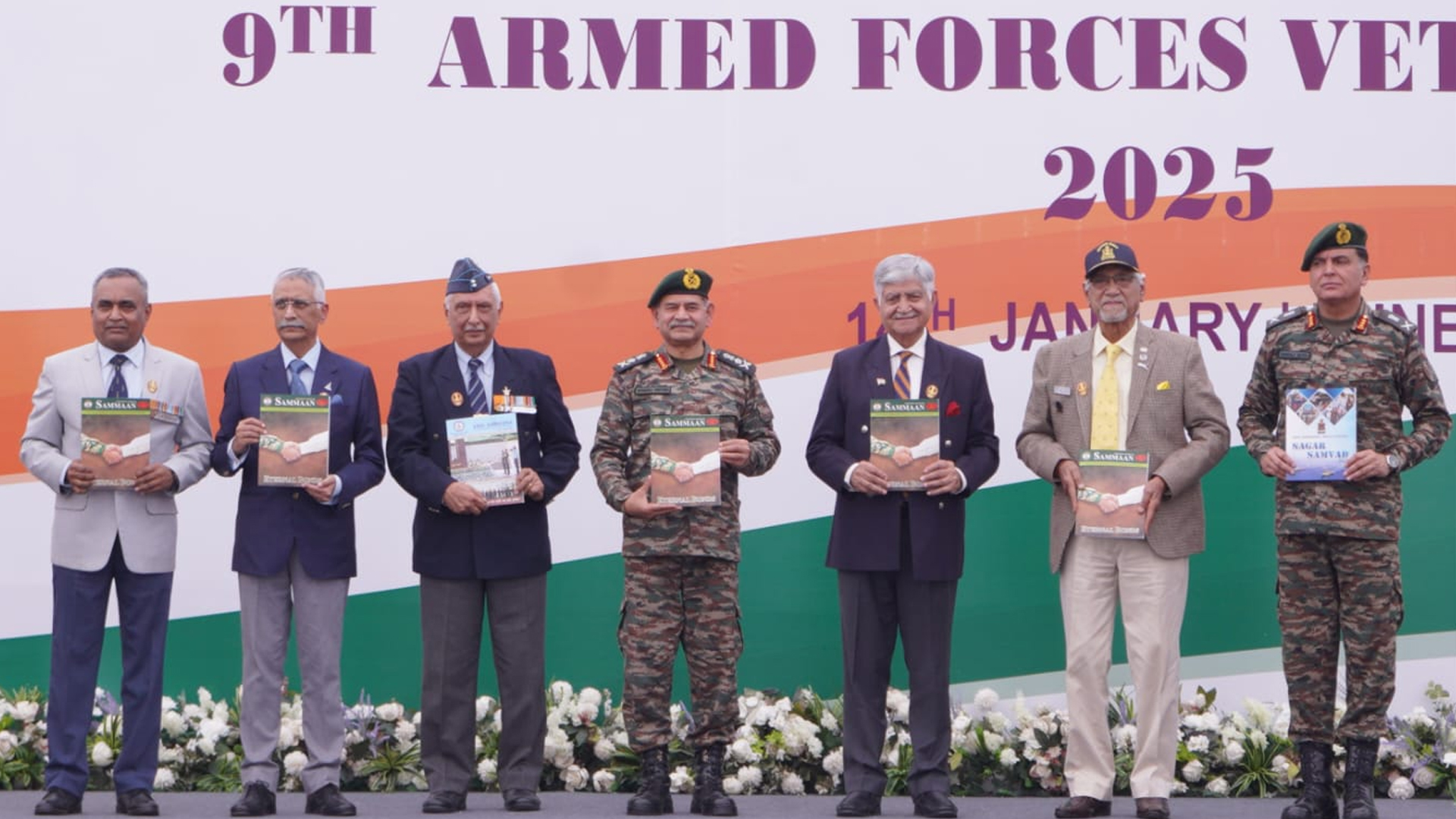
53rd Delhi World Book Fair honours armed forces
The 53rd Delhi World Book Fair began at Bharat Mandapam on January 10, offering free entry. The event, themed “Indian Military History: Valour and Wisdom @75,” honors the armed forces, featuring over 1,000 publishers from 35+ countries.
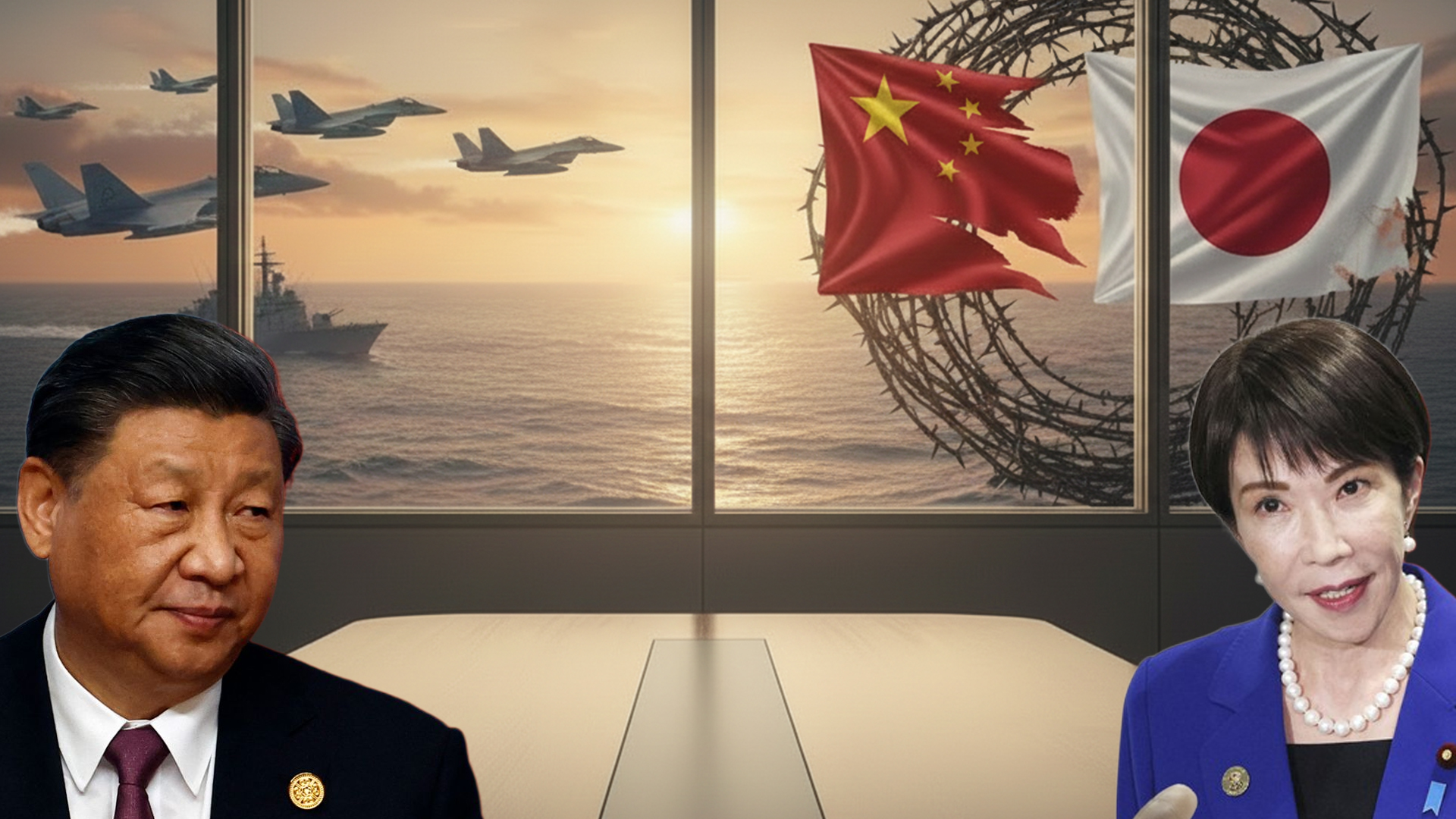
China curbs dual use exports to Japan
China has restricted exports of dual-use goods to Japan after fresh diplomatic tensions over Taiwan. Beijing said the curbs protect national security, while Japan criticised the move, warning it could hurt trade ties and further strain bilateral relations.
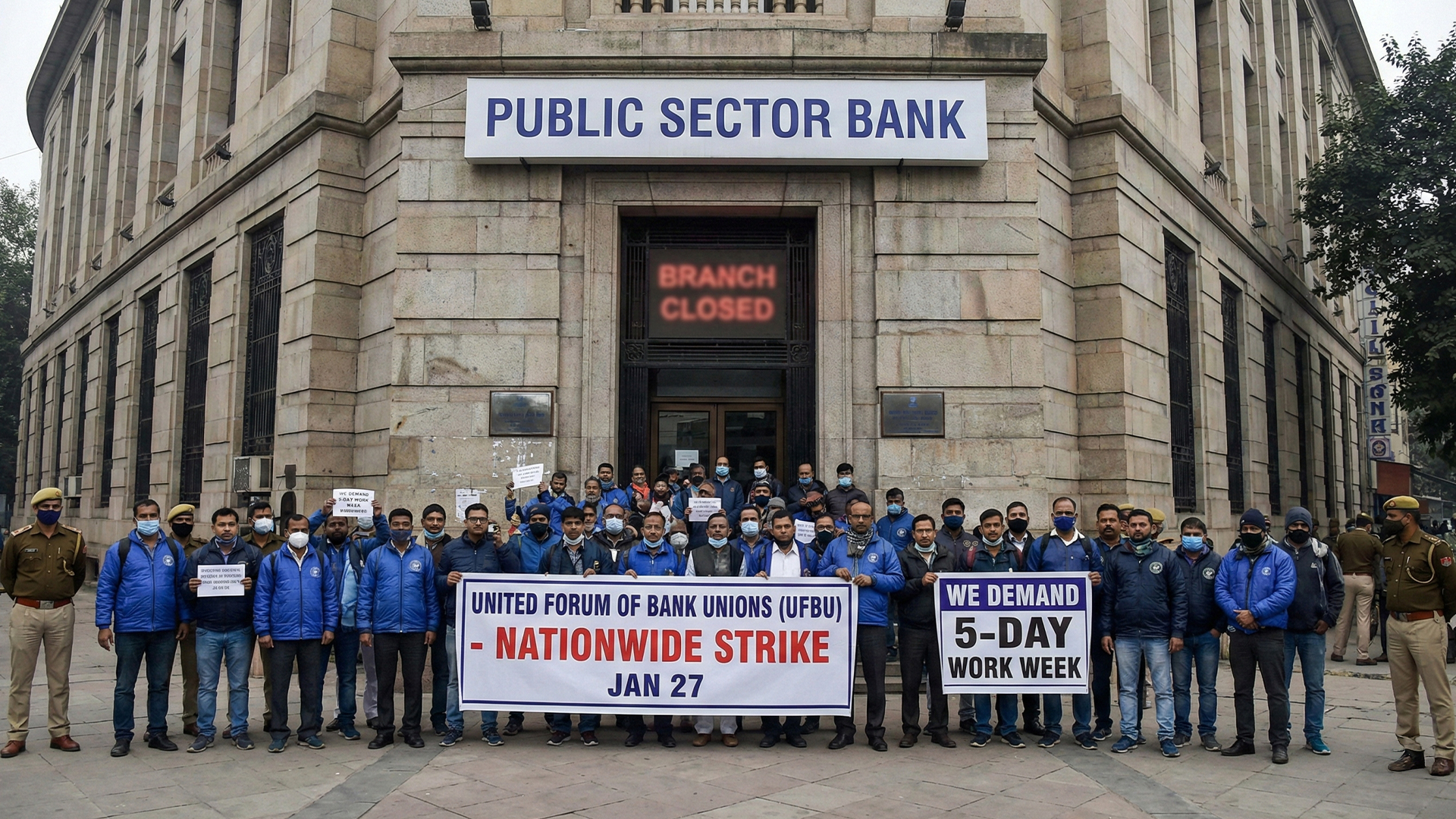
Bank unions strike set for January 27
Bank unions under UFBU have threat-ened a nationwide strike on January 27 to demand a five-day work week. Public sector bank branches may face disruptions, while ATMs and digital services are expected to operate with minimal impact.

HC seeks CBI reply in Lalu’s IRCTC case
The Delhi High Court has issued notice to the CBI on RJD chief Lalu Prasad Yadav’s plea challenging the framing of charges in the IRCTC scam case. The court refused to stay the trial and posted the matter for January 14.

India advises caution to ctizens in Iran
India’s Ministry of External Affairs has advised its citizens in Iran to stay alert, avoid protest areas, and exercise caution amid unrest. Non-essential travel to Iran is discouraged, and Indians are urged to register with the Indian Embassy for safety updates.

DGCA bans in-flight power bank use
The DGCA has banned using power banks to charge devices on flights due to fire risks from lithium-ion batteries. Passengers may carry them only in hand luggage, and airlines must inform travelers of the new in-flight safety rules.

Amit Shah ramps up BJP campaign in Tamil Nadu
Amit Shah, at BJP state chief Nainar Nagendran’s tour finale in Pudukottai, targeted the DMK for corruption and dynastic politics. He urged voters to support the BJP-AIADMK alliance, asserting that the NDA is poised for a strong showing in Tamil Nadu.

Dera chief Ram Rahim gets 40-day parole
Jailed Dera Sacha Sauda chief Gurmeet Ram Rahim Singh, serving a 20-year sentence in a rape case, has been granted a fresh 40-day parole. He will stay at the sect’s Sirsa headquarters during this period.
About This Category
The Format Is the Editorial Argument
The name of this publication is The Summary. This section is where that philosophy is most directly expressed. The Summaries are not abbreviated versions of longer articles. They are complete pieces of journalism — reported, edited, and published at a length that respects both the story and the reader's time. The decision to keep them short is not a constraint. It is a position: that most news can be communicated clearly in 150 words, and that padding it to 600 words rarely improves it.
The editorial discipline required to produce a good summary is different from, and in some ways harder than, writing at length. Every sentence has to do real work. Nothing survives that doesn't belong there.
What Ends Up Here
The range is genuinely broad — and deliberately so. On any given day, The Summaries might carry a Karnataka cabinet resignation, a hospital fire in Bihar, a CBSE policy recommendation, a Kerala toddler death that has triggered public outrage, and a Cockroach Janta Party founder's plans to protest at Jantar Mantar. These are not thematically related stories. They are simply the news, treated with consistent brevity.
That breadth is the point. A reader who follows The Summaries doesn't need to choose a category to monitor. National politics, health research, civic tragedies, civil society, lifestyle news — it all comes through this section at a pace that doesn't require hours of reading to stay current.
The Judgment That Goes Into 150 Words
Selection is where the editorial work happens. Not everything becomes a Summary. Stories make it here when the core fact is clear, the significance is demonstrable, and the full picture can be honestly conveyed at short length without stripping context that the reader actually needs. A story like the Muzaffarpur hospital fire — four lives lost, a state inquiry ordered, families to be compensated — can be told completely in under two minutes. Stretching it doesn't add information; it adds length.
Some stories don't work as summaries because the context is too dense to compress responsibly. Those go elsewhere on the site. The Summaries is not a catchall; it's a format with specific requirements, and not every story meets them.
A Different Kind of Archive
Over time, The Summaries has become a reliable daily record of what happened in India and across the world — told concisely, sourced from official announcements and credible reporting, and published without the delay that often accompanies longer-form analysis. Readers who have followed the section consistently say it functions as a news briefing they can consume in a single sitting. That is more or less exactly what it was designed to do.
Frequently Asked Questions
Q1. What is The Summaries format and how is it different from other sections?
The Summaries are short, complete news pieces — typically under 150 words — covering a single event or development clearly and accurately. Unlike the full-length articles in sections like National, Business, or Health, these are written to be read in under a minute. The format is intentional: the goal is to report the news completely, not briefly for brevity's sake.
Q2. Does The Summaries cover all topics or only specific beats?
All topics. A single scroll through The Summaries on any given day might include political news, health research, a civic disaster, an education policy decision, and a human interest story. The connective thread is the format, not the subject. Readers who want to stay across multiple beats without tracking several sections will find everything here.
Q3. Are The Summaries just shortened versions of longer articles on the site?
No. They are standalone pieces written specifically for this format. Occasionally, a major developing story will have both a full article and a Summary — but they are written separately, for different purposes. The Summary version is complete on its own terms, not a teaser or a preview of something longer.
Q4. How does The Summary decide what becomes a Summary versus a full article?
If a story can be told accurately and completely at short length without stripping essential context, it's a candidate for The Summaries. If the background, timeline, or stakeholder complexity genuinely requires more room, it gets a full article. The test is whether the reader comes away informed — not whether the piece meets a word count.
Q5. How often is The Summaries section updated?
Throughout the day as news develops. There is no fixed publishing schedule — stories are published when they are ready. Readers who check in once or twice daily will typically find several new pieces each visit. The pace reflects the news cycle, not a content calendar.
Q6. Is The Summaries a good starting point for readers new to the site?
It is probably the most efficient way to understand the full scope of what The Summary covers. Because the section spans every beat — politics, business, health, lifestyle, science, national, world news — a few minutes in The Summaries gives a reader a clearer picture of the publication's range than browsing any single category section would.