
The Summaries

NYC Mayor Mamdani slams Maduro capture
New York City Mayor Zohran Mamdani criticised the US capture of Venezuelan President Nicolás Maduro, calling it an act of war and a breach of international law. He warned the move could escalate tensions and impact Venezuelans living in New York.

Tamil Nadu government announces Pongal bonus
Tamil Nadu government announced a special Pongal bonus for C and D category employees, teachers, and pensioners. Staff will receive up to ₹3,000, while pensioners and family pensioners will get ₹1,000, aiding festive celebrations.

Himachal student dies after ragging
A 19-year-old college student in Himachal Pradesh died while undergoing treatment after alleged ragging and sexual harassment. Following her father’s complaint, police booked a professor and three senior students. Authorities have launched a detailed probe into the incident.

BJP links Rahul Gandhi to US lobby, Mamdani note
The BJP alleged Rahul Gandhi has connections with an “anti‑India” US lobby, highlighting his 2024 meeting with lawmaker Janice Schakowsky and a note from New York Mayor Zohran Mamdani. Eight US lawmakers also urged a fair trial for Umar Khalid

Kashmir tourism sees strong New Year revival
After months of subdued activity, Kashmir witnessed a surge in tourists on New Year’s Eve. Fresh snowfall in Gulmarg, Sonamarg and Pahalgam boosted hotel occupancy, bringing cheer to the region’s tourism industry and local businesses.
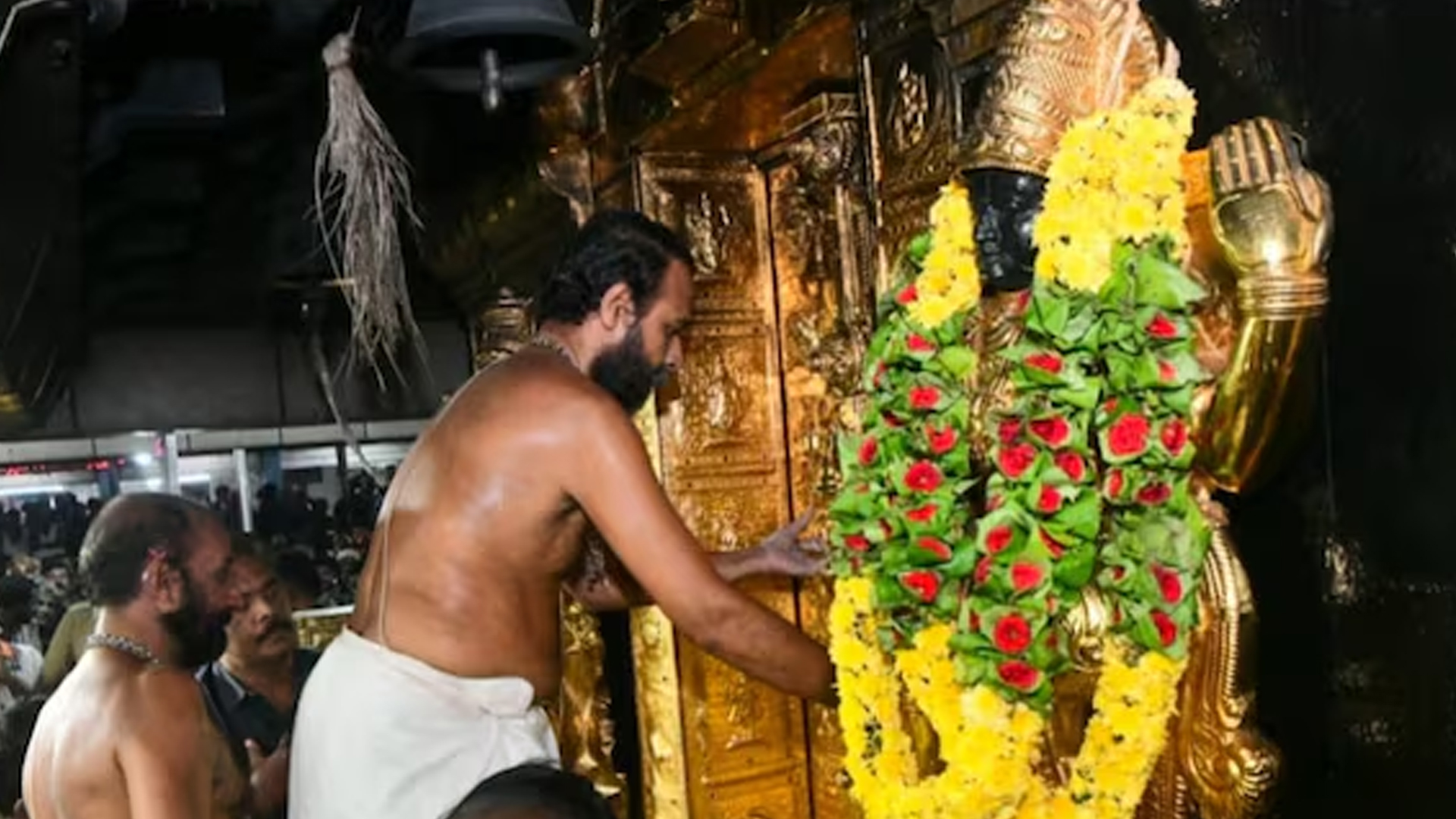
SIT flags bigger Sabarimala gold theft
Kerala’s Special Investigation Team told a court that gold stolen from the Sabarimala temple is far more than initially assessed. Fresh findings show additional gold missing from temple structures, while only a small portion has been recovered so far.

India to impose higher taxes on tobacco products
From February 1, India ends the GST compensation cess and introduces higher excise duties on cigarettes, pan masala, and tobacco products. Shares of ITC and Godfrey Phillips dropped as the market reacts to increased taxes and potential price hikes.

ED attaches Rs 150 cr London property in fraud
The Enforcement Directorate attached a London property near Buckingham Palace worth Rs 150 crore in a bank fraud case involving S Kumars Nationwide Ltd. Ex-CMD Nitin Kasliwal faces allegations of defrauding multiple banks.
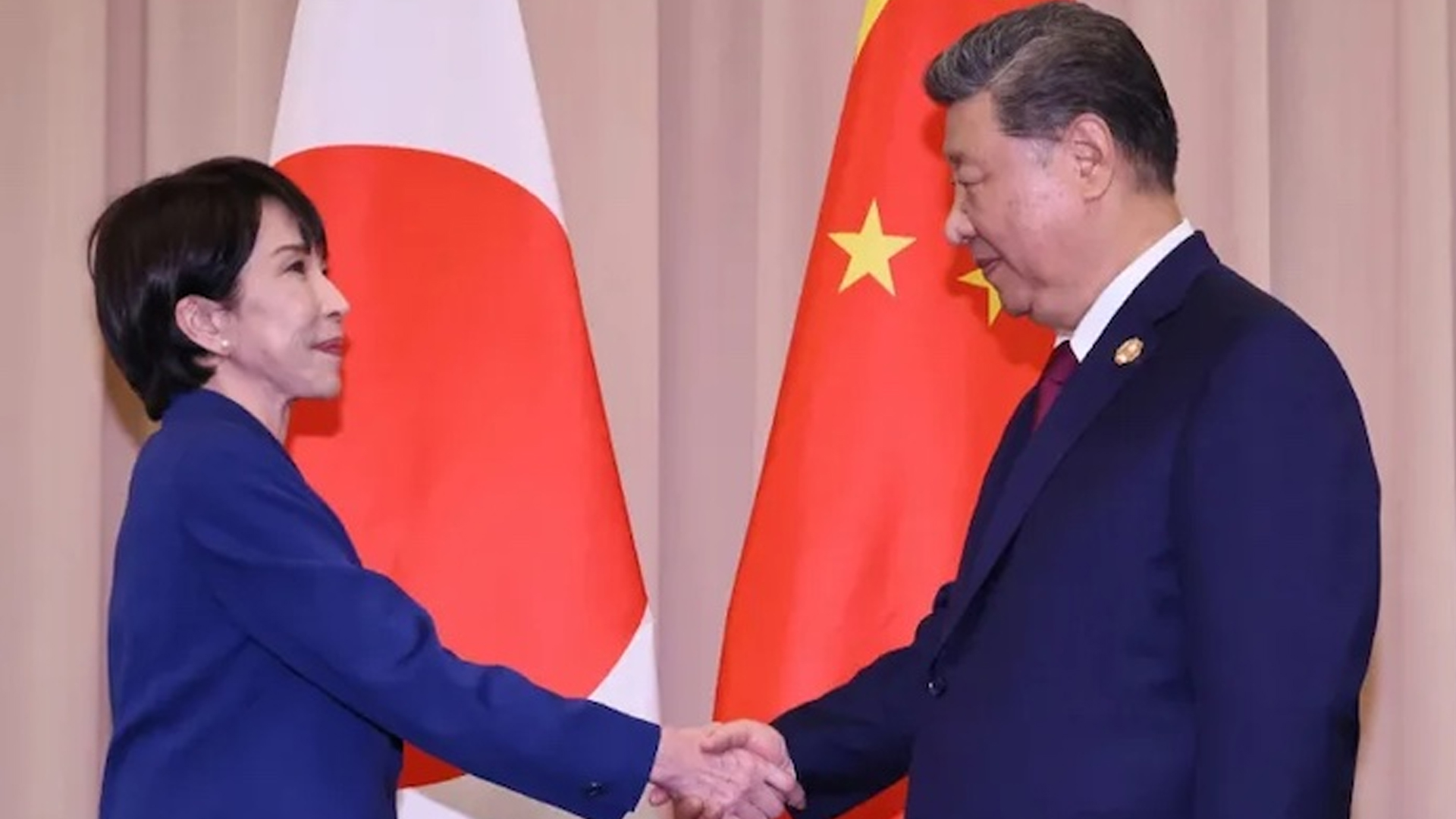
Xi Jinping vows China-Taiwan reunification
In his New Year’s Eve speech, Xi Jinping reaffirmed China’s goal of reunifying with Taiwan, describing it as “unstoppable.” His remarks came after recent military drills near Taiwan, raising international concern and prompting a cautious response from Taipei.

Karnataka police to drop drunk revelers home
Home Minister G. Parameshwara said Karnataka police will escort heavily intoxicated New Year’s Eve partygoers home or to rest centres until sober. Fifteen rest points are set up across cities to ensure safety and prevent accidents.

John F Kennedy’s granddaughter dies at 35
Tatiana Schlossberg, 35, granddaughter of President John F. Kennedy and environmental journalist, has died after battling acute myeloid leukemia. She is survived by her husband and two young children. Her family confirmed her passing, honoring her life and legacy.
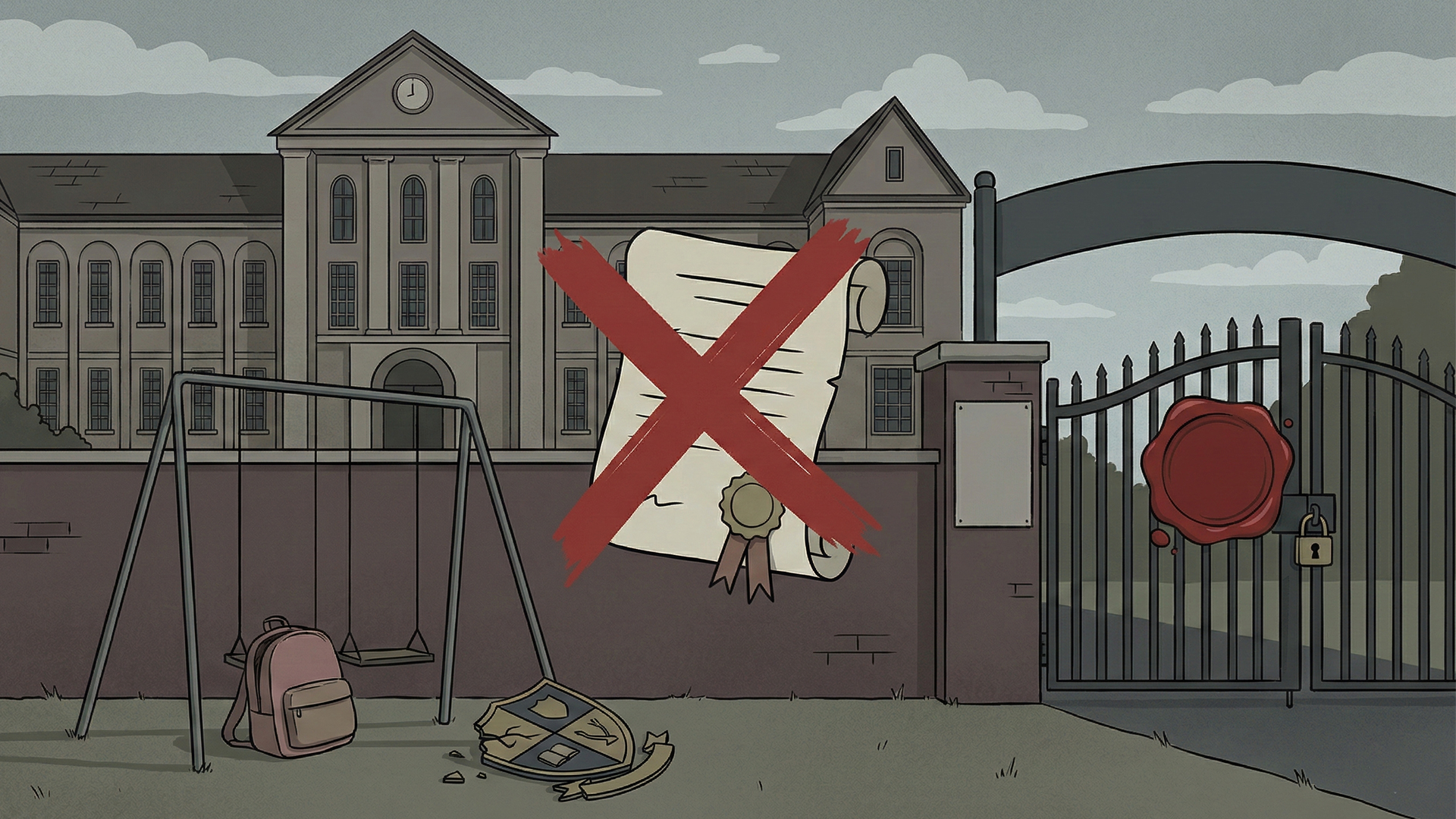
CBSE cancels Jaipur school affiliation
CBSE cancelled Jaipur’s Neerja Modi School’s affiliation after a Class 4 student’s suicide. The board cited ignored bullying complaints, poor safety measures, and lack of counselling. Students up to Class 11 must transfer by March 2026.
About This Category
The Format Is the Editorial Argument
The name of this publication is The Summary. This section is where that philosophy is most directly expressed. The Summaries are not abbreviated versions of longer articles. They are complete pieces of journalism — reported, edited, and published at a length that respects both the story and the reader's time. The decision to keep them short is not a constraint. It is a position: that most news can be communicated clearly in 150 words, and that padding it to 600 words rarely improves it.
The editorial discipline required to produce a good summary is different from, and in some ways harder than, writing at length. Every sentence has to do real work. Nothing survives that doesn't belong there.
What Ends Up Here
The range is genuinely broad — and deliberately so. On any given day, The Summaries might carry a Karnataka cabinet resignation, a hospital fire in Bihar, a CBSE policy recommendation, a Kerala toddler death that has triggered public outrage, and a Cockroach Janta Party founder's plans to protest at Jantar Mantar. These are not thematically related stories. They are simply the news, treated with consistent brevity.
That breadth is the point. A reader who follows The Summaries doesn't need to choose a category to monitor. National politics, health research, civic tragedies, civil society, lifestyle news — it all comes through this section at a pace that doesn't require hours of reading to stay current.
The Judgment That Goes Into 150 Words
Selection is where the editorial work happens. Not everything becomes a Summary. Stories make it here when the core fact is clear, the significance is demonstrable, and the full picture can be honestly conveyed at short length without stripping context that the reader actually needs. A story like the Muzaffarpur hospital fire — four lives lost, a state inquiry ordered, families to be compensated — can be told completely in under two minutes. Stretching it doesn't add information; it adds length.
Some stories don't work as summaries because the context is too dense to compress responsibly. Those go elsewhere on the site. The Summaries is not a catchall; it's a format with specific requirements, and not every story meets them.
A Different Kind of Archive
Over time, The Summaries has become a reliable daily record of what happened in India and across the world — told concisely, sourced from official announcements and credible reporting, and published without the delay that often accompanies longer-form analysis. Readers who have followed the section consistently say it functions as a news briefing they can consume in a single sitting. That is more or less exactly what it was designed to do.
Frequently Asked Questions
Q1. What is The Summaries format and how is it different from other sections?
The Summaries are short, complete news pieces — typically under 150 words — covering a single event or development clearly and accurately. Unlike the full-length articles in sections like National, Business, or Health, these are written to be read in under a minute. The format is intentional: the goal is to report the news completely, not briefly for brevity's sake.
Q2. Does The Summaries cover all topics or only specific beats?
All topics. A single scroll through The Summaries on any given day might include political news, health research, a civic disaster, an education policy decision, and a human interest story. The connective thread is the format, not the subject. Readers who want to stay across multiple beats without tracking several sections will find everything here.
Q3. Are The Summaries just shortened versions of longer articles on the site?
No. They are standalone pieces written specifically for this format. Occasionally, a major developing story will have both a full article and a Summary — but they are written separately, for different purposes. The Summary version is complete on its own terms, not a teaser or a preview of something longer.
Q4. How does The Summary decide what becomes a Summary versus a full article?
If a story can be told accurately and completely at short length without stripping essential context, it's a candidate for The Summaries. If the background, timeline, or stakeholder complexity genuinely requires more room, it gets a full article. The test is whether the reader comes away informed — not whether the piece meets a word count.
Q5. How often is The Summaries section updated?
Throughout the day as news develops. There is no fixed publishing schedule — stories are published when they are ready. Readers who check in once or twice daily will typically find several new pieces each visit. The pace reflects the news cycle, not a content calendar.
Q6. Is The Summaries a good starting point for readers new to the site?
It is probably the most efficient way to understand the full scope of what The Summary covers. Because the section spans every beat — politics, business, health, lifestyle, science, national, world news — a few minutes in The Summaries gives a reader a clearer picture of the publication's range than browsing any single category section would.