
The Summaries
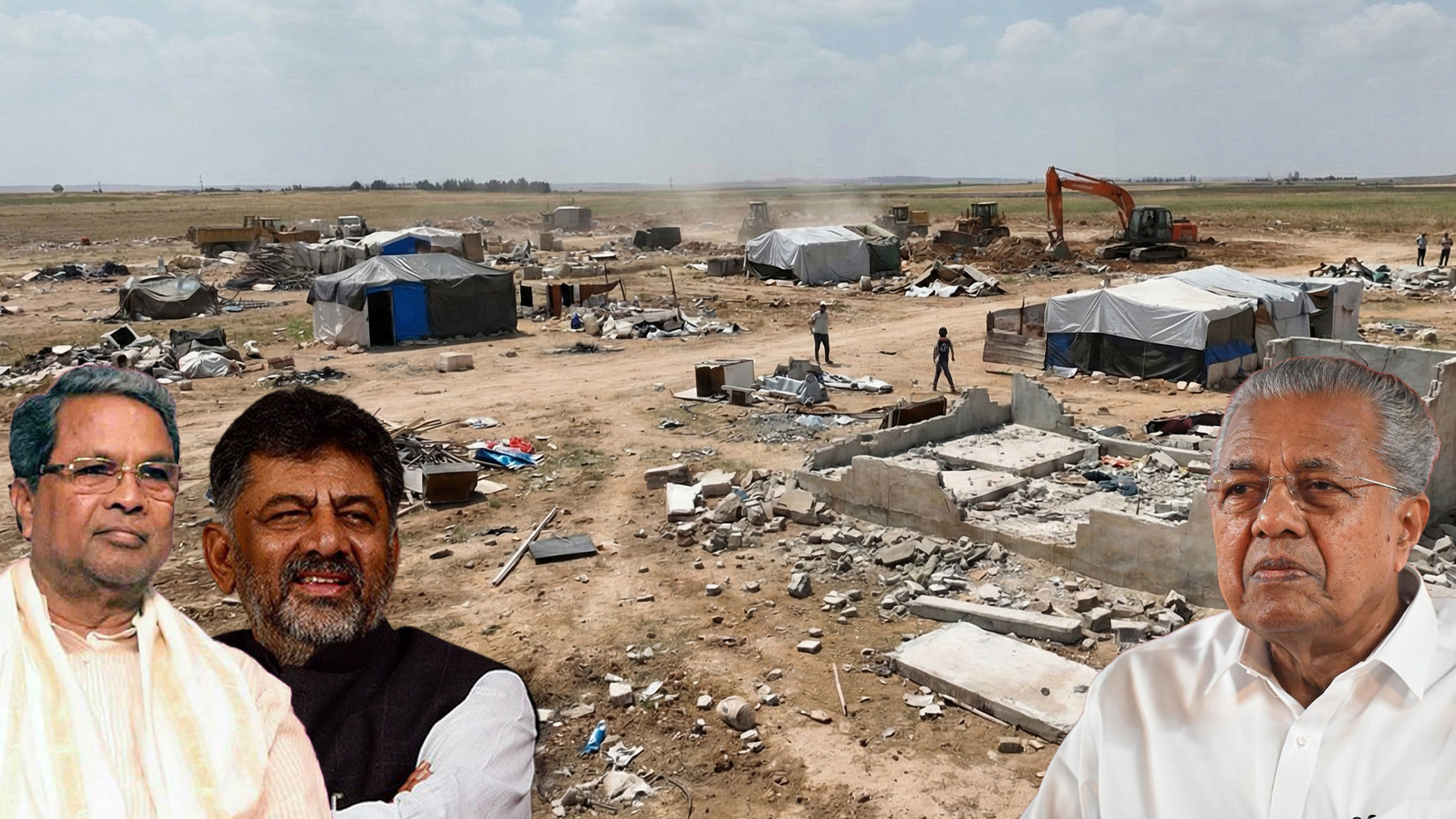
Karnataka Deputy CM hits out at Kerala CM
Karnataka Deputy CM D.K. Shivakumar called the Kogilu demolition lawful, criticizing Kerala CM Pinarayi Vijayan for politicizing it. He assured rehabilitation support for eligible displaced families, amid rising tensions over the issue.
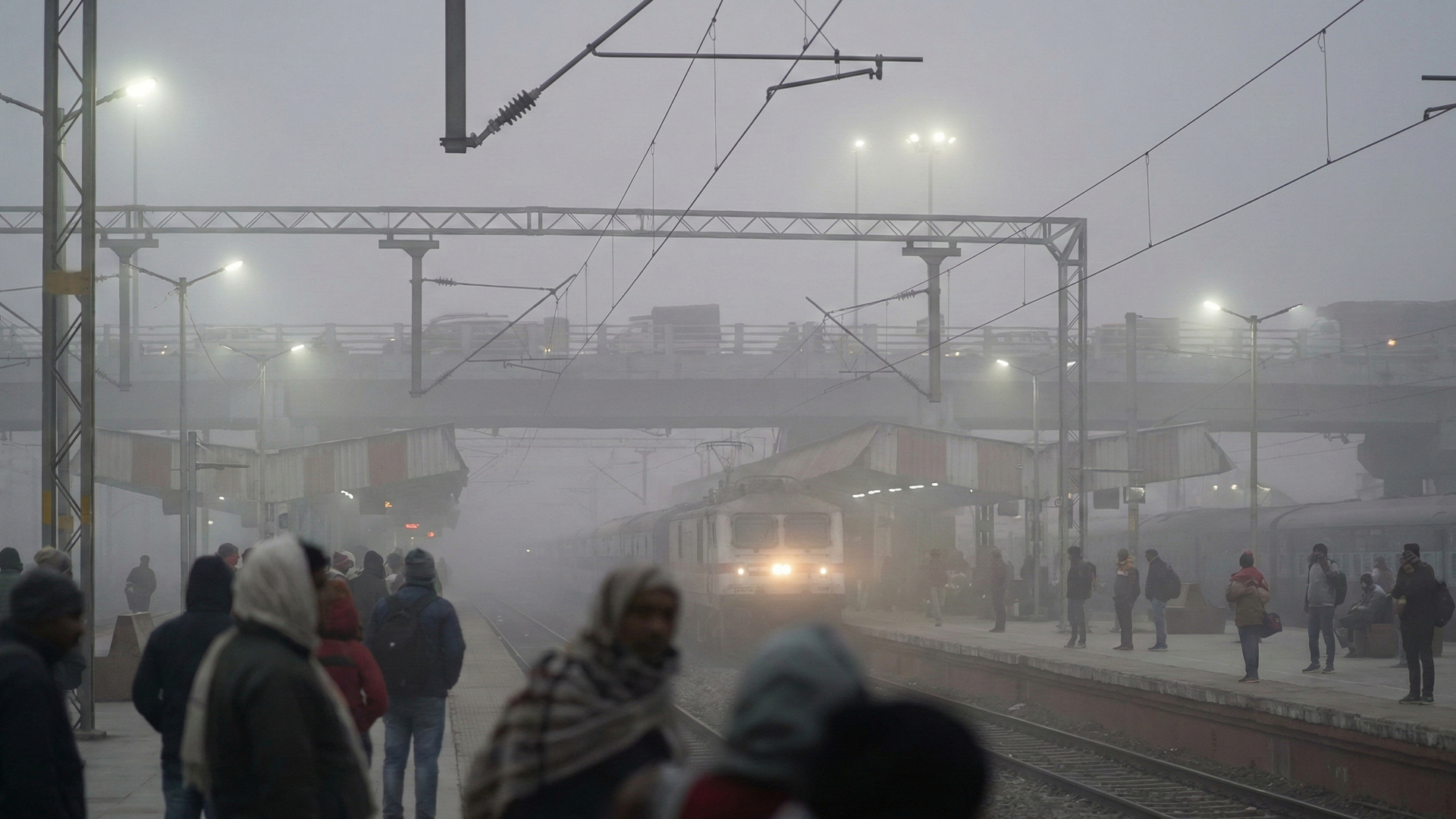
Delhi faces dense fog, pollution reaches ‘very poor’
Delhi woke up to dense fog, reducing visibility and causing traffic disruption. The Air Quality Index hit the ‘very poor’ range at 390. The India Meteorological Department issued an orange alert, warning residents to take precautions.

China drills near Taiwan, Island responds
China conducted military encirclement drills near Taiwan, involving ships, aircraft, and live-fire exercises. In response, Taiwan deployed its defence forces, condemning the drills as provocative and heightening alert amid growing regional tensions.
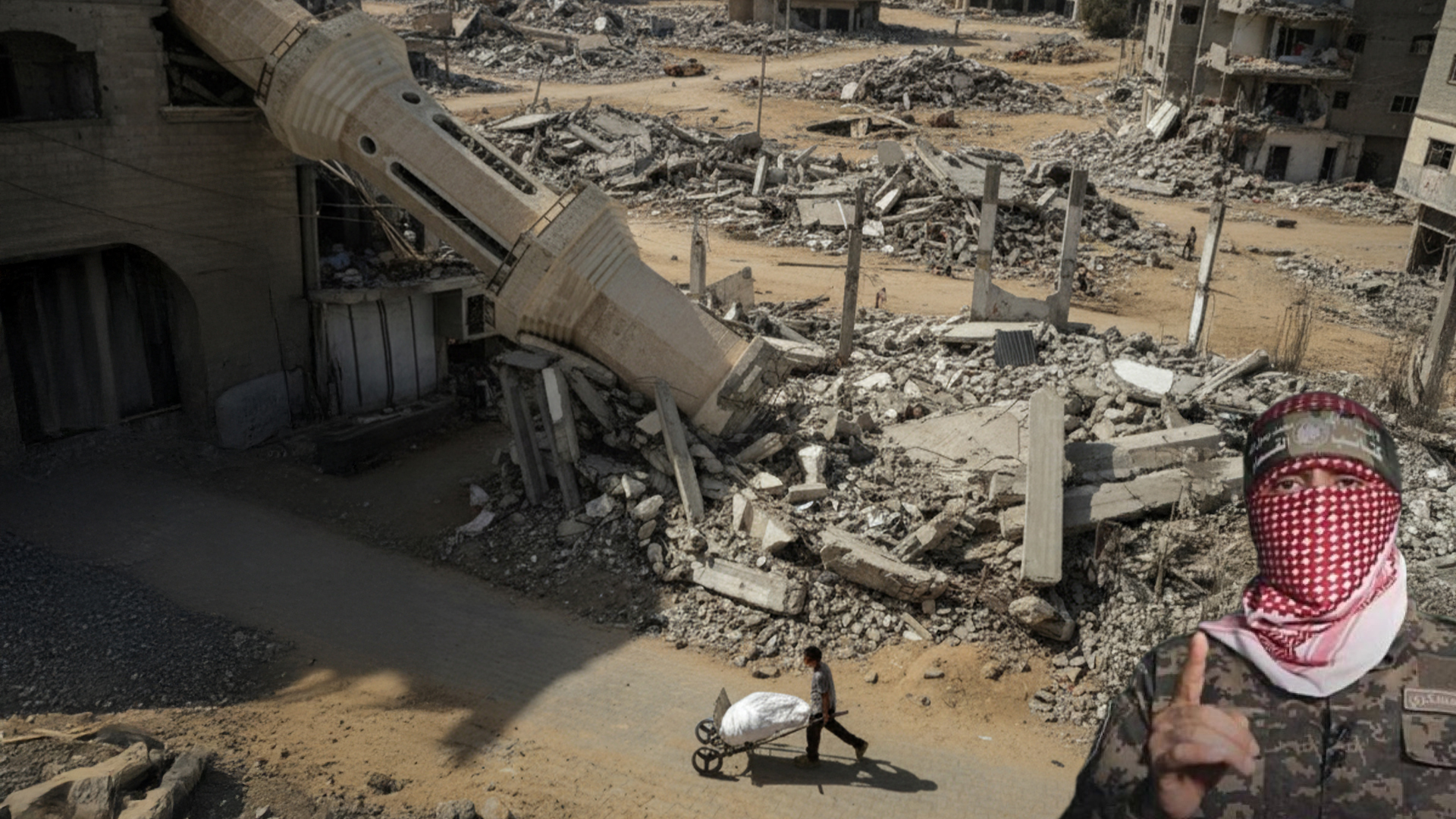
Hamas confirms spokesman Abu Obeida’s death
Hamas has confirmed that longtime spokesperson Abu Obeida was killed in an Israeli airstrike in August. The group introduced a new spokesman and acknowledged the deaths of other senior commanders amid ongoing Gaza conflict.

President Murmu boards INS Vaghsheer
President Droupadi Murmu embarked on a submarine sortie aboard the indigenous INS Vaghsheer at Karwar Naval Base, becoming the second Indian President to do so. She commended the Navy’s preparedness and the crew’s professionalism during the exercise.
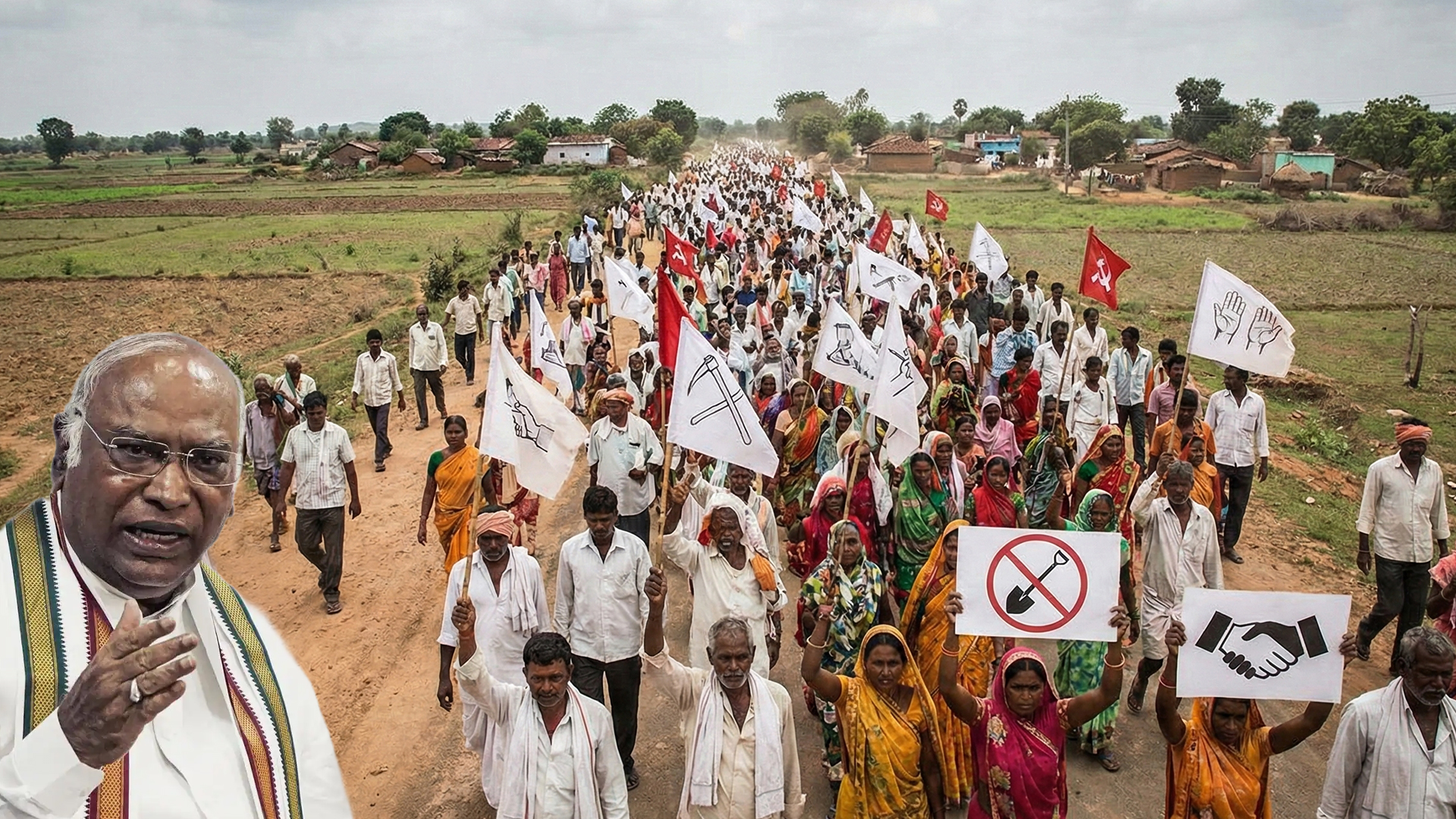
Kharge launches nationwide fight to save MGNREGA
Congress president Mallikarjun Kharge called for a nationwide campaign to protect the Mahatma Gandhi National Rural Employment Guarantee Act, urging citizens to protest the proposed repeal and defend rural jobs, linking the move to earlier controversial law repeals.
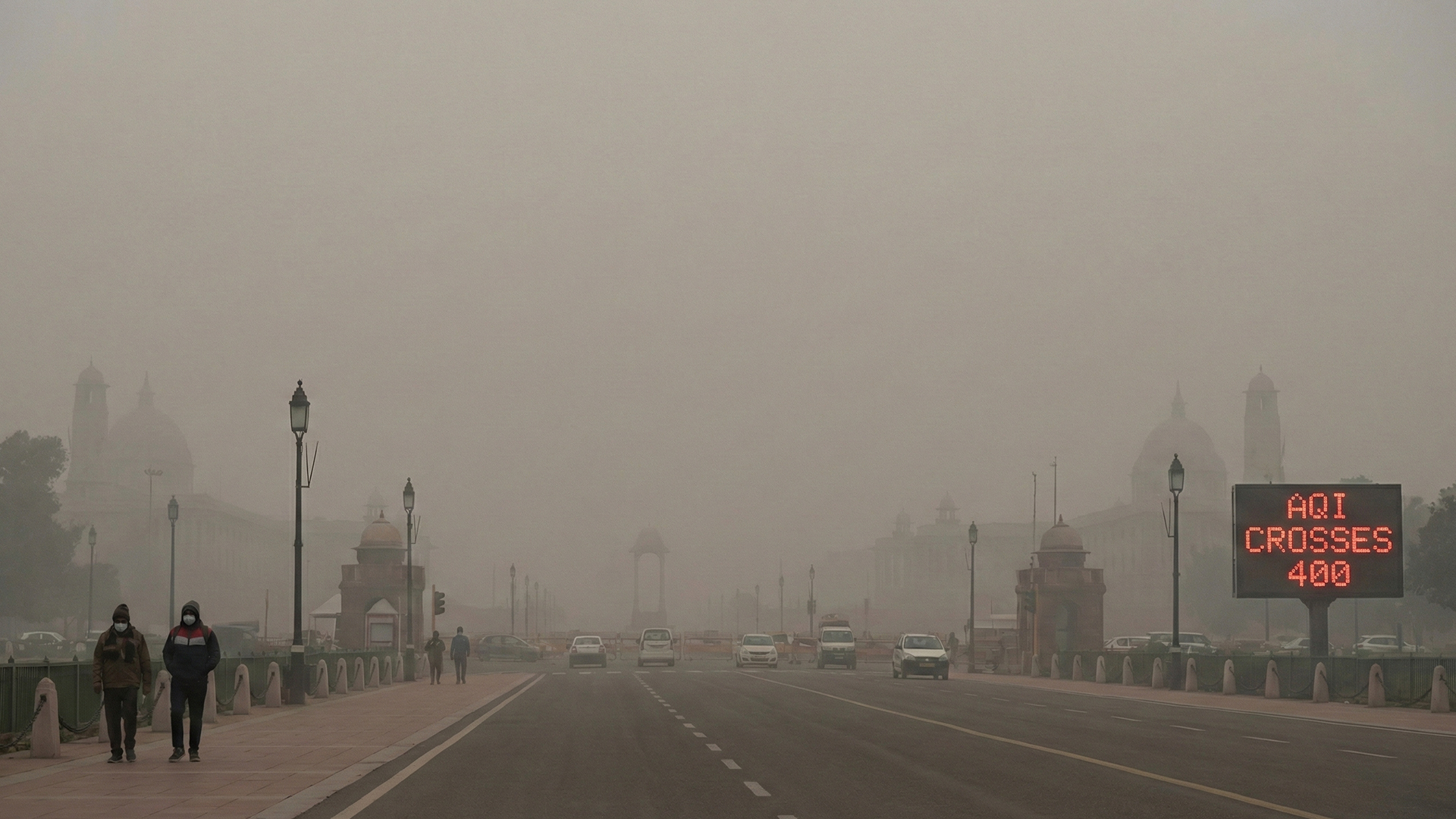
Delhi AQI crosses 400 as fog, cold trap pollution
Delhi’s air quality worsened sharply as dense fog and cold weather trapped pollutants, pushing the Air Quality Index beyond 400 in several areas. Thick smog reduced visibility and authorities advised children, elderly and patients to limit outdoor exposure.
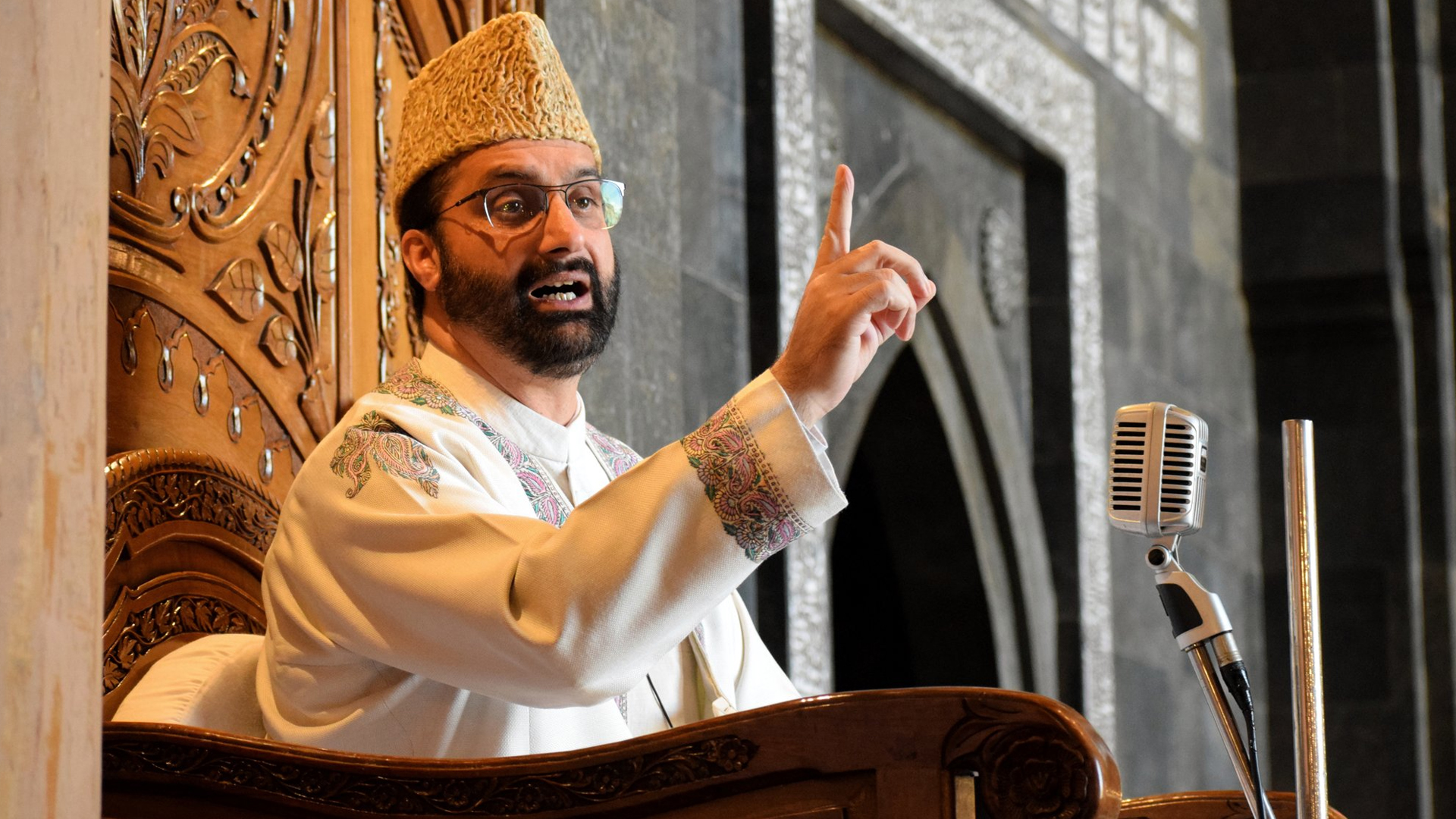
J&K cleric Mirwaiz drops Hurriyat title
Jammu and Kashmir cleric Mirwaiz Umar Farooq removed “Hurriyat Chairman” from his X profile after authorities warned he might lose access, calling the decision a forced choice to keep his account active.

Congress flags ₹112 crore kickback
The Congress on Saturday alleged that a ₹112 crore kickback linked to Uttar Pradesh government advertising contracts benefited former Prasar Bharati chairman Navneet Kumar Sehgal, citing an Income Tax report, and demanded a thorough investigation into the matter.
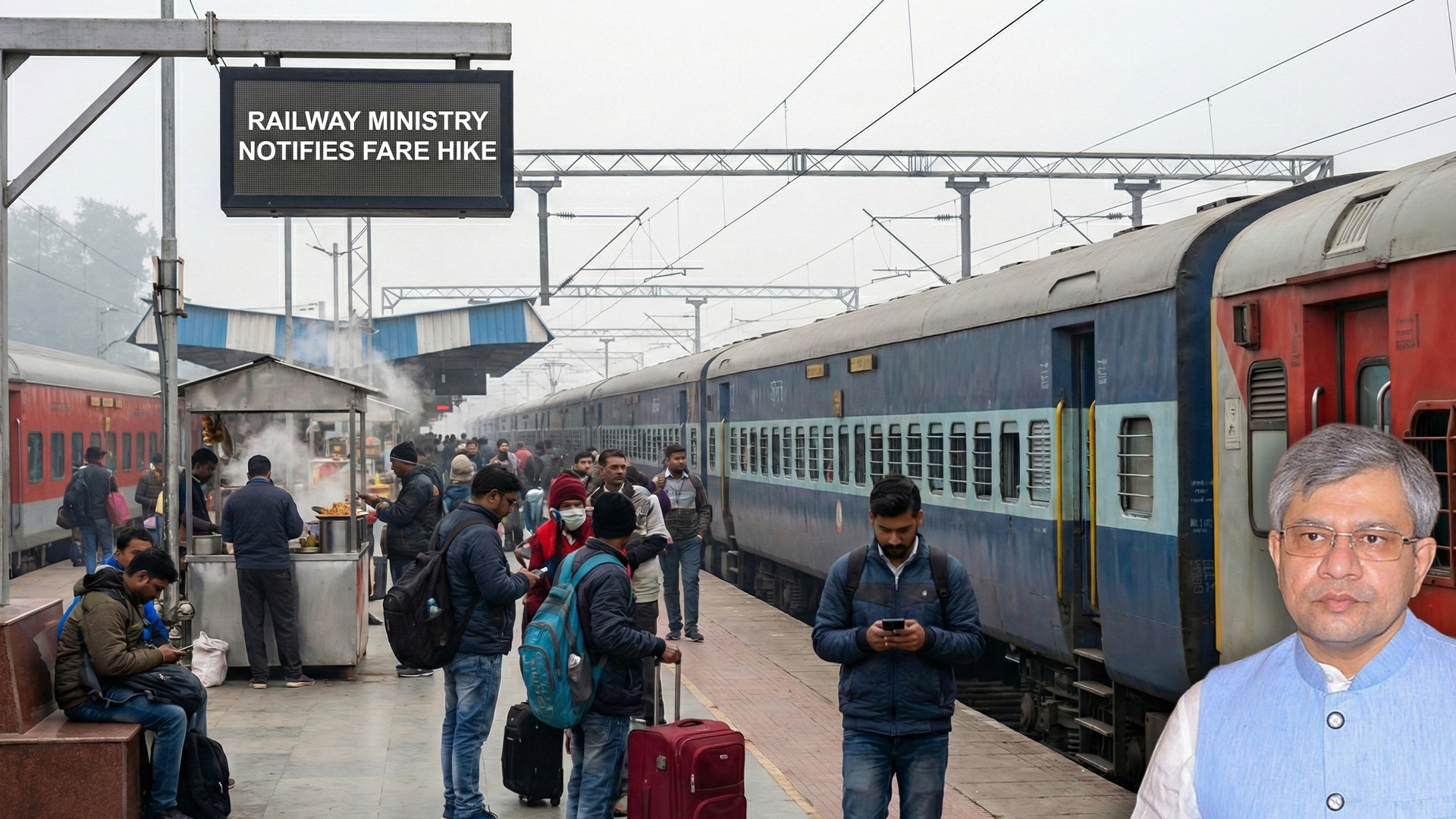
Railway fares increased from December 26
The Railway Ministry announced a fare hike effective December 26. Long‑distance train tickets will cost slightly more, with ordinary non‑AC fares beyond 215 km seeing smaller increases. Suburban and season ticket fares remain unchanged.
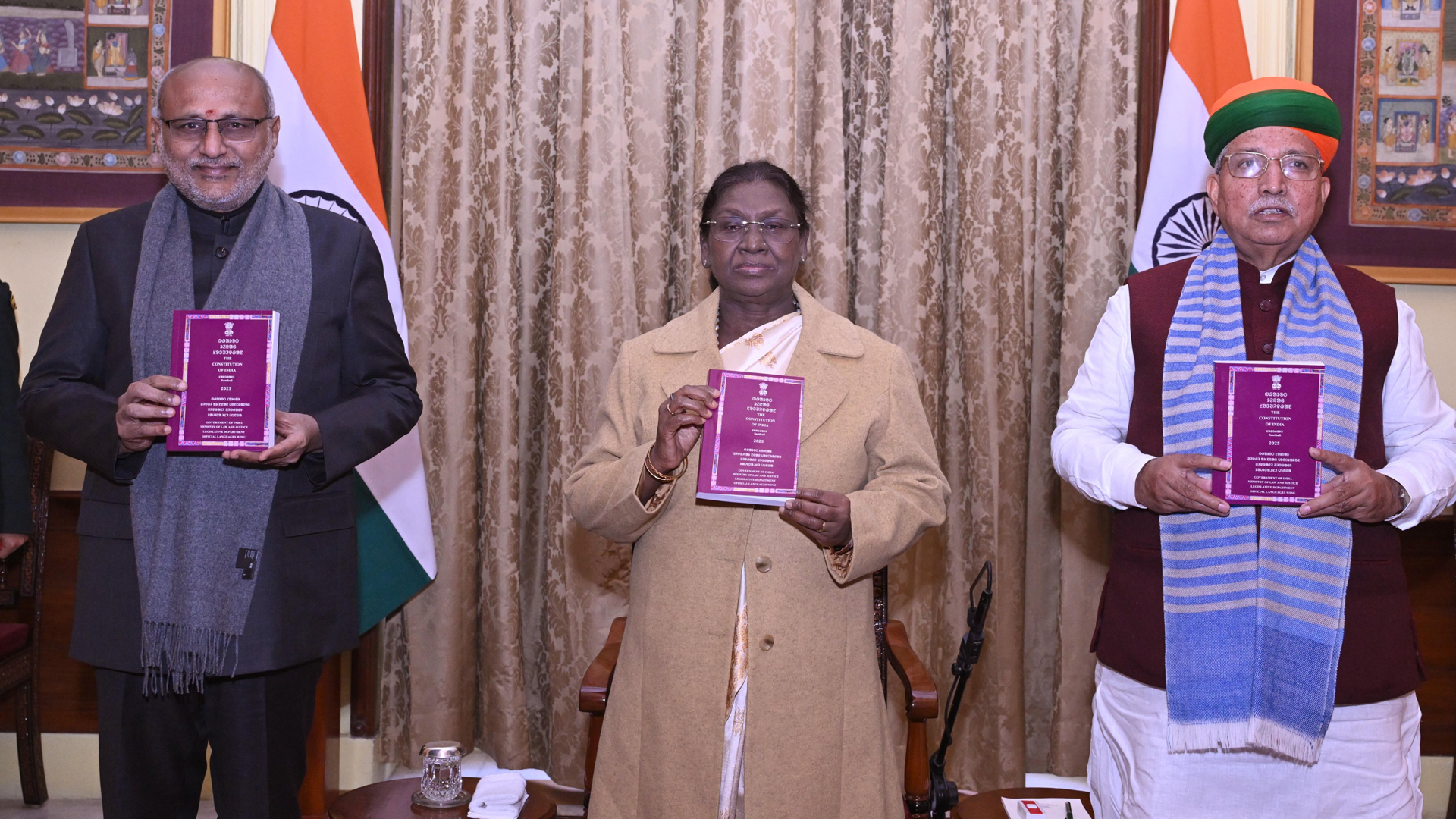
Constitution now also in Santhali language
President Droupadi Murmu released the Constitution of India in Santhali, using Ol Chiki script, at Rashtrapati Bhavan. The move allows Santhali speakers to access the Constitution in their language. Vice President and other dignitaries attended the event.
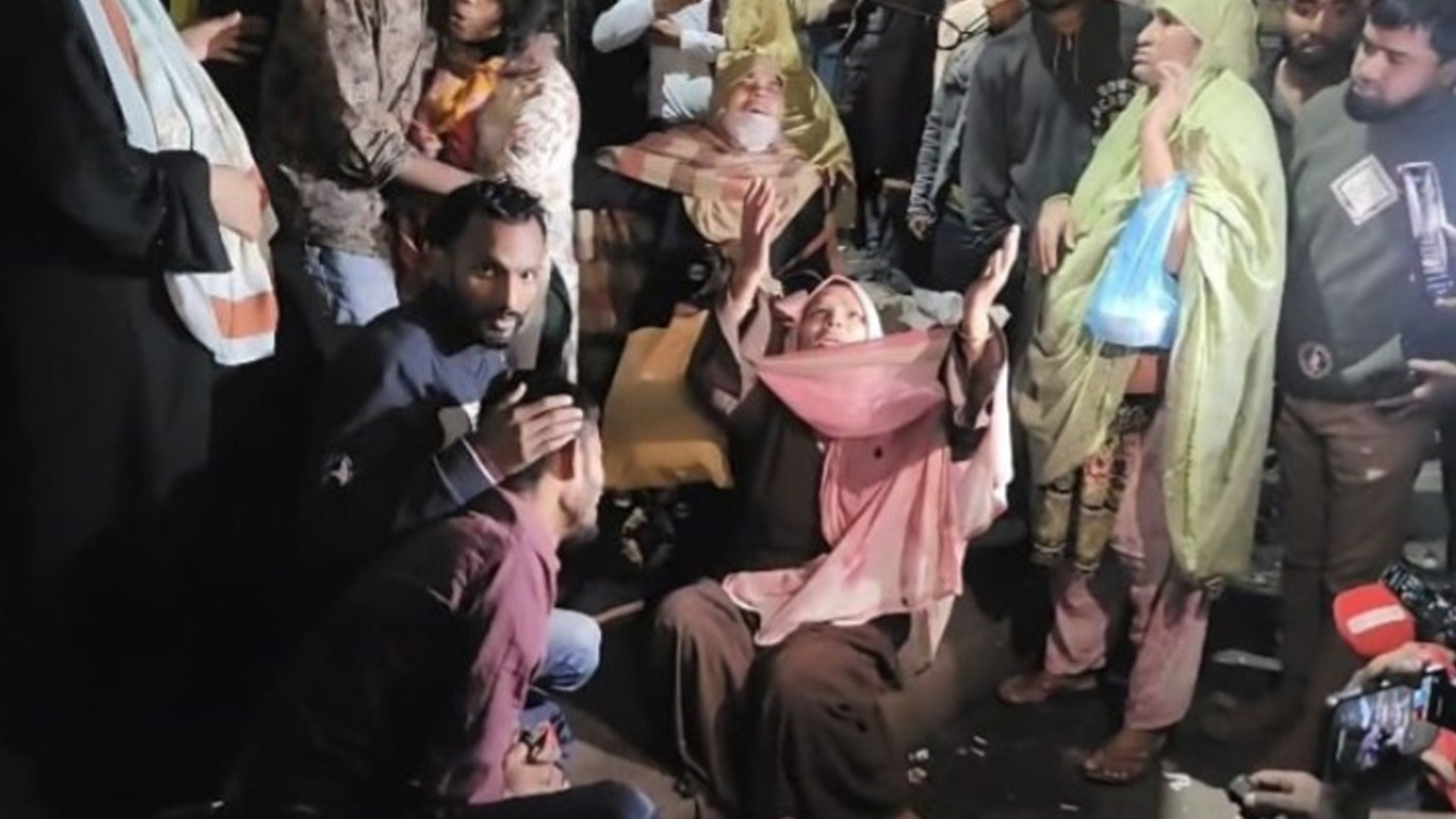
Petrol bomb kills man in Dhaka on Christmas eve
A 21-year-old man died in Dhaka’s Moghbazar when miscreants hurled a petrol bomb from a flyover on Christmas Eve. The attack sparked panic amid heavy security as tensions rose before a major political leader’s arrival.
About This Category
The Format Is the Editorial Argument
The name of this publication is The Summary. This section is where that philosophy is most directly expressed. The Summaries are not abbreviated versions of longer articles. They are complete pieces of journalism — reported, edited, and published at a length that respects both the story and the reader's time. The decision to keep them short is not a constraint. It is a position: that most news can be communicated clearly in 150 words, and that padding it to 600 words rarely improves it.
The editorial discipline required to produce a good summary is different from, and in some ways harder than, writing at length. Every sentence has to do real work. Nothing survives that doesn't belong there.
What Ends Up Here
The range is genuinely broad — and deliberately so. On any given day, The Summaries might carry a Karnataka cabinet resignation, a hospital fire in Bihar, a CBSE policy recommendation, a Kerala toddler death that has triggered public outrage, and a Cockroach Janta Party founder's plans to protest at Jantar Mantar. These are not thematically related stories. They are simply the news, treated with consistent brevity.
That breadth is the point. A reader who follows The Summaries doesn't need to choose a category to monitor. National politics, health research, civic tragedies, civil society, lifestyle news — it all comes through this section at a pace that doesn't require hours of reading to stay current.
The Judgment That Goes Into 150 Words
Selection is where the editorial work happens. Not everything becomes a Summary. Stories make it here when the core fact is clear, the significance is demonstrable, and the full picture can be honestly conveyed at short length without stripping context that the reader actually needs. A story like the Muzaffarpur hospital fire — four lives lost, a state inquiry ordered, families to be compensated — can be told completely in under two minutes. Stretching it doesn't add information; it adds length.
Some stories don't work as summaries because the context is too dense to compress responsibly. Those go elsewhere on the site. The Summaries is not a catchall; it's a format with specific requirements, and not every story meets them.
A Different Kind of Archive
Over time, The Summaries has become a reliable daily record of what happened in India and across the world — told concisely, sourced from official announcements and credible reporting, and published without the delay that often accompanies longer-form analysis. Readers who have followed the section consistently say it functions as a news briefing they can consume in a single sitting. That is more or less exactly what it was designed to do.
Frequently Asked Questions
Q1. What is The Summaries format and how is it different from other sections?
The Summaries are short, complete news pieces — typically under 150 words — covering a single event or development clearly and accurately. Unlike the full-length articles in sections like National, Business, or Health, these are written to be read in under a minute. The format is intentional: the goal is to report the news completely, not briefly for brevity's sake.
Q2. Does The Summaries cover all topics or only specific beats?
All topics. A single scroll through The Summaries on any given day might include political news, health research, a civic disaster, an education policy decision, and a human interest story. The connective thread is the format, not the subject. Readers who want to stay across multiple beats without tracking several sections will find everything here.
Q3. Are The Summaries just shortened versions of longer articles on the site?
No. They are standalone pieces written specifically for this format. Occasionally, a major developing story will have both a full article and a Summary — but they are written separately, for different purposes. The Summary version is complete on its own terms, not a teaser or a preview of something longer.
Q4. How does The Summary decide what becomes a Summary versus a full article?
If a story can be told accurately and completely at short length without stripping essential context, it's a candidate for The Summaries. If the background, timeline, or stakeholder complexity genuinely requires more room, it gets a full article. The test is whether the reader comes away informed — not whether the piece meets a word count.
Q5. How often is The Summaries section updated?
Throughout the day as news develops. There is no fixed publishing schedule — stories are published when they are ready. Readers who check in once or twice daily will typically find several new pieces each visit. The pace reflects the news cycle, not a content calendar.
Q6. Is The Summaries a good starting point for readers new to the site?
It is probably the most efficient way to understand the full scope of what The Summary covers. Because the section spans every beat — politics, business, health, lifestyle, science, national, world news — a few minutes in The Summaries gives a reader a clearer picture of the publication's range than browsing any single category section would.