
The Summaries

5 children contract HIV in Madhya Pradesh
Five thalassemia‑affected children in Satna, Madhya Pradesh, tested HIV positive after receiving donated blood at a government hospital. Blood bank staff and technicians were suspended, and probes into screening lapses and donor records are underway.
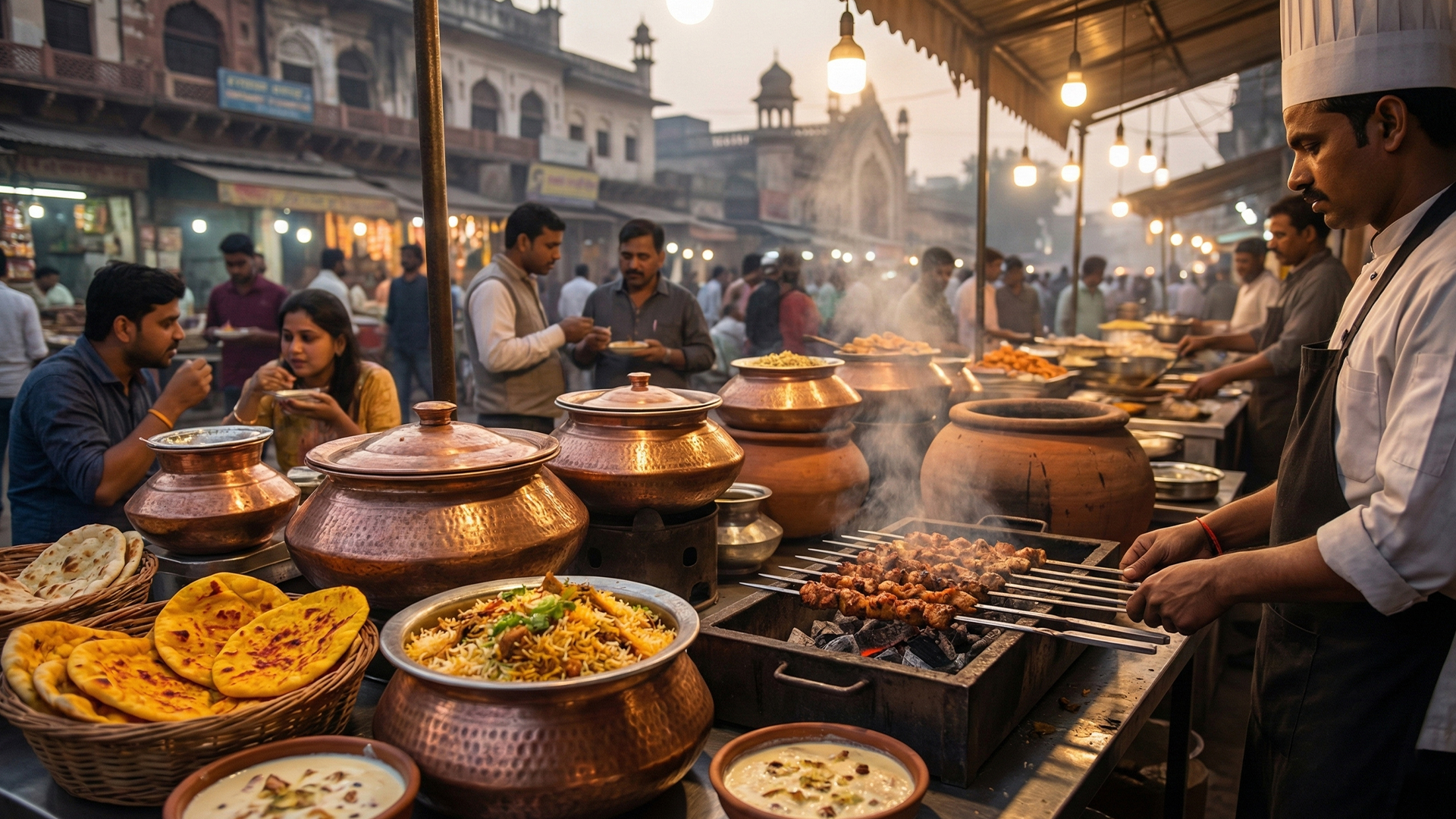
UNESCO celebrates Lucknow’s Nawabi flavors
Lucknow’s rich Nawabi cuisine has earned UNESCO’s Creative City of Gastronomy recognition, celebrating its iconic dishes, traditional cooking techniques, and vibrant food culture. This honor highlights the city’s culinary heritage, linking history, community, and global appreciation.
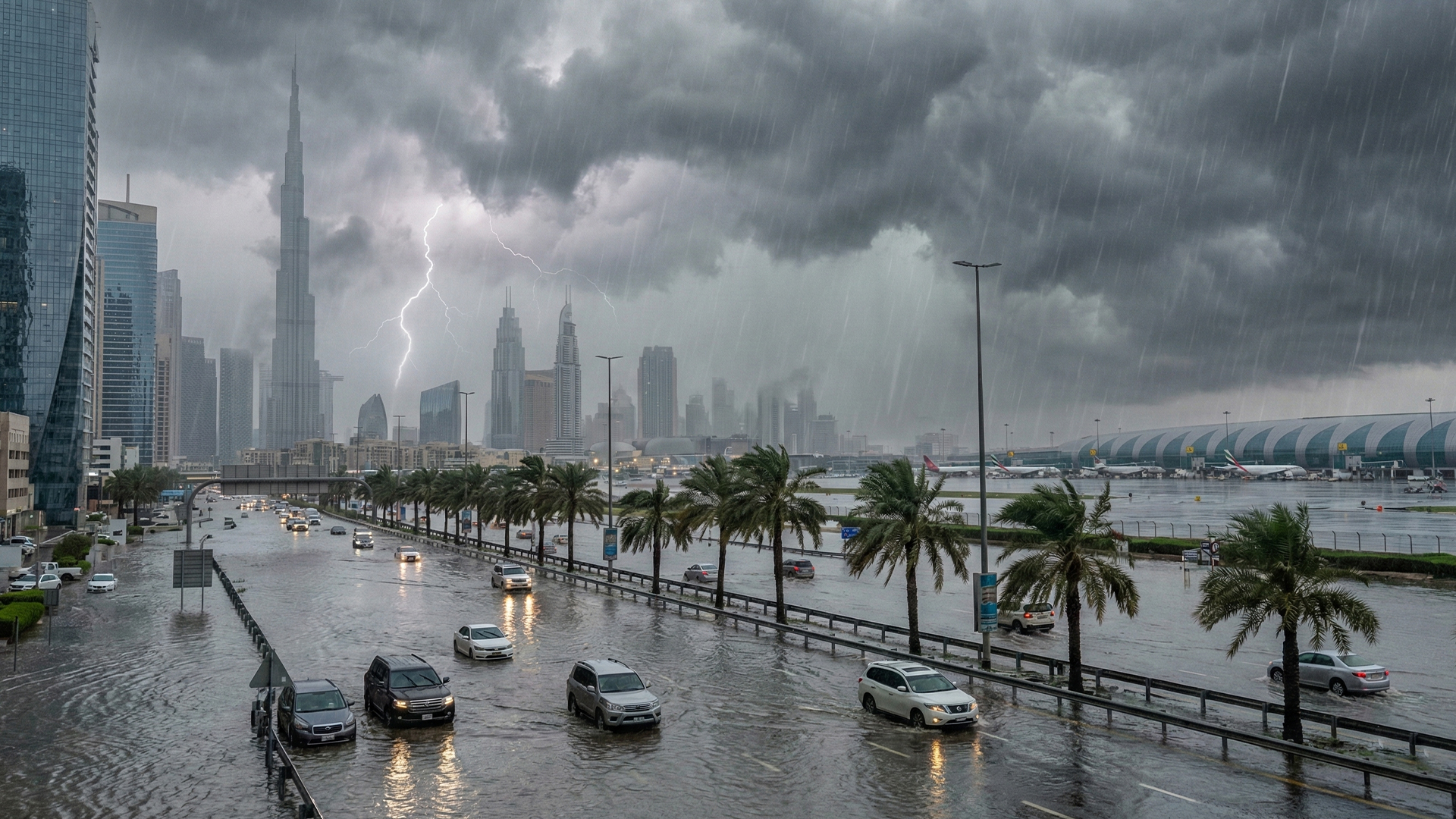
Rare storm floods UAE, disrupts flights and roads
A rare storm lashed the UAE, flooding roads in Dubai, Sharjah and parts of Abu Dhabi. Several flights were cancelled or delayed as authorities issued safety advisories, urging residents to limit travel amid waterlogging and severe weather disrupting daily life.

Delhi air quality ticks at 400, severe level
Delhi’s air quality remains in the ‘severe’ category, with AQI crossing 400 in several areas. Thick smog and low visibility are affecting travel, while authorities warn residents, especially children and the elderly, of serious health risks.
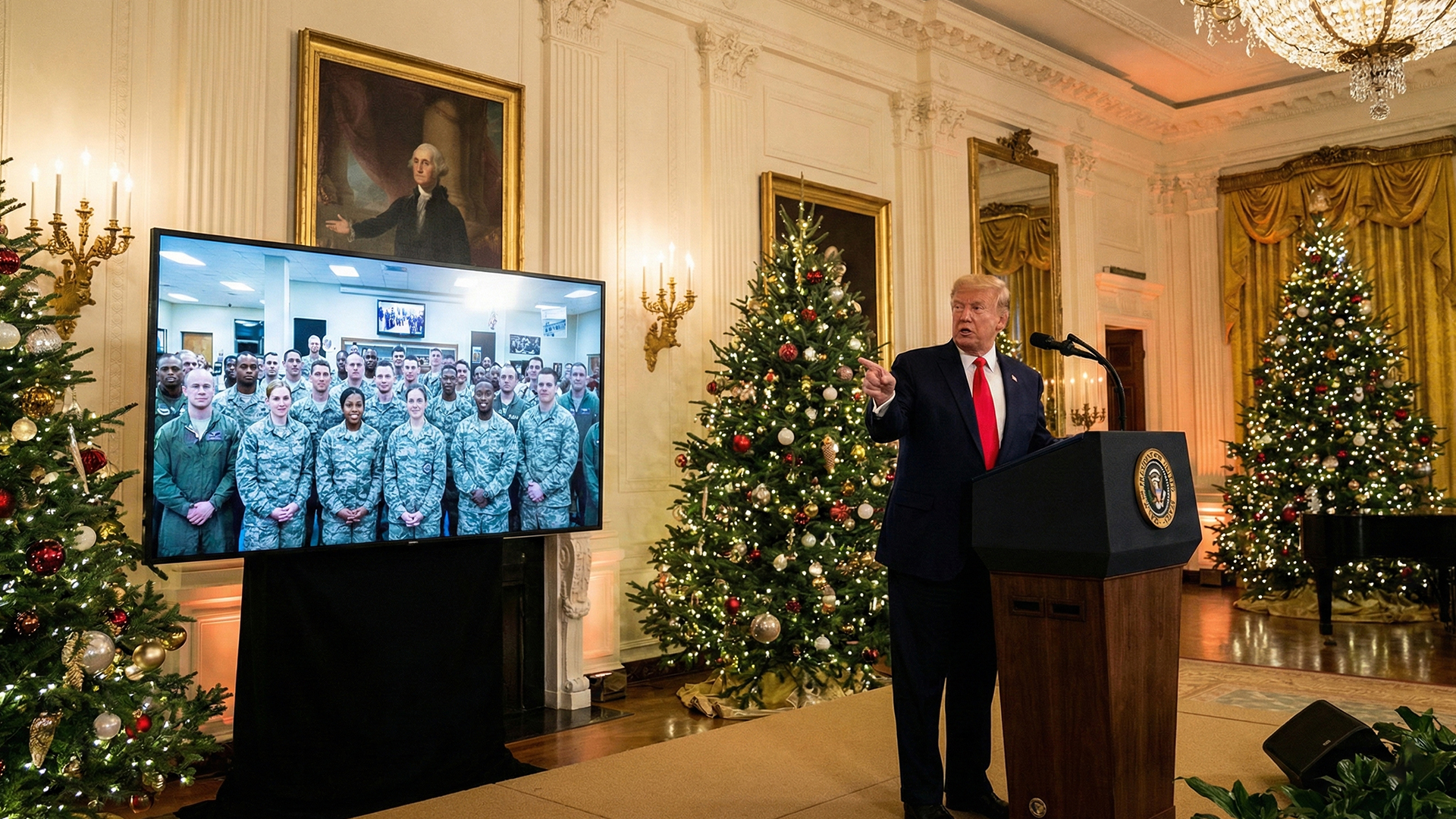
Trump announces $1,776 bonus for US soldiers
President Trump has ordered a one-time $1,776 payment to over 1.45 million US service members, calling it a “warrior dividend” to recognise their service and link the bonus to the nation’s founding year, 1776.

Parliament approves 100% FDI in insurance
Parliament passed the Sabka Bima Sabki Raksha Bill, allowing 100% foreign direct investment (FDI) in India’s insurance sector, replacing the previous 74% cap. The move is expected to attract capital, increase competition, and expand insurance access across the country.

Congress wins in Telangana gram panchayats
In Telangana’s third-phase gram panchayat elections, Congress won 2,208 of 4,159 seats, maintaining its lead. BRS secured 1,145, BJP 239, and independents 488. Across all phases, Congress has now won over 6,700 seats.

Flight delays likely as fog hits north, east
IndiGo has issued a travel advisory as dense fog blankets North and East India, warning of potential flight delays Wednesday. Passengers are urged to check flight status, allow extra travel time, and prepare for slower road conditions to airports.
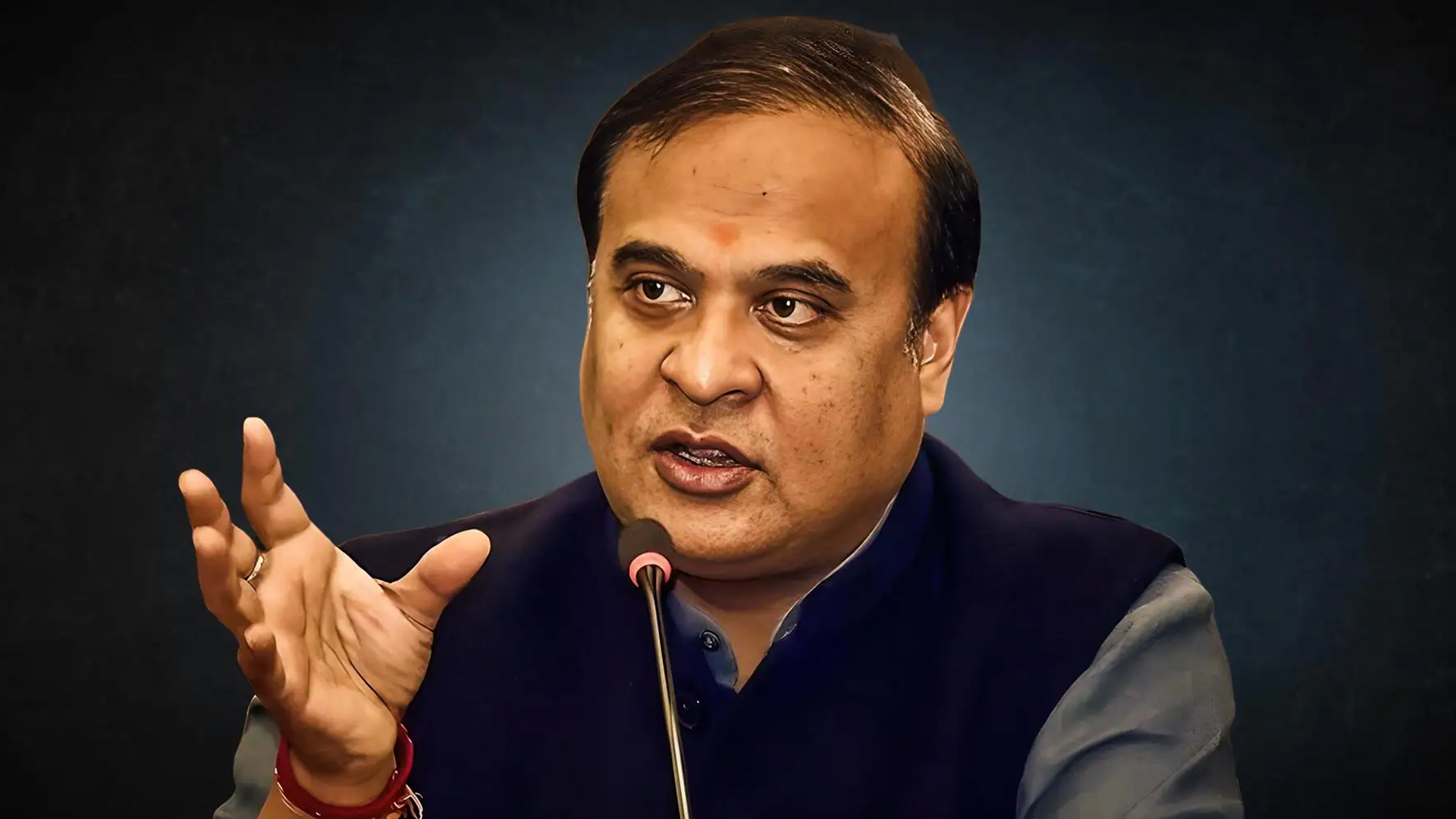
Assam CM slams Bangladesh threats
Himanta Biswa Sarma. the Assam CM, condemned Bangladesh for their remarks on cutting off India’s Northeast, calling this unacceptable. He stressed that India’s territorial integrity is non-negotiable and warned that any attempts to threaten national unity will be firmly resisted.

Shiksha Bill targets global standards
The Viksit Bharat Shiksha Bill seeks to overhaul higher education by creating a single regulatory system, reducing overlaps, and granting greater autonomy to universities. The government says the move will help Indian institutions compete globally while improving quality, transparency, and academic governance.
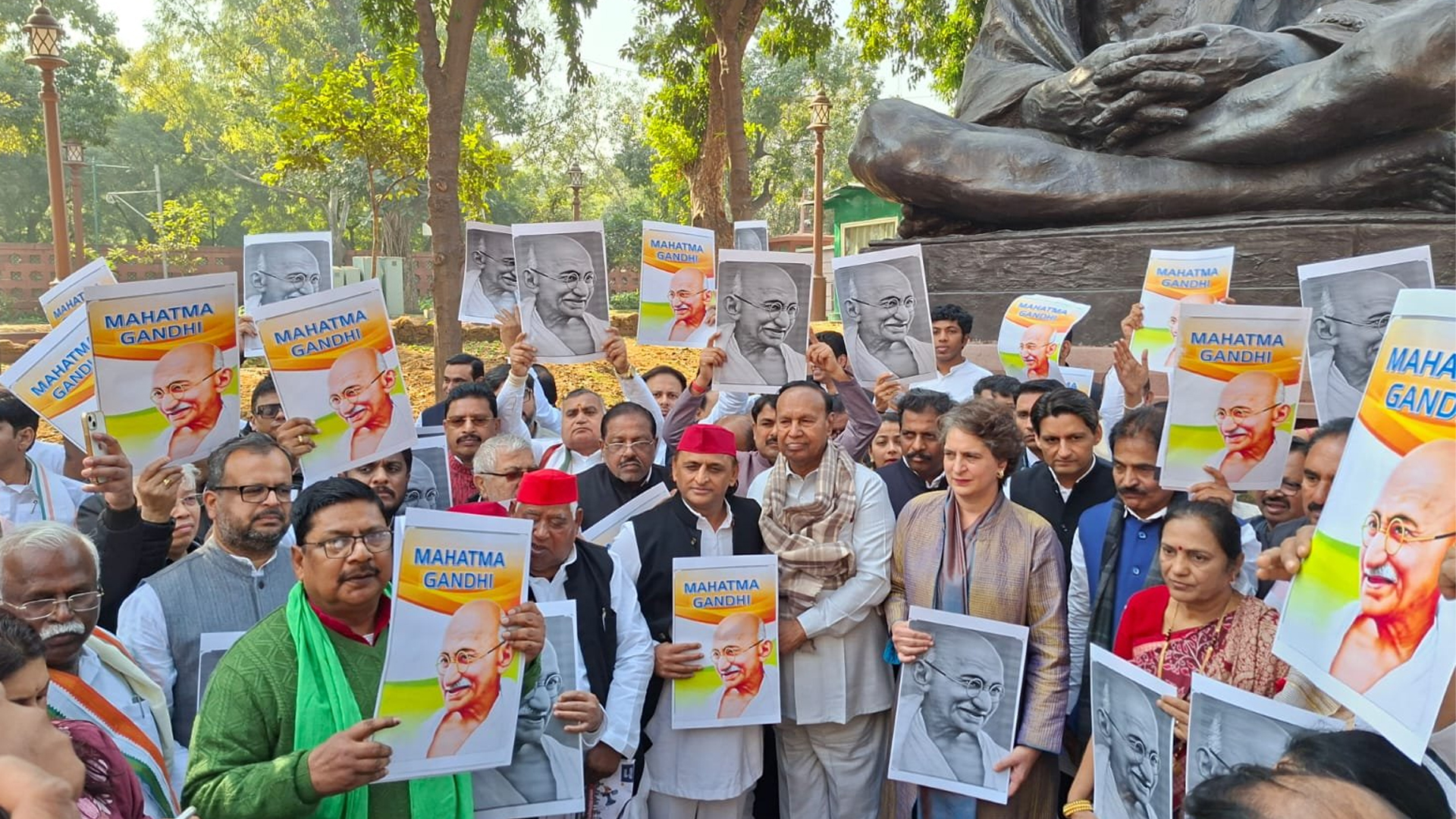
New rural jobs Bill replaces MGNREGA, sparks protests
The government tabled the Viksit Bharat Rozgar and Ajeevika Mission (Gramin) Bill to replace MGNREGA, triggering protests in Parliament. The Opposition warned of diluted job guarantees, loss of rights, and objected to dropping Mahatma Gandhi’s name from the scheme nationwide.
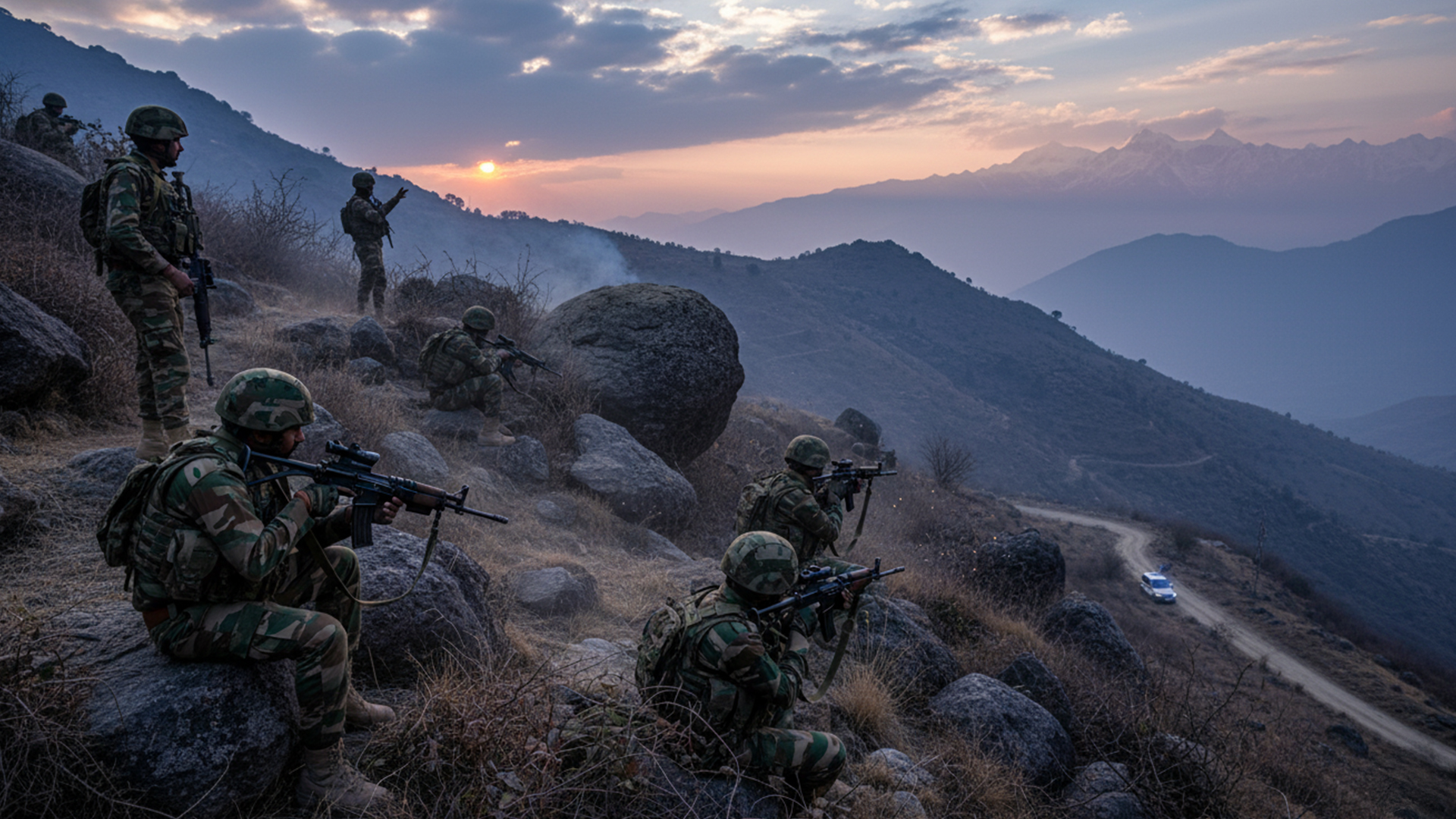
Cop killed in J&K terror encounter
A Jammu & Kashmir police officer, Amjad Pathan, was killed in an encounter with terrorists in Majalta, Udhampur. Joint teams of SOG, Army, and CRPF are cordoning the area; search continues for remaining militants in dense forests.
About This Category
The Format Is the Editorial Argument
The name of this publication is The Summary. This section is where that philosophy is most directly expressed. The Summaries are not abbreviated versions of longer articles. They are complete pieces of journalism — reported, edited, and published at a length that respects both the story and the reader's time. The decision to keep them short is not a constraint. It is a position: that most news can be communicated clearly in 150 words, and that padding it to 600 words rarely improves it.
The editorial discipline required to produce a good summary is different from, and in some ways harder than, writing at length. Every sentence has to do real work. Nothing survives that doesn't belong there.
What Ends Up Here
The range is genuinely broad — and deliberately so. On any given day, The Summaries might carry a Karnataka cabinet resignation, a hospital fire in Bihar, a CBSE policy recommendation, a Kerala toddler death that has triggered public outrage, and a Cockroach Janta Party founder's plans to protest at Jantar Mantar. These are not thematically related stories. They are simply the news, treated with consistent brevity.
That breadth is the point. A reader who follows The Summaries doesn't need to choose a category to monitor. National politics, health research, civic tragedies, civil society, lifestyle news — it all comes through this section at a pace that doesn't require hours of reading to stay current.
The Judgment That Goes Into 150 Words
Selection is where the editorial work happens. Not everything becomes a Summary. Stories make it here when the core fact is clear, the significance is demonstrable, and the full picture can be honestly conveyed at short length without stripping context that the reader actually needs. A story like the Muzaffarpur hospital fire — four lives lost, a state inquiry ordered, families to be compensated — can be told completely in under two minutes. Stretching it doesn't add information; it adds length.
Some stories don't work as summaries because the context is too dense to compress responsibly. Those go elsewhere on the site. The Summaries is not a catchall; it's a format with specific requirements, and not every story meets them.
A Different Kind of Archive
Over time, The Summaries has become a reliable daily record of what happened in India and across the world — told concisely, sourced from official announcements and credible reporting, and published without the delay that often accompanies longer-form analysis. Readers who have followed the section consistently say it functions as a news briefing they can consume in a single sitting. That is more or less exactly what it was designed to do.
Frequently Asked Questions
Q1. What is The Summaries format and how is it different from other sections?
The Summaries are short, complete news pieces — typically under 150 words — covering a single event or development clearly and accurately. Unlike the full-length articles in sections like National, Business, or Health, these are written to be read in under a minute. The format is intentional: the goal is to report the news completely, not briefly for brevity's sake.
Q2. Does The Summaries cover all topics or only specific beats?
All topics. A single scroll through The Summaries on any given day might include political news, health research, a civic disaster, an education policy decision, and a human interest story. The connective thread is the format, not the subject. Readers who want to stay across multiple beats without tracking several sections will find everything here.
Q3. Are The Summaries just shortened versions of longer articles on the site?
No. They are standalone pieces written specifically for this format. Occasionally, a major developing story will have both a full article and a Summary — but they are written separately, for different purposes. The Summary version is complete on its own terms, not a teaser or a preview of something longer.
Q4. How does The Summary decide what becomes a Summary versus a full article?
If a story can be told accurately and completely at short length without stripping essential context, it's a candidate for The Summaries. If the background, timeline, or stakeholder complexity genuinely requires more room, it gets a full article. The test is whether the reader comes away informed — not whether the piece meets a word count.
Q5. How often is The Summaries section updated?
Throughout the day as news develops. There is no fixed publishing schedule — stories are published when they are ready. Readers who check in once or twice daily will typically find several new pieces each visit. The pace reflects the news cycle, not a content calendar.
Q6. Is The Summaries a good starting point for readers new to the site?
It is probably the most efficient way to understand the full scope of what The Summary covers. Because the section spans every beat — politics, business, health, lifestyle, science, national, world news — a few minutes in The Summaries gives a reader a clearer picture of the publication's range than browsing any single category section would.