
The Summaries
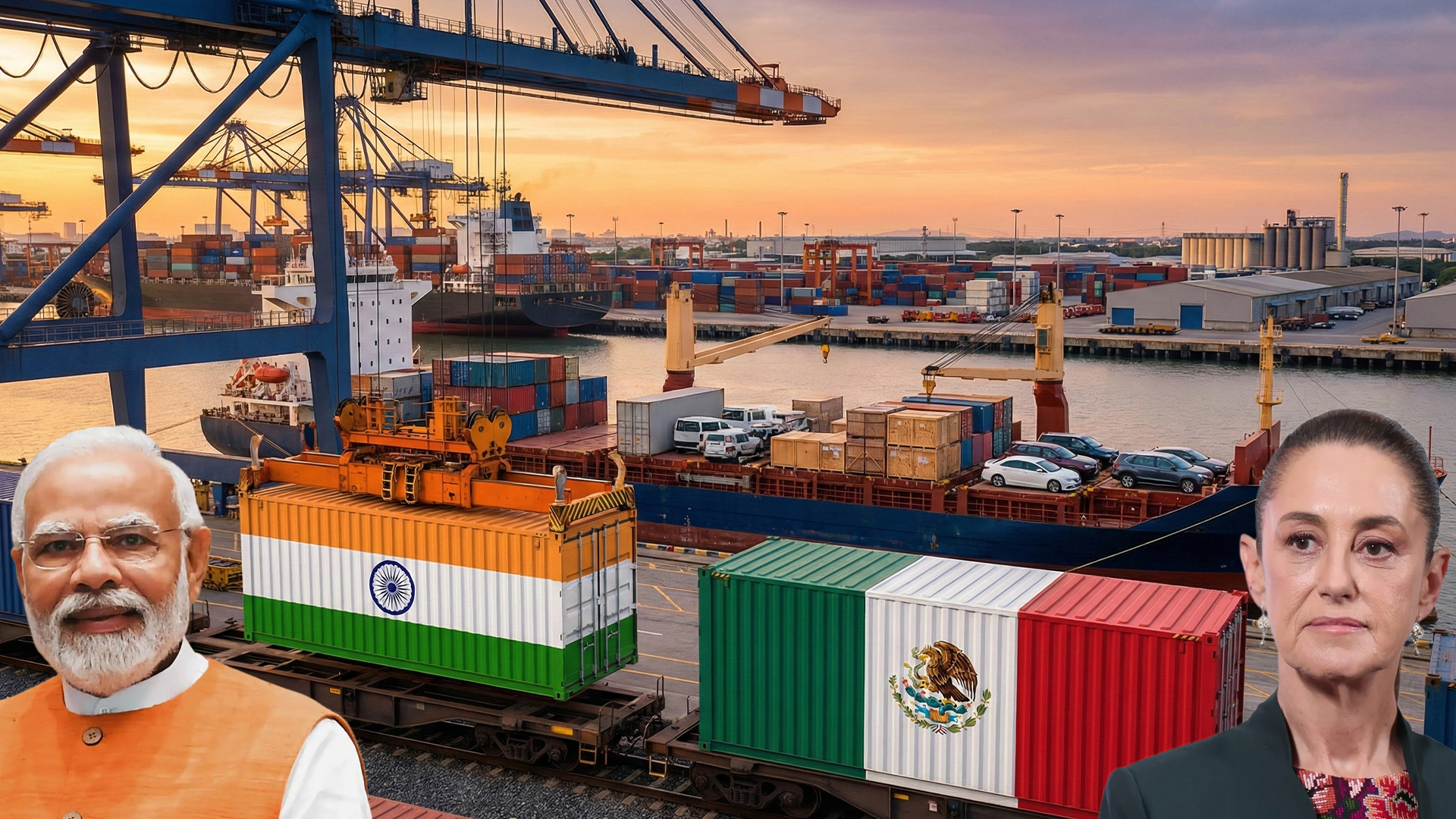
India, Mexico eye trade deal
India and Mexico are discussing a preferential trade agreement to protect around $2 billion of Indian exports, including autos, textiles, and steel, from Mexico’s planned tariff hikes. The talks aim to maintain stable bilateral trade and economic ties.
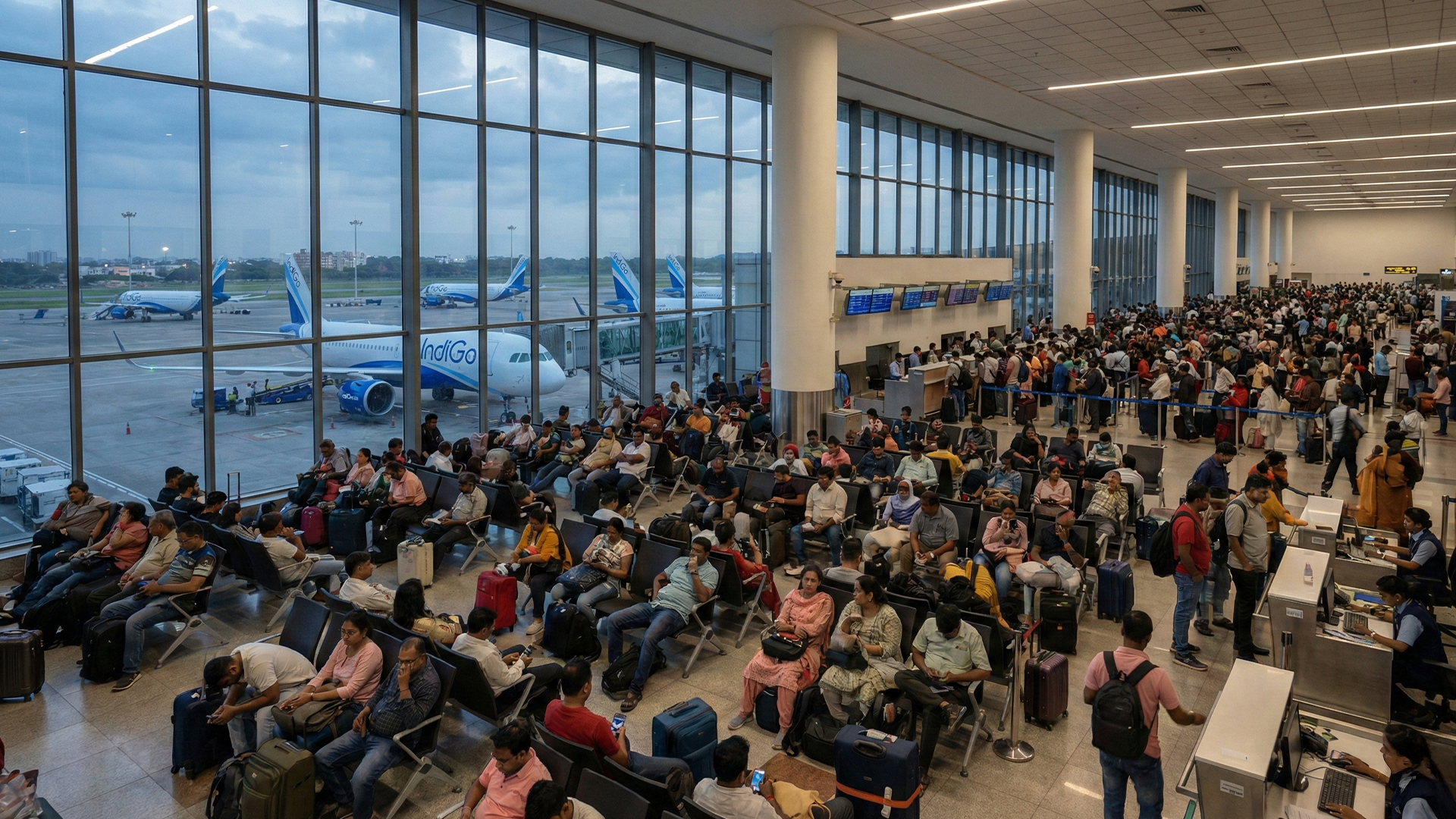
IndiGo to pay ₹5 billion after mass cancellations
IndiGo will pay over ₹5 billion ($55 million) to passengers after cancelling 4,500 flights between December 3–5 due to pilot shortages and duty regulations. The aviation regulator cut its winter schedule by 10 %, and compensation will prioritize affected travelers.
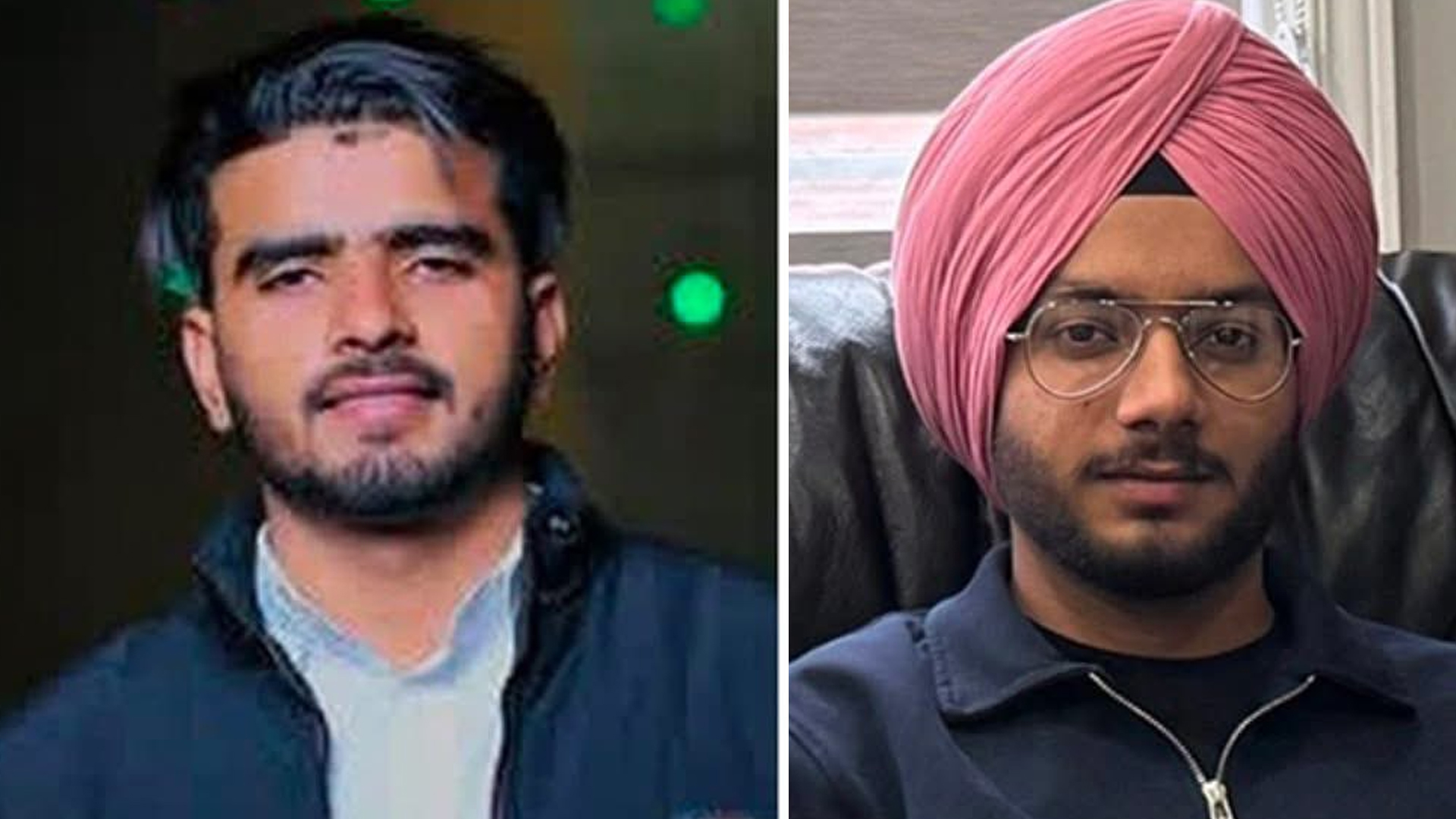
2 Punjabi youths shot dead in Canada
Two Punjabi youths, Gurdeep Singh (27) and Ranveer Singh (18) from Mansa, were shot dead in a targeted attack in Edmonton, Canada, while heading to a friend’s birthday party. Police are investigating; motive and suspects remain unknown.

Venezuelan leader escapes to Oslo after Nobel
Venezuelan opposition leader María Corina Machado, Nobel Peace Prize 2025 winner, escaped Venezuela after a year in hiding. Her daughter accepted the award on her behalf. Machado safely reached Oslo, highlighting her fight for democracy against Maduro’s government.

Iran seizes oil tanker in Gulf of Oman
Iran seized a foreign oil tanker in the Gulf of Oman, claiming it carried six million litres of smuggled diesel. The ship’s navigation systems were disabled, and 18 crew members from India, Sri Lanka, and Bangladesh were on board.
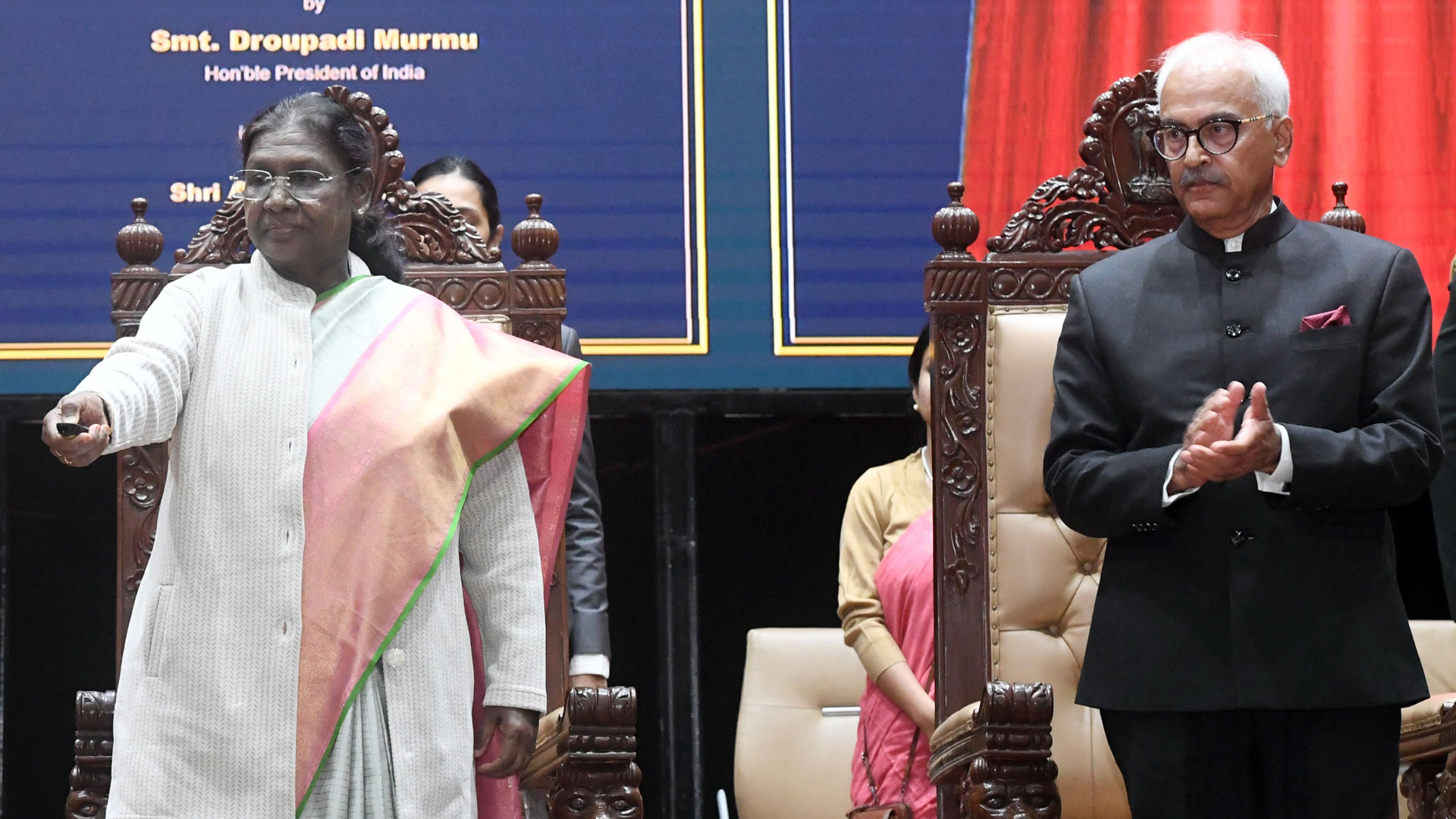
President Murmu visits Manipur despite shutdown
President Droupadi Murmu arrived in Manipur for a two‑day visit amid a shutdown called by insurgent groups. Markets and schools remained closed. She met officials, pledged support to affected families, and highlighted initiatives for peace, development, and public welfare.
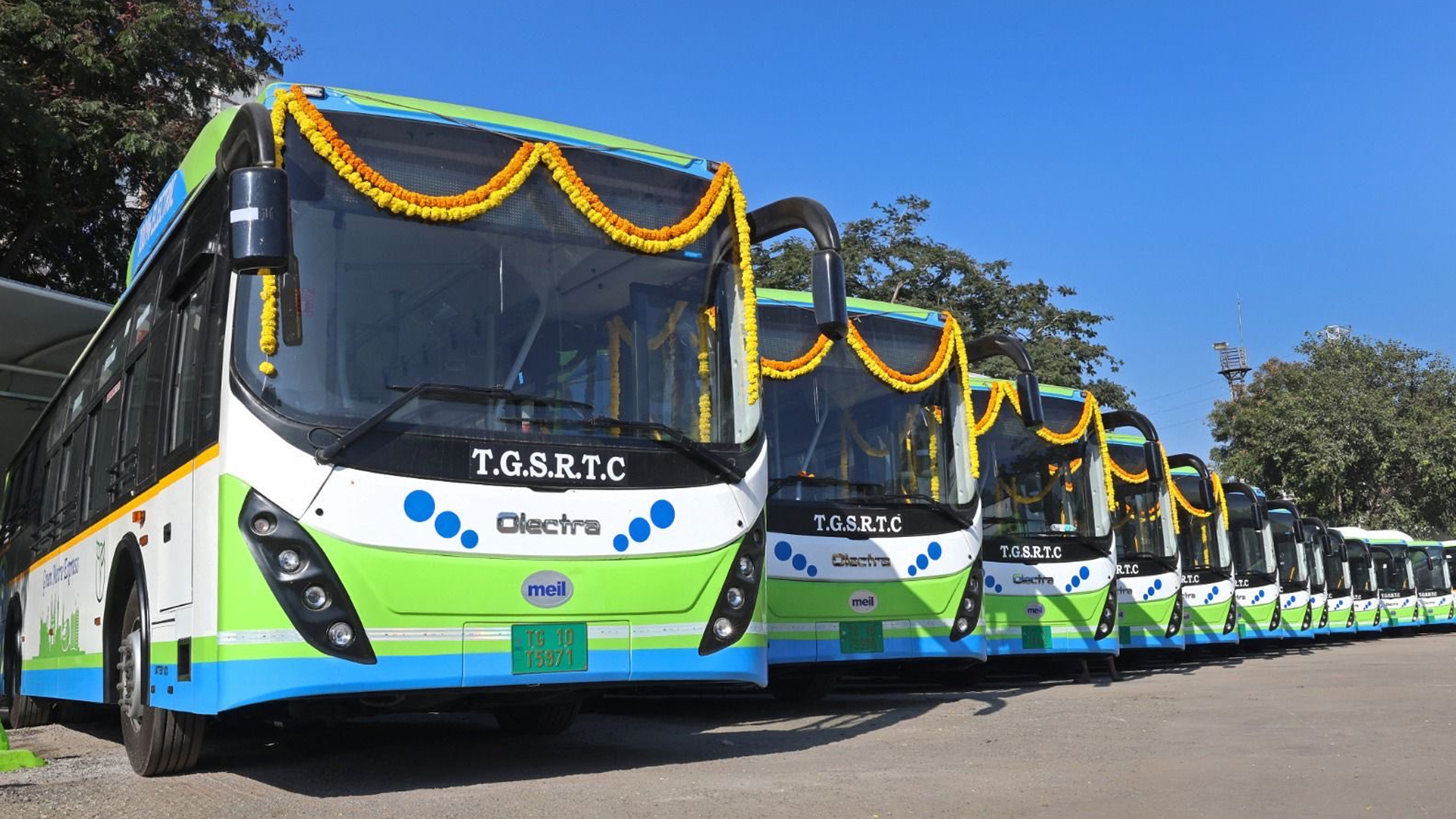
Telangana launches 65 new e-buses
TSRTC introduced 65 new electric buses in Hyderabad as part of its plan to deploy 500 low-floor e-buses with Evey Trans Pvt Ltd. The new fleet will improve urban routes across several colonies, with the remaining buses arriving by January 2026.
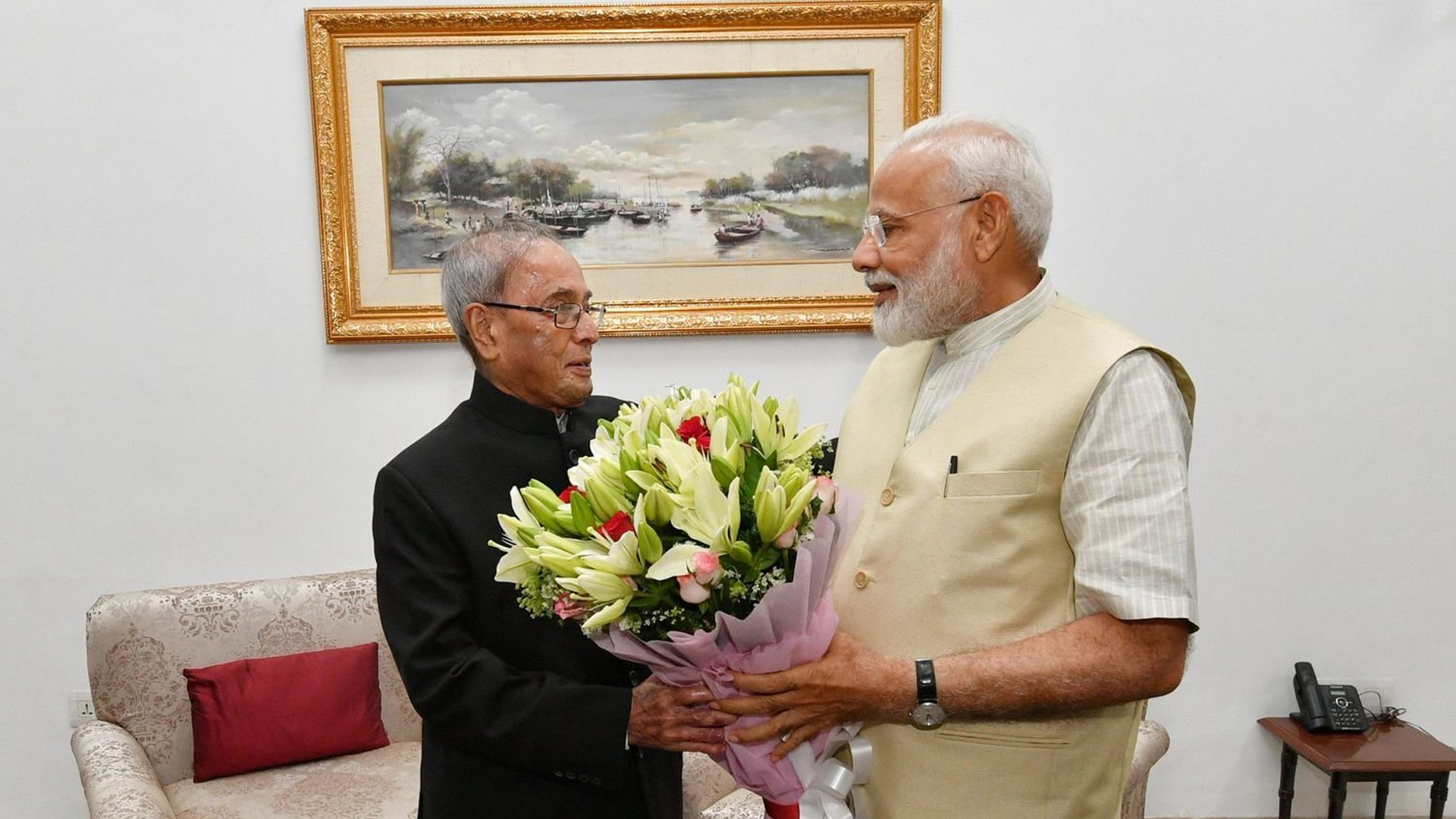
PM Modi pays tribute to Pranab Mukherjee
Prime Minister Narendra Modi paid homage to former President Pranab Mukherjee, calling him a towering statesman and dedicated public servant. He remembered Mukherjee’s invaluable contributions to India’s democracy and governance, with other leaders also honoring his legacy.

PM Modi, Piyush Goyal to Oman for free trade deal
PM Narendra Modi and Commerce Minister Piyush Goyal are expected to visit Oman next week to sign a free trade agreement (FTA). This deall will boost bilateral trade, enhance economic cooperation, and strengthen ties between the two countries.

Saudi opens alcohol sales for wealthy non-muslims
Saudi Arabia now allows non-Muslim residents earning 50,000 riyals or more to buy alcohol at Riyadh’s sole liquor store. Purchases follow a monthly point-based system, reflecting the kingdom’s gradual relaxation of social restrictions to attract talent and investment.
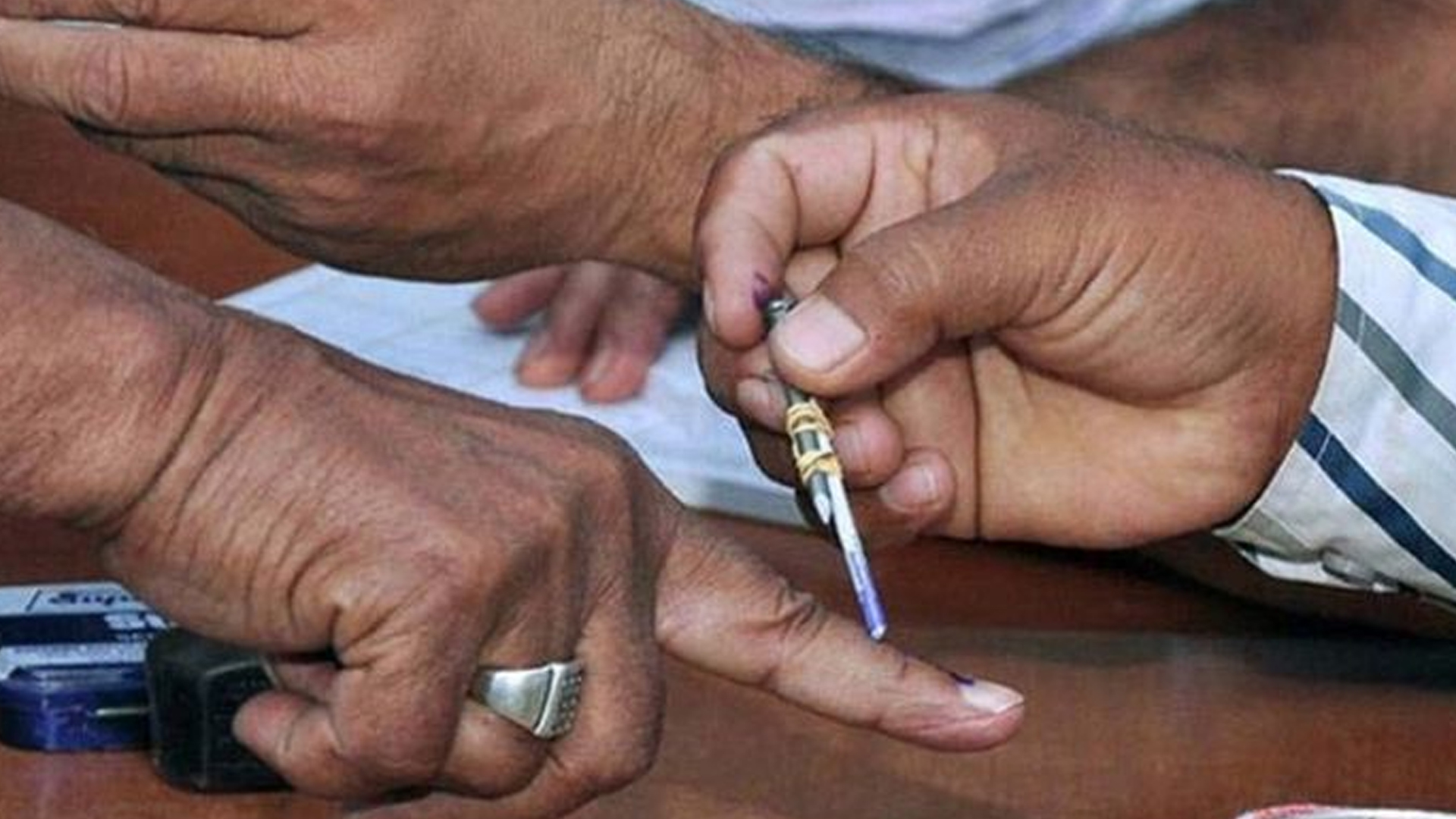
Kerala phase 1 polls see 70% turnout
Kerala recorded over 70% voter turnout in the first phase of local body elections across Thiruvananthapuram, Kollam, Pathanamthitta, Alappuzha, Kottayam, Idukki, and Ernakulam. Polling was largely peaceful, with minor incidents; the second phase is scheduled for Thursday.
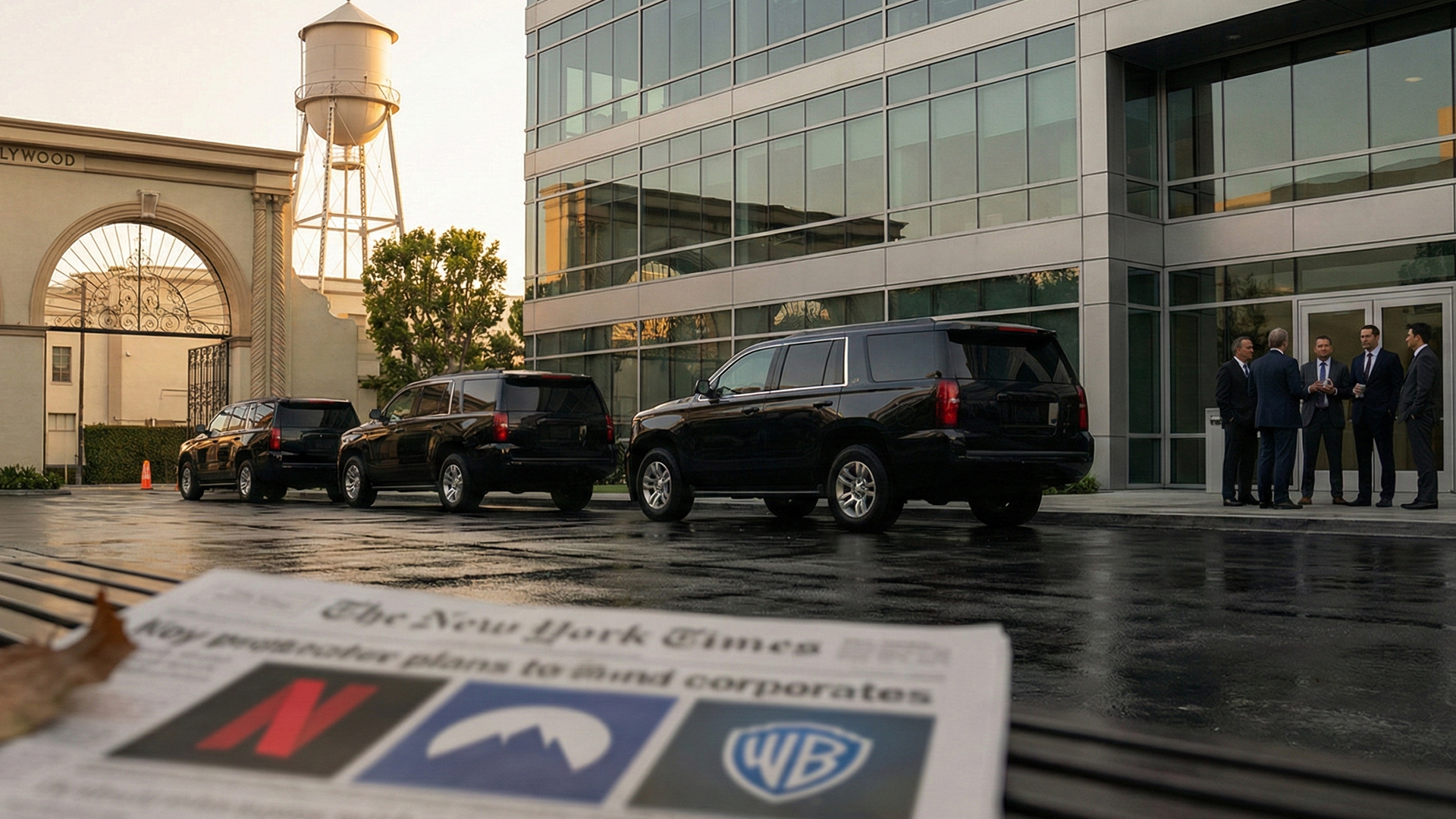
Paramount’s $108bn bid shakes WBD deal
Paramount launches $108.4 bn hostile bid for Warner Bros. Discovery, offering $30 per share in cash. The move challenges WBD’s $83 bn Netflix merger, promising higher value for shareholders and reshaping the global media and streaming landscape amid regulatory scrutiny.
About This Category
The Format Is the Editorial Argument
The name of this publication is The Summary. This section is where that philosophy is most directly expressed. The Summaries are not abbreviated versions of longer articles. They are complete pieces of journalism — reported, edited, and published at a length that respects both the story and the reader's time. The decision to keep them short is not a constraint. It is a position: that most news can be communicated clearly in 150 words, and that padding it to 600 words rarely improves it.
The editorial discipline required to produce a good summary is different from, and in some ways harder than, writing at length. Every sentence has to do real work. Nothing survives that doesn't belong there.
What Ends Up Here
The range is genuinely broad — and deliberately so. On any given day, The Summaries might carry a Karnataka cabinet resignation, a hospital fire in Bihar, a CBSE policy recommendation, a Kerala toddler death that has triggered public outrage, and a Cockroach Janta Party founder's plans to protest at Jantar Mantar. These are not thematically related stories. They are simply the news, treated with consistent brevity.
That breadth is the point. A reader who follows The Summaries doesn't need to choose a category to monitor. National politics, health research, civic tragedies, civil society, lifestyle news — it all comes through this section at a pace that doesn't require hours of reading to stay current.
The Judgment That Goes Into 150 Words
Selection is where the editorial work happens. Not everything becomes a Summary. Stories make it here when the core fact is clear, the significance is demonstrable, and the full picture can be honestly conveyed at short length without stripping context that the reader actually needs. A story like the Muzaffarpur hospital fire — four lives lost, a state inquiry ordered, families to be compensated — can be told completely in under two minutes. Stretching it doesn't add information; it adds length.
Some stories don't work as summaries because the context is too dense to compress responsibly. Those go elsewhere on the site. The Summaries is not a catchall; it's a format with specific requirements, and not every story meets them.
A Different Kind of Archive
Over time, The Summaries has become a reliable daily record of what happened in India and across the world — told concisely, sourced from official announcements and credible reporting, and published without the delay that often accompanies longer-form analysis. Readers who have followed the section consistently say it functions as a news briefing they can consume in a single sitting. That is more or less exactly what it was designed to do.
Frequently Asked Questions
Q1. What is The Summaries format and how is it different from other sections?
The Summaries are short, complete news pieces — typically under 150 words — covering a single event or development clearly and accurately. Unlike the full-length articles in sections like National, Business, or Health, these are written to be read in under a minute. The format is intentional: the goal is to report the news completely, not briefly for brevity's sake.
Q2. Does The Summaries cover all topics or only specific beats?
All topics. A single scroll through The Summaries on any given day might include political news, health research, a civic disaster, an education policy decision, and a human interest story. The connective thread is the format, not the subject. Readers who want to stay across multiple beats without tracking several sections will find everything here.
Q3. Are The Summaries just shortened versions of longer articles on the site?
No. They are standalone pieces written specifically for this format. Occasionally, a major developing story will have both a full article and a Summary — but they are written separately, for different purposes. The Summary version is complete on its own terms, not a teaser or a preview of something longer.
Q4. How does The Summary decide what becomes a Summary versus a full article?
If a story can be told accurately and completely at short length without stripping essential context, it's a candidate for The Summaries. If the background, timeline, or stakeholder complexity genuinely requires more room, it gets a full article. The test is whether the reader comes away informed — not whether the piece meets a word count.
Q5. How often is The Summaries section updated?
Throughout the day as news develops. There is no fixed publishing schedule — stories are published when they are ready. Readers who check in once or twice daily will typically find several new pieces each visit. The pace reflects the news cycle, not a content calendar.
Q6. Is The Summaries a good starting point for readers new to the site?
It is probably the most efficient way to understand the full scope of what The Summary covers. Because the section spans every beat — politics, business, health, lifestyle, science, national, world news — a few minutes in The Summaries gives a reader a clearer picture of the publication's range than browsing any single category section would.