
The Summaries
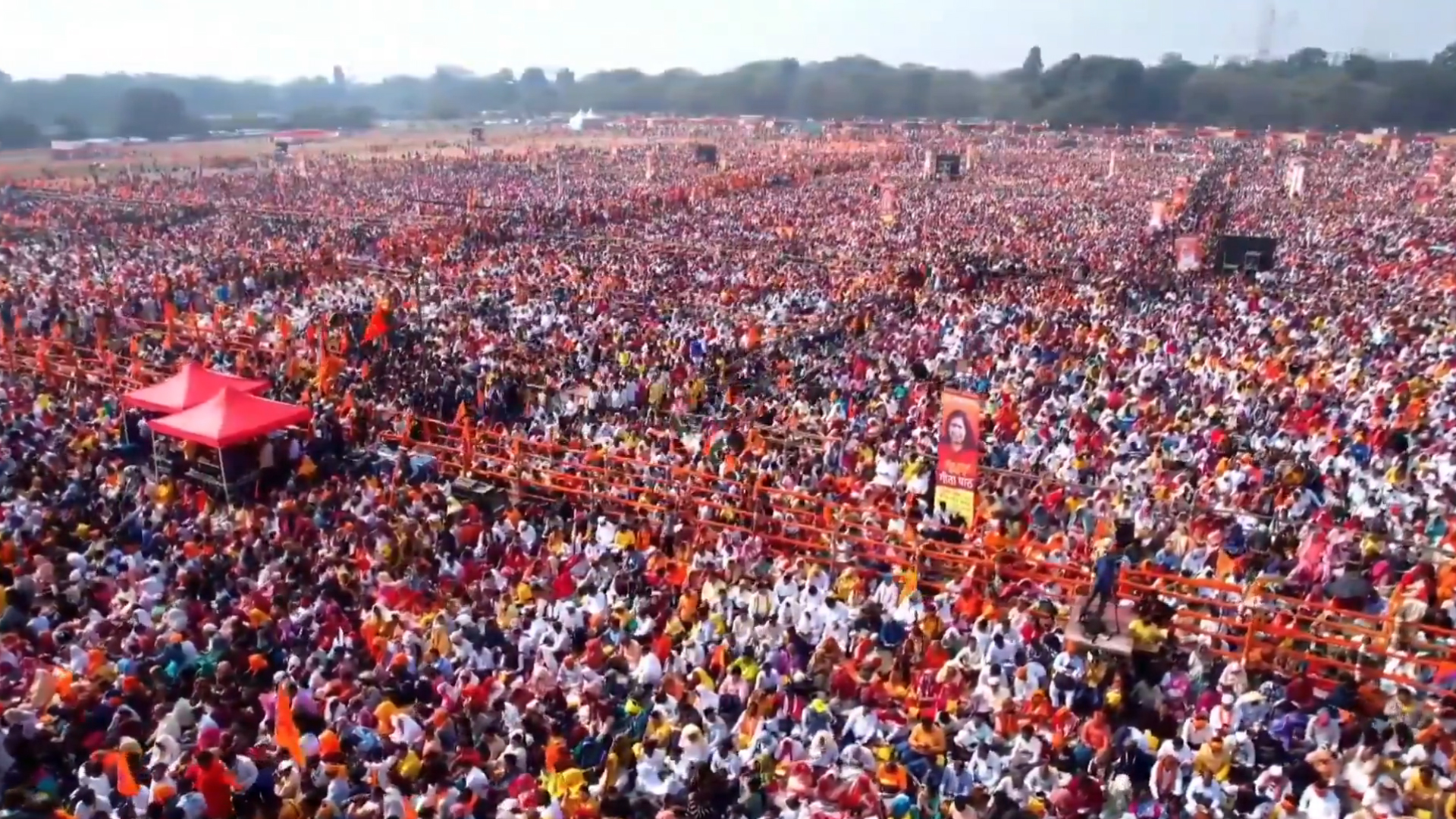
Huge Gita chanting event in Kolkata before polls
Thousands attended a massive Gita chanting event at Kolkata’s Brigade Parade Ground, organised by Sanatan Sanskriti Sansad with BJP support. Claims of five lakh participants were disputed, but the gathering aimed to promote Hindu unity ahead of West Bengal Assembly elections.

Chinese national detained for unauthorised travel in Ladakh
A Chinese national was detained in Ladakh for travelling to restricted areas without mandatory government permission. Authorities found the visit violated visa rules and are examining documents and digital data to assess potential security concerns.

2 Telugu students killed in US fire
A major fire engulfed an apartment in Birmingham, USA, killing two Telugu students from Hyderabad and Kukatpally. Thirteen others were rescued. Authorities and the university are assisting survivors while investigating the cause of the blaze.
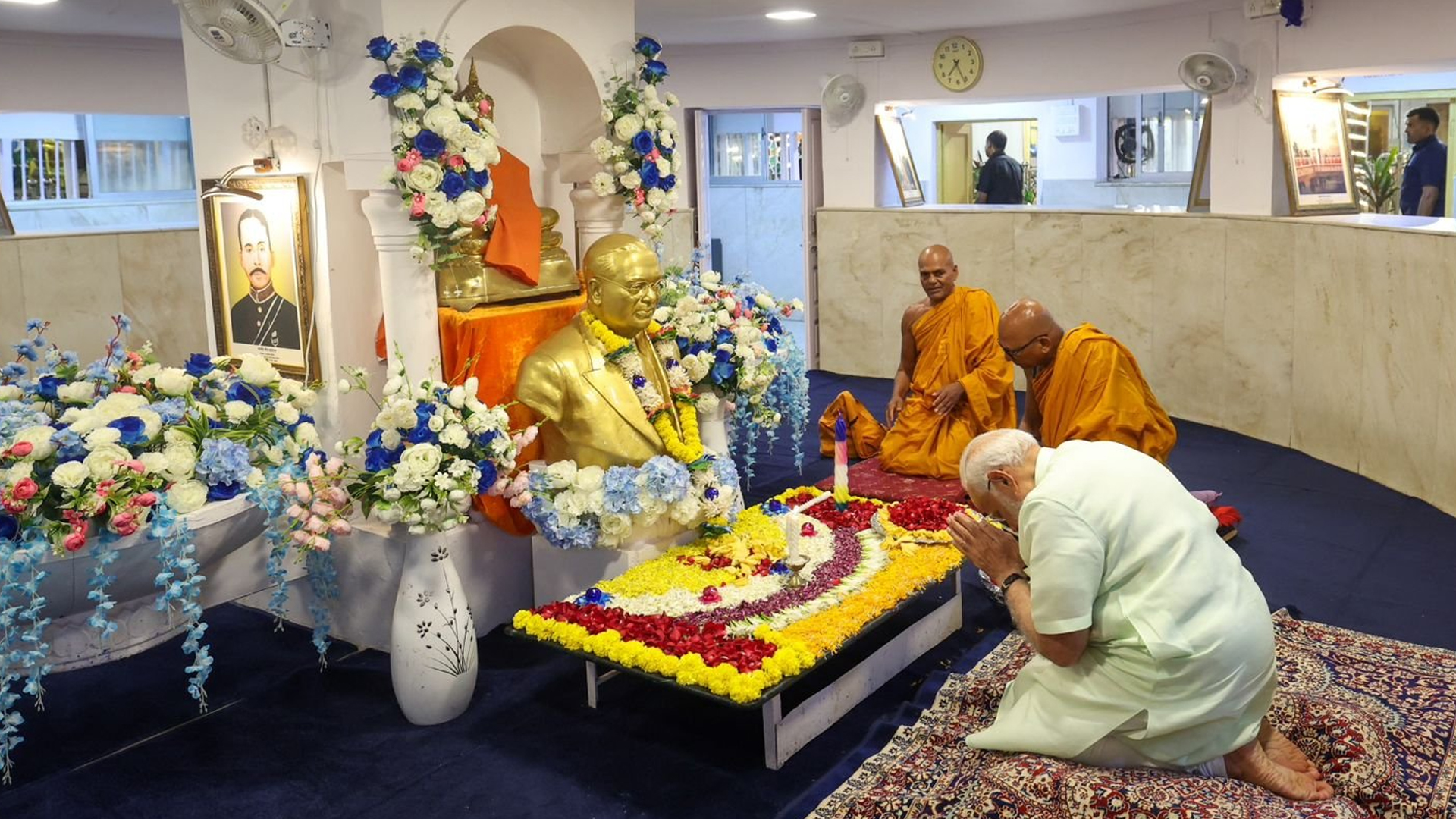
PM Modi honours B R Ambedkar’s enduring legacy
Prime Minister Narendra Modi paid tribute to Dr. B.R. Ambedkar on his Mahaparinirvan Diwas, praising his lifelong dedication to social justice, equality, and constitutional values. Modi emphasized that Ambedkar’s vision continues to inspire India’s journey toward a developed and inclusive nation.
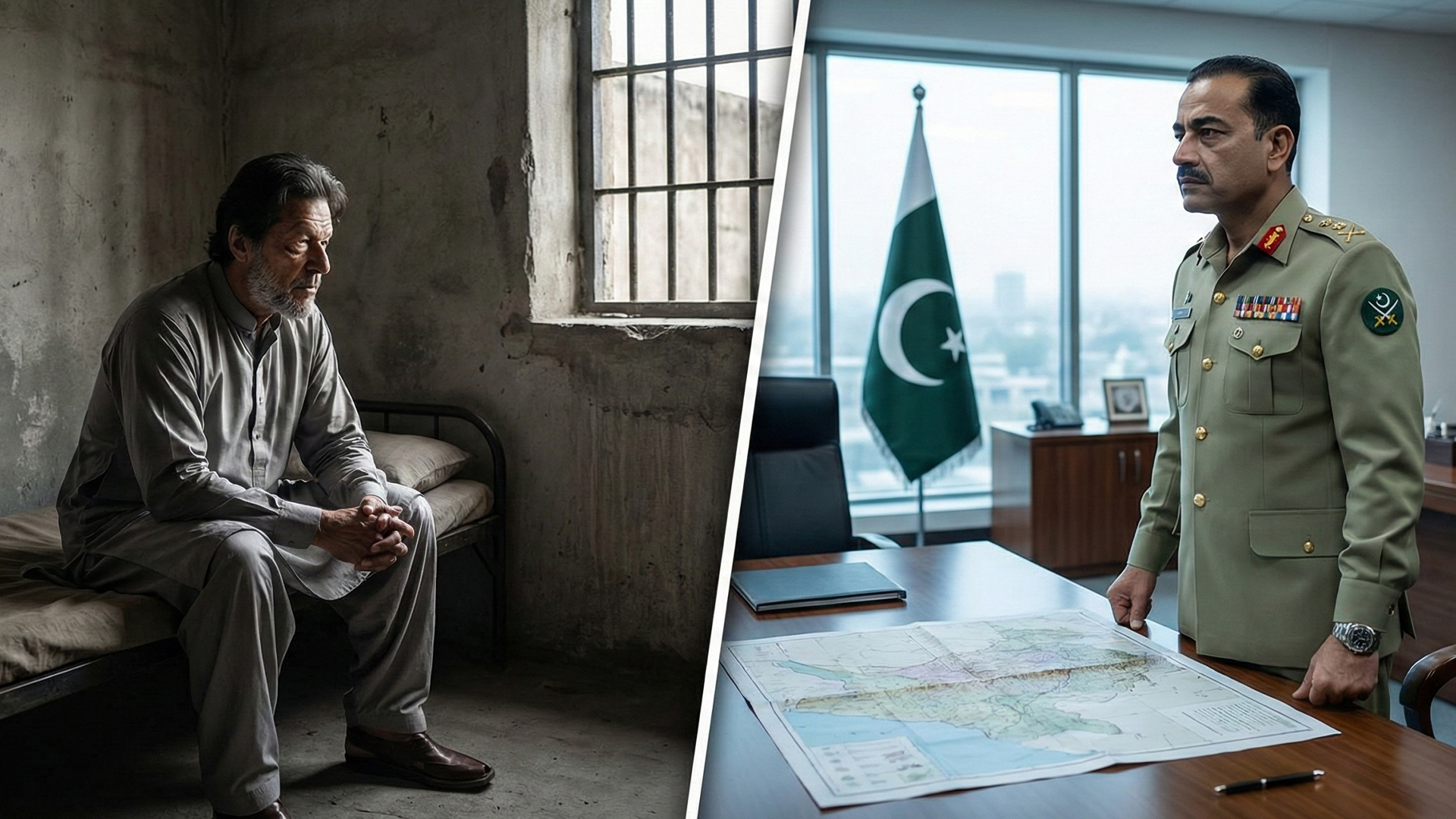
Imran Khan slams Pakistan army chief Munir
From jail, ex-Pakistan PM Imran Khan attacked army chief Asim Munir, labeling him “mentally unstable.” He accused Munir of disastrous policies favoring Western powers, fueling terrorism, straining Afghanistan ties, and targeting Khan with fabricated cases, while enduring solitary confinement and mental torture.

DC bomb suspect traced through Walmart store
Brian Cole Jr., arrested in the D.C. pipe-bomb case, allegedly bought pipes, end-caps, battery parts and timers from Walmart and Home Depot before the 2021 incident. Investigators matched receipts and phone data to place him near the spots where the bombs were left.
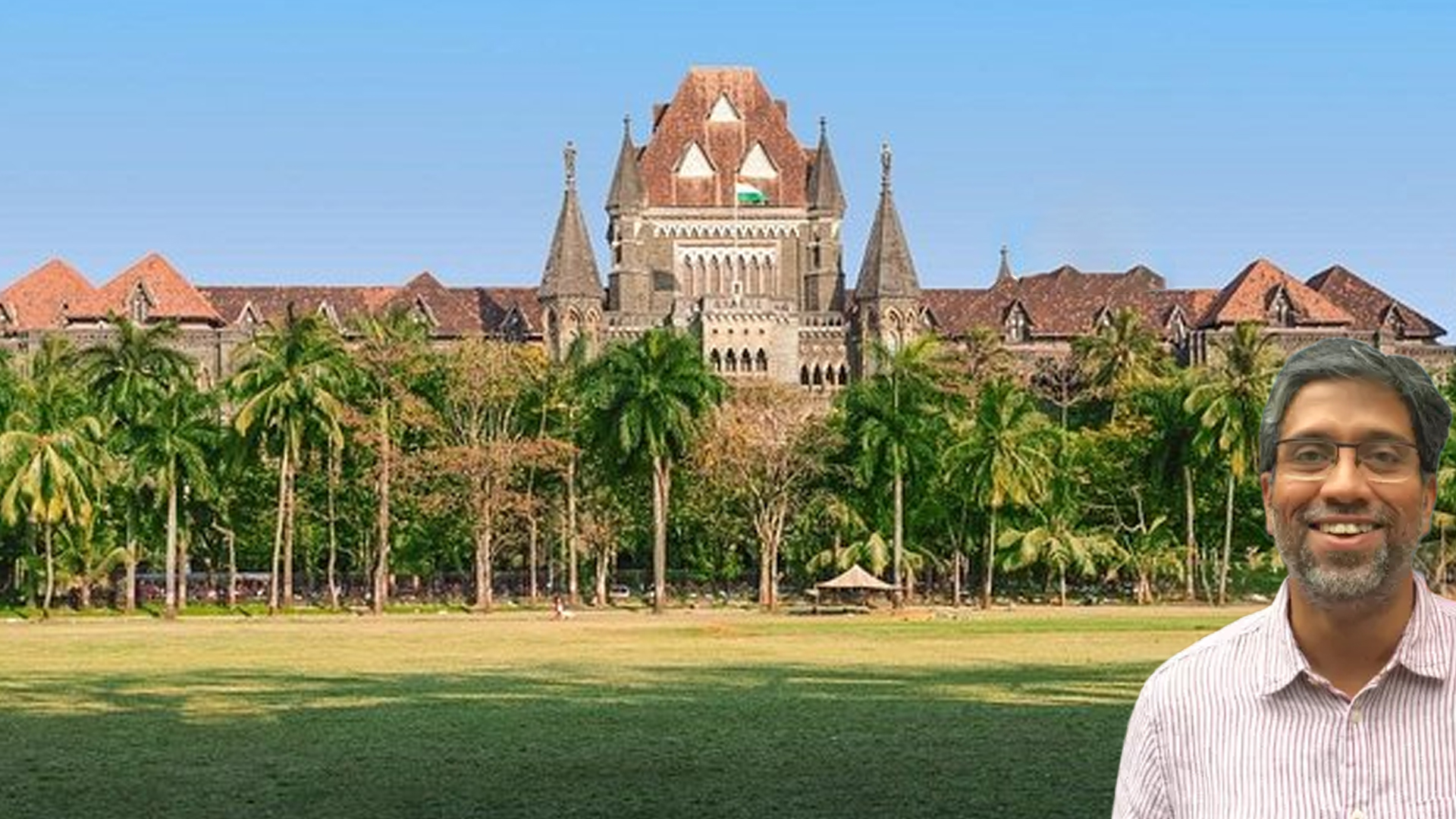
Former DU professor gets bail after five years
The Bombay High Court on December 4, 2025, granted bail to former Delhi University professor Hany Babu in the Bhima Koregaon case. Arrested in 2020 under UAPA, he spent over five years in jail without trial, violating his right to speedy justice.
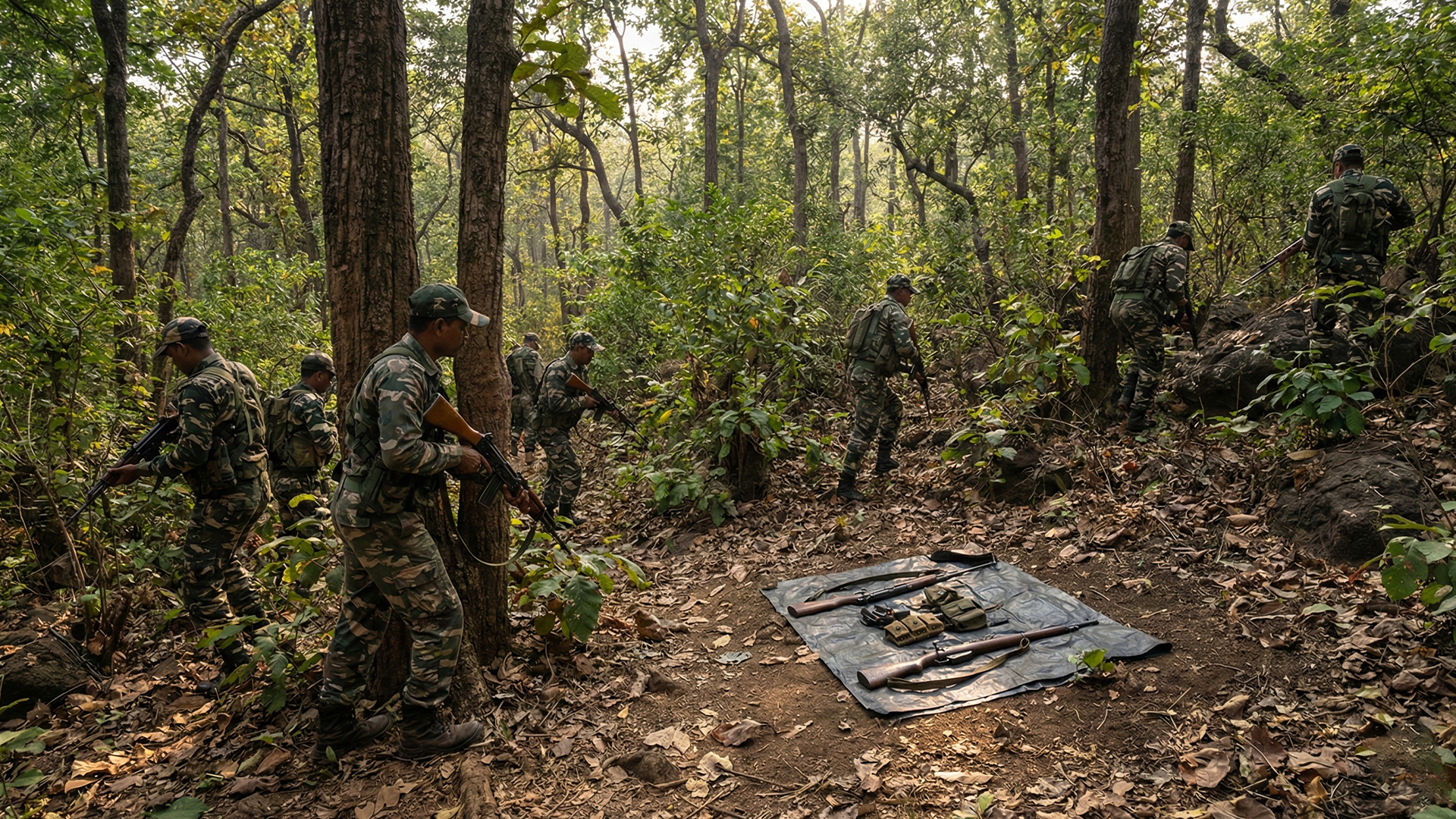
12 maoists, 3 jawans die in Bastar encounter
Twelve Maoists, including a senior commander, and three District Reserve Guard jawans were killed in a heavy exchange of fire on the Dantewada–Bijapur border in Bastar. Security forces recovered weapons, while one jawan was injured as search operations continued in the dense forest region.

Somali Americans called “unwanted” by Trump
At a Cabinet meeting, Trump said Somali immigrants contribute nothing and urged them to return home. He insulted Congresswoman Ilhan Omar, sparking criticism for dehumanising an entire community and raising fears of stricter immigration enforcement.

Tamil Nadu blames Vijay, TVK for stampede
Tamil Nadu has told the Supreme Court that the stampede at a Vijay event was caused by TVK’s “reckless actions” and intentional delays by the actor, which led to crowd mismanagement and chaotic conditions, resulting in injuries and panic among attendees.

First Australian PM to marry during tenure
Australian Prime Minister Anthony Albanese has made history by marrying longtime partner Jodie Haydon while in office. The private ceremony, attended by family and friends, marks the first time a sitting Australian leader has wed during their term.
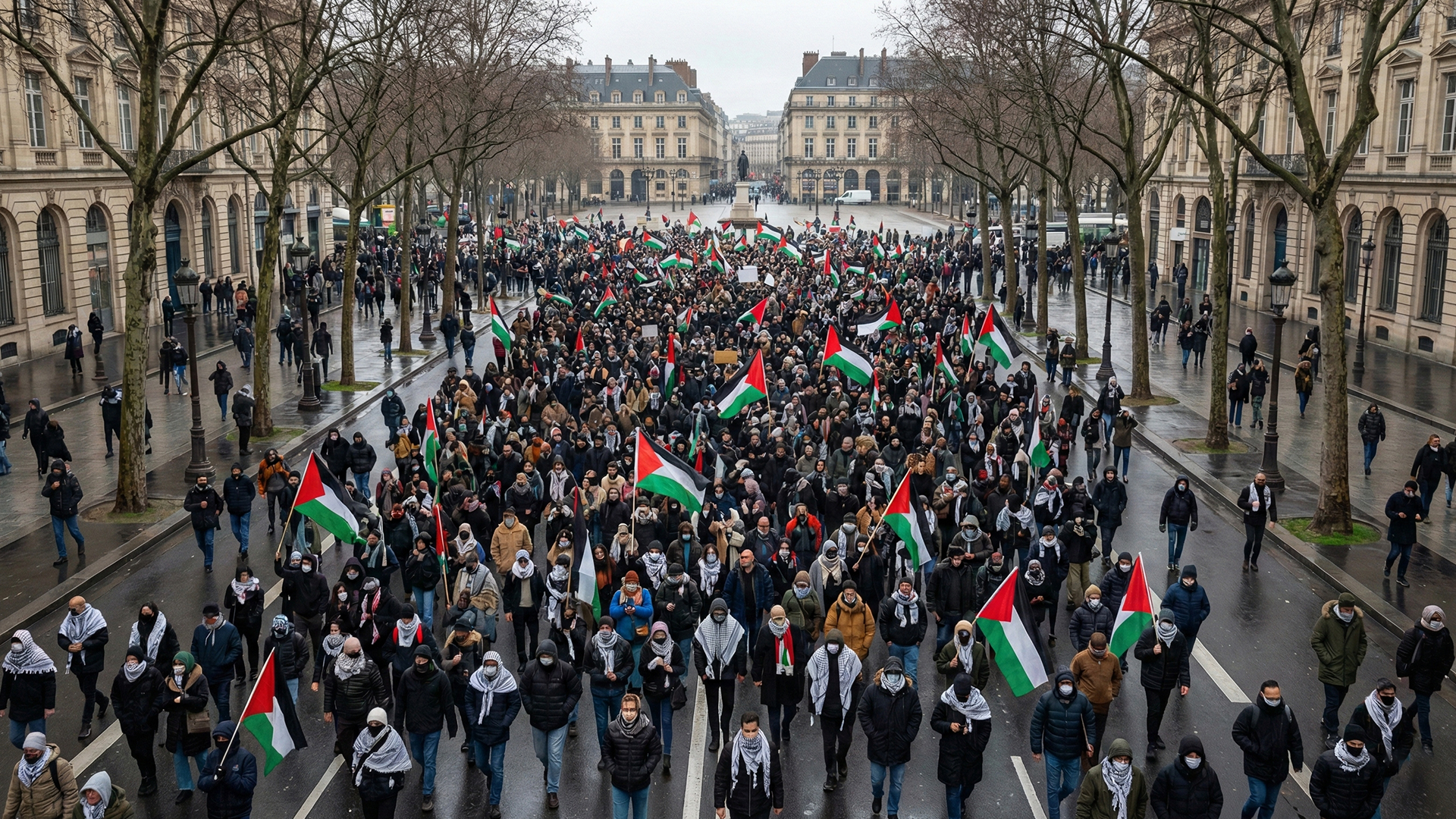
Europe shows solidarity with Palestinians in Gaza
Tens of thousands marched across Europe over the weekend, showing solidarity with Palestinians in Gaza. Demonstrators in cities like Paris, London, and Rome condemned violence, called for humanitarian aid, and urged governments to act, highlighting global concern over the ongoing crisis.
About This Category
The Format Is the Editorial Argument
The name of this publication is The Summary. This section is where that philosophy is most directly expressed. The Summaries are not abbreviated versions of longer articles. They are complete pieces of journalism — reported, edited, and published at a length that respects both the story and the reader's time. The decision to keep them short is not a constraint. It is a position: that most news can be communicated clearly in 150 words, and that padding it to 600 words rarely improves it.
The editorial discipline required to produce a good summary is different from, and in some ways harder than, writing at length. Every sentence has to do real work. Nothing survives that doesn't belong there.
What Ends Up Here
The range is genuinely broad — and deliberately so. On any given day, The Summaries might carry a Karnataka cabinet resignation, a hospital fire in Bihar, a CBSE policy recommendation, a Kerala toddler death that has triggered public outrage, and a Cockroach Janta Party founder's plans to protest at Jantar Mantar. These are not thematically related stories. They are simply the news, treated with consistent brevity.
That breadth is the point. A reader who follows The Summaries doesn't need to choose a category to monitor. National politics, health research, civic tragedies, civil society, lifestyle news — it all comes through this section at a pace that doesn't require hours of reading to stay current.
The Judgment That Goes Into 150 Words
Selection is where the editorial work happens. Not everything becomes a Summary. Stories make it here when the core fact is clear, the significance is demonstrable, and the full picture can be honestly conveyed at short length without stripping context that the reader actually needs. A story like the Muzaffarpur hospital fire — four lives lost, a state inquiry ordered, families to be compensated — can be told completely in under two minutes. Stretching it doesn't add information; it adds length.
Some stories don't work as summaries because the context is too dense to compress responsibly. Those go elsewhere on the site. The Summaries is not a catchall; it's a format with specific requirements, and not every story meets them.
A Different Kind of Archive
Over time, The Summaries has become a reliable daily record of what happened in India and across the world — told concisely, sourced from official announcements and credible reporting, and published without the delay that often accompanies longer-form analysis. Readers who have followed the section consistently say it functions as a news briefing they can consume in a single sitting. That is more or less exactly what it was designed to do.
Frequently Asked Questions
Q1. What is The Summaries format and how is it different from other sections?
The Summaries are short, complete news pieces — typically under 150 words — covering a single event or development clearly and accurately. Unlike the full-length articles in sections like National, Business, or Health, these are written to be read in under a minute. The format is intentional: the goal is to report the news completely, not briefly for brevity's sake.
Q2. Does The Summaries cover all topics or only specific beats?
All topics. A single scroll through The Summaries on any given day might include political news, health research, a civic disaster, an education policy decision, and a human interest story. The connective thread is the format, not the subject. Readers who want to stay across multiple beats without tracking several sections will find everything here.
Q3. Are The Summaries just shortened versions of longer articles on the site?
No. They are standalone pieces written specifically for this format. Occasionally, a major developing story will have both a full article and a Summary — but they are written separately, for different purposes. The Summary version is complete on its own terms, not a teaser or a preview of something longer.
Q4. How does The Summary decide what becomes a Summary versus a full article?
If a story can be told accurately and completely at short length without stripping essential context, it's a candidate for The Summaries. If the background, timeline, or stakeholder complexity genuinely requires more room, it gets a full article. The test is whether the reader comes away informed — not whether the piece meets a word count.
Q5. How often is The Summaries section updated?
Throughout the day as news develops. There is no fixed publishing schedule — stories are published when they are ready. Readers who check in once or twice daily will typically find several new pieces each visit. The pace reflects the news cycle, not a content calendar.
Q6. Is The Summaries a good starting point for readers new to the site?
It is probably the most efficient way to understand the full scope of what The Summary covers. Because the section spans every beat — politics, business, health, lifestyle, science, national, world news — a few minutes in The Summaries gives a reader a clearer picture of the publication's range than browsing any single category section would.