
The Summaries
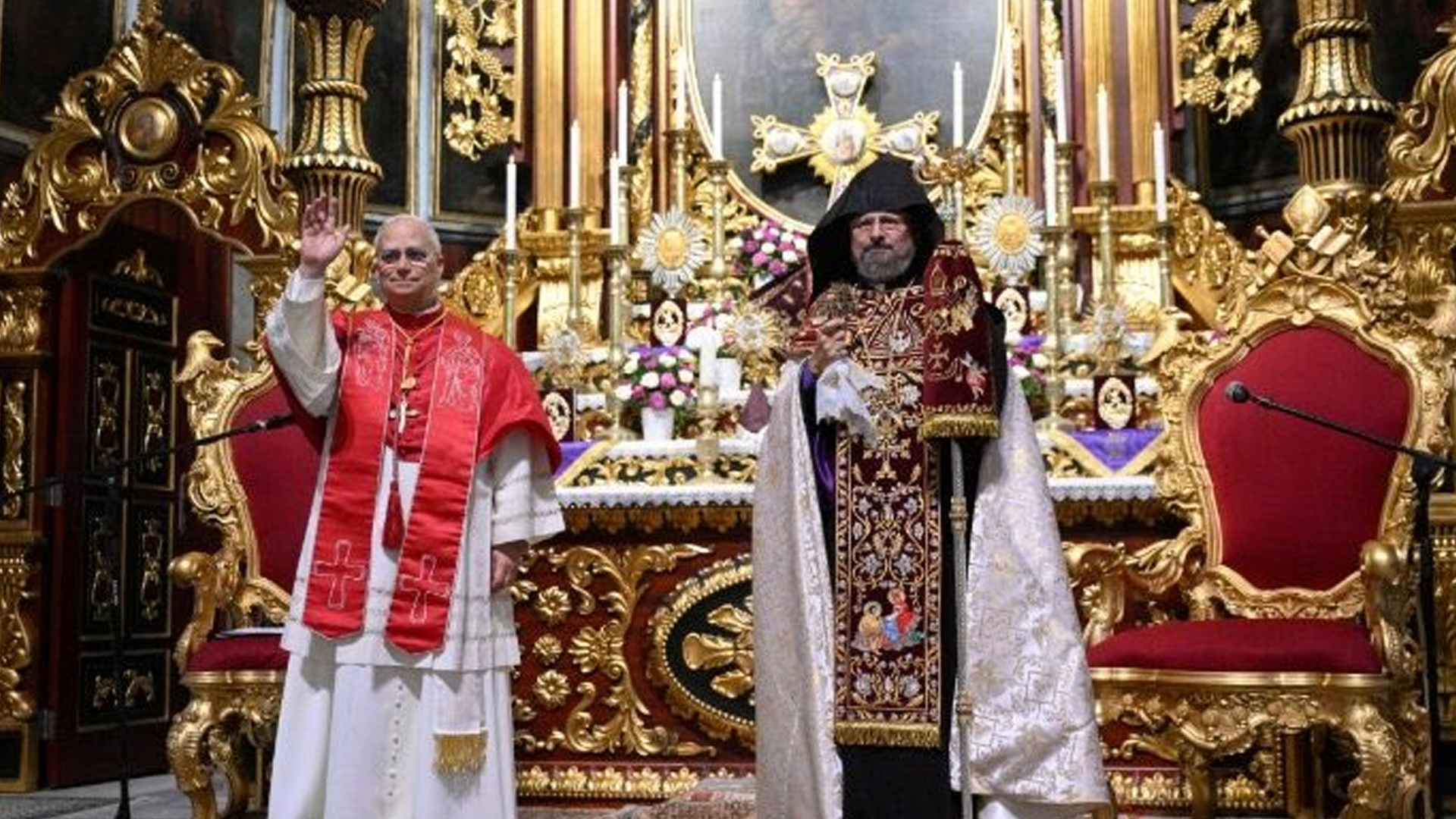
Pope Leo XIV prays in Istanbul for reconciliation
Pope Leo XIV visited the Armenian Cathedral in Istanbul, offering a heartfelt prayer for the Armenian Christian community as a touching act of solidarity. His gesture brings hope to reconciliation efforts between Turkey and Armenia, reinstating shared faith and healing.
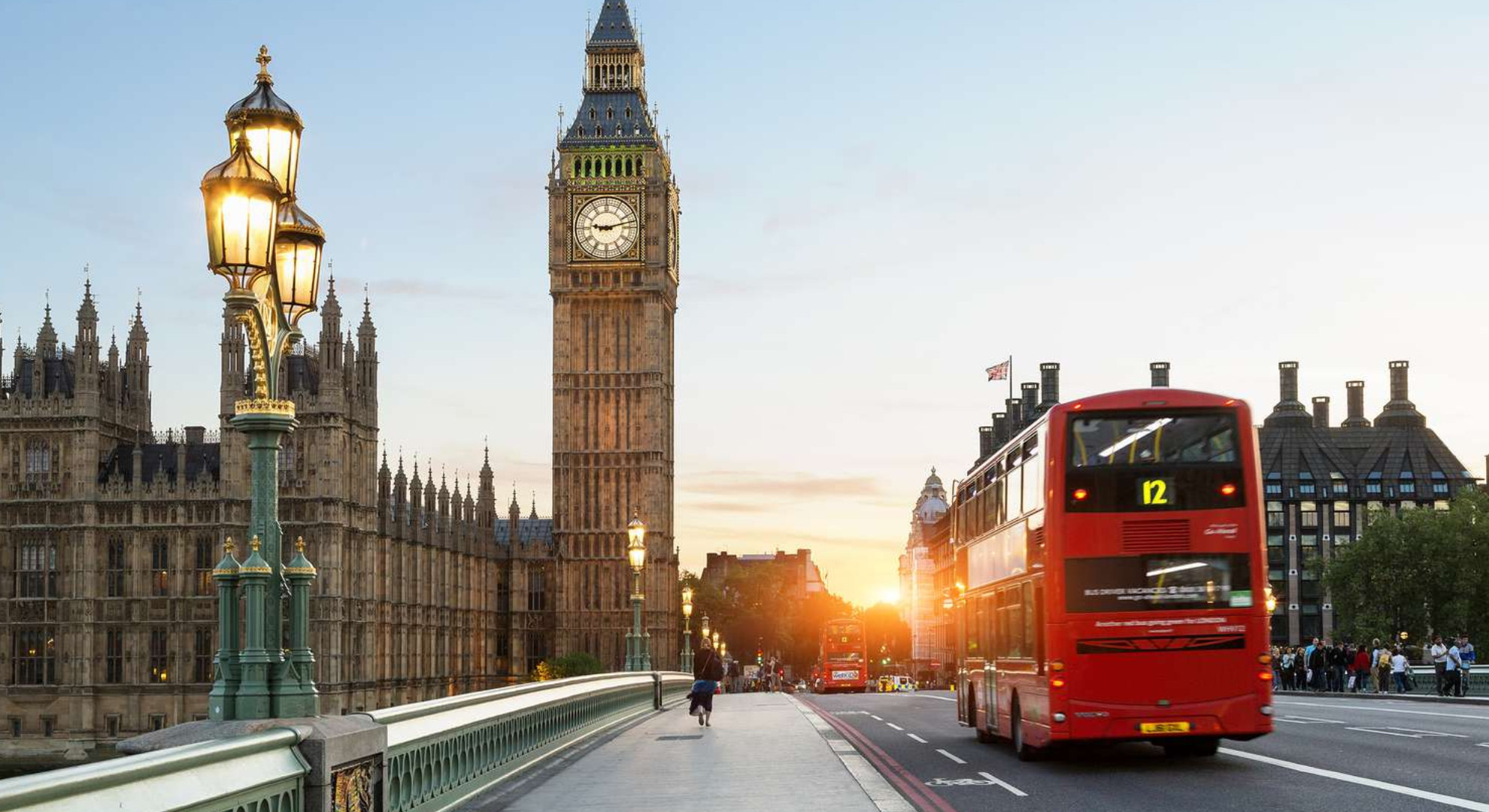
Casagrand flies 1,000 staff on London trip
Casagrand is sending 1,000 employees, around 15% of its workforce, on a fully paid week-long trip to London. The initiative aims to reward staff contributions, strengthen loyalty, and give many their first international travel experience.

DGCA grounds Airbus A320 jets over safety update
DGCA has grounded all Airbus A320-family planes in India, including A318, A319, A320, and A321 models, until a mandatory safety update is applied. Over half the fleet has received the fix; minor delays possible, no cancellations reported.
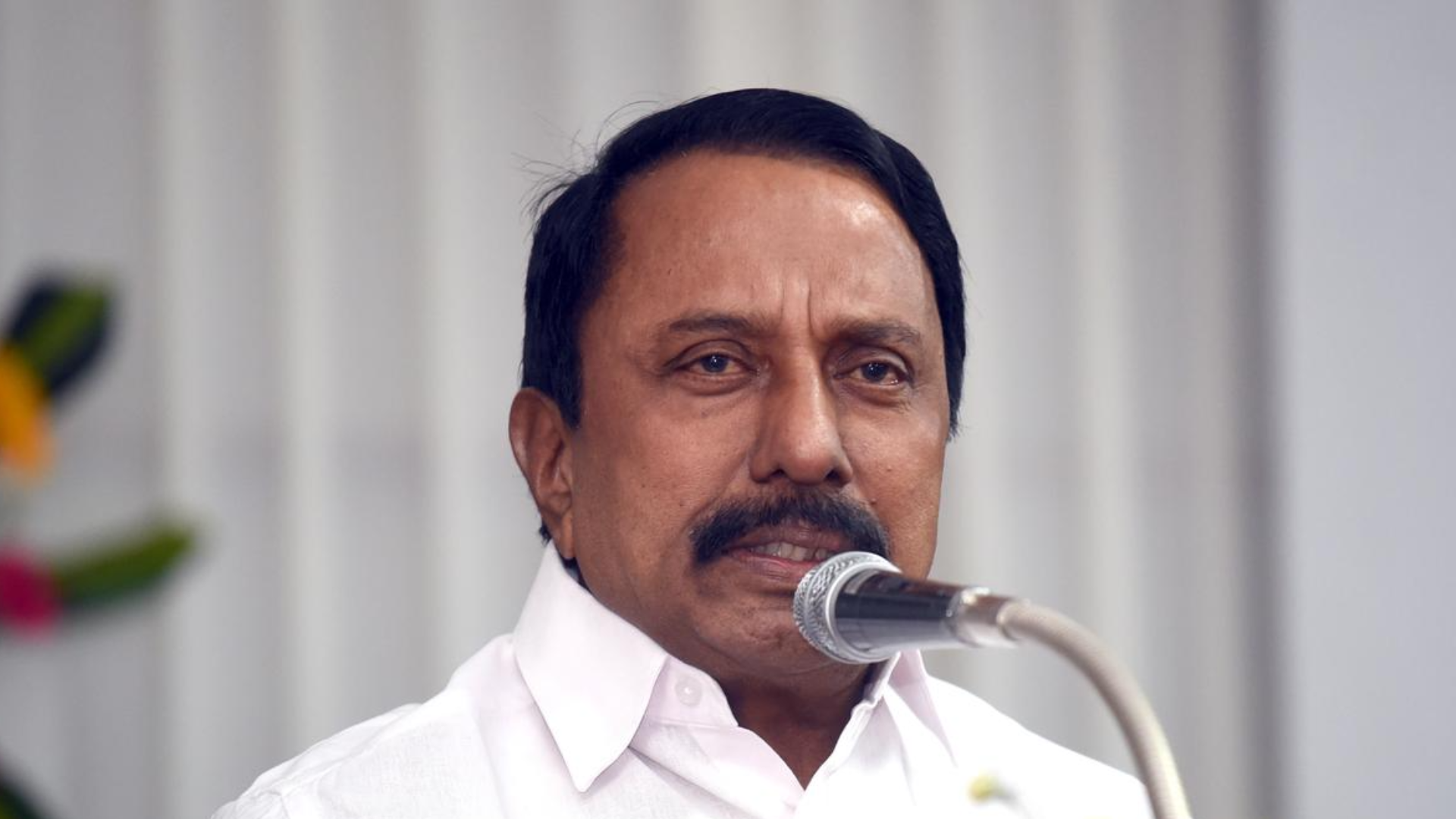
AIADMK veteran Sengottaiyan joins Vijay’s TVK
AIADMK veteran K.A. Sengottaiyan joined actor Vijay’s Tamizhaga Vettri Kazhagam (TVK) in Chennai, a day after resigning as MLA. His move is seen as a key boost for the party ahead of Tamil Nadu’s 2026 Assembly elections.

Haryana car number HR88B8888 sold for ₹1.17 cr
The highest-ever price for a car number in India, it was won by a Charkhi Dadri businessman, who now has five days to complete payment and claim it. Haryana’s VIP vehicle number HR88B8888 caught a record ₹1.17 crore at the auction.

Tragic suicide of pan-masala magnate’s kin
A 38-year-old woman, daughter-in-law of a pan-masala business owner, was found dead by hanging at her Vasant Vihar home in Delhi. A diary mentioning personal issues was recovered. Police are investigating, while the family alleges harassment.

Uzbek Grandmaster won FIDE World Cup title
Nineteen-year-old Uzbek grandmaster Javokhir Sindarov defeated Wei Yi in rapid tiebreaks to win the 2025 FIDE World Cup in Goa. He became the youngest-ever champion, earned $120,000, and qualified for the 2026 Candidates Tournament.
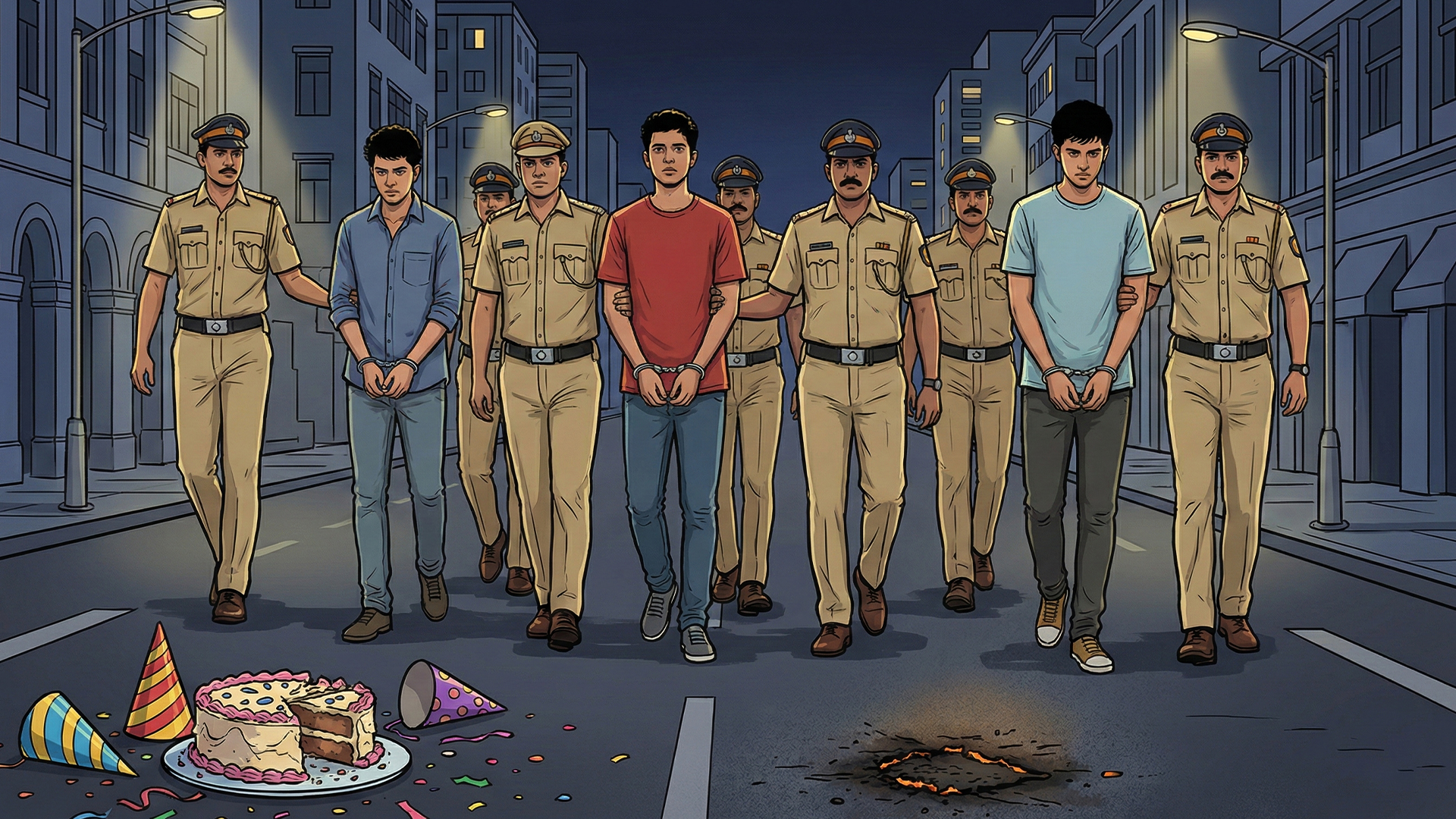
Drunk friends burn birthday boy in Mumbai
In Mumbai, five friends allegedly doused a 21-year-old man with petrol and set him on fire during his birthday. He sustained serious burns and was hospitalized. Police have arrested all five and registered an attempted-murder case against them.
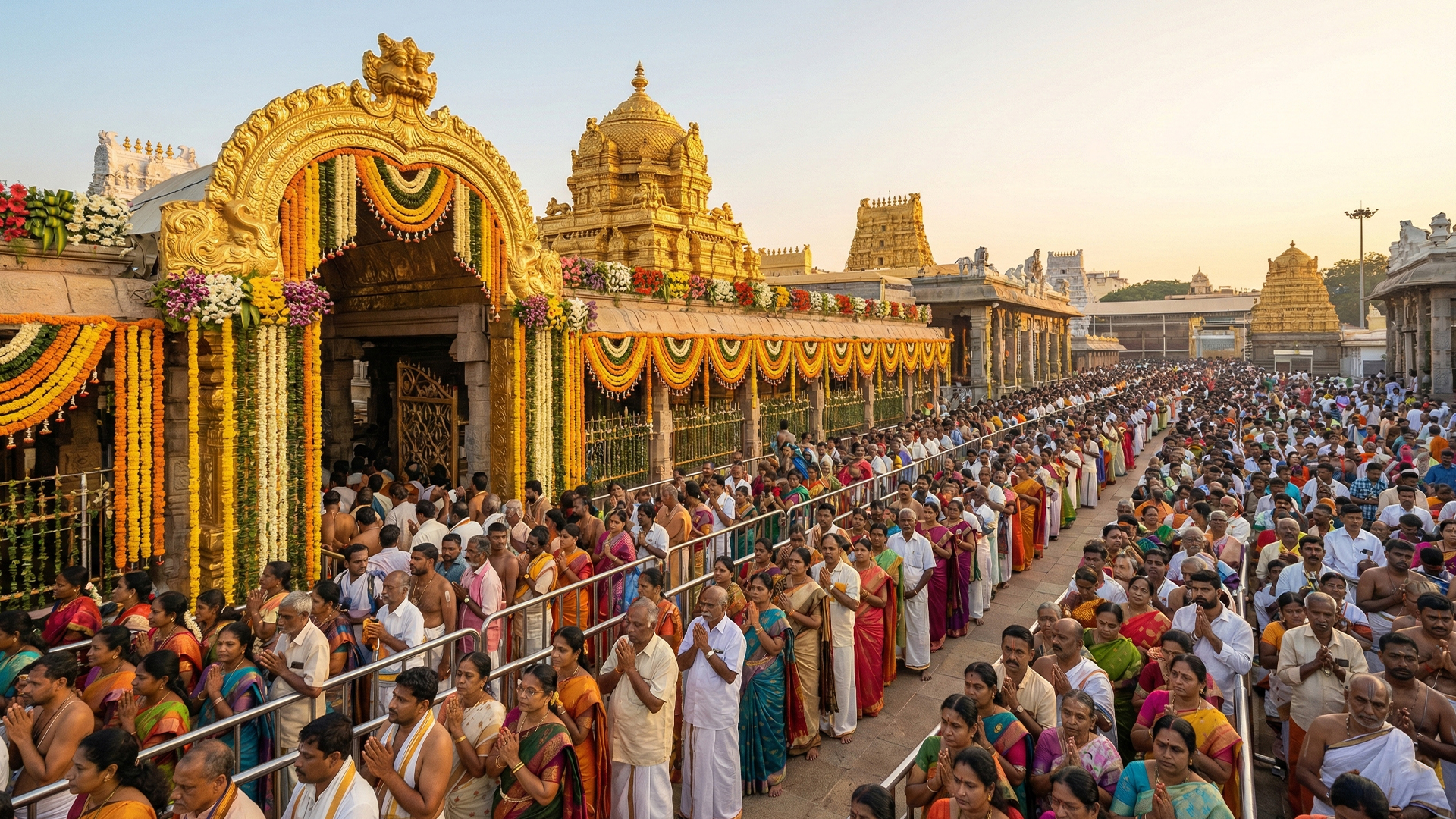
TTD brings online Vaikunta Dwara Darshan plan
Tirumala Tirupati Devasthanams (TTD) has released a detailed plan for Vaikunta Dwara Darshan from December 30 to January 8. Tokens for December 30–January 1 will be issued exclusively online, while remaining days allow online booking or direct queue access for devotees.
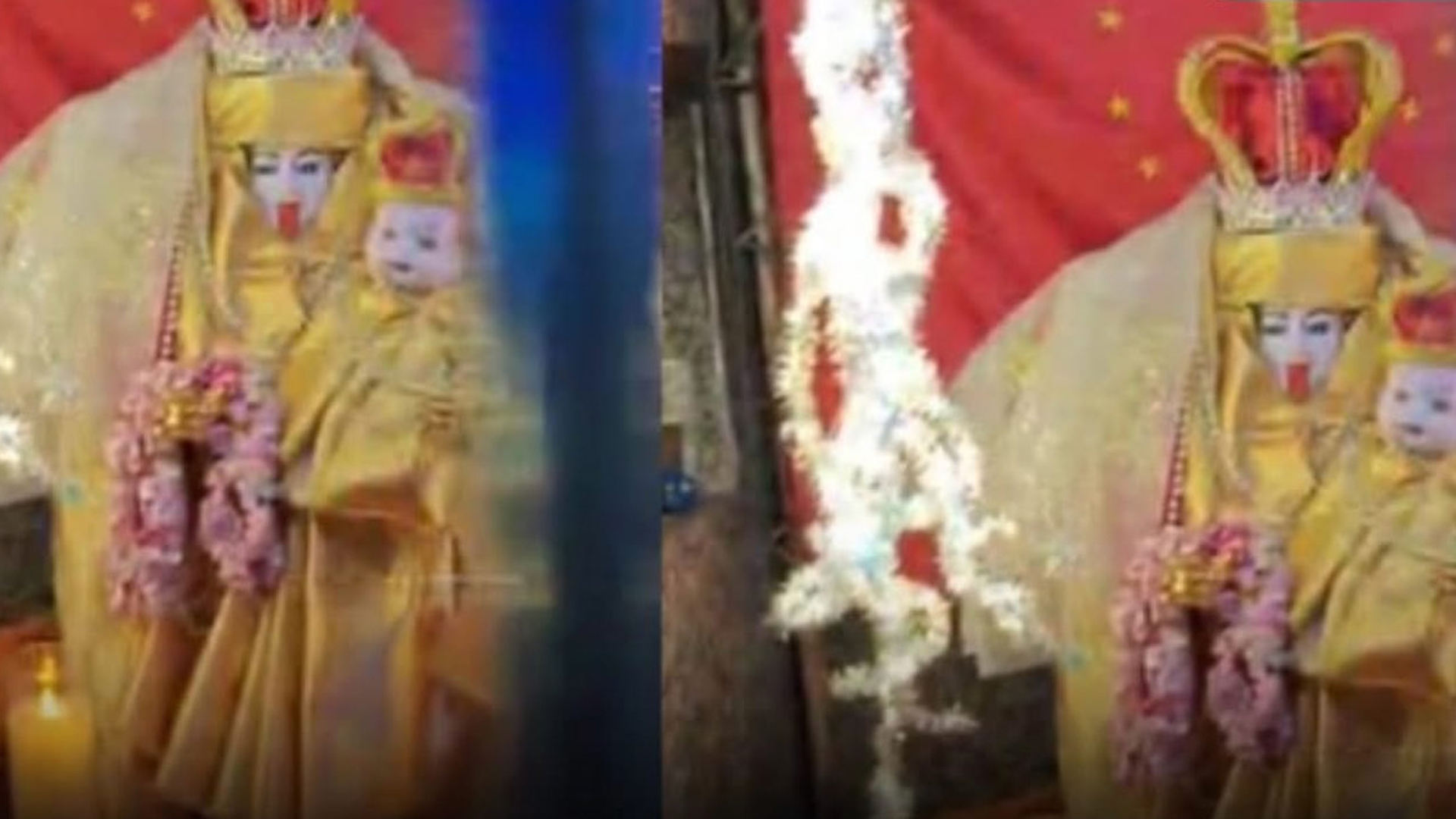
Mumbai priest dresses Kali idol as Mother Mary
In Mumbai’s Chembur, a Kali idol was found dressed as Mother Mary, shocking devotees. The temple priest claimed a divine dream instructed him. Following complaints, police arrested him for hurting religious sentiments; investigations are ongoing.
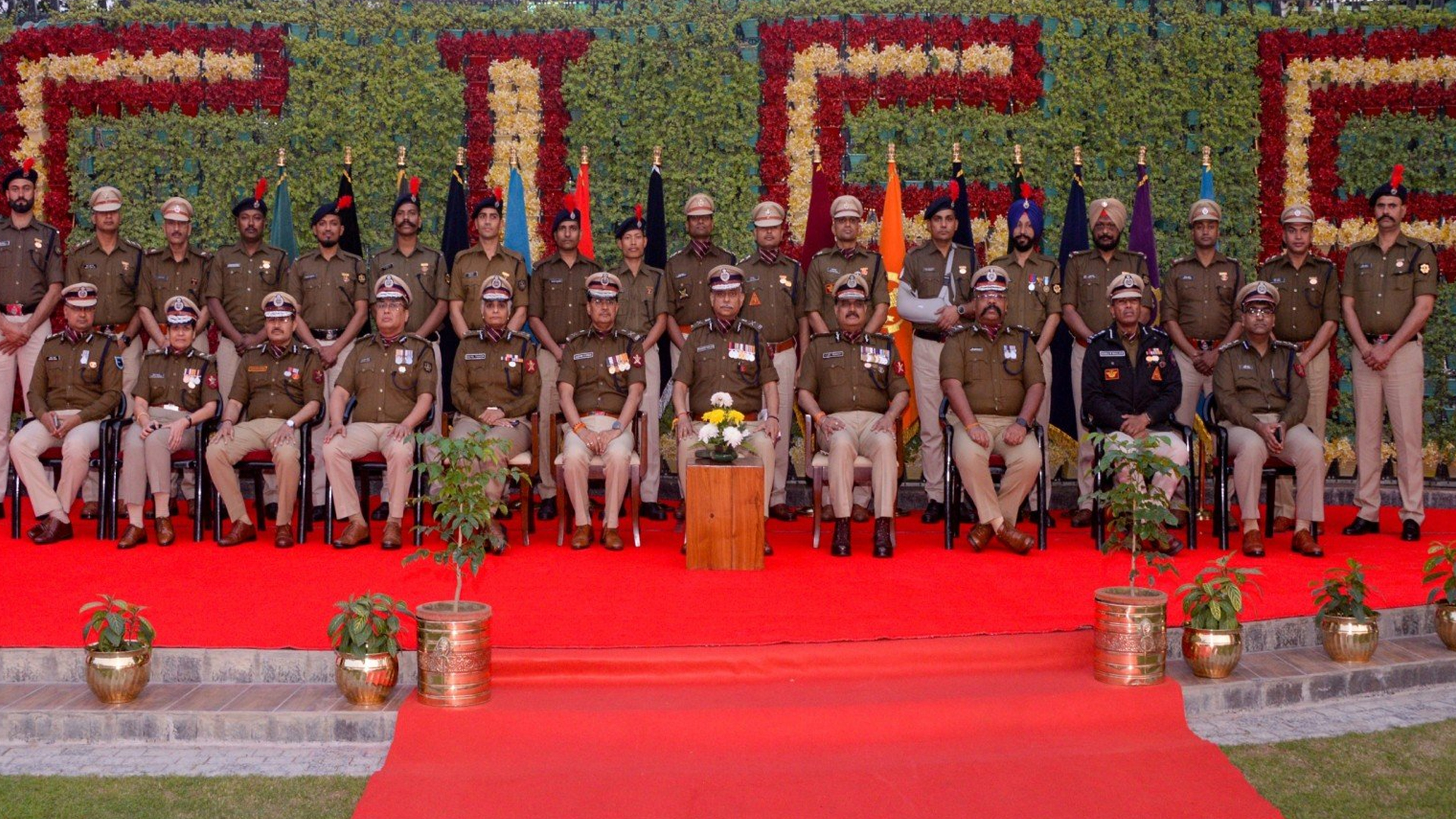
CISF heroes awarded for Operation Sindoor
Nineteen CISF personnel were honoured with the Director General’s Disc for rescuing around 250 civilians and safeguarding the Uri hydropower projects during heavy Pakistani shelling in Operation Sindoor. Their swift evacuations, bunker reinforcement and protection of vital installations ensured zero casualties.
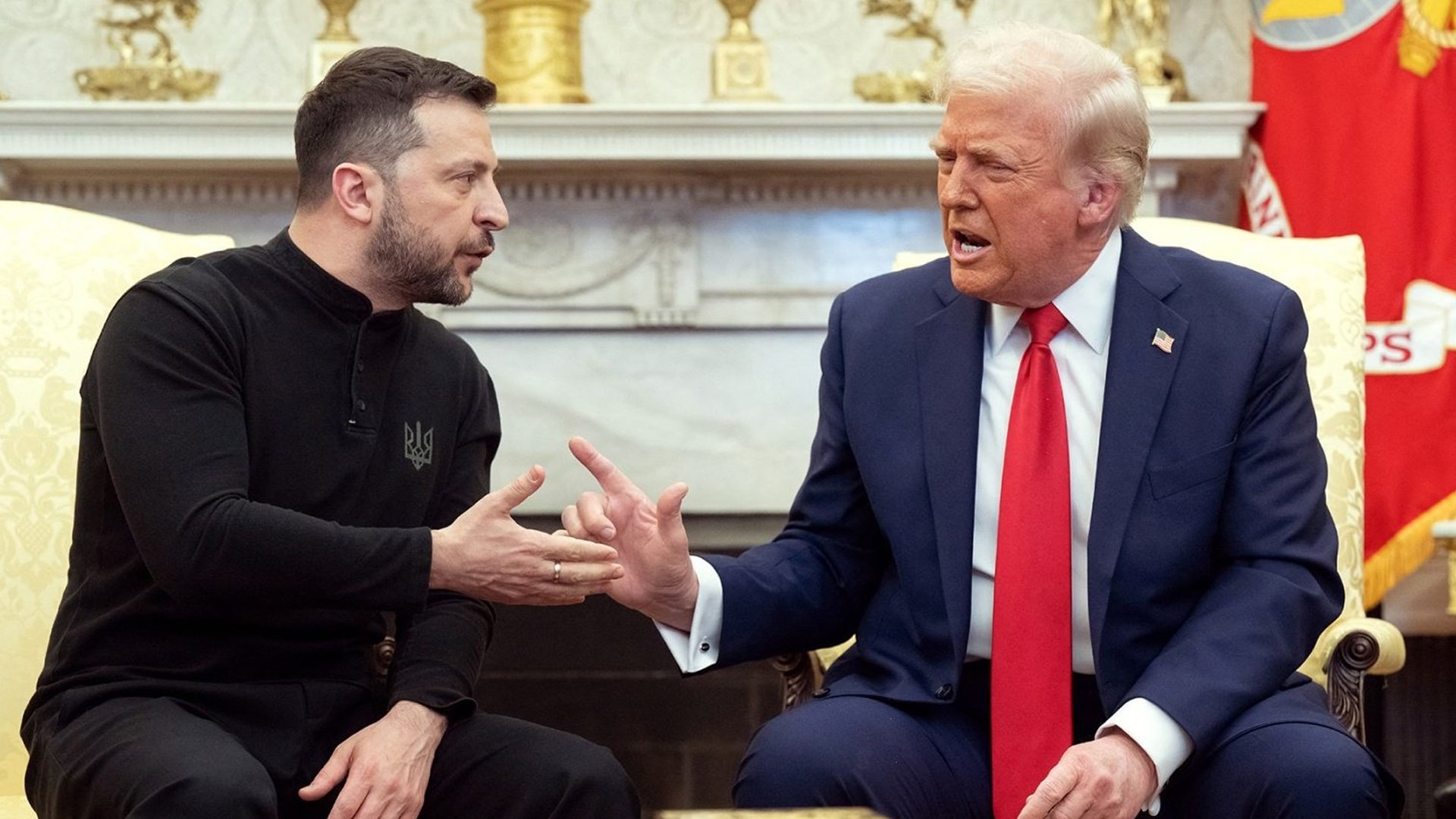
Trump Ukraine peace plan cut to 19 points
After talks in Geneva, Trump’s original 28‑point Ukraine peace plan was trimmed to 19 points. Key demands, including Kyiv surrendering Luhansk and Donetsk, were dropped. Zelenskyy will handle sensitive issues directly with Trump in future discussions.
About This Category
The Format Is the Editorial Argument
The name of this publication is The Summary. This section is where that philosophy is most directly expressed. The Summaries are not abbreviated versions of longer articles. They are complete pieces of journalism — reported, edited, and published at a length that respects both the story and the reader's time. The decision to keep them short is not a constraint. It is a position: that most news can be communicated clearly in 150 words, and that padding it to 600 words rarely improves it.
The editorial discipline required to produce a good summary is different from, and in some ways harder than, writing at length. Every sentence has to do real work. Nothing survives that doesn't belong there.
What Ends Up Here
The range is genuinely broad — and deliberately so. On any given day, The Summaries might carry a Karnataka cabinet resignation, a hospital fire in Bihar, a CBSE policy recommendation, a Kerala toddler death that has triggered public outrage, and a Cockroach Janta Party founder's plans to protest at Jantar Mantar. These are not thematically related stories. They are simply the news, treated with consistent brevity.
That breadth is the point. A reader who follows The Summaries doesn't need to choose a category to monitor. National politics, health research, civic tragedies, civil society, lifestyle news — it all comes through this section at a pace that doesn't require hours of reading to stay current.
The Judgment That Goes Into 150 Words
Selection is where the editorial work happens. Not everything becomes a Summary. Stories make it here when the core fact is clear, the significance is demonstrable, and the full picture can be honestly conveyed at short length without stripping context that the reader actually needs. A story like the Muzaffarpur hospital fire — four lives lost, a state inquiry ordered, families to be compensated — can be told completely in under two minutes. Stretching it doesn't add information; it adds length.
Some stories don't work as summaries because the context is too dense to compress responsibly. Those go elsewhere on the site. The Summaries is not a catchall; it's a format with specific requirements, and not every story meets them.
A Different Kind of Archive
Over time, The Summaries has become a reliable daily record of what happened in India and across the world — told concisely, sourced from official announcements and credible reporting, and published without the delay that often accompanies longer-form analysis. Readers who have followed the section consistently say it functions as a news briefing they can consume in a single sitting. That is more or less exactly what it was designed to do.
Frequently Asked Questions
Q1. What is The Summaries format and how is it different from other sections?
The Summaries are short, complete news pieces — typically under 150 words — covering a single event or development clearly and accurately. Unlike the full-length articles in sections like National, Business, or Health, these are written to be read in under a minute. The format is intentional: the goal is to report the news completely, not briefly for brevity's sake.
Q2. Does The Summaries cover all topics or only specific beats?
All topics. A single scroll through The Summaries on any given day might include political news, health research, a civic disaster, an education policy decision, and a human interest story. The connective thread is the format, not the subject. Readers who want to stay across multiple beats without tracking several sections will find everything here.
Q3. Are The Summaries just shortened versions of longer articles on the site?
No. They are standalone pieces written specifically for this format. Occasionally, a major developing story will have both a full article and a Summary — but they are written separately, for different purposes. The Summary version is complete on its own terms, not a teaser or a preview of something longer.
Q4. How does The Summary decide what becomes a Summary versus a full article?
If a story can be told accurately and completely at short length without stripping essential context, it's a candidate for The Summaries. If the background, timeline, or stakeholder complexity genuinely requires more room, it gets a full article. The test is whether the reader comes away informed — not whether the piece meets a word count.
Q5. How often is The Summaries section updated?
Throughout the day as news develops. There is no fixed publishing schedule — stories are published when they are ready. Readers who check in once or twice daily will typically find several new pieces each visit. The pace reflects the news cycle, not a content calendar.
Q6. Is The Summaries a good starting point for readers new to the site?
It is probably the most efficient way to understand the full scope of what The Summary covers. Because the section spans every beat — politics, business, health, lifestyle, science, national, world news — a few minutes in The Summaries gives a reader a clearer picture of the publication's range than browsing any single category section would.