
The Summaries
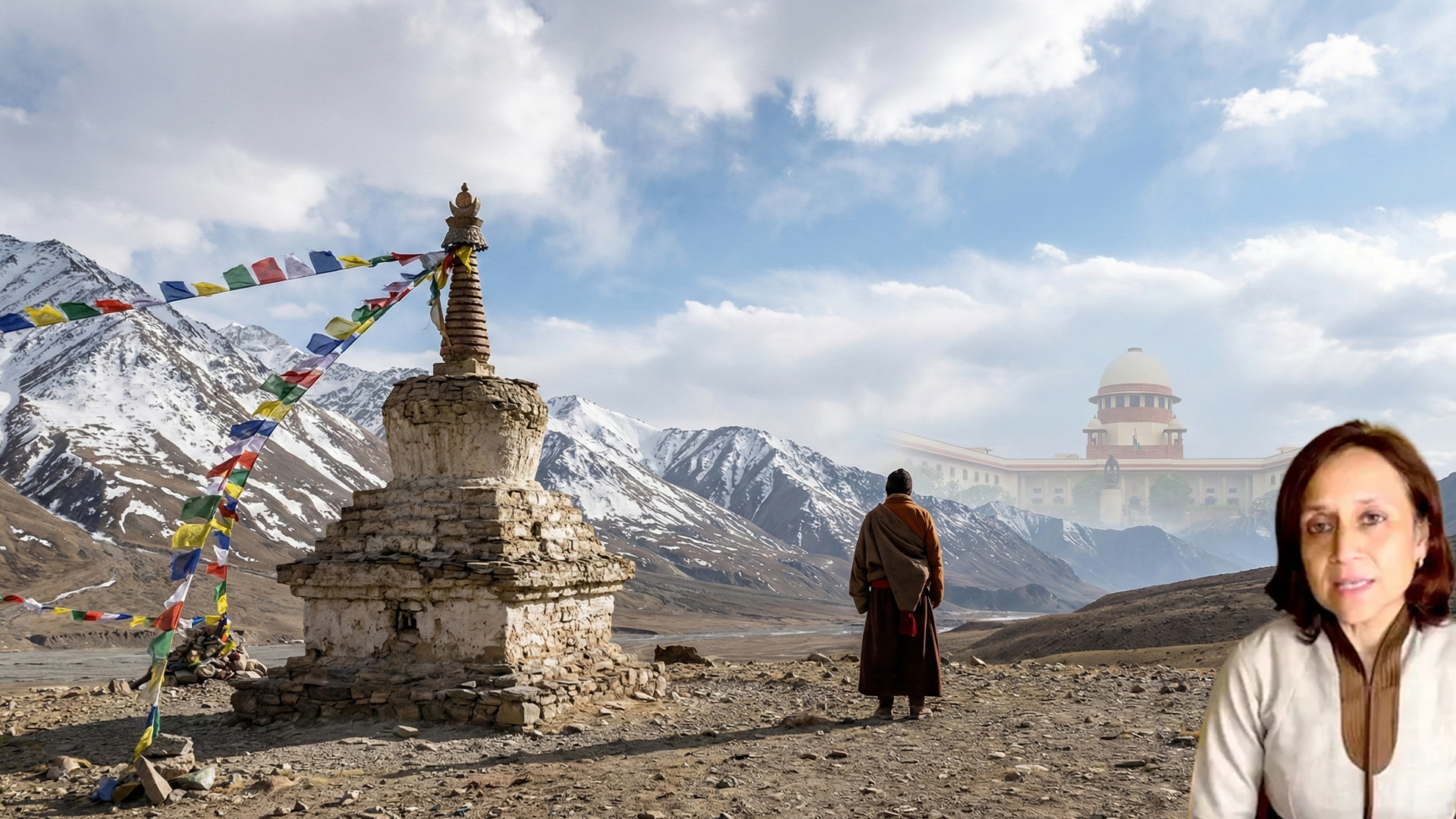
SC pushes Sonam Wangchuk detention plea to Dec 8
The Supreme Court has adjourned to December 8 the petition filed by Sonam Wangchuk’s wife challenging his detention under the National Security Act. The Centre sought additional time to reply. Wangchuk was detained after the September Ladakh protests turned violent.
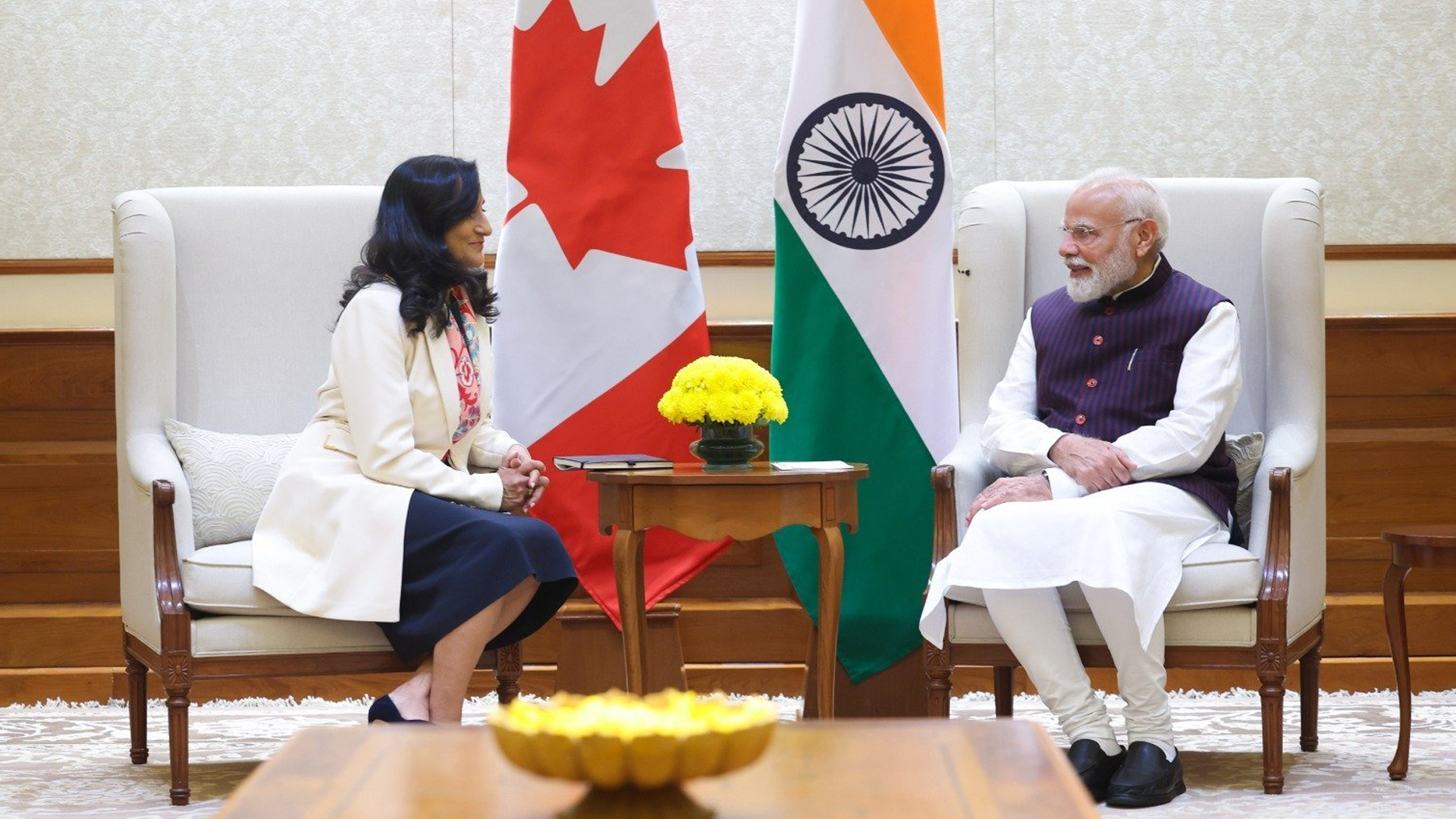
Canada and India negotiate on trade, uranium deal
India and Canada have agreed to restart negotiations on a Comprehensive Economic Partnership Agreement (CEPA) to boost bilateral trade to US$50 billion. Meanwhile, Canada is close to finalising a US$2.8 billion uranium supply deal, strengthening energy and trade ties between the two nations.
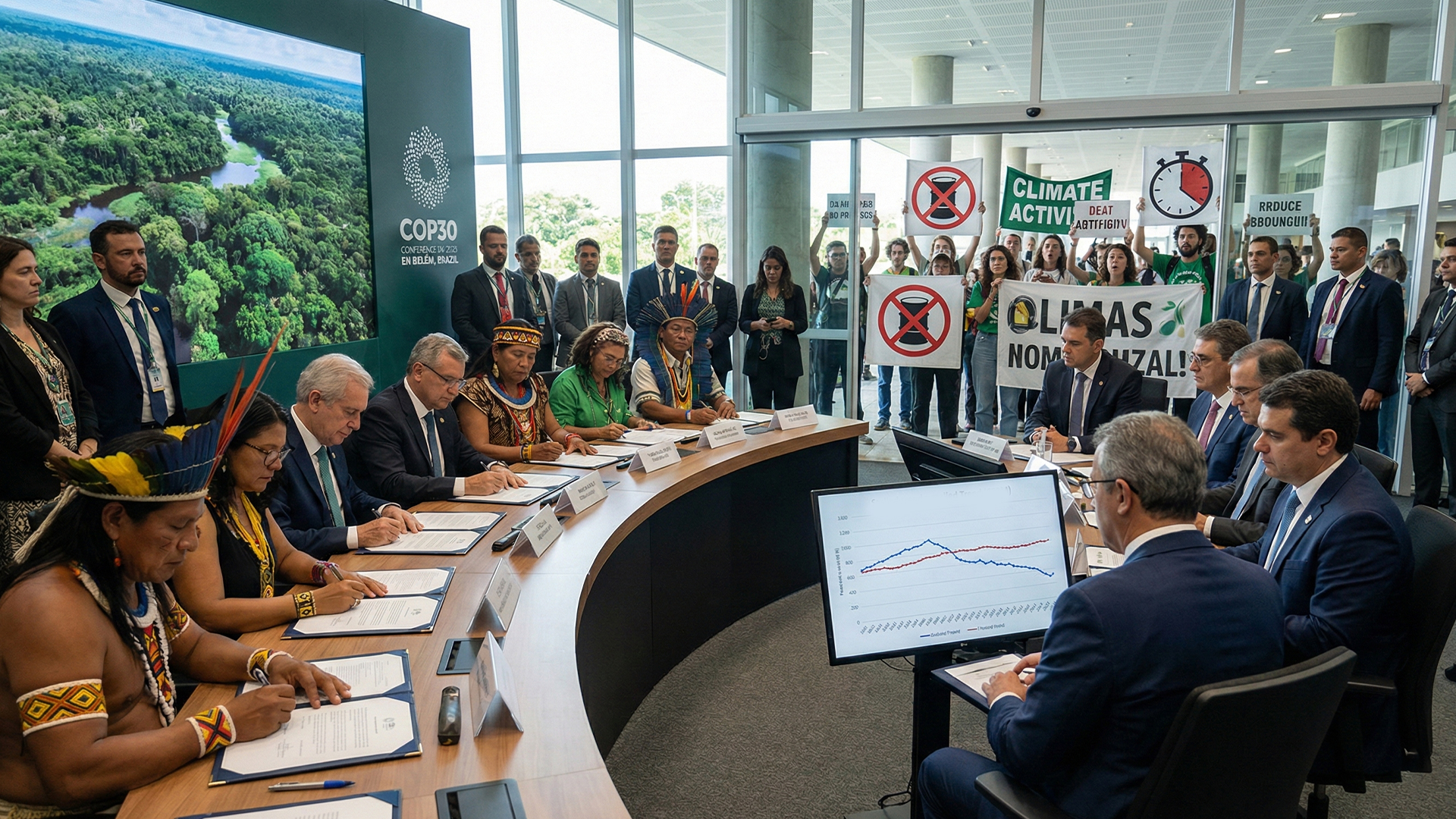
COP30 backs forests, delays fossil fuel cuts
At COP30 in Belém, Brazil, countries pledged stronger action against deforestation and agreed to increase climate adaptation funds. However, they fell short of committing to a concrete plan to phase out fossil fuels, drawing criticism from climate activists.
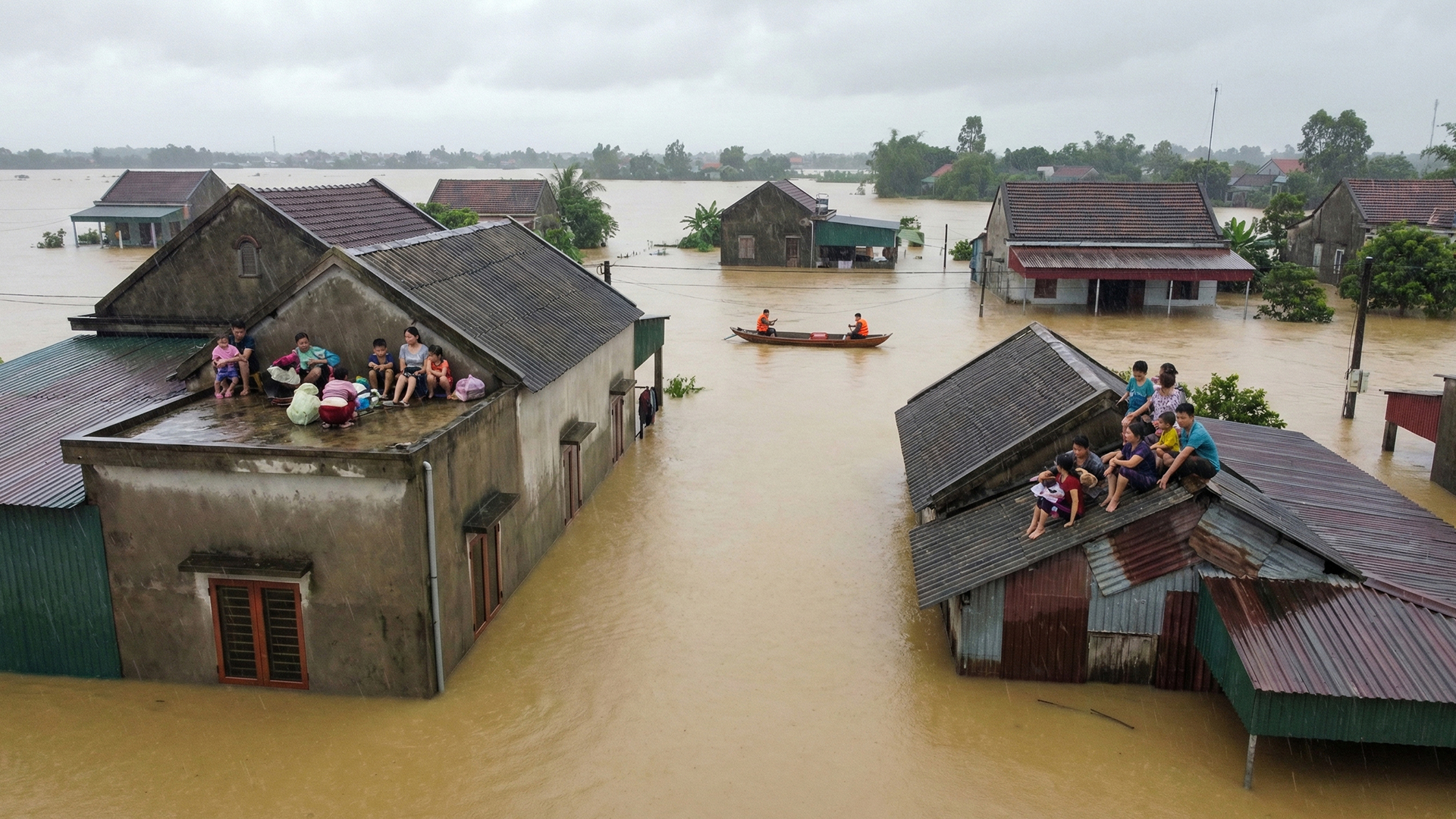
Floods claims 90 lives in Vietnam
Heavy floods in Vietnam have claimed 90 lives, leaving many stranded on rooftops. Torrential rains since late October have caused landslides and blocked highways, disrupting communities and rescue efforts, as authorities struggle to reach affected areas.

Lakshmi Mittal exits UK over tax concerns
Steel magnate Lakshmi Mittal is moving his financial base out of the UK, relocating to Switzerland and spending more time in Dubai, as Labour’s proposed wealth and inheritance tax reforms spark concern among the ultra-rich and raise questions about Britain’s investment appeal.

US congresswoman Greene resigns after Trump clash
US Congresswoman Marjorie Taylor Greene resigned after a public fallout with Donald Trump over her demand to release Jeffrey Epstein files. She claimed Trump turned supporters against her, said she received threats, and argued Republican leaders repeatedly sidelined her core conservative priorities.
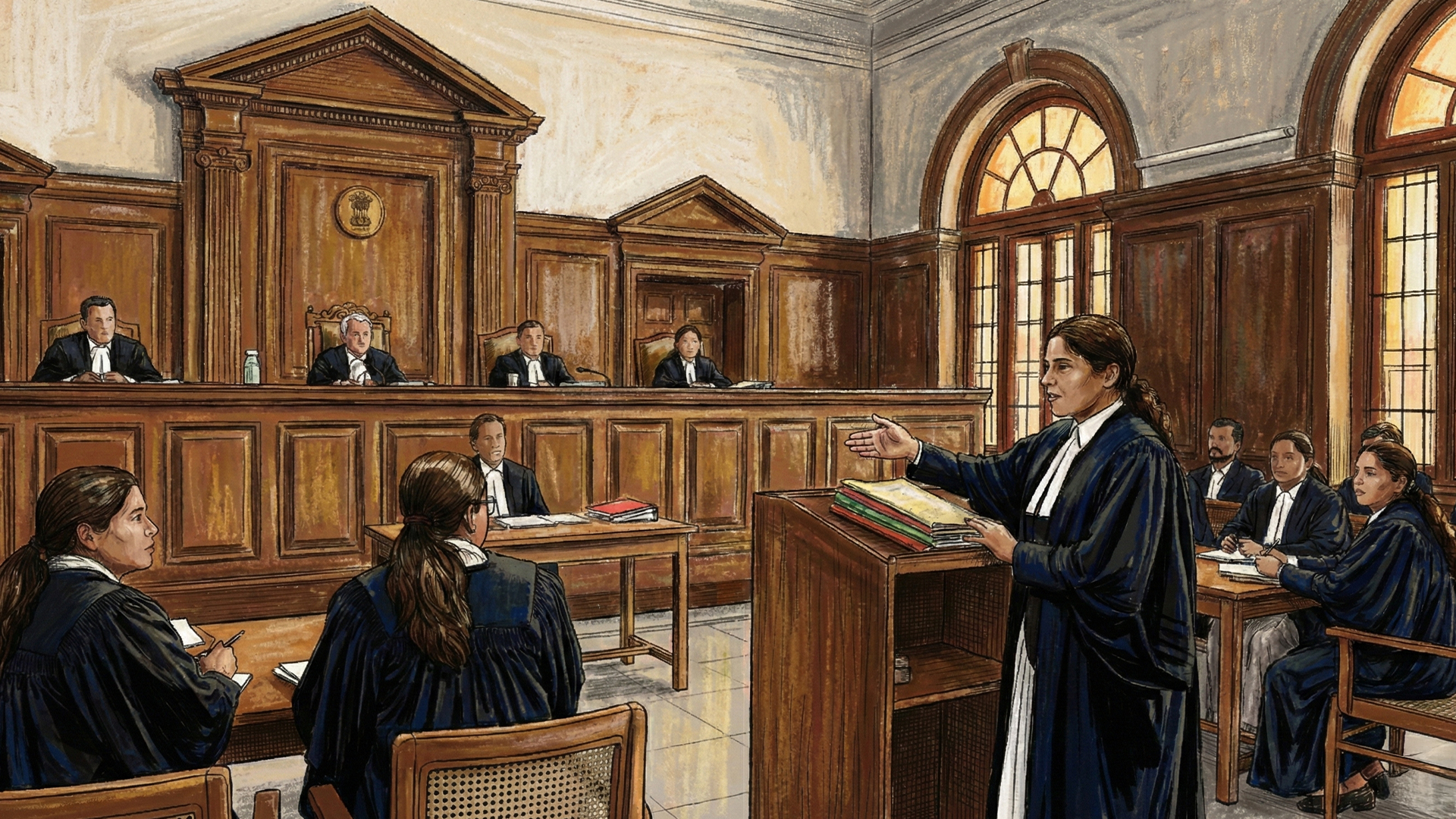
SC issues notice on lawyers’ POSH plea
The Supreme Court has issued notices to the Centre and the Bar Council of India regarding a petition by women lawyers alleging sexual harassment under the POSH Act. The court seeks responses to ensure proper protection and workplace safety.

Trump Jr explores Vantara, joins Ambani fiesta
US President Donald Trump’s son, Donald Trump Jr, visited Vantara in Jamnagar, Gujarat, a wildlife and conservation centre built by Anant Ambani. He toured the sanctuary, visited temples, and participated in a private dandiya‑garba with the Ambani family.

NCLT approves ₹8,000-crore SeQuent–Viyash deal
The NCLT has approved the ₹8,000-crore merger of SeQuent Scientific and Viyash Life Sciences, combining animal-health and pharma manufacturing strengths. Viyash shareholders will get 56 SeQuent shares per 100 held. The merged entity will expand global reach and boost R&D and manufacturing capacity.
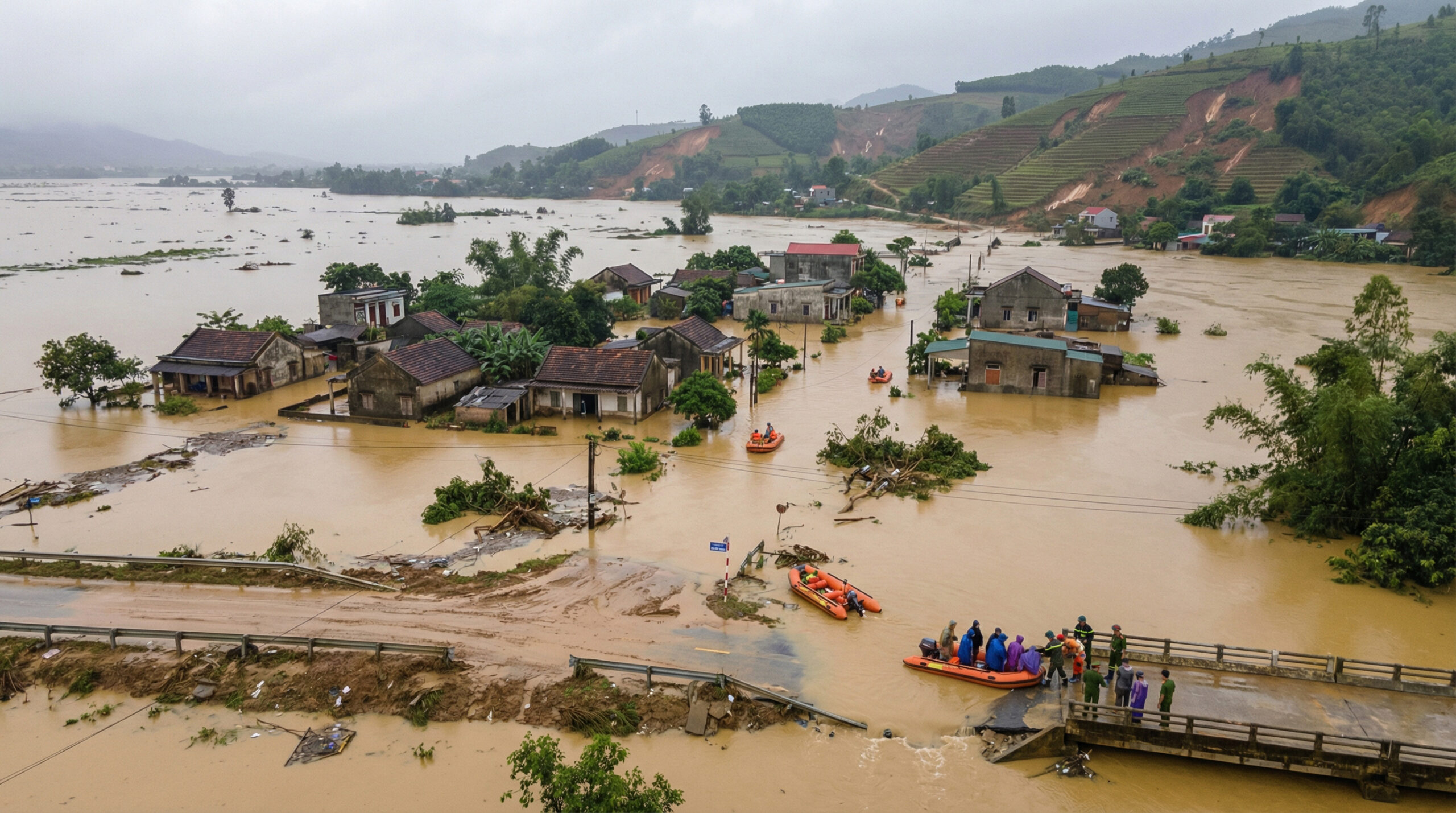
Central Vietnam floods kill 41, homes submerged
Heavy rains in central Vietnam have killed at least 41 people and left nine missing. Flooding and landslides submerged over 52,000 homes, cut roads, and disrupted power. Authorities evacuated thousands and deployed rescue teams to aid affected communities.
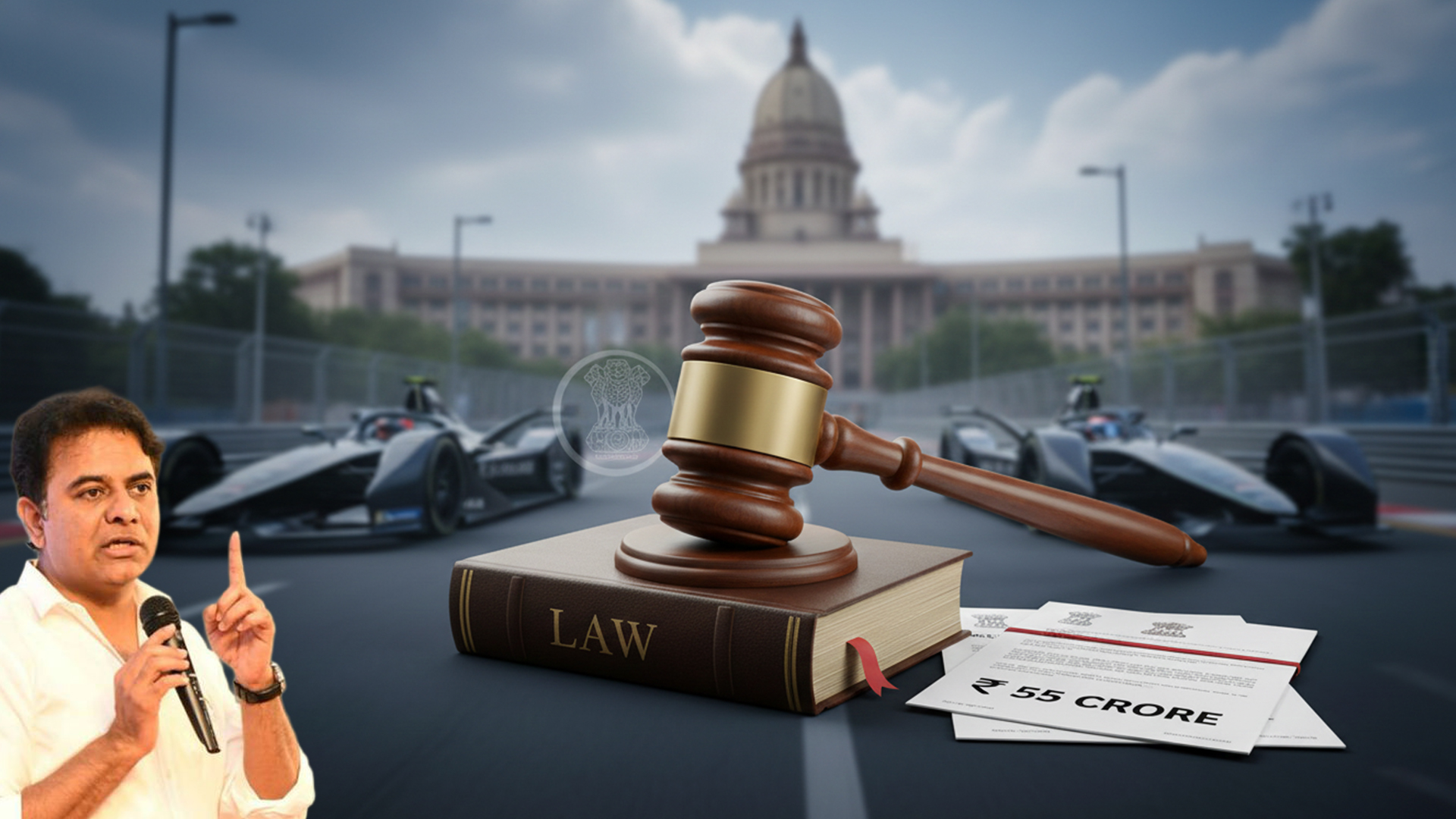
Telangana governor nods for KTR’s prosecution
Telangana Governor J. Dev Varma has approved prosecution of BRS leader K.T. Rama Rao in the alleged ₹55 crore Formula E race case. This clears the way for the Anti‑Corruption Bureau to formally investigate and file charges against him.
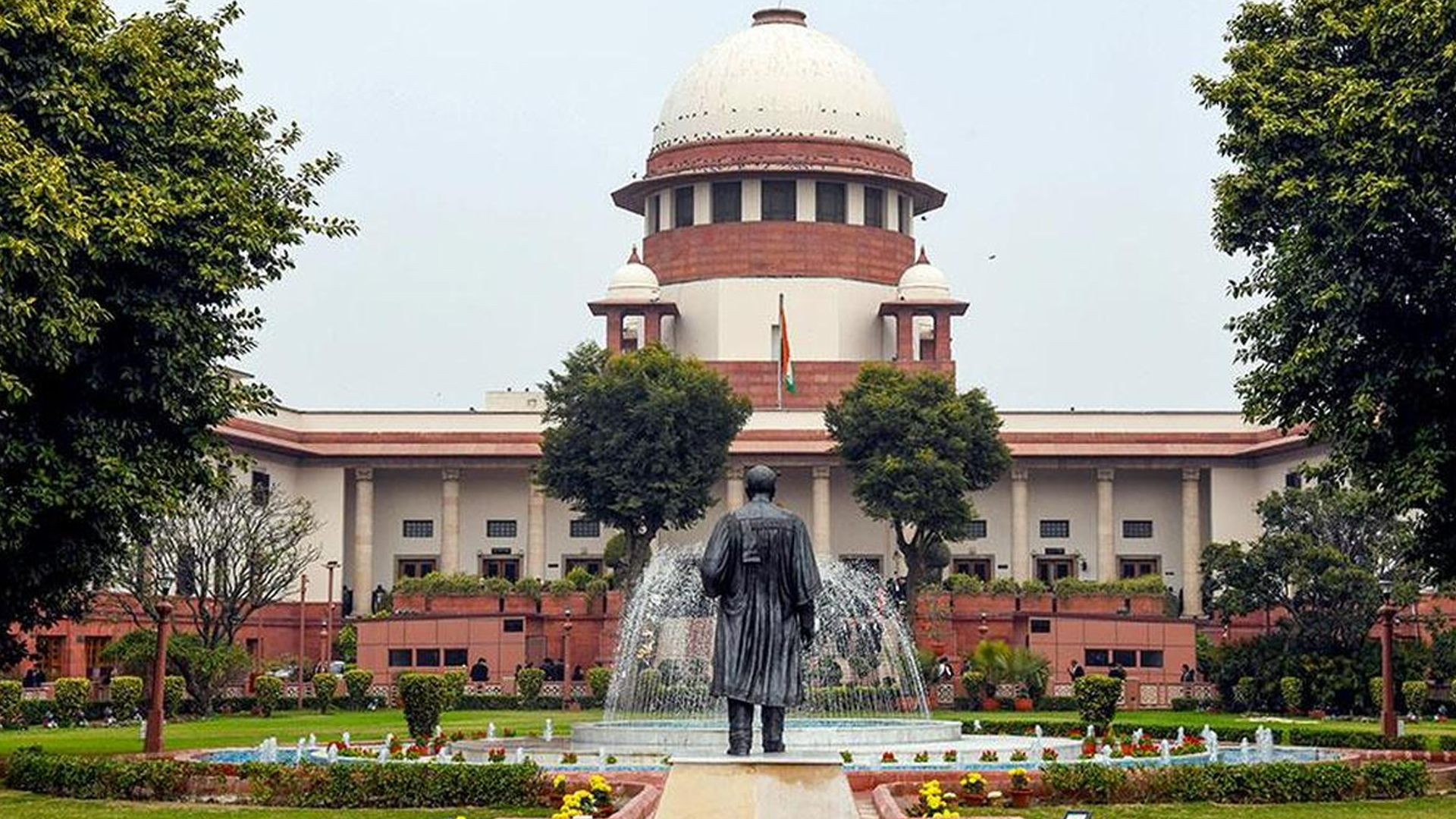
SC strikes down tribunal reforms act provisions
The Supreme Court on Wednesday struck down key provisions of the Tribunals Reforms Act, 2021, calling them unconstitutional for undermining judicial independence. The Court criticised the Centre for reintroducing previously quashed clauses and directed the government to set up a National Tribunals Commission within four months.
About This Category
The Format Is the Editorial Argument
The name of this publication is The Summary. This section is where that philosophy is most directly expressed. The Summaries are not abbreviated versions of longer articles. They are complete pieces of journalism — reported, edited, and published at a length that respects both the story and the reader's time. The decision to keep them short is not a constraint. It is a position: that most news can be communicated clearly in 150 words, and that padding it to 600 words rarely improves it.
The editorial discipline required to produce a good summary is different from, and in some ways harder than, writing at length. Every sentence has to do real work. Nothing survives that doesn't belong there.
What Ends Up Here
The range is genuinely broad — and deliberately so. On any given day, The Summaries might carry a Karnataka cabinet resignation, a hospital fire in Bihar, a CBSE policy recommendation, a Kerala toddler death that has triggered public outrage, and a Cockroach Janta Party founder's plans to protest at Jantar Mantar. These are not thematically related stories. They are simply the news, treated with consistent brevity.
That breadth is the point. A reader who follows The Summaries doesn't need to choose a category to monitor. National politics, health research, civic tragedies, civil society, lifestyle news — it all comes through this section at a pace that doesn't require hours of reading to stay current.
The Judgment That Goes Into 150 Words
Selection is where the editorial work happens. Not everything becomes a Summary. Stories make it here when the core fact is clear, the significance is demonstrable, and the full picture can be honestly conveyed at short length without stripping context that the reader actually needs. A story like the Muzaffarpur hospital fire — four lives lost, a state inquiry ordered, families to be compensated — can be told completely in under two minutes. Stretching it doesn't add information; it adds length.
Some stories don't work as summaries because the context is too dense to compress responsibly. Those go elsewhere on the site. The Summaries is not a catchall; it's a format with specific requirements, and not every story meets them.
A Different Kind of Archive
Over time, The Summaries has become a reliable daily record of what happened in India and across the world — told concisely, sourced from official announcements and credible reporting, and published without the delay that often accompanies longer-form analysis. Readers who have followed the section consistently say it functions as a news briefing they can consume in a single sitting. That is more or less exactly what it was designed to do.
Frequently Asked Questions
Q1. What is The Summaries format and how is it different from other sections?
The Summaries are short, complete news pieces — typically under 150 words — covering a single event or development clearly and accurately. Unlike the full-length articles in sections like National, Business, or Health, these are written to be read in under a minute. The format is intentional: the goal is to report the news completely, not briefly for brevity's sake.
Q2. Does The Summaries cover all topics or only specific beats?
All topics. A single scroll through The Summaries on any given day might include political news, health research, a civic disaster, an education policy decision, and a human interest story. The connective thread is the format, not the subject. Readers who want to stay across multiple beats without tracking several sections will find everything here.
Q3. Are The Summaries just shortened versions of longer articles on the site?
No. They are standalone pieces written specifically for this format. Occasionally, a major developing story will have both a full article and a Summary — but they are written separately, for different purposes. The Summary version is complete on its own terms, not a teaser or a preview of something longer.
Q4. How does The Summary decide what becomes a Summary versus a full article?
If a story can be told accurately and completely at short length without stripping essential context, it's a candidate for The Summaries. If the background, timeline, or stakeholder complexity genuinely requires more room, it gets a full article. The test is whether the reader comes away informed — not whether the piece meets a word count.
Q5. How often is The Summaries section updated?
Throughout the day as news develops. There is no fixed publishing schedule — stories are published when they are ready. Readers who check in once or twice daily will typically find several new pieces each visit. The pace reflects the news cycle, not a content calendar.
Q6. Is The Summaries a good starting point for readers new to the site?
It is probably the most efficient way to understand the full scope of what The Summary covers. Because the section spans every beat — politics, business, health, lifestyle, science, national, world news — a few minutes in The Summaries gives a reader a clearer picture of the publication's range than browsing any single category section would.