
The Summaries
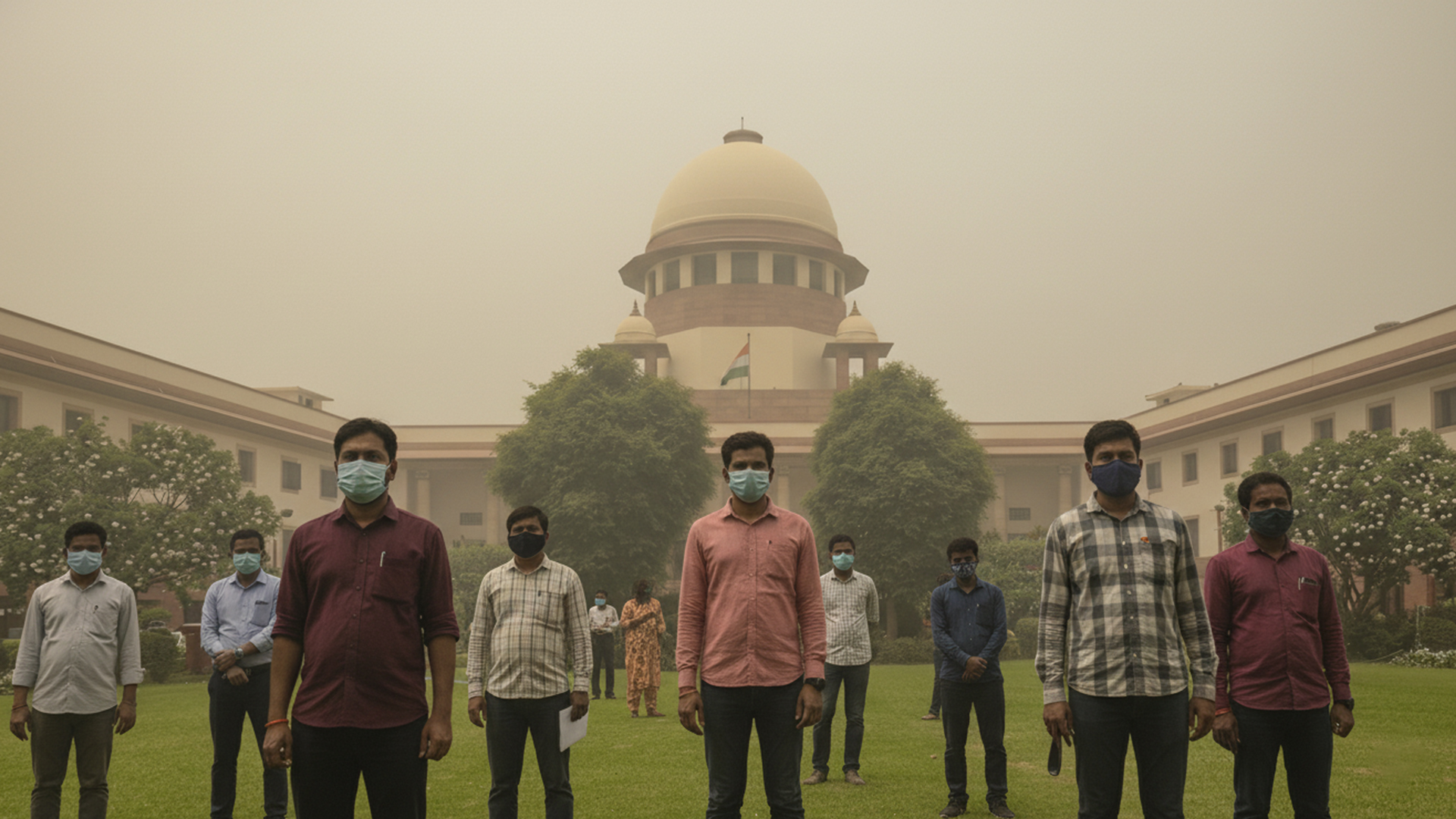
SC allows stricter GRAP curbs in Delhi
The SC approved Delhi–NCR’s revised GRAP plan, allowing tougher pollution measures to be applied earlier. It also advised postponing outdoor school sports during November–December and directed authorities to act proactively, not only when pollution becomes severe.

Sony PS5 Black Friday sale, ₹10,000 off
Sony India’s Black Friday sale offers up to ₹10,000 off on PS5 consoles, VR2 headset, controllers, and popular games. The sale runs 21 November–4 December 2025 across online platforms and offline stores nationwide.
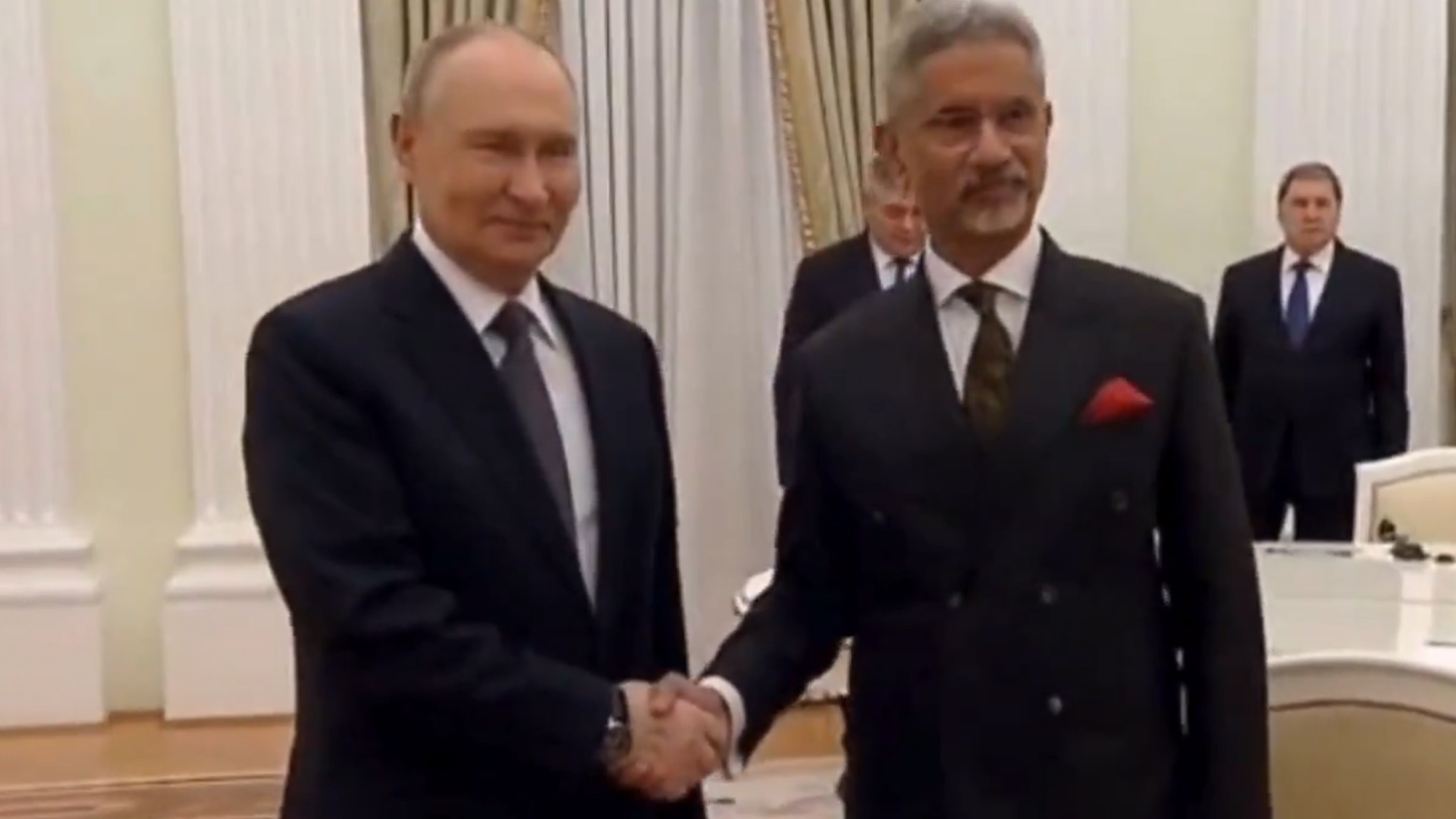
Jaishankar meets Putin before India-Russia summit
External Affairs Minister S. Jaishankar met Russian President Putin in Moscow, discussing bilateral projects, trade, and security. At the SCO, he called for zero tolerance on terrorism, urging stronger cooperation and deeper India-Russia ties ahead of the December summit.

India October trade deficit hits $41.68 billion
India’s trade deficit hit a record USD 41.68 billion in October 2025. Exports fell 11.8% to USD 34.38 billion, while imports rose 16.6% to USD 76.06 billion, driven by gold and silver purchases, putting pressure on the rupee and reserves.

100 Rafale jets to strengthen Ukraine’s defence
Ukraine has agreed with France to buy 100 Rafale fighter jets, alongside drones, radars, and air‑defence systems. The decade‑long deal, hailed as historic by Presidents Zelenskyy and Macron, significantly strengthens Kyiv’s military capabilities amid ongoing conflict.
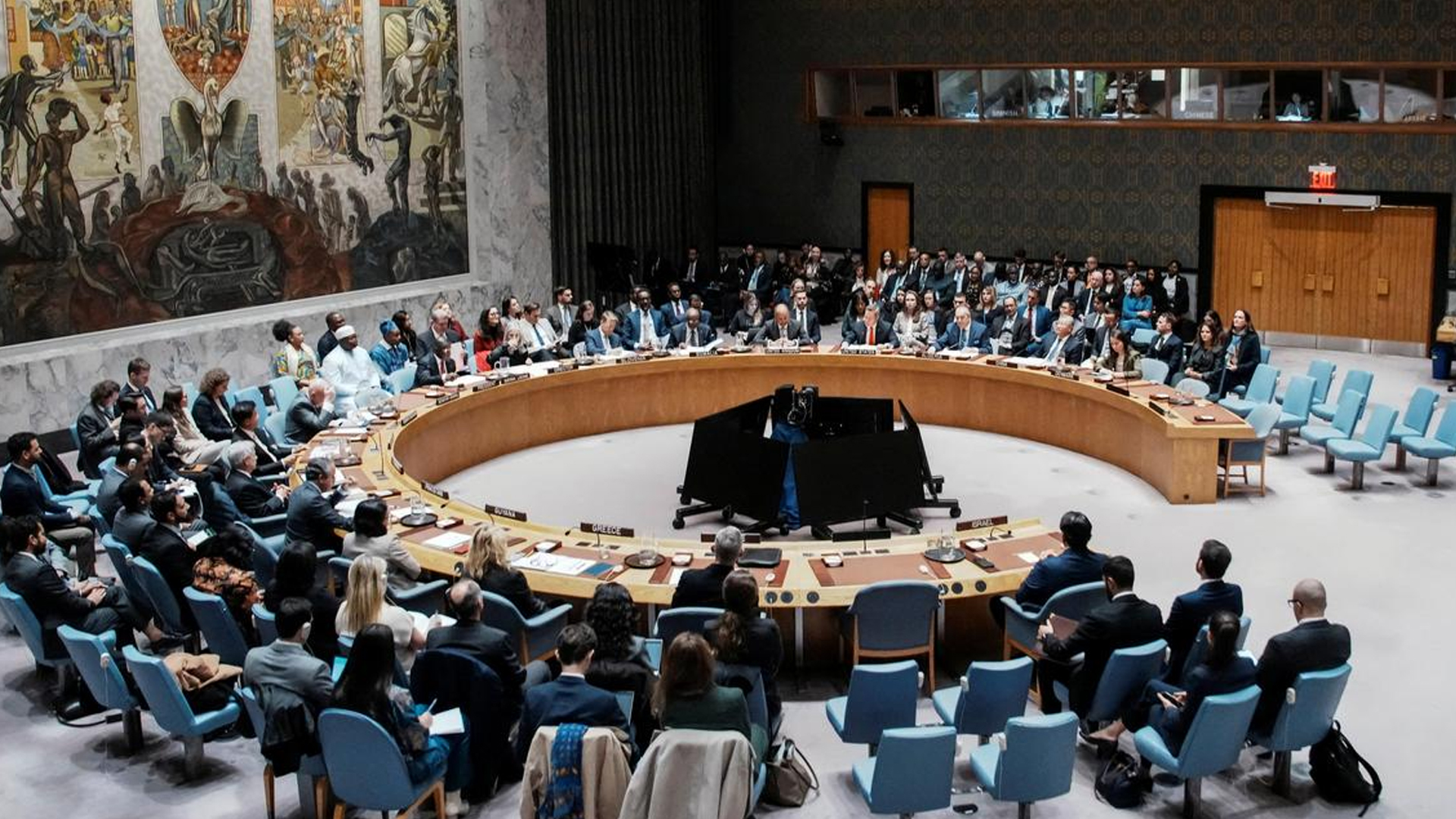
UN backs Trump Gaza peace plan, Hamas differ
The UN Security Council approved a US drafted resolution supporting Donald Trump’s Gaza peace plan, which proposes an international stabilisation force and a conditional route to Palestinian statehood. Hamas rejected the move, saying it ignores Palestinian rights and places Gaza under external control.
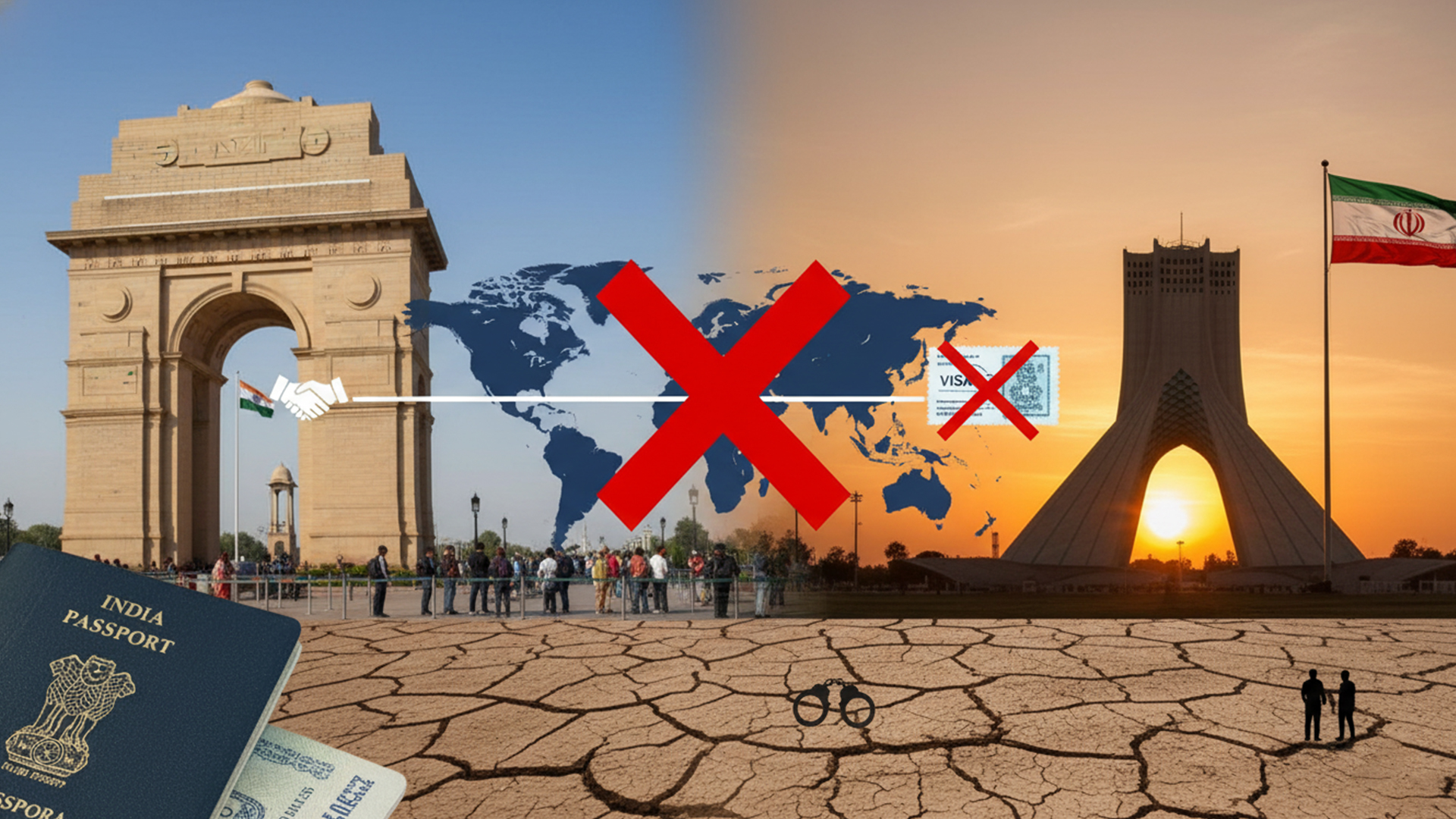
Iran scraps visa-free travel for Indians
Iran revoked visa-free entry for Indian travellers after criminal groups misused the waiver to lure people with fake overseas jobs. The MEA issued a strict advisory, warning that several Indians were defrauded or kidnapped for ransom after being taken to Iran using illegal networks.
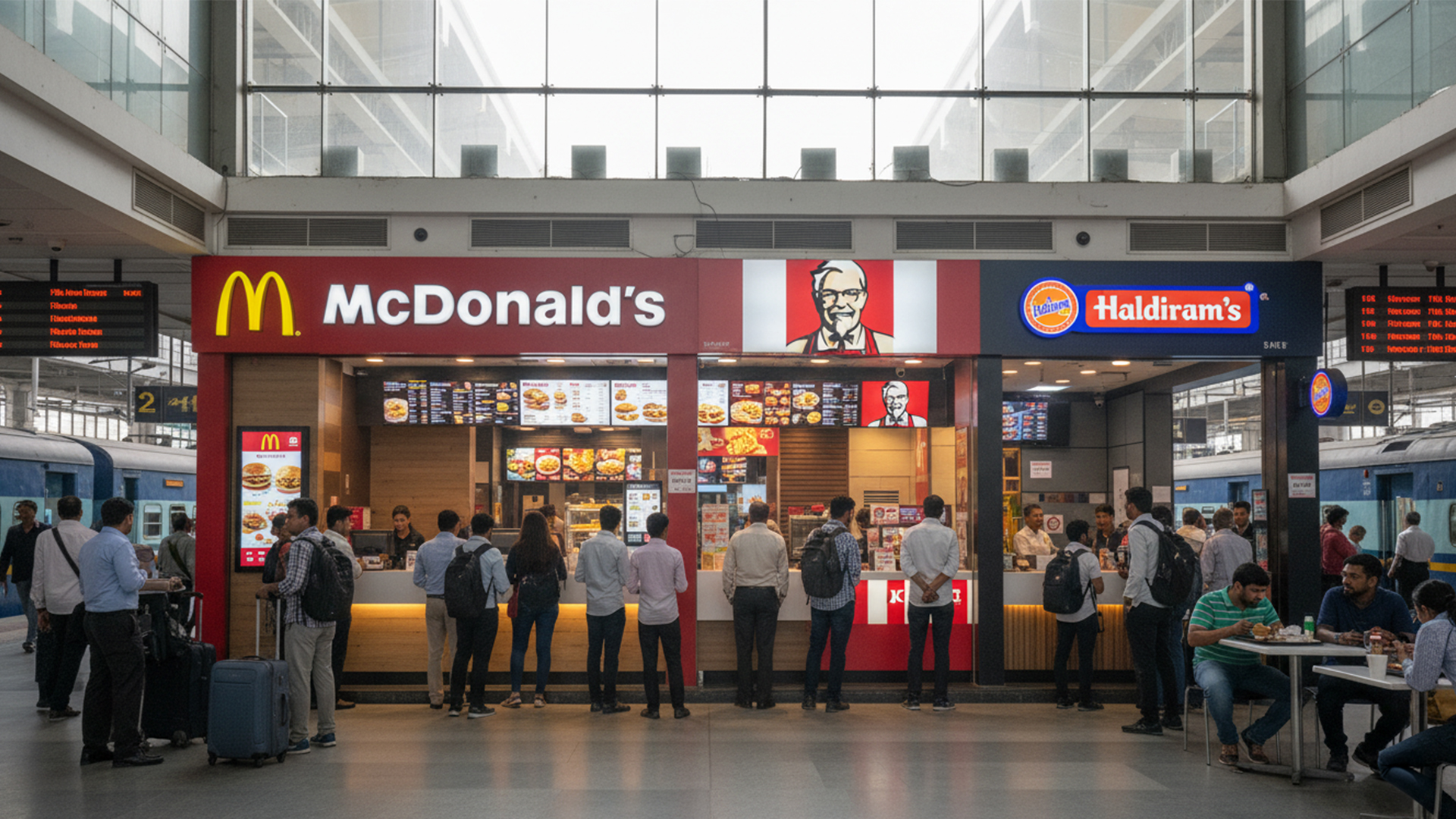
Railway stations to get famous fast food chains
Indian Railways is planning to allow popular food chains like McDonald’s, KFC, and Haldiram’s to open outlets at major stations. This move aims to provide passengers with convenient, quick meals while enhancing travel experience and modernizing station services.

Vivo X300 series to launch in India, Dec.2
Vivo will launch its X300 and X300 Pro in India on December 2. Both phones offer flagship performance, powerful cameras, and high-end features, with the X300 featuring an India-exclusive red variant, making them strong contenders in the premium segment.

Trump threatens $5 Billion lawsuit against BBC
US President Donald Trump intends to sue the BBC for $5 billion, alleging a misleading edit of his January 6, 2021 speech made him appear to incite violence. The broadcaster apologised, yet the controversy has already disrupted top BBC leadership.
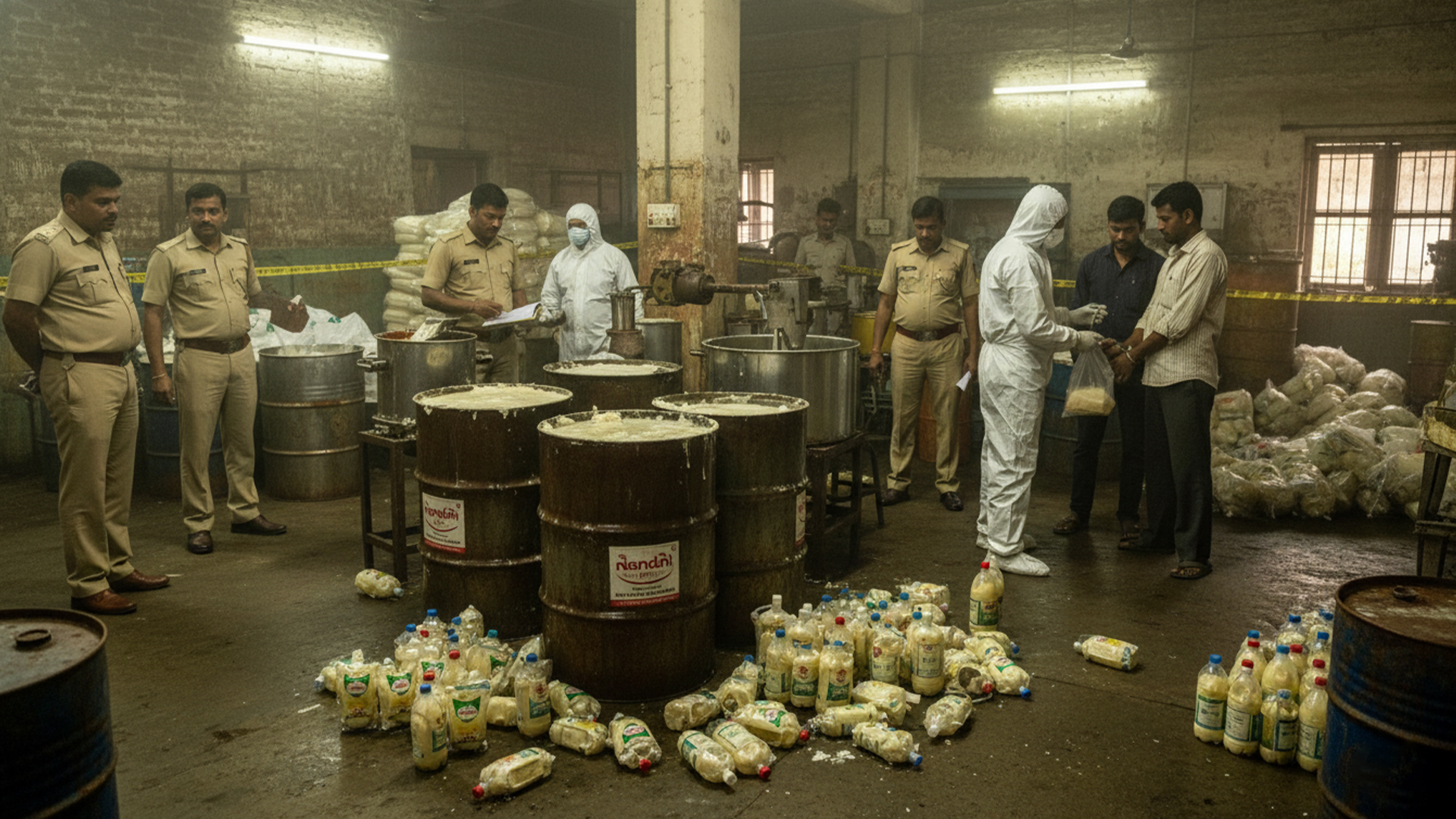
Fake Nandini ghee racket busted in Bengaluru
Bengaluru police uncovered a large fake Nandini ghee operation, seizing more than 8,100 litres of adulterated stock packed in duplicate labels. Four men were arrested, including a distributor, and officials believe the racket had been supplying markets for years.

Apple steps up succession plan for Tim Cook
Apple is stepping up succession planning as CEO Tim Cook may step down next year. John Ternus, senior vice-president of hardware engineering, is seen as the leading candidate, with the board preparing for a smooth leadership transition.
About This Category
The Format Is the Editorial Argument
The name of this publication is The Summary. This section is where that philosophy is most directly expressed. The Summaries are not abbreviated versions of longer articles. They are complete pieces of journalism — reported, edited, and published at a length that respects both the story and the reader's time. The decision to keep them short is not a constraint. It is a position: that most news can be communicated clearly in 150 words, and that padding it to 600 words rarely improves it.
The editorial discipline required to produce a good summary is different from, and in some ways harder than, writing at length. Every sentence has to do real work. Nothing survives that doesn't belong there.
What Ends Up Here
The range is genuinely broad — and deliberately so. On any given day, The Summaries might carry a Karnataka cabinet resignation, a hospital fire in Bihar, a CBSE policy recommendation, a Kerala toddler death that has triggered public outrage, and a Cockroach Janta Party founder's plans to protest at Jantar Mantar. These are not thematically related stories. They are simply the news, treated with consistent brevity.
That breadth is the point. A reader who follows The Summaries doesn't need to choose a category to monitor. National politics, health research, civic tragedies, civil society, lifestyle news — it all comes through this section at a pace that doesn't require hours of reading to stay current.
The Judgment That Goes Into 150 Words
Selection is where the editorial work happens. Not everything becomes a Summary. Stories make it here when the core fact is clear, the significance is demonstrable, and the full picture can be honestly conveyed at short length without stripping context that the reader actually needs. A story like the Muzaffarpur hospital fire — four lives lost, a state inquiry ordered, families to be compensated — can be told completely in under two minutes. Stretching it doesn't add information; it adds length.
Some stories don't work as summaries because the context is too dense to compress responsibly. Those go elsewhere on the site. The Summaries is not a catchall; it's a format with specific requirements, and not every story meets them.
A Different Kind of Archive
Over time, The Summaries has become a reliable daily record of what happened in India and across the world — told concisely, sourced from official announcements and credible reporting, and published without the delay that often accompanies longer-form analysis. Readers who have followed the section consistently say it functions as a news briefing they can consume in a single sitting. That is more or less exactly what it was designed to do.
Frequently Asked Questions
Q1. What is The Summaries format and how is it different from other sections?
The Summaries are short, complete news pieces — typically under 150 words — covering a single event or development clearly and accurately. Unlike the full-length articles in sections like National, Business, or Health, these are written to be read in under a minute. The format is intentional: the goal is to report the news completely, not briefly for brevity's sake.
Q2. Does The Summaries cover all topics or only specific beats?
All topics. A single scroll through The Summaries on any given day might include political news, health research, a civic disaster, an education policy decision, and a human interest story. The connective thread is the format, not the subject. Readers who want to stay across multiple beats without tracking several sections will find everything here.
Q3. Are The Summaries just shortened versions of longer articles on the site?
No. They are standalone pieces written specifically for this format. Occasionally, a major developing story will have both a full article and a Summary — but they are written separately, for different purposes. The Summary version is complete on its own terms, not a teaser or a preview of something longer.
Q4. How does The Summary decide what becomes a Summary versus a full article?
If a story can be told accurately and completely at short length without stripping essential context, it's a candidate for The Summaries. If the background, timeline, or stakeholder complexity genuinely requires more room, it gets a full article. The test is whether the reader comes away informed — not whether the piece meets a word count.
Q5. How often is The Summaries section updated?
Throughout the day as news develops. There is no fixed publishing schedule — stories are published when they are ready. Readers who check in once or twice daily will typically find several new pieces each visit. The pace reflects the news cycle, not a content calendar.
Q6. Is The Summaries a good starting point for readers new to the site?
It is probably the most efficient way to understand the full scope of what The Summary covers. Because the section spans every beat — politics, business, health, lifestyle, science, national, world news — a few minutes in The Summaries gives a reader a clearer picture of the publication's range than browsing any single category section would.