
The Summaries
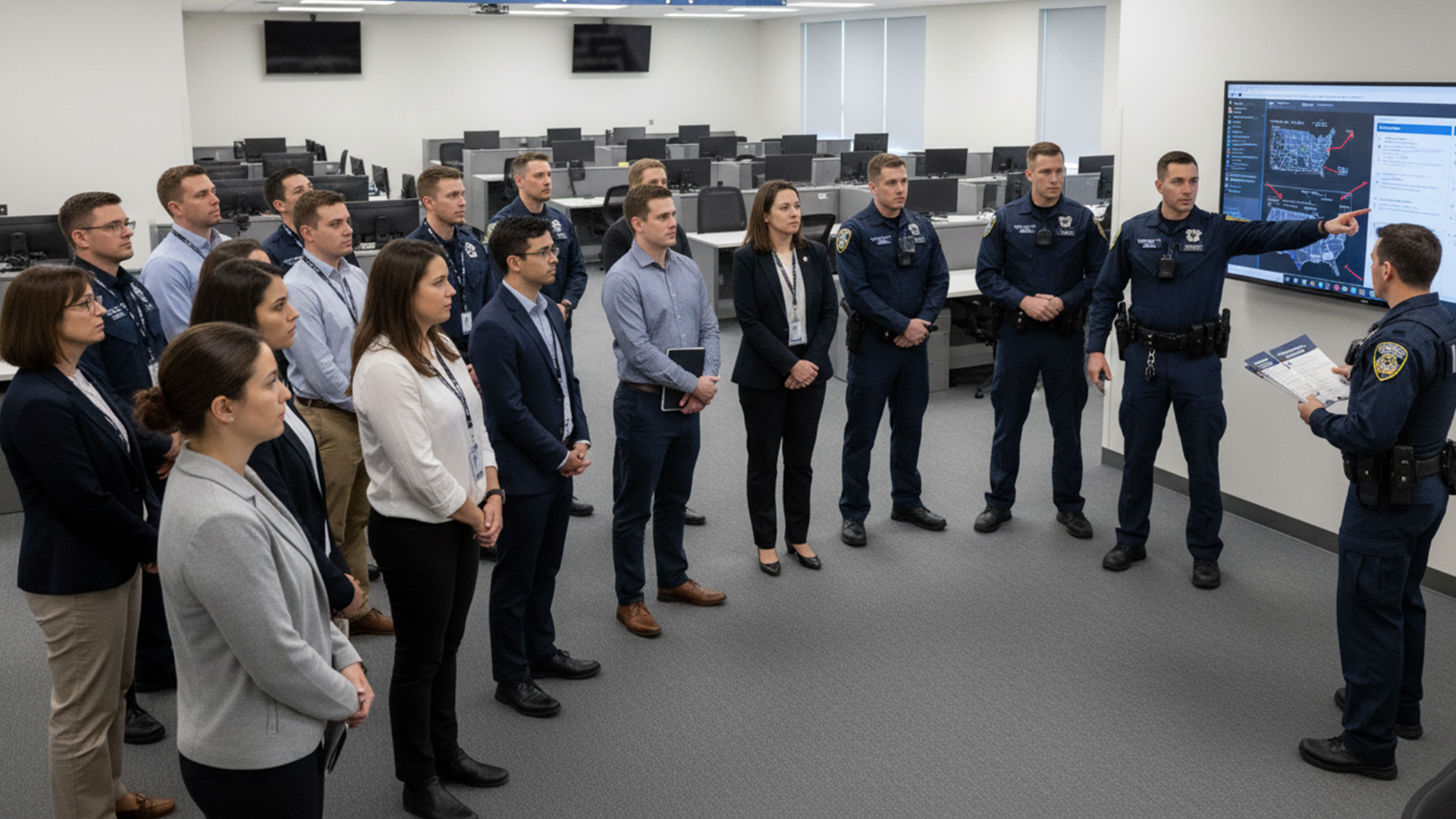
50,000 new federal workers join under Trump
The Trump administration hired 50,000 federal employees, mostly for ICE and national security roles. Other agencies face freezes and cuts, with an overall workforce reduction of 300,000, reflecting a focus on immigration enforcement over domestic functions.

KSRTC Flybus from Bengaluru to Davanagere
KSRTC has started a Flybus service connecting Bengaluru Airport to Davanagere via STRR, bypassing city traffic. The five-hour journey offers fares from ₹400 to ₹1,250, with passengers receiving free Nandini snack kits for a premium travel experience.

Australia finds 55-million-year-old eggshells
At Queensland’s Murgon fossil site in Australia, researchers uncovered eggshell fragments of a 55‑million‑year-old crocodile, named Wakkaoolithus godthelpi. The find provides valuable insights into ancient Australian wetlands and the evolution of extinct mekosuchine crocodiles.

SC orders High Courts to show judgment dashboard
The SC has asked all High Courts to display dashboards showing reserved and pronounced judgments with upload dates. The rule aims to enhance transparency, accountability, and public access to how quickly judges deliver decisions.
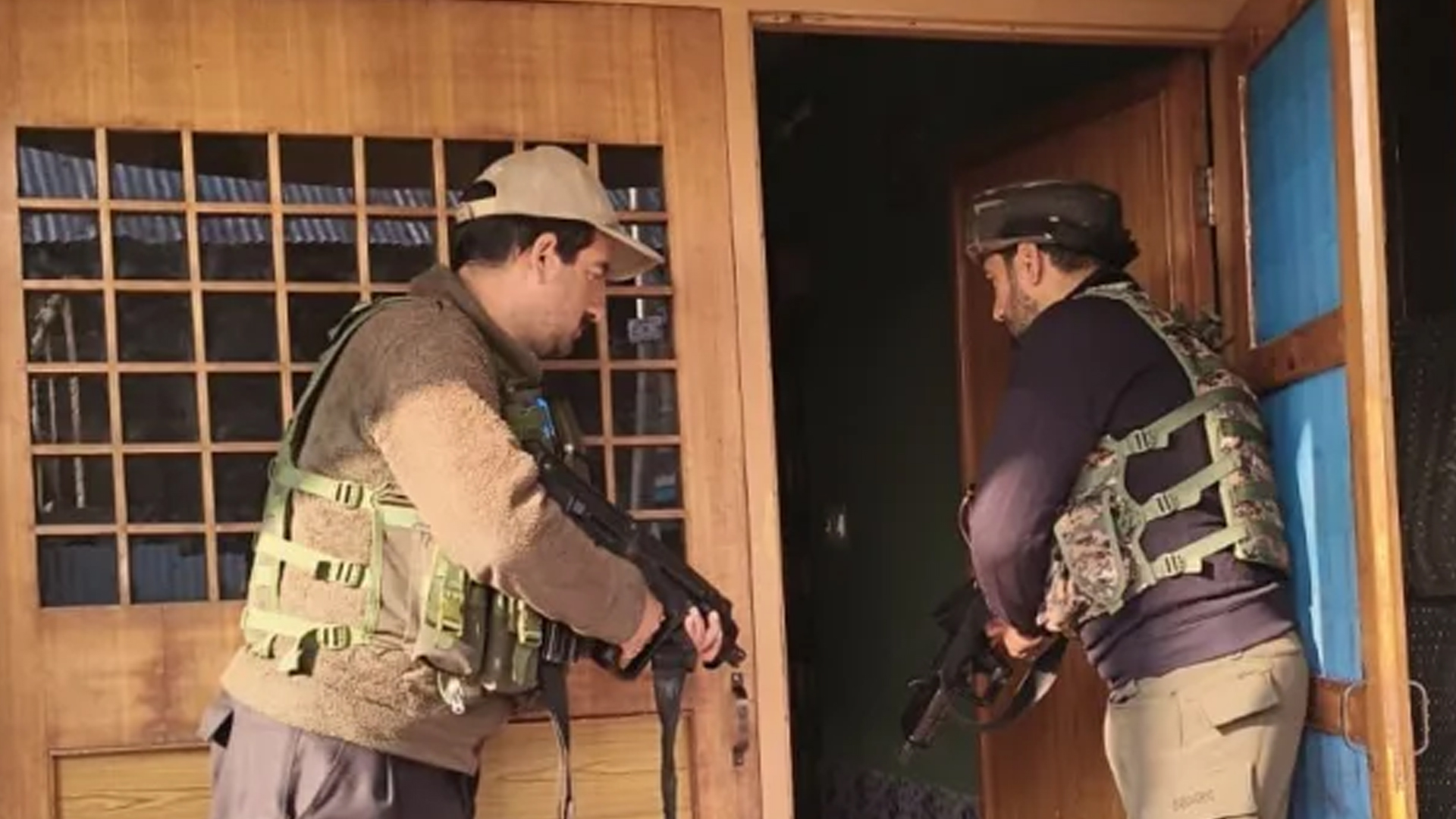
J&K Police raid Jamaat‑e‑Islami Homes
Jammu and Kashmir police carried out raids on homes tied to the banned Jamaat‑e‑Islami in Shopian, Kulgam, Baramulla, and Ganderbal. The operations aim to dismantle networks, gather evidence, and monitor activities of the proscribed organisation.

India urges rich nations on climate pledges, COP30
At COP30 in Brazil, India pressed developed nations to honour their climate finance and technology commitments under the Paris Agreement. It called for preserving the pact’s core principles of equity and responsibility while rejecting unilateral trade measures like carbon taxes.

Singapore introduces $32 green fuel levy
Singapore will introduce the world’s first green fuel levy on departing flights from October 2026. Passengers may pay up to S$41.60 ($32) to support sustainable aviation fuel, with minimal charges for short-haul economy and higher fees for premium cabins.

Britannia announces CEO transition
Britannia CEO Varun Berry has stepped down after over a decade in leadership. The board has named Rakshit Hargave as the new Managing Director and CEO, effective December 15, marking a planned transition to drive Britannia’s next phase of growth.

5 Tamil Nadu workers kidnapped in Mali
Five Indian workers hailing from Tamil Nadu were kidnapped in Mali during an electrification project. The Indian embassy is working with local authorities, while families and state officials appeal for urgent government intervention to secure their safe release.
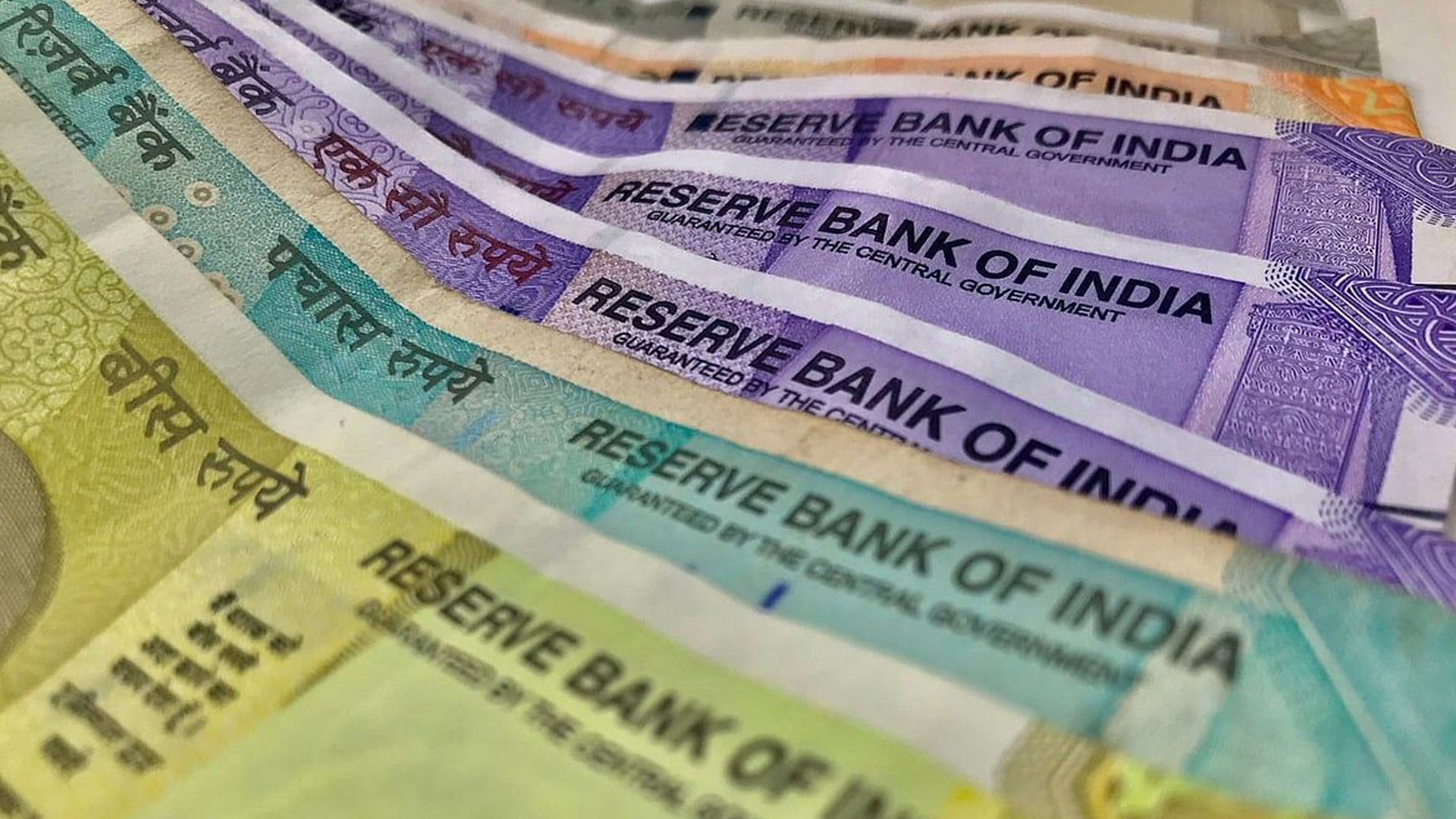
Cleanup efforts bring ₹4,100 cr to government
Over five years, the Indian government earned ₹4,088 crore by selling scrap from offices. The latest October drive brought ₹788 crore and cleared 233 lakh sq ft, enough to buy seven Vande Bharat trains and free up office space.

Sangwan-Bishnoi gangsters arrested in the US
Indian authorities nabbed notorious gangsters Venkatesh Garg and Bhanu Rana in Georgia and the US. Both were key figures in the Sangwan-Bishnoi network, wanted for murder, extortion, and smuggling. Their arrest disrupts the gangs’ international operations.
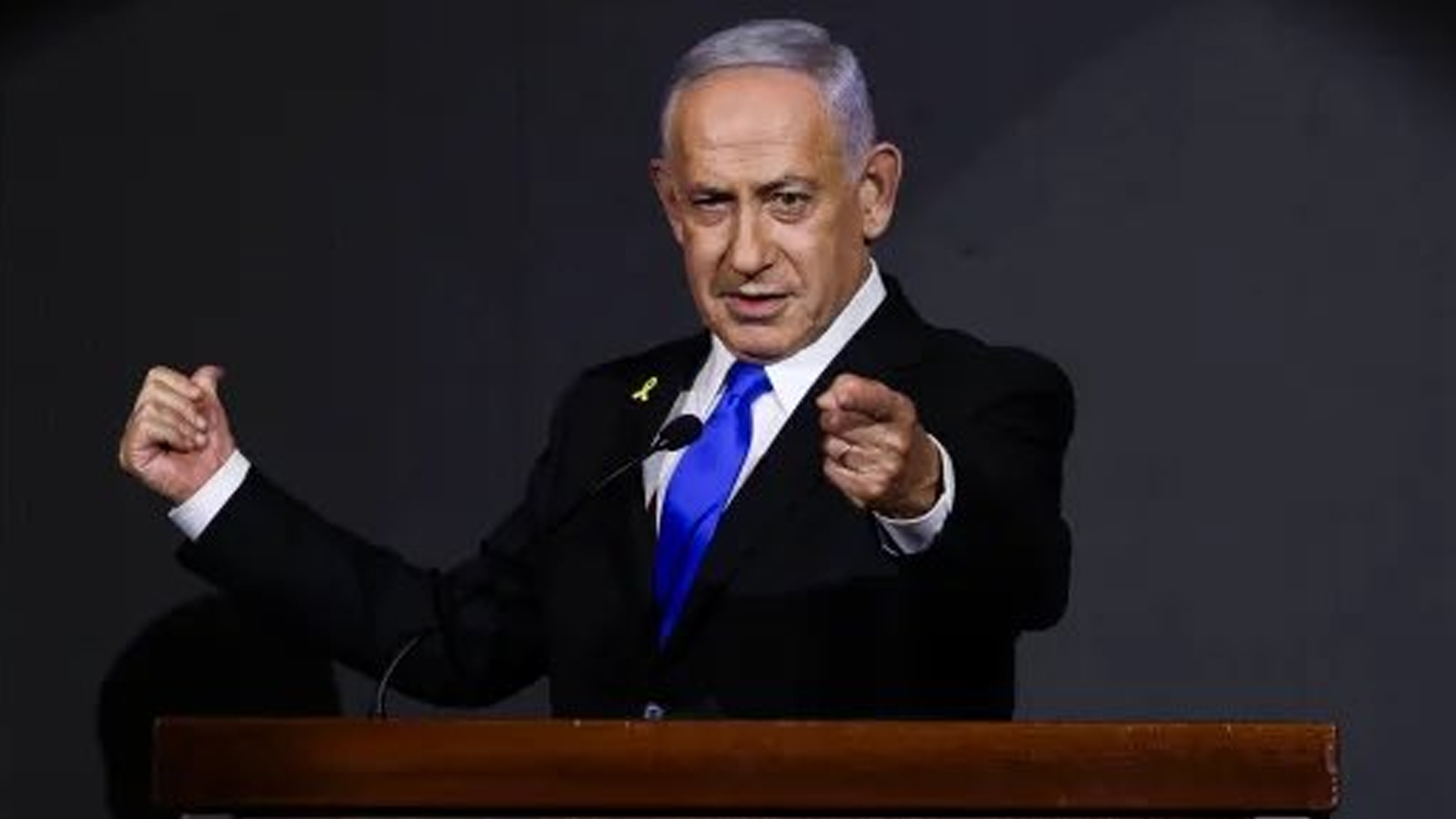
Turkey issues genocide warrant against Netanyahu
Turkey has issued arrest warrants against Israeli PM Benjamin Netanyahu and 36 senior officials, citing “genocide and crimes against humanity” in Gaza. The move follows Israel’s bombing of a Turkish-built hospital and aligns with Turkey’s ICJ case against Israel.
About This Category
The Format Is the Editorial Argument
The name of this publication is The Summary. This section is where that philosophy is most directly expressed. The Summaries are not abbreviated versions of longer articles. They are complete pieces of journalism — reported, edited, and published at a length that respects both the story and the reader's time. The decision to keep them short is not a constraint. It is a position: that most news can be communicated clearly in 150 words, and that padding it to 600 words rarely improves it.
The editorial discipline required to produce a good summary is different from, and in some ways harder than, writing at length. Every sentence has to do real work. Nothing survives that doesn't belong there.
What Ends Up Here
The range is genuinely broad — and deliberately so. On any given day, The Summaries might carry a Karnataka cabinet resignation, a hospital fire in Bihar, a CBSE policy recommendation, a Kerala toddler death that has triggered public outrage, and a Cockroach Janta Party founder's plans to protest at Jantar Mantar. These are not thematically related stories. They are simply the news, treated with consistent brevity.
That breadth is the point. A reader who follows The Summaries doesn't need to choose a category to monitor. National politics, health research, civic tragedies, civil society, lifestyle news — it all comes through this section at a pace that doesn't require hours of reading to stay current.
The Judgment That Goes Into 150 Words
Selection is where the editorial work happens. Not everything becomes a Summary. Stories make it here when the core fact is clear, the significance is demonstrable, and the full picture can be honestly conveyed at short length without stripping context that the reader actually needs. A story like the Muzaffarpur hospital fire — four lives lost, a state inquiry ordered, families to be compensated — can be told completely in under two minutes. Stretching it doesn't add information; it adds length.
Some stories don't work as summaries because the context is too dense to compress responsibly. Those go elsewhere on the site. The Summaries is not a catchall; it's a format with specific requirements, and not every story meets them.
A Different Kind of Archive
Over time, The Summaries has become a reliable daily record of what happened in India and across the world — told concisely, sourced from official announcements and credible reporting, and published without the delay that often accompanies longer-form analysis. Readers who have followed the section consistently say it functions as a news briefing they can consume in a single sitting. That is more or less exactly what it was designed to do.
Frequently Asked Questions
Q1. What is The Summaries format and how is it different from other sections?
The Summaries are short, complete news pieces — typically under 150 words — covering a single event or development clearly and accurately. Unlike the full-length articles in sections like National, Business, or Health, these are written to be read in under a minute. The format is intentional: the goal is to report the news completely, not briefly for brevity's sake.
Q2. Does The Summaries cover all topics or only specific beats?
All topics. A single scroll through The Summaries on any given day might include political news, health research, a civic disaster, an education policy decision, and a human interest story. The connective thread is the format, not the subject. Readers who want to stay across multiple beats without tracking several sections will find everything here.
Q3. Are The Summaries just shortened versions of longer articles on the site?
No. They are standalone pieces written specifically for this format. Occasionally, a major developing story will have both a full article and a Summary — but they are written separately, for different purposes. The Summary version is complete on its own terms, not a teaser or a preview of something longer.
Q4. How does The Summary decide what becomes a Summary versus a full article?
If a story can be told accurately and completely at short length without stripping essential context, it's a candidate for The Summaries. If the background, timeline, or stakeholder complexity genuinely requires more room, it gets a full article. The test is whether the reader comes away informed — not whether the piece meets a word count.
Q5. How often is The Summaries section updated?
Throughout the day as news develops. There is no fixed publishing schedule — stories are published when they are ready. Readers who check in once or twice daily will typically find several new pieces each visit. The pace reflects the news cycle, not a content calendar.
Q6. Is The Summaries a good starting point for readers new to the site?
It is probably the most efficient way to understand the full scope of what The Summary covers. Because the section spans every beat — politics, business, health, lifestyle, science, national, world news — a few minutes in The Summaries gives a reader a clearer picture of the publication's range than browsing any single category section would.