
The Summaries

Air India Turns to Tata, Singapore Airlines for Support
Air India has sought ₹10,000 crore from shareholders Tata Sons and Singapore Airlines to recover from the Ahmedabad crash’s financial and reputational impact. The funds aim to boost safety, maintenance, and operations, helping the Tata-owned airline rebuild trust, meet compensation costs, and sustain its Vihaan.AI transformation plan.

Trump Hosts White House Halloween Bash
President Donald Trump and First Lady Melania Trump hosted the 67th annual White House Halloween celebration, offering cheer amid a government shutdown. Children dressed as superheroes and mini-presidents joined in the fun. Pumpkins from the event, donated by the International Fresh Produce Association, were later sent to DC Central Kitchen.
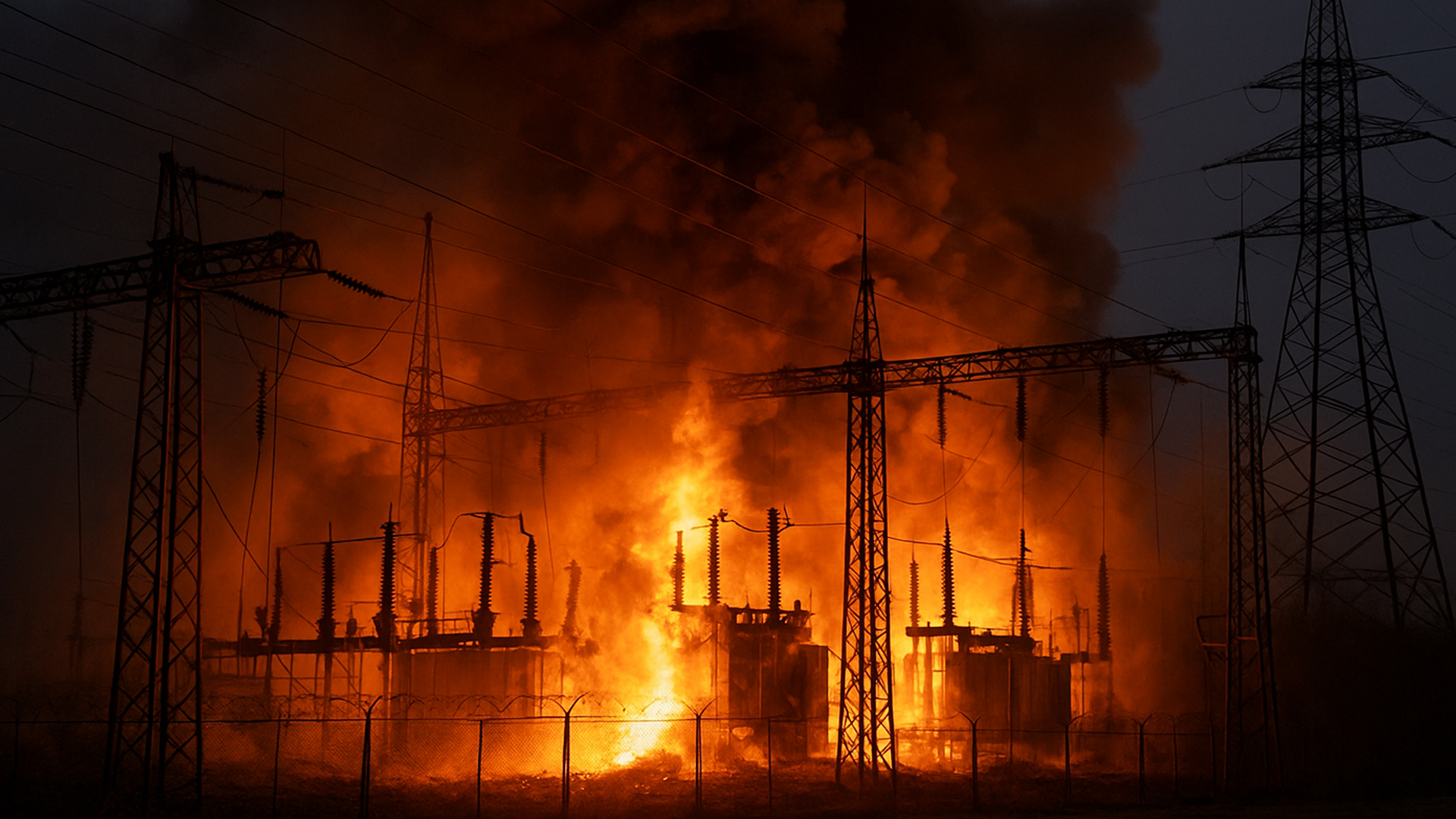
Russia Hits Ukraine Power Grid, 7 Dead
Seven people, including a child, were killed as Russia launched more than 650 drones and 50 missiles on October 30, crippling Ukraine’s power grid. Energy facilities across several regions were hit, prompting Kyiv to impose power rationing as winter approaches and families took shelter in darkness amid renewed fear.
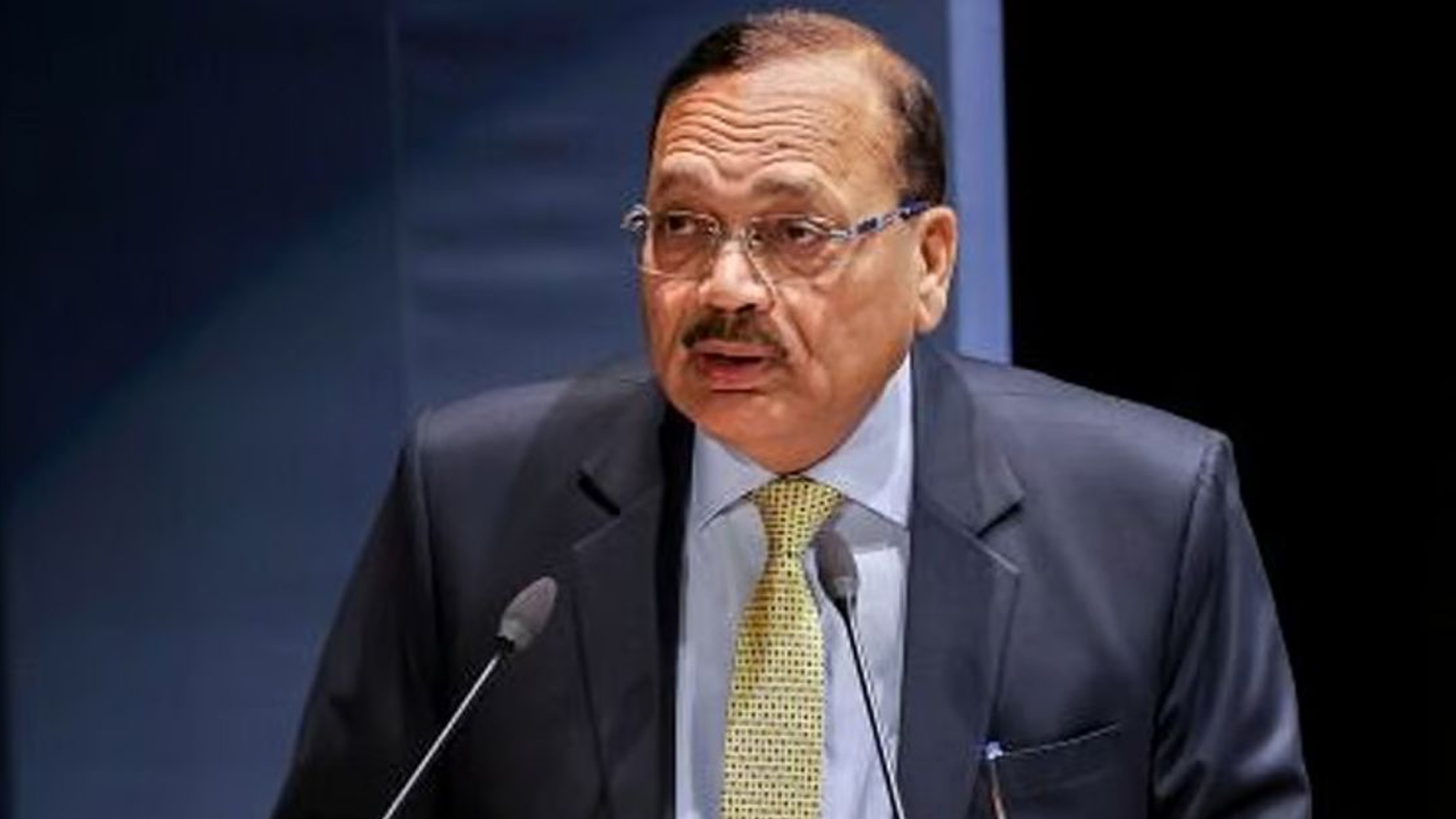
Surya Kant Appointed India’s 53rd CJI
President Droupadi Murmu has appointed Justice Surya Kant as the 53rd Chief Justice of India. Currently the Supreme Court’s second senior-most judge, he will assume office on November 24, succeeding Chief Justice D.Y. Chandrachud. Renowned for integrity and balanced rulings, his tenure will continue till February 2027.
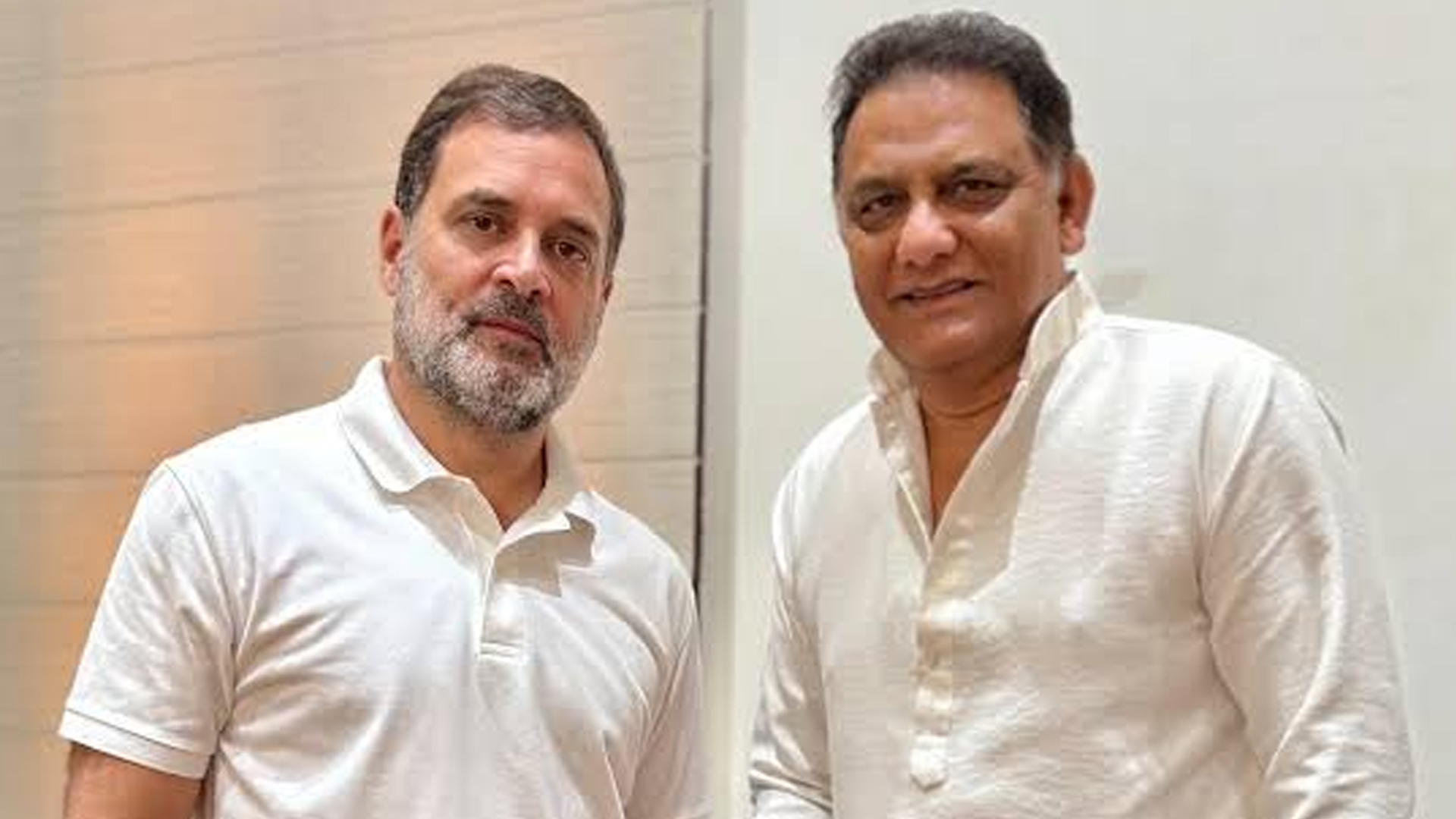
Azharuddin to Join Telangana Cabinet Today
Former India cricket captain and Congress leader Mohammad Azharuddin will be sworn in as a Telangana minister on October 31. Nominated to the Legislative Council under the Governor’s quota, his induction restores Muslim representation in the cabinet. The move also comes ahead of the crucial Jubilee Hills by-election on November 11.

Oxford Names ‘67’ as 2025 Word of the Year
Oxford Languages has crowned ’67’ as the 2025 Word of the Year, spotlighting the rise of numerical slang in online culture. The term, born on social media, conveys feelings of exhaustion and disconnection in the digital age. Linguists say the choice mirrors how younger generations use numbers to voice emotion in the age of algorithm.

Spectacular Clouds Spark UFO Rumors in Quetta
A rare lenticular cloud illuminated Quetta’s pre-dawn sky over Koh-e-Murdaar on October 28, stunning residents with its iridescent glow. Many mistook it for a UFO or missile test. Meteorologists later confirmed it was a natural phenomenon caused by moist air rising over mountains and refracting sunlight

Cloud-Seeding Yields No Rain in Delhi
Delhi’s ₹3.2-crore cloud-seeding experiment to curb air pollution failed to bring rain on Tuesday. A plane sprayed silver iodide over Burari, Mayur Vihar, and Karol Bagh, but the clouds were too dry, with only 10–15% humidity. Experts said Delhi’s stable winter weather prevented rainfall and warned that only emission cuts can ensure lasting pollution relief.
Russia Strikes Power Grid in Ukraine as Peace Talks Stall
Ukraine was hit overnight by a barrage of Russian drone and missile strikes, killing six civilians, including two children, in Kyiv. The sudden attack left several injured and communities reeling. The attacks targeted residential areas and critical energy infrastructure in cities like Kyiv, Zaporizhzhia, and Odesa, causing widespread power outages.
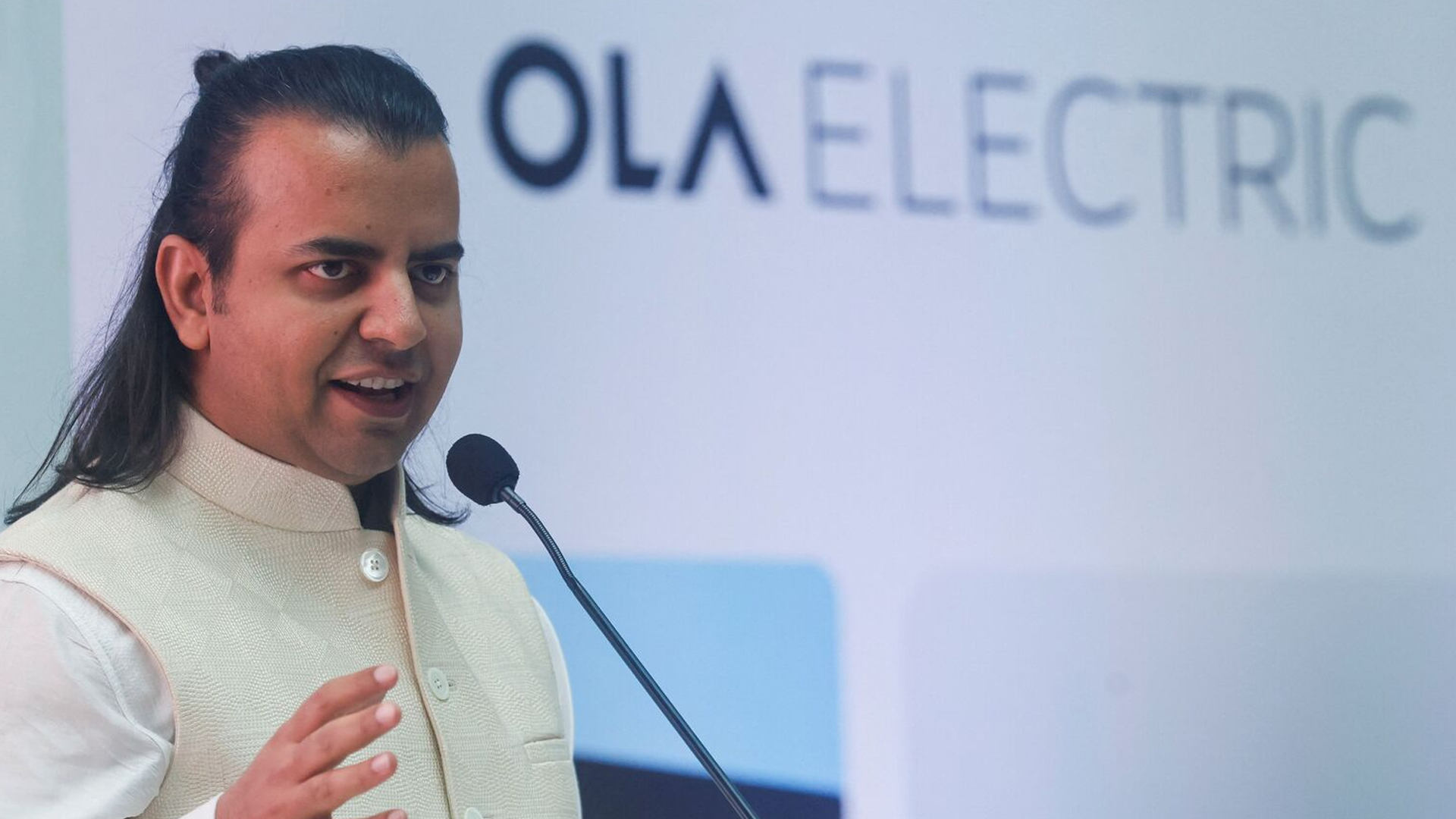
Ola CEO, Executive Booked Over Employee Suicide
Ola Electric CEO Bhavish Aggarwal and senior executive Subrat Kumar Dash have been named in an FIR over the suicide of employee K Aravind, 38. Aravind’s 28-page note alleged workplace harassment, salary delays, and a ₹17.46 lakh transfer made after his death. Police are probing the case under Section 108 for abetment to suicide.

FSSAI Bans ‘ORS’ Labeling on Food Products
The Food Safety and Standards Authority of India, chaired by Rita Teaotia, has directed States and UTs to remove the term “ORS” from non-compliant product labels. The move follows Dr. Sivaranjani Santosh’s campaign against sugary drinks falsely marketed as oral rehydration solutions. Violators face penalties under the 2006 Act.
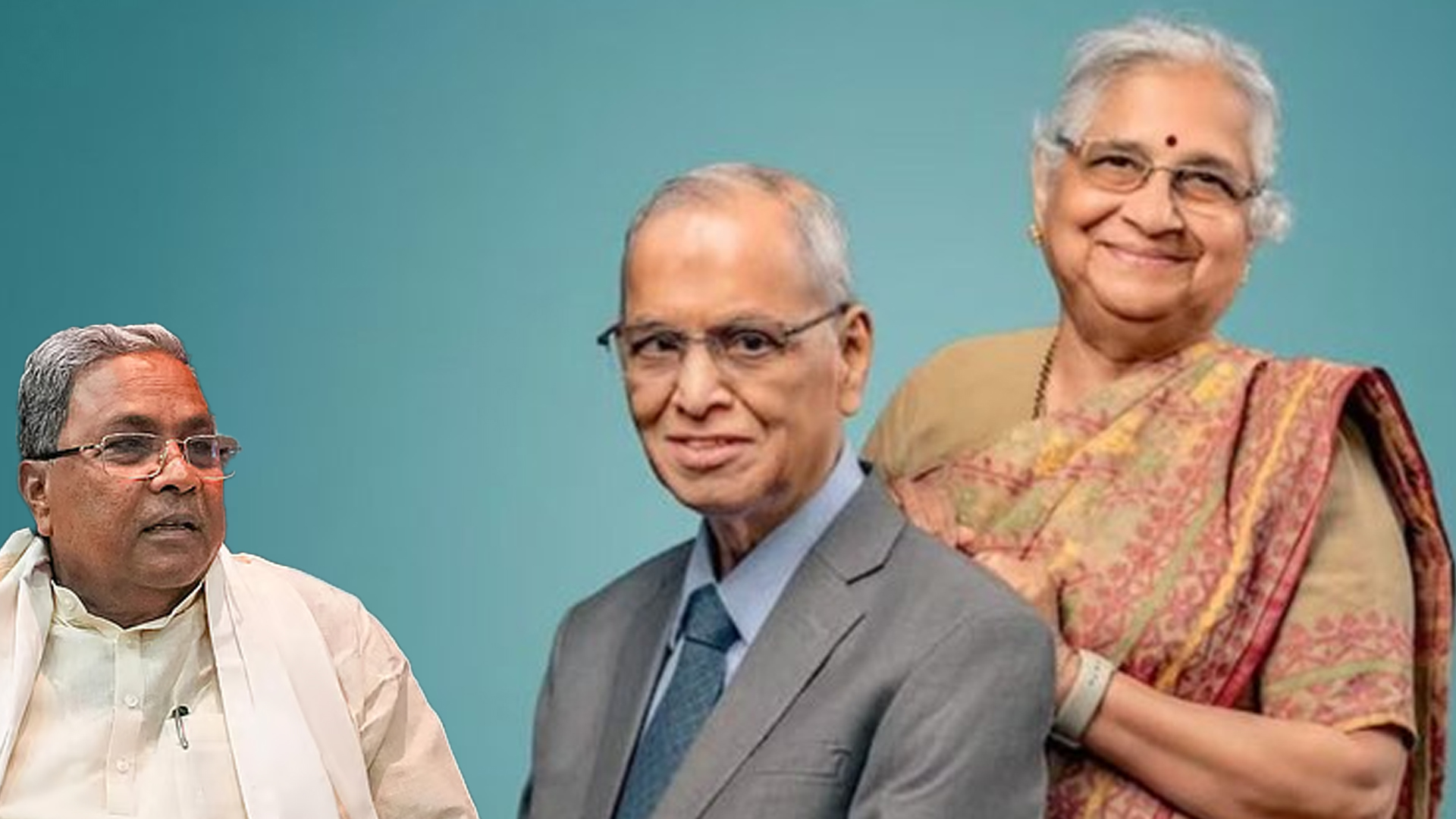
Siddaramaiah Slams Murthys Over Survey Boycott
Karnataka CM Siddaramaiah criticised Infosys founders Narayana and Sudha Murthy for refusing the state’s Social and Educational Survey, calling it a “misunderstanding” of its purpose. The Murthys said they don’t belong to any backward class, but Siddaramaiah stressed the survey covers all citizens to promote inclusive development
About This Category
The Format Is the Editorial Argument
The name of this publication is The Summary. This section is where that philosophy is most directly expressed. The Summaries are not abbreviated versions of longer articles. They are complete pieces of journalism — reported, edited, and published at a length that respects both the story and the reader's time. The decision to keep them short is not a constraint. It is a position: that most news can be communicated clearly in 150 words, and that padding it to 600 words rarely improves it.
The editorial discipline required to produce a good summary is different from, and in some ways harder than, writing at length. Every sentence has to do real work. Nothing survives that doesn't belong there.
What Ends Up Here
The range is genuinely broad — and deliberately so. On any given day, The Summaries might carry a Karnataka cabinet resignation, a hospital fire in Bihar, a CBSE policy recommendation, a Kerala toddler death that has triggered public outrage, and a Cockroach Janta Party founder's plans to protest at Jantar Mantar. These are not thematically related stories. They are simply the news, treated with consistent brevity.
That breadth is the point. A reader who follows The Summaries doesn't need to choose a category to monitor. National politics, health research, civic tragedies, civil society, lifestyle news — it all comes through this section at a pace that doesn't require hours of reading to stay current.
The Judgment That Goes Into 150 Words
Selection is where the editorial work happens. Not everything becomes a Summary. Stories make it here when the core fact is clear, the significance is demonstrable, and the full picture can be honestly conveyed at short length without stripping context that the reader actually needs. A story like the Muzaffarpur hospital fire — four lives lost, a state inquiry ordered, families to be compensated — can be told completely in under two minutes. Stretching it doesn't add information; it adds length.
Some stories don't work as summaries because the context is too dense to compress responsibly. Those go elsewhere on the site. The Summaries is not a catchall; it's a format with specific requirements, and not every story meets them.
A Different Kind of Archive
Over time, The Summaries has become a reliable daily record of what happened in India and across the world — told concisely, sourced from official announcements and credible reporting, and published without the delay that often accompanies longer-form analysis. Readers who have followed the section consistently say it functions as a news briefing they can consume in a single sitting. That is more or less exactly what it was designed to do.
Frequently Asked Questions
Q1. What is The Summaries format and how is it different from other sections?
The Summaries are short, complete news pieces — typically under 150 words — covering a single event or development clearly and accurately. Unlike the full-length articles in sections like National, Business, or Health, these are written to be read in under a minute. The format is intentional: the goal is to report the news completely, not briefly for brevity's sake.
Q2. Does The Summaries cover all topics or only specific beats?
All topics. A single scroll through The Summaries on any given day might include political news, health research, a civic disaster, an education policy decision, and a human interest story. The connective thread is the format, not the subject. Readers who want to stay across multiple beats without tracking several sections will find everything here.
Q3. Are The Summaries just shortened versions of longer articles on the site?
No. They are standalone pieces written specifically for this format. Occasionally, a major developing story will have both a full article and a Summary — but they are written separately, for different purposes. The Summary version is complete on its own terms, not a teaser or a preview of something longer.
Q4. How does The Summary decide what becomes a Summary versus a full article?
If a story can be told accurately and completely at short length without stripping essential context, it's a candidate for The Summaries. If the background, timeline, or stakeholder complexity genuinely requires more room, it gets a full article. The test is whether the reader comes away informed — not whether the piece meets a word count.
Q5. How often is The Summaries section updated?
Throughout the day as news develops. There is no fixed publishing schedule — stories are published when they are ready. Readers who check in once or twice daily will typically find several new pieces each visit. The pace reflects the news cycle, not a content calendar.
Q6. Is The Summaries a good starting point for readers new to the site?
It is probably the most efficient way to understand the full scope of what The Summary covers. Because the section spans every beat — politics, business, health, lifestyle, science, national, world news — a few minutes in The Summaries gives a reader a clearer picture of the publication's range than browsing any single category section would.