
The Summaries
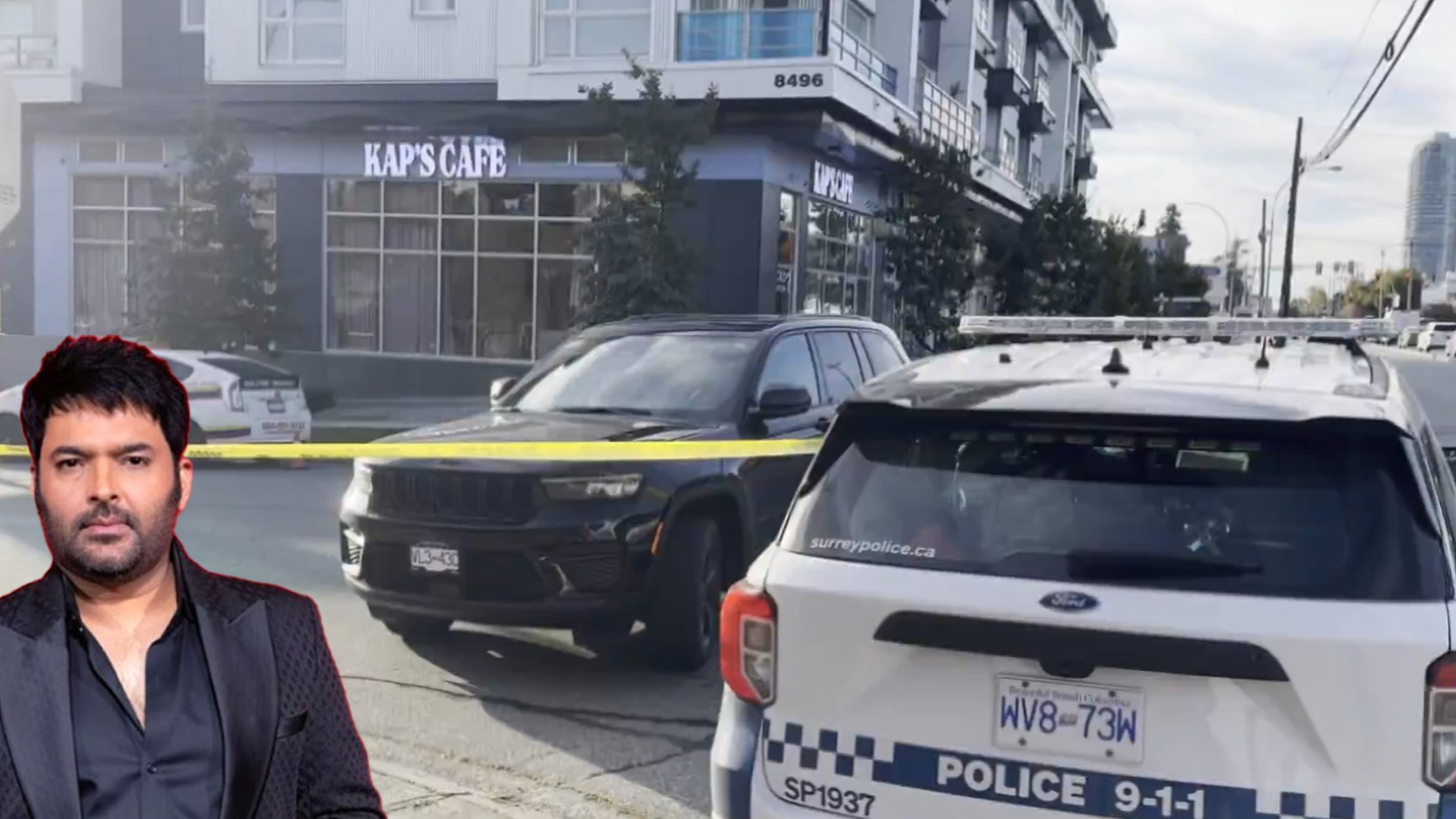
Comedian Kapil Sharma’s Café in Canada Hit by Gunfire Again
Kapil Sharma’s Surrey café, Kap’s Café, faced its third attack in four months as shots were fired from a moving car early Thursday. No injuries were reported. The Bishnoi and Goldy Dhillon gangs claimed responsibility. Police suspect extortion links and are probing Indo-Canadian gang connections
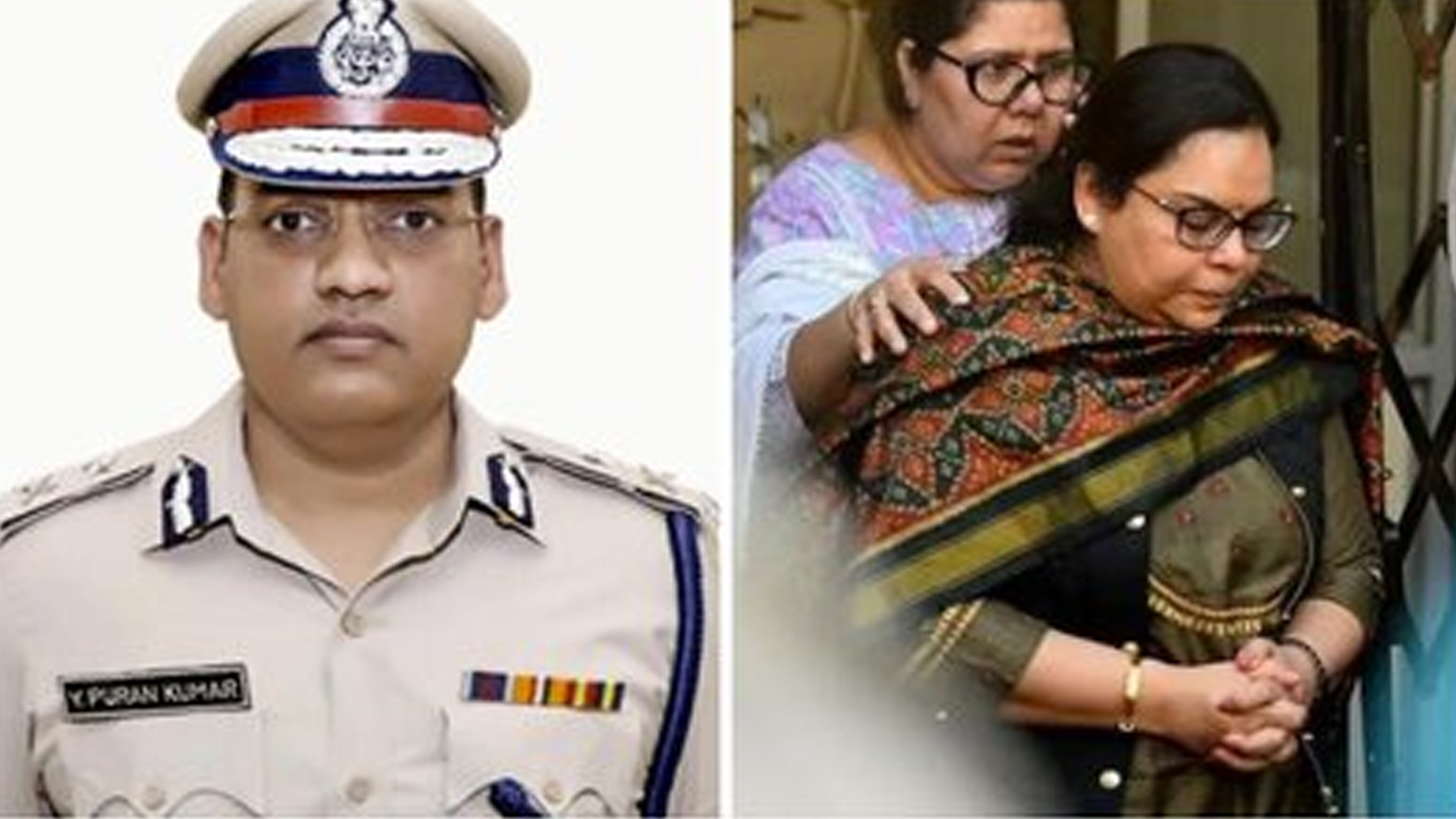
IPS Officer’s Family Booked in Haryana Cop Suicide Case
Haryana Police have filed an FIR against Amneet P. Kumar, wife of late IPS officer Y Puran Kumar, her brother, and personal security officer Sushil Kumar in connection with ASI Sandeep Lathar’s suicide. The FIR includes charges of abetment to suicide and criminal conspiracy. Lathar, who died by suicide in Rohtak, left behind a video […]

Nepali Student Abducted by Hamas Found Dead After 738 Days
Nepali student Bipin Joshi, abducted by Hamas during the 2023 Israel-Gaza conflict, has been confirmed dead after 738 days in captivity. The 23-year-old’s remains were among four bodies handed to Israel under a recent truce deal. Joshi was celebrated for his bravery after he saved his classmates by throwing back a live grenade during the […]

Pakistan Secures $1.2 Billion IMF Lifeline
Pakistan has reached a staff-level agreement with the International Monetary Fund (IMF) for a $1.2 billion loan package, offering critical support to its struggling economy. The deal includes $1 billion under the Extended Fund Facility and $200 million through the Resilience and Sustainability Facility, pending IMF Board approval. Islamabad has pledged to maintain fiscal discipline, […]
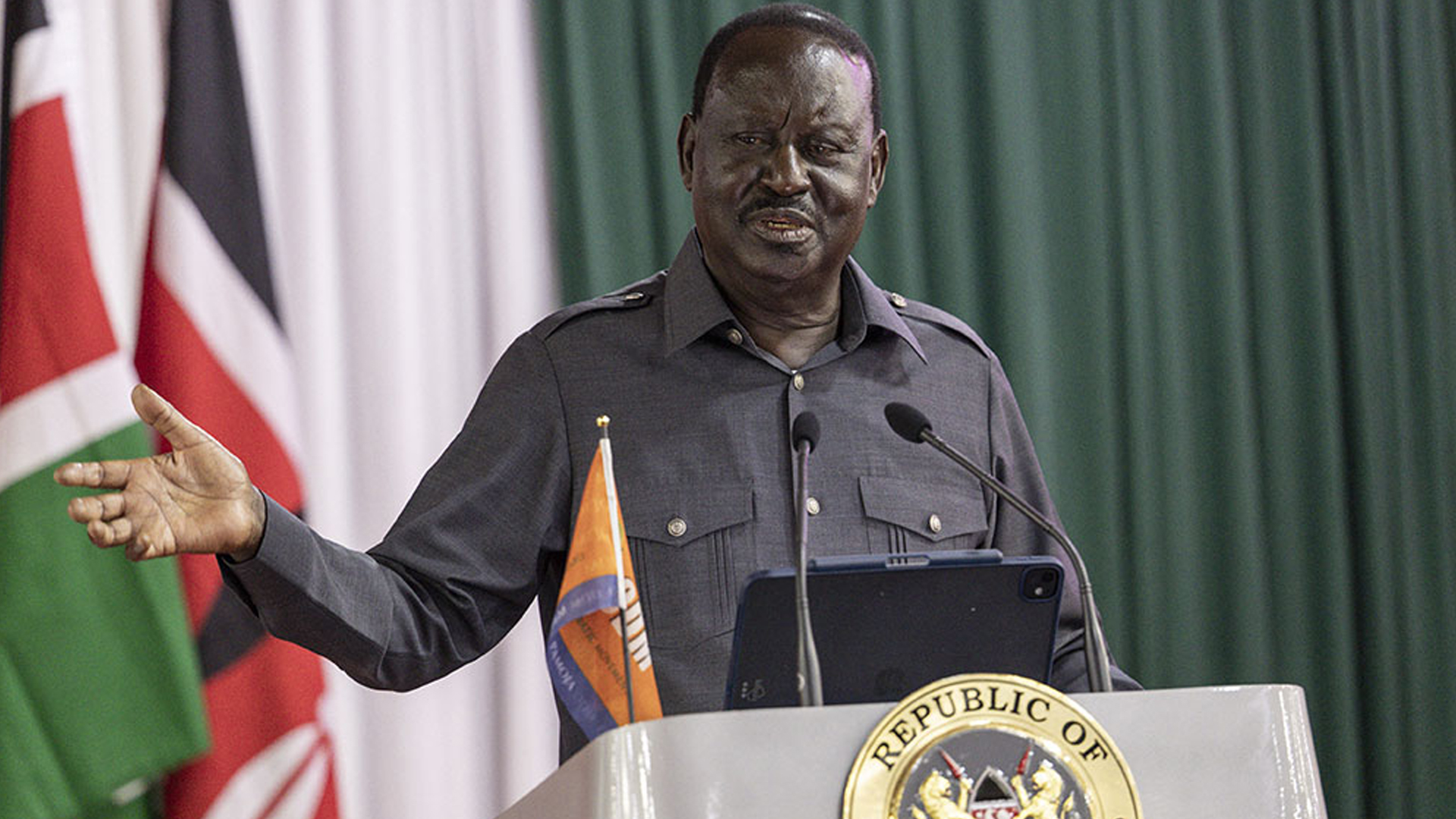
Former Kenyan Prime Minister Raila Odinga Dies in India at Age 80
Former Kenyan Prime Minister Raila Odinga passed away at the age of 80 in Kochi, India

Ukrainian Crypto CEO Galish Found Dead As Markets Collapse
Konstantin Galish, a 32-year-old Ukrainian crypto entrepreneur known as Kostya Kudo, was found dead in his Lamborghini in Kyiv on Saturday from a gunshot wound to the head. Authorities recovered a pistol registered in his name at the scene and are investigating the case as a possible suicide. Galish, co-founder of the blockchain education platform […]
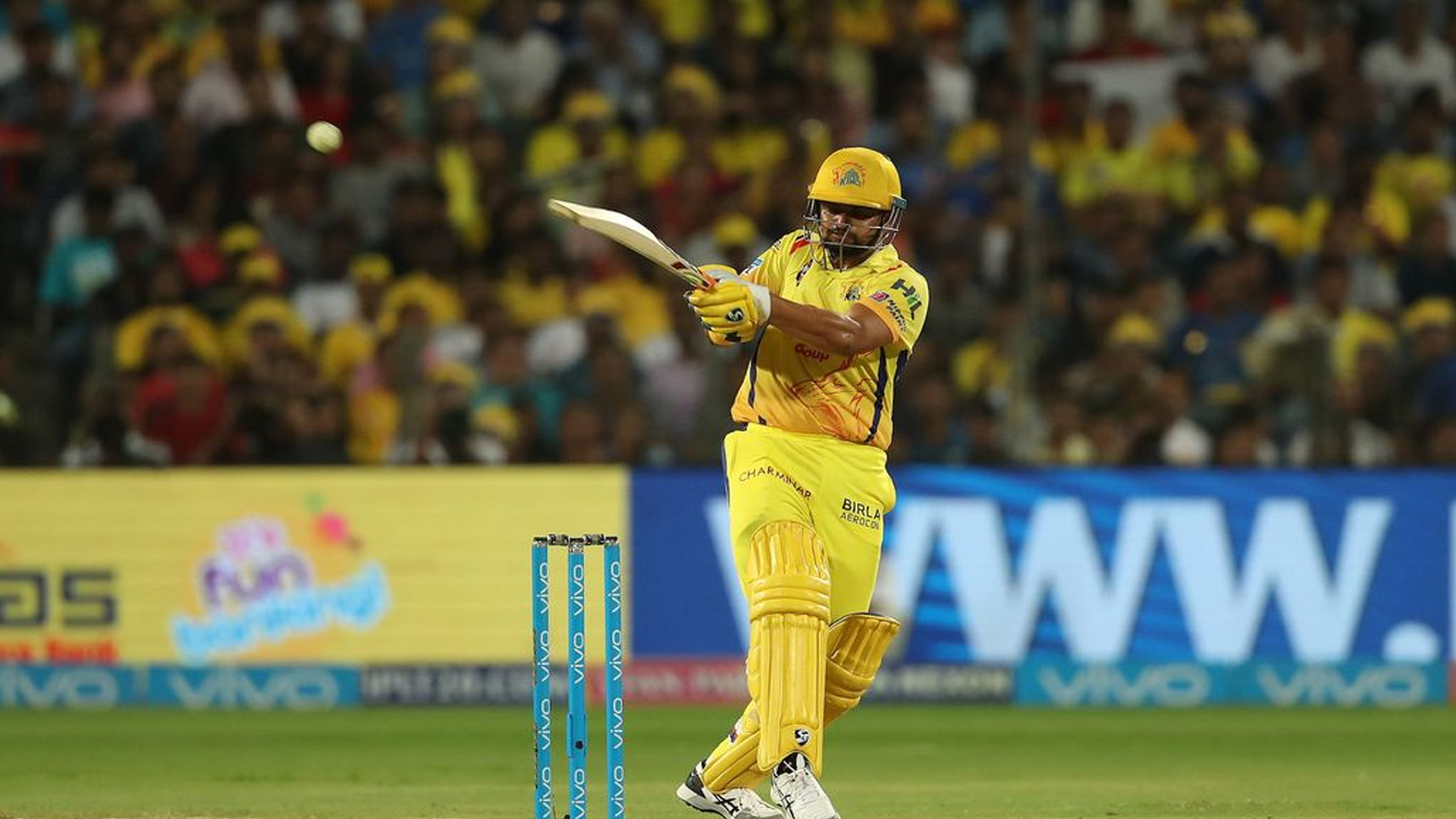
ED Questions Suresh Raina in Onex Bet App Probe, Celebrity Endorsements Under Scrutiny
Veteran cricketer Suresh Raina is being questioned by the Enforcement Directorate (ED) over alleged promotion of the Onex bet app, suspected to be an illegal gambling platform. Investigators are probing whether Raina was aware of the app’s surrogate links to unlawful betting sites and if he received payments, including in cash. The ED alleges he […]
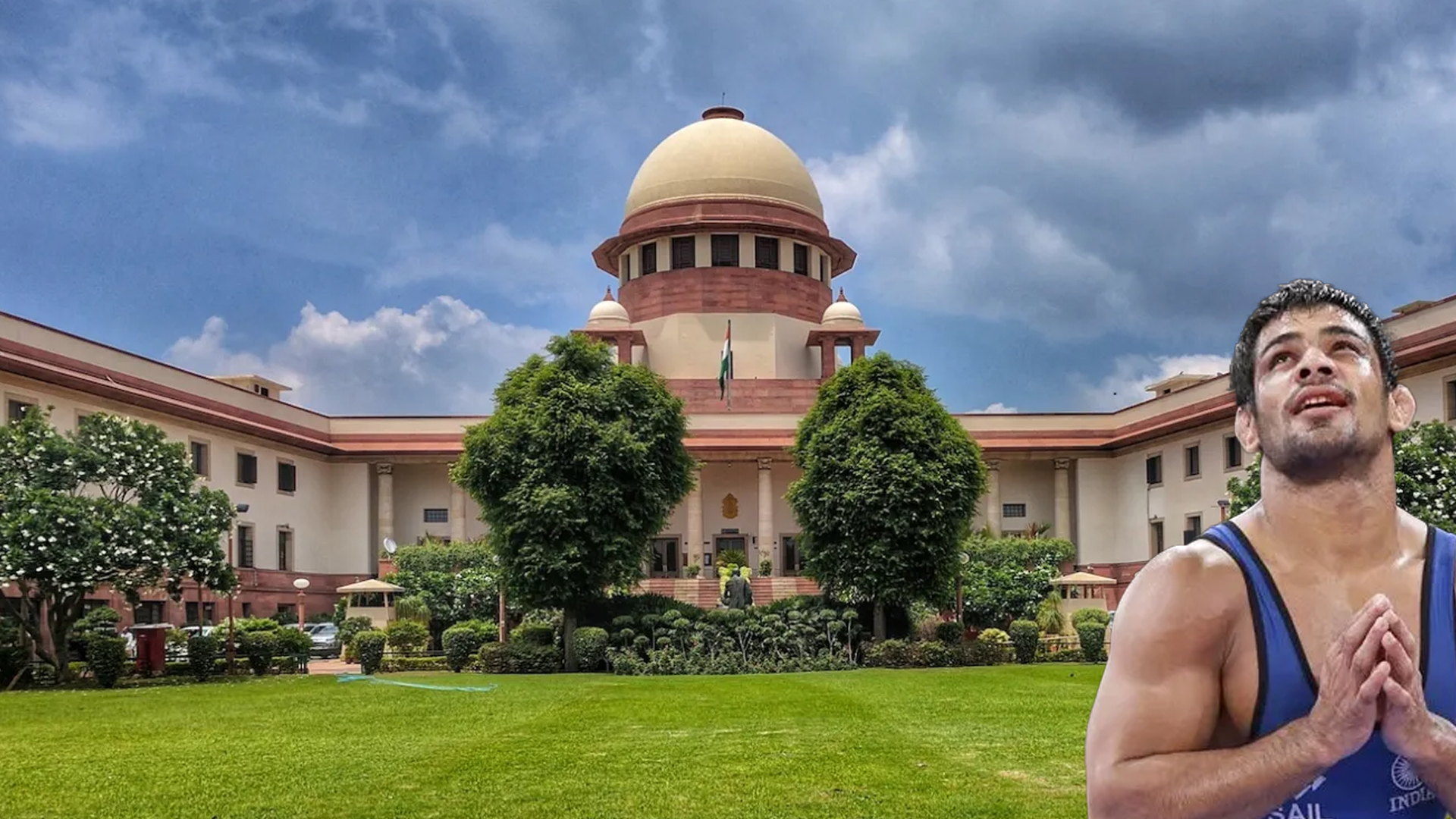
Supreme Court Revokes Bail for Wrestler Sushil Kumar in Murder Case
The Supreme Court on August 13 cancelled the bail granted to Olympic medallist Sushil Kumar in the 2021 murder case of junior national wrestling champion Sagar Dhankar. A Bench of Justices Sanjay Karol and Prashant Kumar Mishra overturned the Delhi High Court’s March 4 order and directed Kumar to surrender within a week. Kumar and […]
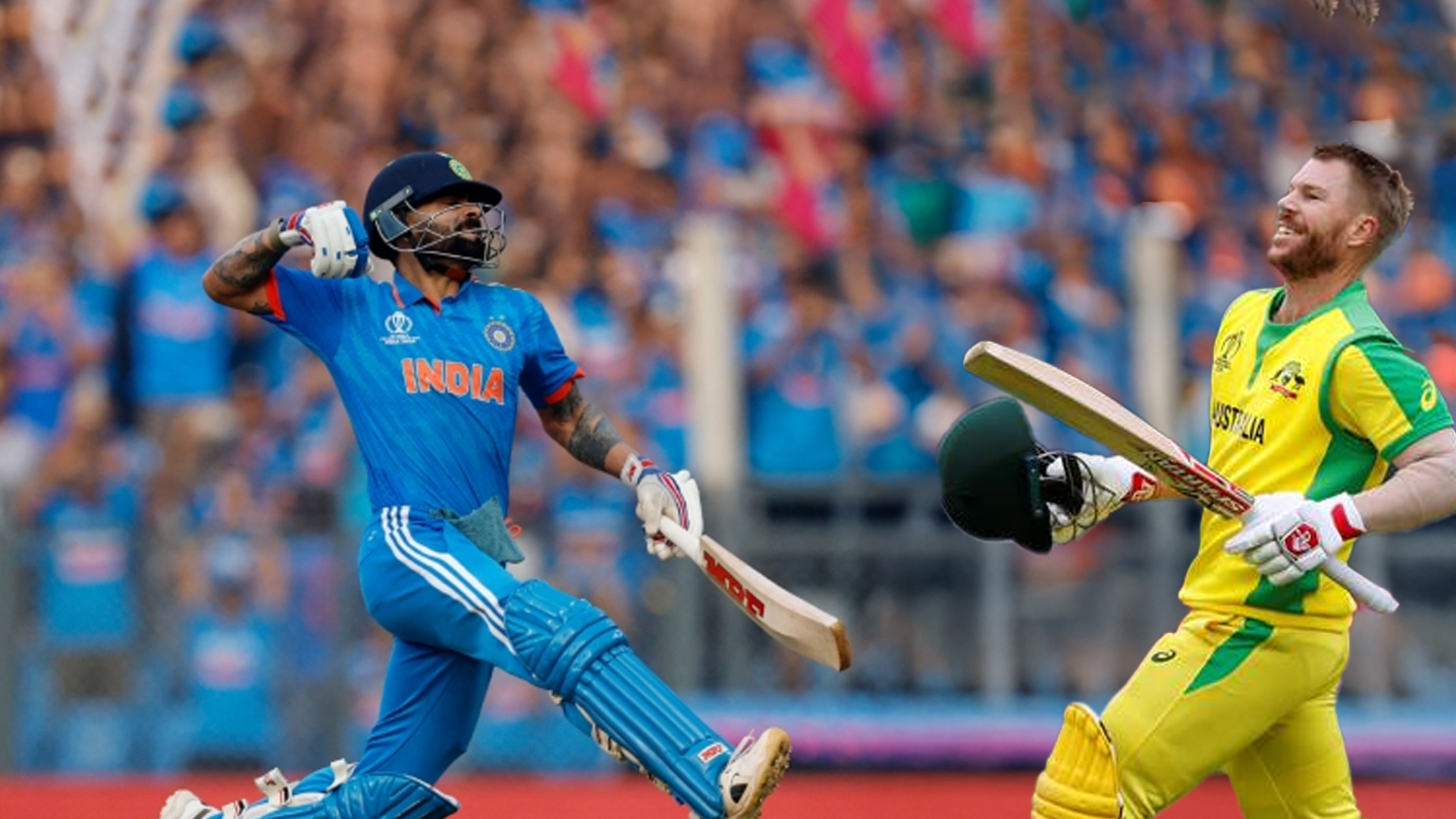
David Warner Surpasses Virat Kohli to Enter Top Five T20 Run-Scorers
Australian veteran David Warner has overtaken Virat Kohli to become the fifth-highest run-getter in T20 cricket. Warner achieved the milestone with a 71-run knock for London Spirit against Manchester Originals in The Hundred. He now has 13,545 runs in 419 matches, edging past Kohli’s 13,543. Despite his innings, Spirit lost chasing 164. Warner tops this […]

US Declares Balochistan Liberation Army and Majeed Brigade as Foreign Terrorist Organisations
The United States has officially designated the Balochistan Liberation Army (BLA) and its faction, the Majeed Brigade, as Foreign Terrorist Organisations (FTOs), intensifying its counterterrorism stance in the region. The decision, announced on Monday (August 11), follows years of violent attacks attributed to the group, including recent high-profile incidents. The BLA was first labelled a […]

Heavy Rains Trigger Flooding in Himachal & Uttarakhand, Flash Floods Ravage Uttarkashi
India is in the grip of intense monsoon activity, with extreme rainfall causing widespread flooding and landslides—particularly in Himachal Pradesh and Uttarakhand, where red alerts have been issued. Uttarakhand Hit Hard On August 5, a devastating flash flood struck Dharali village in Uttarkashi district. The deluge—likely triggered by a cloudburst or glacial lake outburst—swept through […]

Priyanka Gandhi Slams Indian Govt’s Silence on Gaza Crisis, Draws Sharp Rebuttal from Israeli Envoy
Congress general secretary Priyanka Gandhi on Tuesday accused the Bharatiya Janata Party (BJP)-led central government of turning a blind eye to what she described as Israel’s “genocide” in Gaza, drawing a swift and sharp rebuttal from Israel’s Ambassador to India, Reuven Azar. Her remarks came as the death toll from nearly two years of conflict […]
About This Category
The Format Is the Editorial Argument
The name of this publication is The Summary. This section is where that philosophy is most directly expressed. The Summaries are not abbreviated versions of longer articles. They are complete pieces of journalism — reported, edited, and published at a length that respects both the story and the reader's time. The decision to keep them short is not a constraint. It is a position: that most news can be communicated clearly in 150 words, and that padding it to 600 words rarely improves it.
The editorial discipline required to produce a good summary is different from, and in some ways harder than, writing at length. Every sentence has to do real work. Nothing survives that doesn't belong there.
What Ends Up Here
The range is genuinely broad — and deliberately so. On any given day, The Summaries might carry a Karnataka cabinet resignation, a hospital fire in Bihar, a CBSE policy recommendation, a Kerala toddler death that has triggered public outrage, and a Cockroach Janta Party founder's plans to protest at Jantar Mantar. These are not thematically related stories. They are simply the news, treated with consistent brevity.
That breadth is the point. A reader who follows The Summaries doesn't need to choose a category to monitor. National politics, health research, civic tragedies, civil society, lifestyle news — it all comes through this section at a pace that doesn't require hours of reading to stay current.
The Judgment That Goes Into 150 Words
Selection is where the editorial work happens. Not everything becomes a Summary. Stories make it here when the core fact is clear, the significance is demonstrable, and the full picture can be honestly conveyed at short length without stripping context that the reader actually needs. A story like the Muzaffarpur hospital fire — four lives lost, a state inquiry ordered, families to be compensated — can be told completely in under two minutes. Stretching it doesn't add information; it adds length.
Some stories don't work as summaries because the context is too dense to compress responsibly. Those go elsewhere on the site. The Summaries is not a catchall; it's a format with specific requirements, and not every story meets them.
A Different Kind of Archive
Over time, The Summaries has become a reliable daily record of what happened in India and across the world — told concisely, sourced from official announcements and credible reporting, and published without the delay that often accompanies longer-form analysis. Readers who have followed the section consistently say it functions as a news briefing they can consume in a single sitting. That is more or less exactly what it was designed to do.
Frequently Asked Questions
Q1. What is The Summaries format and how is it different from other sections?
The Summaries are short, complete news pieces — typically under 150 words — covering a single event or development clearly and accurately. Unlike the full-length articles in sections like National, Business, or Health, these are written to be read in under a minute. The format is intentional: the goal is to report the news completely, not briefly for brevity's sake.
Q2. Does The Summaries cover all topics or only specific beats?
All topics. A single scroll through The Summaries on any given day might include political news, health research, a civic disaster, an education policy decision, and a human interest story. The connective thread is the format, not the subject. Readers who want to stay across multiple beats without tracking several sections will find everything here.
Q3. Are The Summaries just shortened versions of longer articles on the site?
No. They are standalone pieces written specifically for this format. Occasionally, a major developing story will have both a full article and a Summary — but they are written separately, for different purposes. The Summary version is complete on its own terms, not a teaser or a preview of something longer.
Q4. How does The Summary decide what becomes a Summary versus a full article?
If a story can be told accurately and completely at short length without stripping essential context, it's a candidate for The Summaries. If the background, timeline, or stakeholder complexity genuinely requires more room, it gets a full article. The test is whether the reader comes away informed — not whether the piece meets a word count.
Q5. How often is The Summaries section updated?
Throughout the day as news develops. There is no fixed publishing schedule — stories are published when they are ready. Readers who check in once or twice daily will typically find several new pieces each visit. The pace reflects the news cycle, not a content calendar.
Q6. Is The Summaries a good starting point for readers new to the site?
It is probably the most efficient way to understand the full scope of what The Summary covers. Because the section spans every beat — politics, business, health, lifestyle, science, national, world news — a few minutes in The Summaries gives a reader a clearer picture of the publication's range than browsing any single category section would.