
World News

WHO warns malaria cases surge, drug resistance spreads
Global malaria cases are rising again, the latest World Health Organization (WHO) report shows. The surge raises…
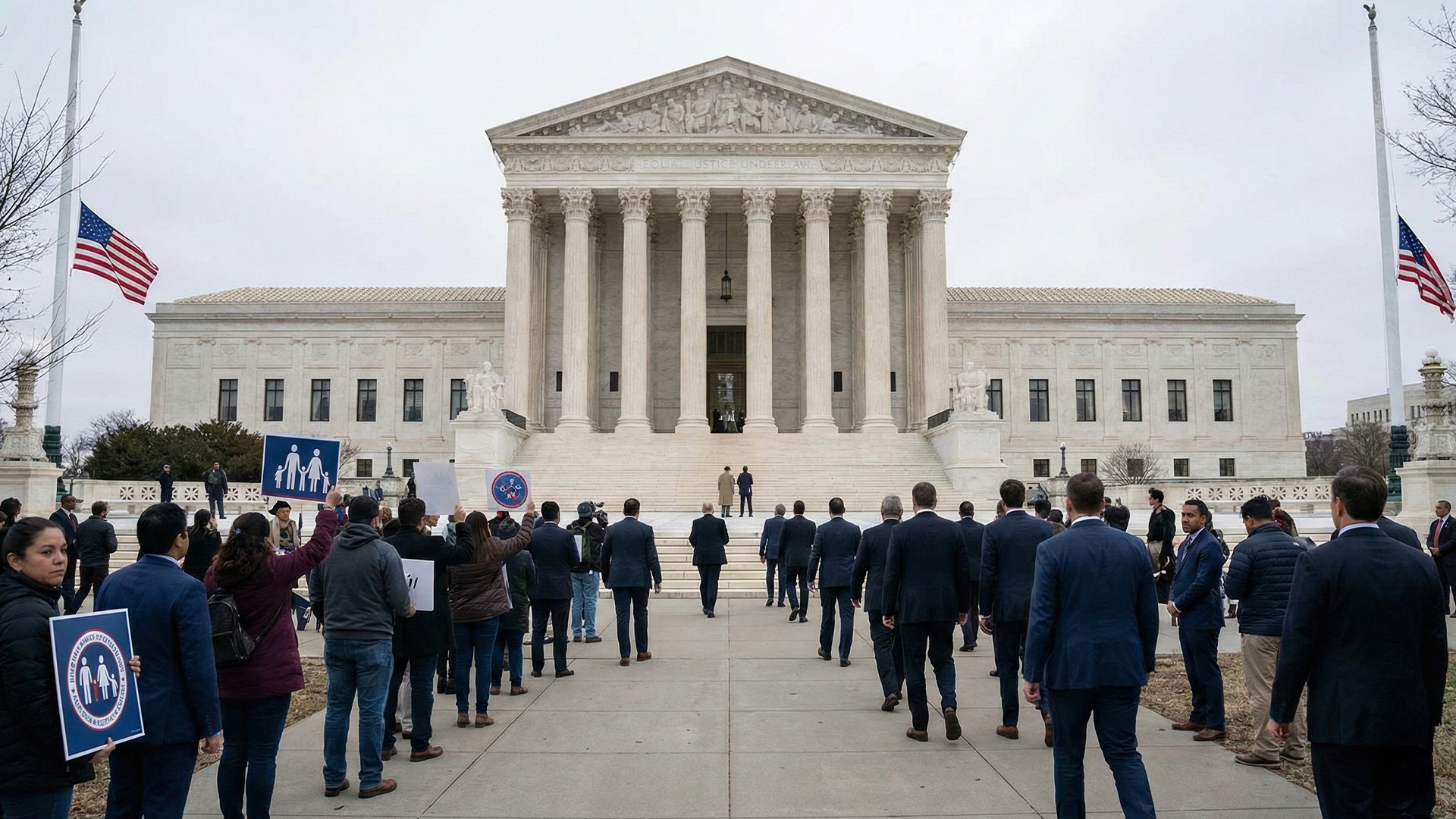
US Supreme Court to hear Trump’s citizenship challenge
The US Supreme Court has agreed to hear a major case involving President Donald Trump’s order on…
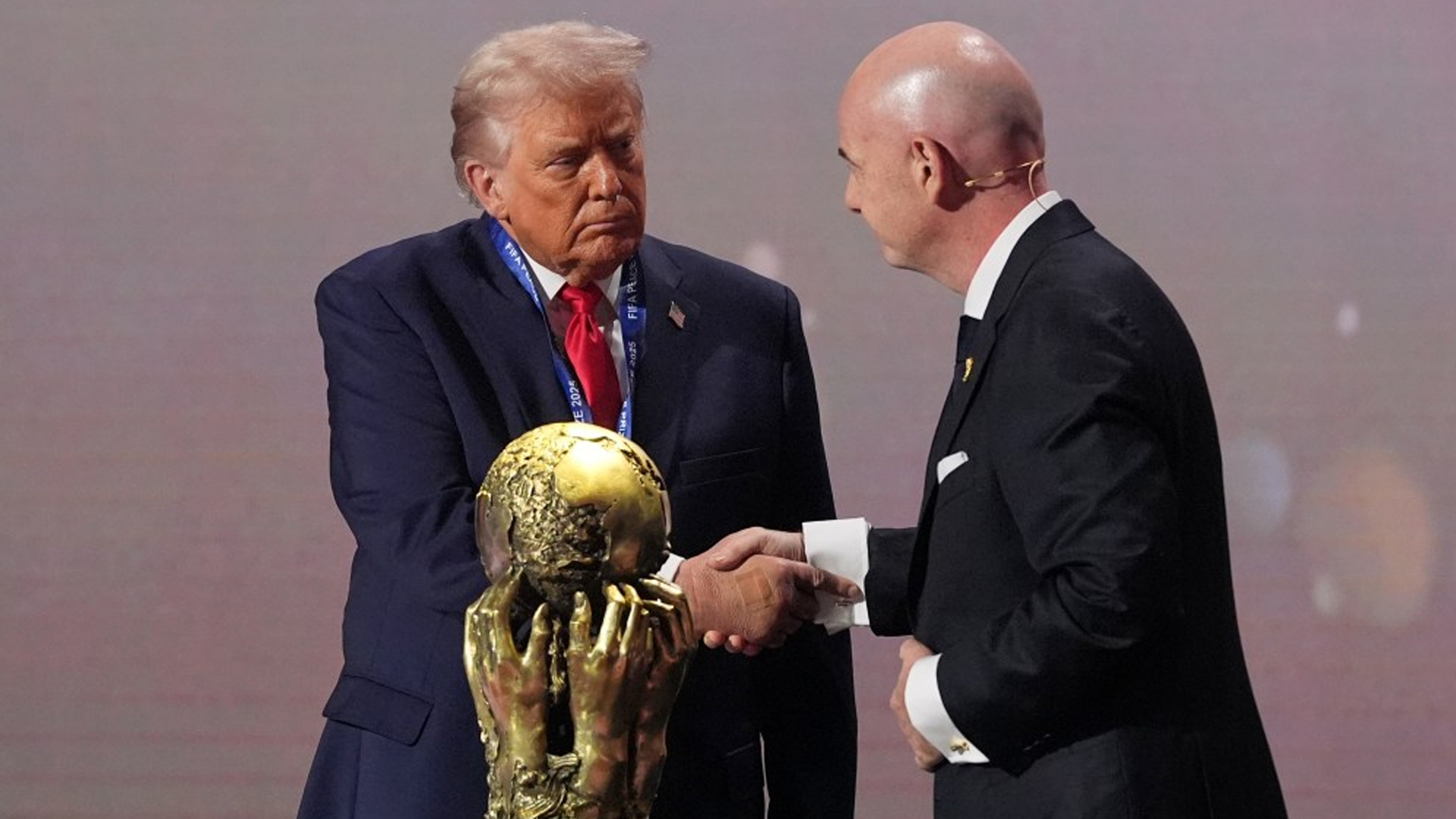
Trump receives FIFA Peace Prize at World Cup draw
FIFA stepped into unfamiliar territory this week by presenting its inaugural Peace Prize to former U.S. President…
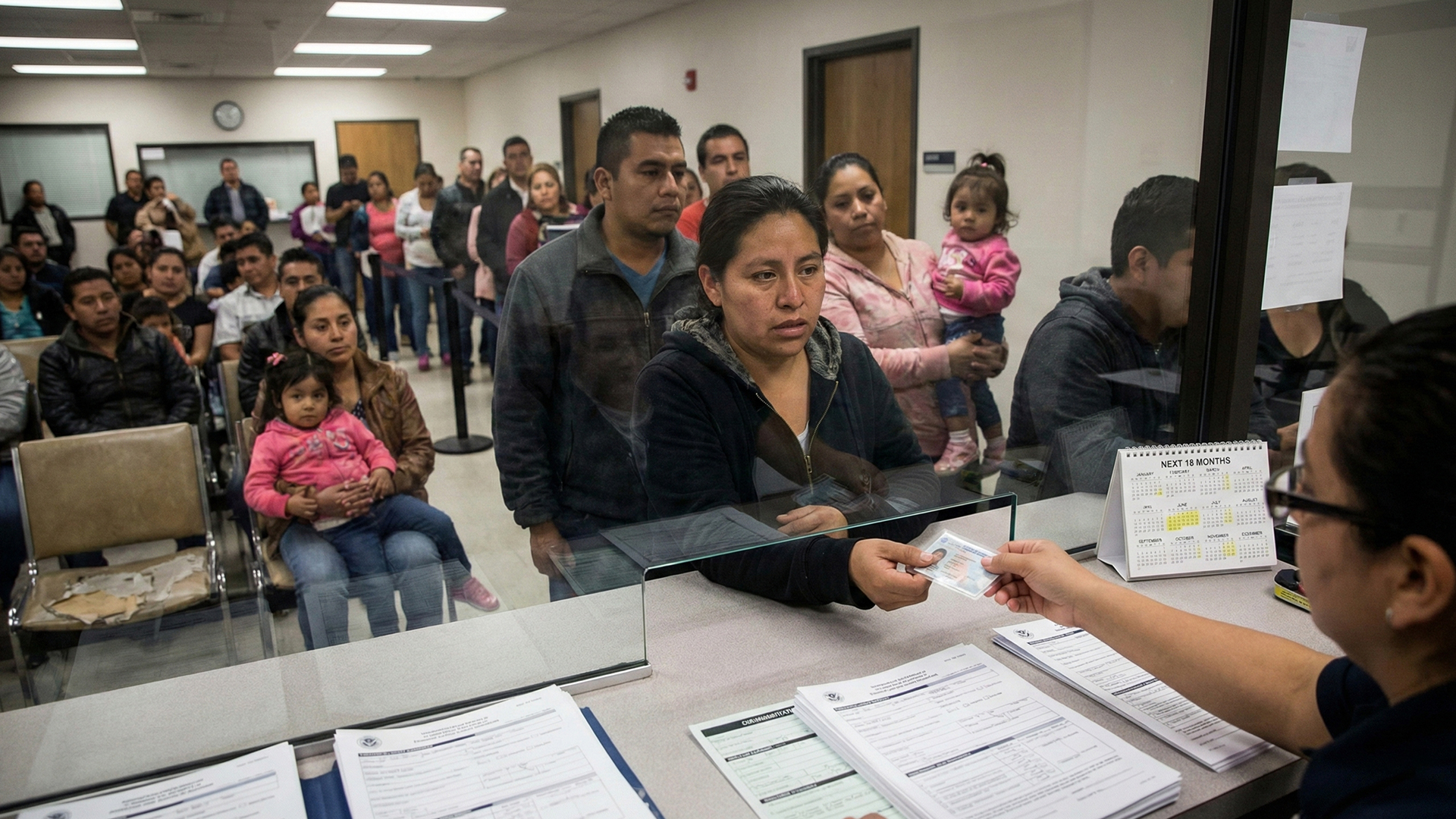
US cuts immigrant work permits to 18 months
The US Citizenship and Immigration Services (USCIS) has announced a significant reduction in the validity of work…
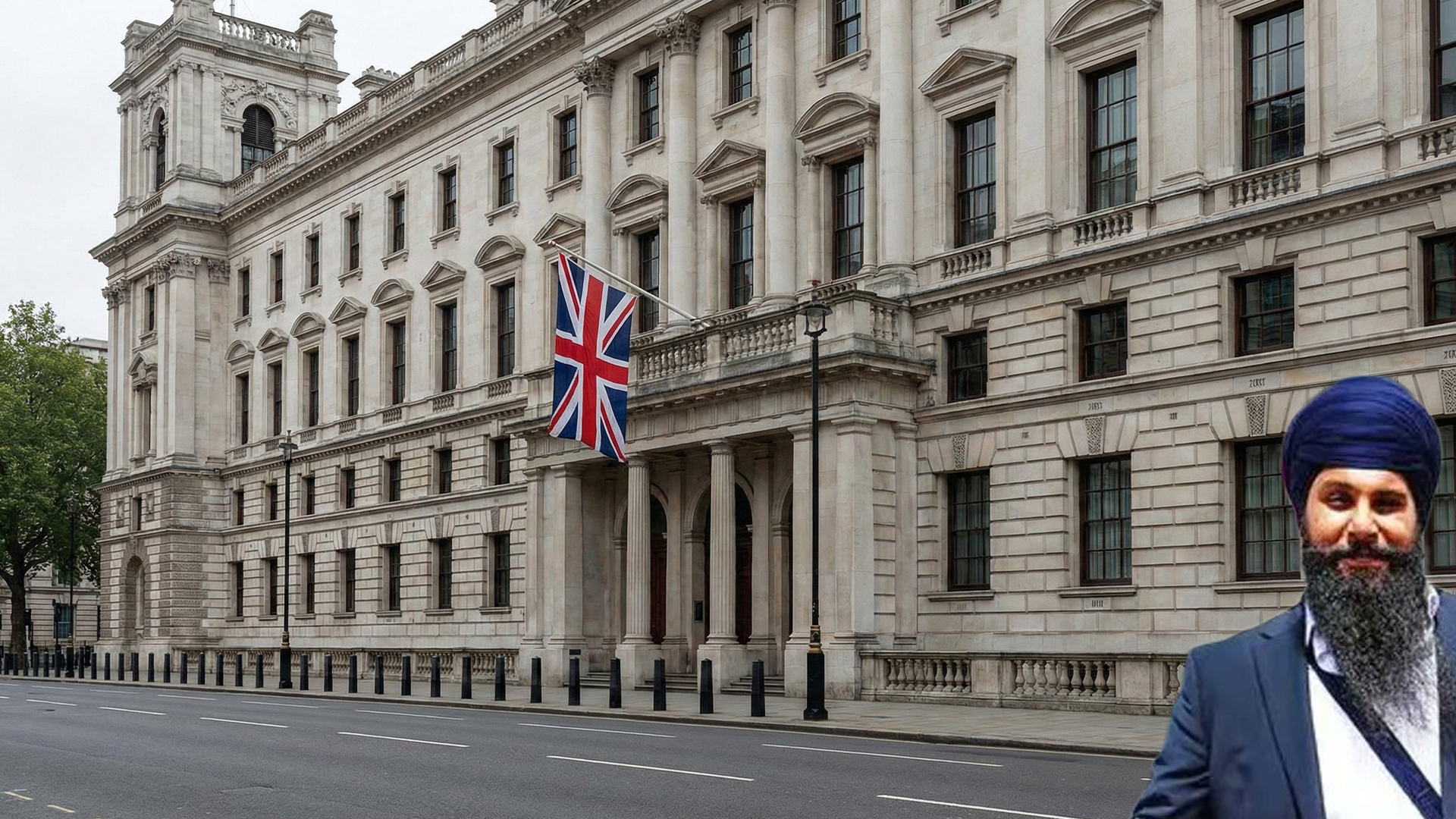
UK sanctions British sikh businessman over terror links
The UK government has imposed sanctions on Gurpreet Singh Rehal, a British Sikh businessman, and his group,…
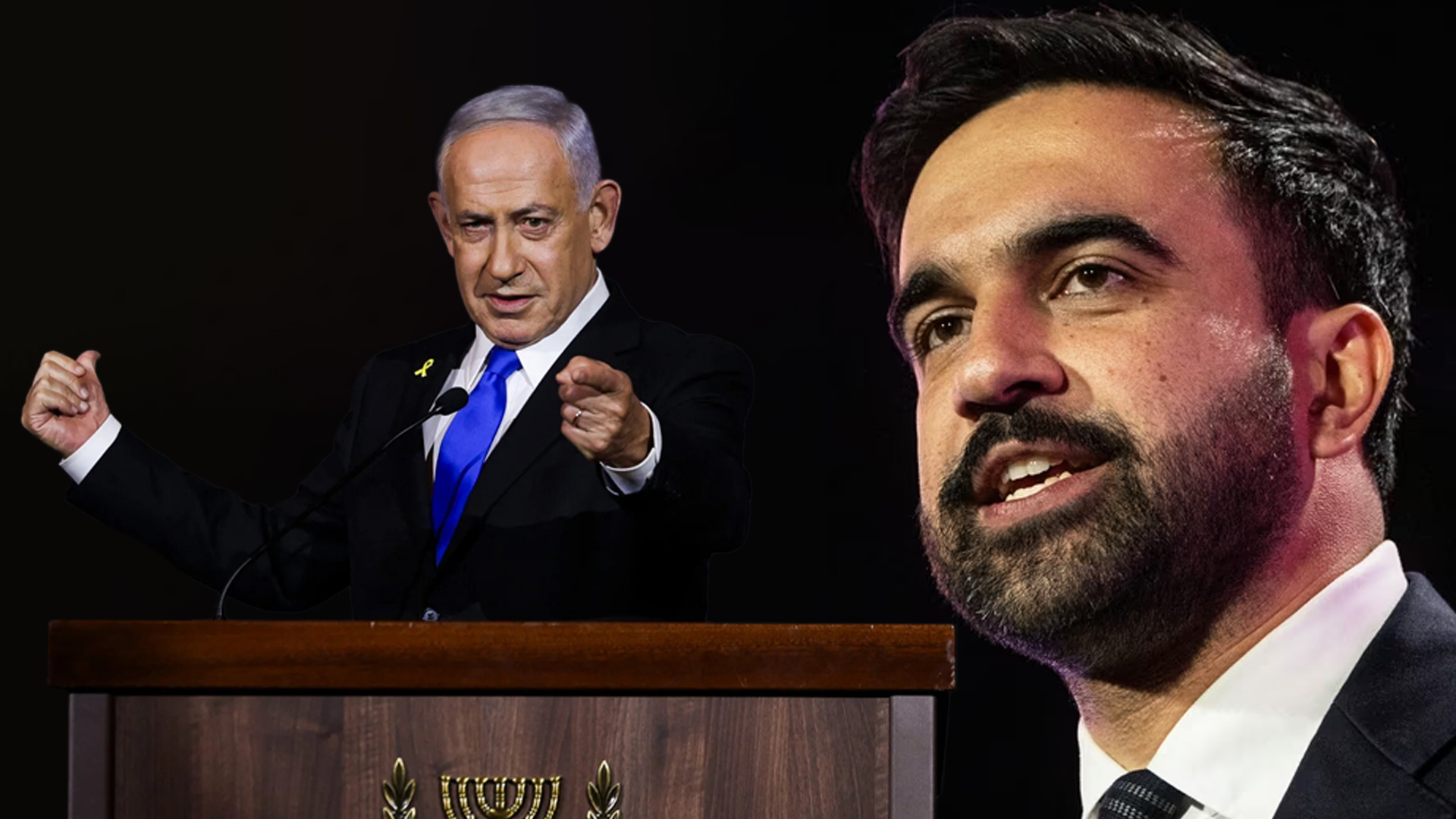
Netanyahu to visit New York despite arrest
Israeli PM Benjamin Netanyahu said he will still travel to New York despite mayor-elect Zohran Mamdani’s threat…
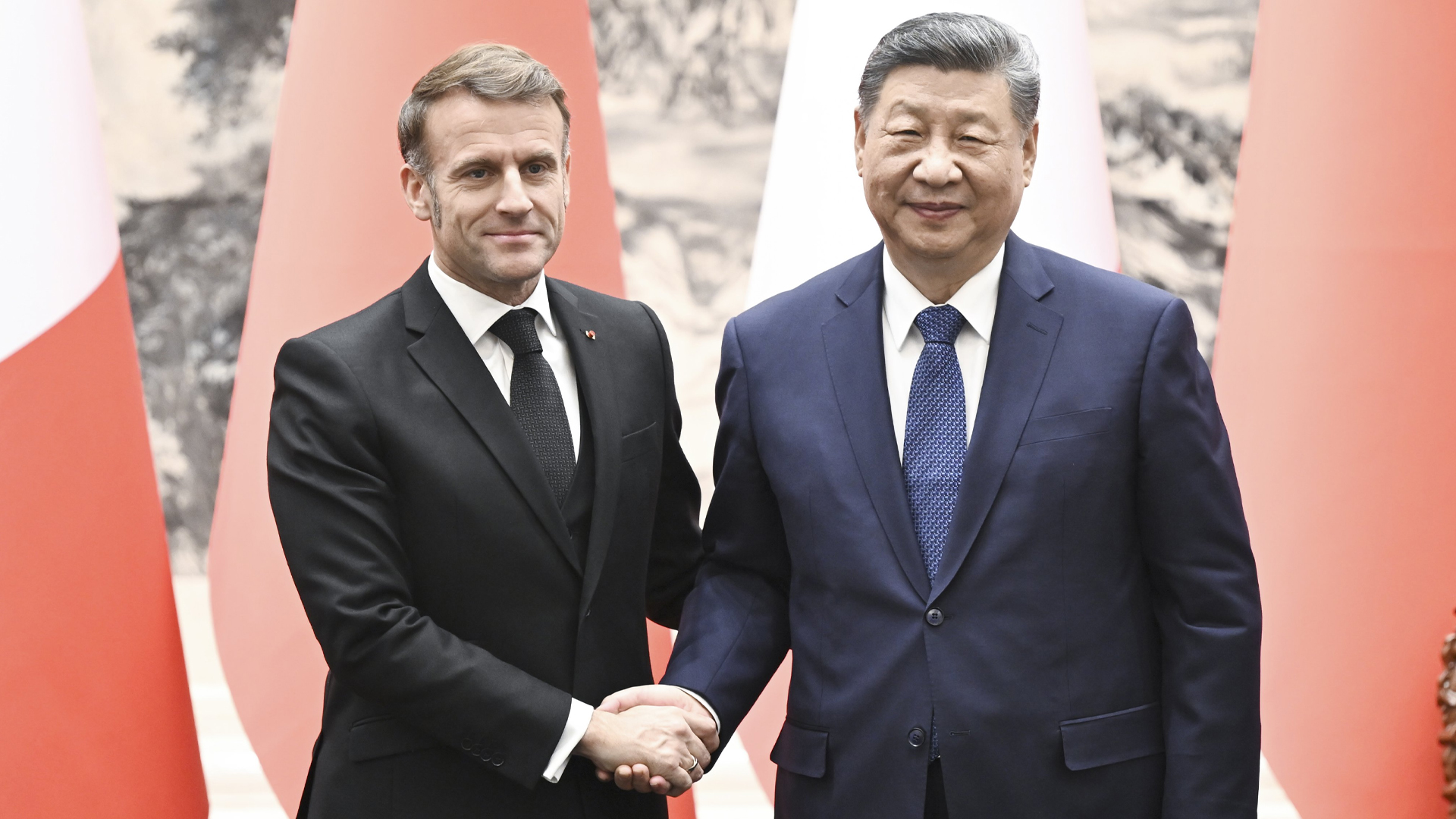
China, France boost cooperation on crises and trade
China and France have reaffirmed their commitment to work more closely on global challenges and deepen economic…
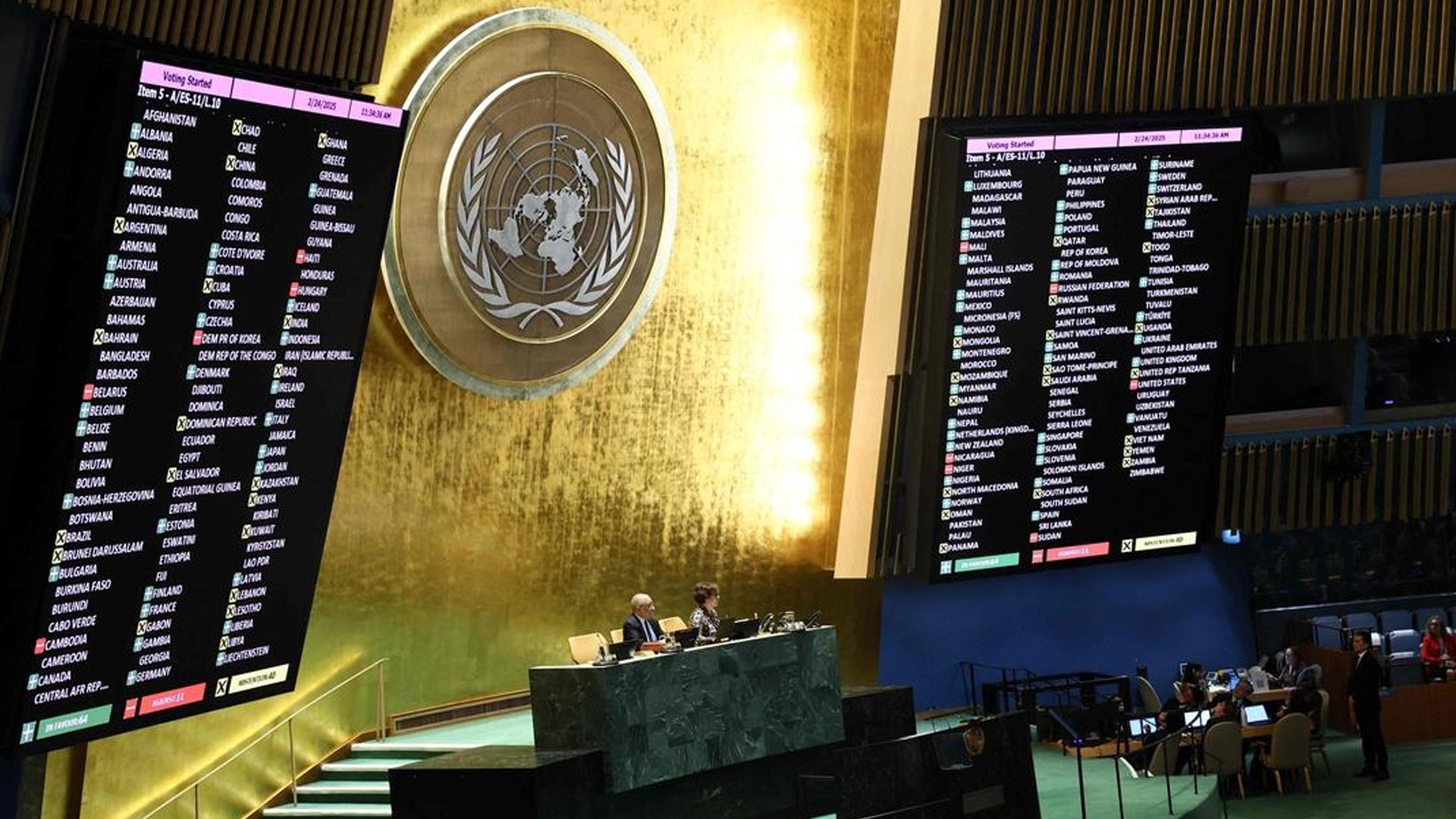
India abstains on UN vote for Ukrainian children
India abstained from a United Nations General Assembly vote on a resolution demanding the return of Ukrainian…

US expands travel ban to 30 countries
The United States government is set to expand its travel ban from 19 countries to over 30…
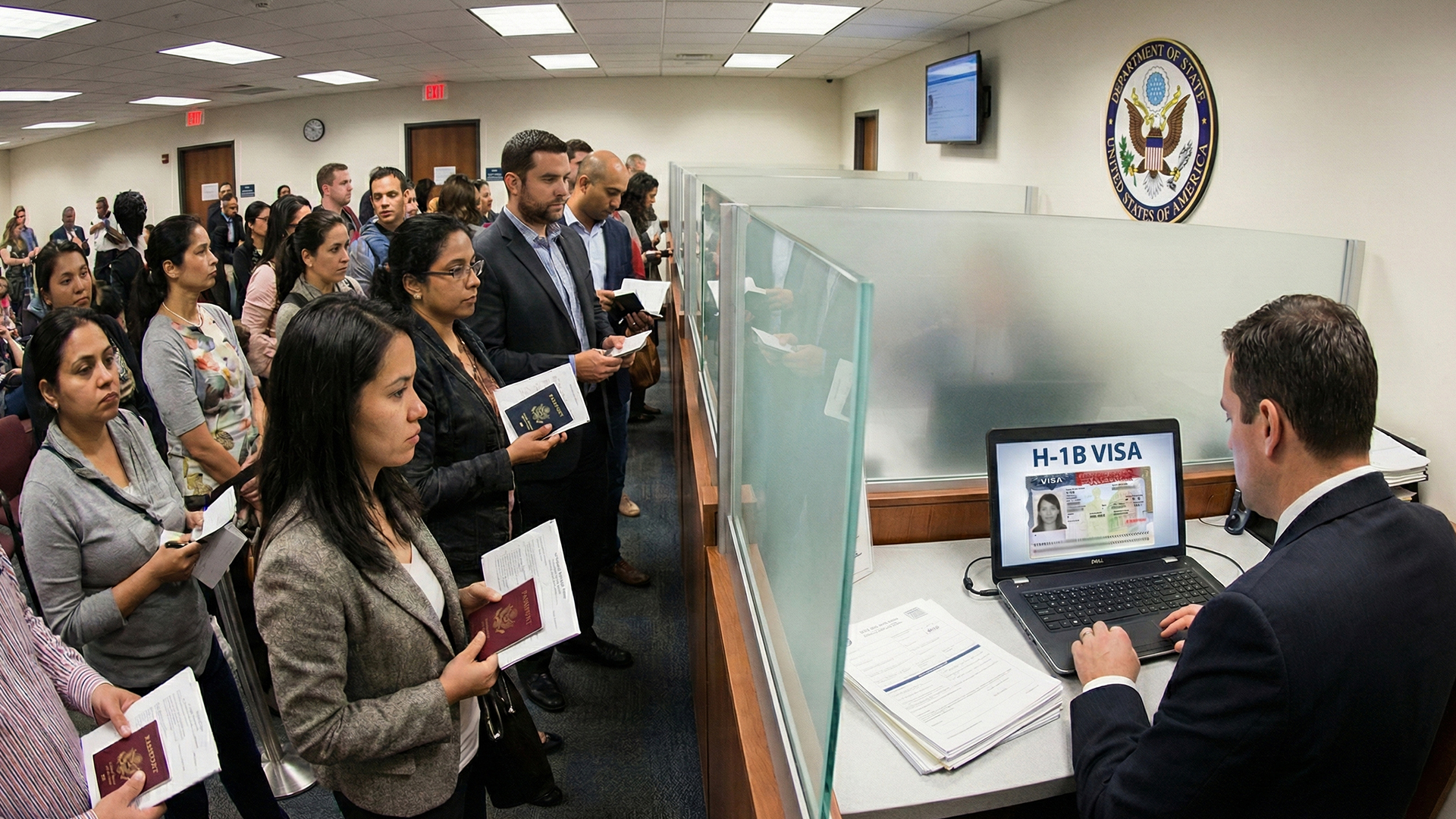
Social media checks now mandatory for H-1B visas
The United States has introduced much stricter vetting rules for H-1B visa applicants, expanding scrutiny to their…

Blocking skilled immigration will backfire, says Jaishankar
India’s External Affairs Minister, S. Jaishankar, has warned that countries like the United States and many in…
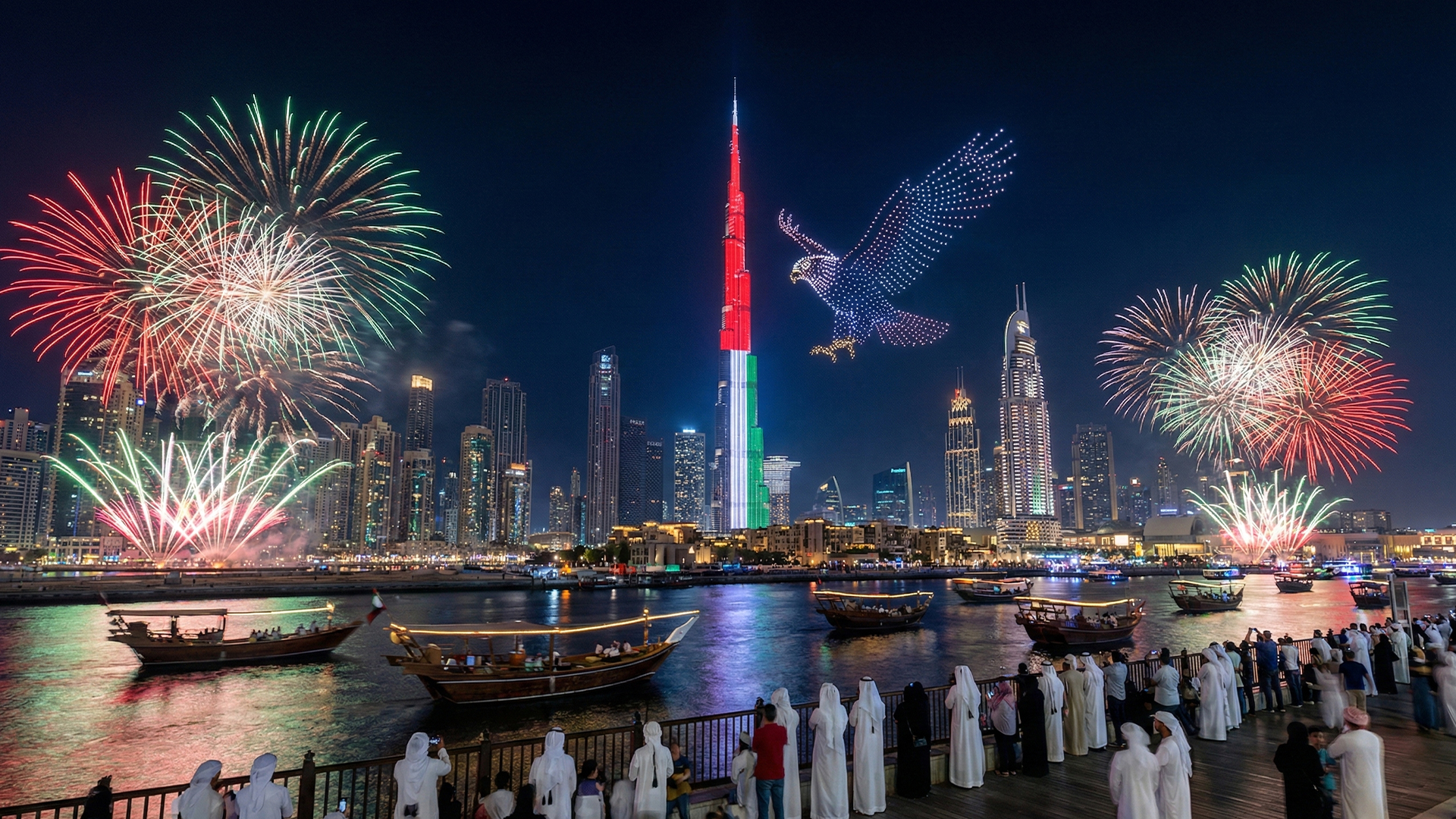
500 cars parade Dubai for UAE National day
Dubai came alive on 2 December 2025 as more than 500 cars joined the Al Etihad Parade, marking…
About This Category
Sport as News, Not Just Scores
The Sports section at The Summary isn't a live score service. It's a reporting beat — and right now, that beat is producing some genuinely significant stories. The Indian T20 captaincy has changed hands with Suryakumar Yadav removed and Shreyas Iyer stepping in. Vaibhav Sooryavanshi, still a teenager, has broken Chris Gayle's IPL sixes record and walked away with three awards from a single tournament. R Praggnanandhaa has beaten the world's best chess player twice in five days. These are stories with context, consequence, and people behind them. The section covers them that way.
Cricket: The Unavoidable Centre of Indian Sport
Indian cricket produces more news than any other sport on this beat, and not always because the cricket is exceptional. The captaincy politics around the T20 team are as much a story about BCCI decision-making and player management as they are about on-field performance. Hardik Pandya's uncertain future at Mumbai Indians, Shreyas Iyer's elevation, and Suryakumar's removal all reflect a selection culture that has become a running institutional story. The IPL, meanwhile, has given the section some of its most straightforward good news — Sooryavanshi's breakout season is the kind of story that happens once in several years, and it deserves to be reported fully rather than reduced to numbers.
India's Broader Sports Story
Cricket consumes attention, but the section deliberately makes room for what happens outside it. Gurindervir Singh running a new 100-metre national record is a significant athletics story in a country that has historically underinvested in track and field. Praggnanandhaa defeating Carlsen — not once but twice at Norway Chess — represents the continued rise of Indian chess at the highest level of global competition. These stories are covered because they represent genuine sporting achievement in disciplines that rarely get sustained coverage in Indian media.
Global Sport and the Business of It
Alexander Zverev's French Open win — his first Grand Slam — is covered because it is a landmark result in one of the sport's most watched tournaments. The Messi billionaire story sits in this section because it reflects something real about how elite football has evolved into a wealth-generation machine. Neither is covered as celebrity gossip. Both are reported for what they are: significant developments in the international sports landscape with audiences that extend well beyond dedicated fans.
Extremes and Outliers
The Russian Everest summit is a reminder that sport, broadly defined, includes feats that happen without a governing body's camera pointed at them. These stories make the cut when the achievement is documented and the context is clear.
Frequently Asked Questions
Q1. What sports does The Summary cover in this section?
Cricket is the most consistent beat, given its dominance in the Indian sports calendar. But the section also covers tennis, chess, athletics, football, and other sports when there is a result, decision, or development worth reporting. Coverage is not limited to India — international events are included when the story has genuine significance.
Q2. Does the section cover IPL and Indian cricket in depth?
Yes. The IPL generates team management decisions, captaincy changes, records, and commercial developments throughout its run. The Indian T20 team's selection and captaincy structure is covered as an ongoing story rather than a series of isolated announcements. Both the on-field performance and the institutional decisions behind it are part of the coverage.
Q3. How does The Summary cover Indian athletes outside cricket?
When they produce results worth reporting, they receive it. Gurindervir Singh's sprint record and Praggnanandhaa's victories over Carlsen are examples of the section covering Indian athletes in disciplines that tend to get overlooked elsewhere. The editorial standard is the same regardless of sport — significance of the result and quality of the sourcing.
Q4. Does The Summary cover the business side of sport?
Where it's a real story, yes. Messi joining Ronaldo in the billionaire bracket is a sports business story as much as a football one. Franchise captaincy decisions in the IPL involve commercial considerations alongside cricketing ones. The section doesn't separate sport from its economic context when the two are genuinely intertwined.
Q5. How quickly does The Summary publish sports results and news?
As quickly as results are confirmed and context can be added. A match result without any surrounding information is a data point, not a story. The aim is to publish once there is enough to say something meaningful — which, for major results, is usually within the same news cycle.
Q6. Does The Summary cover international sports events beyond cricket and tennis?
Yes, selectively. The Norway Chess tournament, the Everest summit, and Grand Prix athletics results all appeared here because they qualified as significant news on their own terms — not because they fit a predetermined international sports brief. The test is always whether a reader who follows sport seriously would want to know about it.