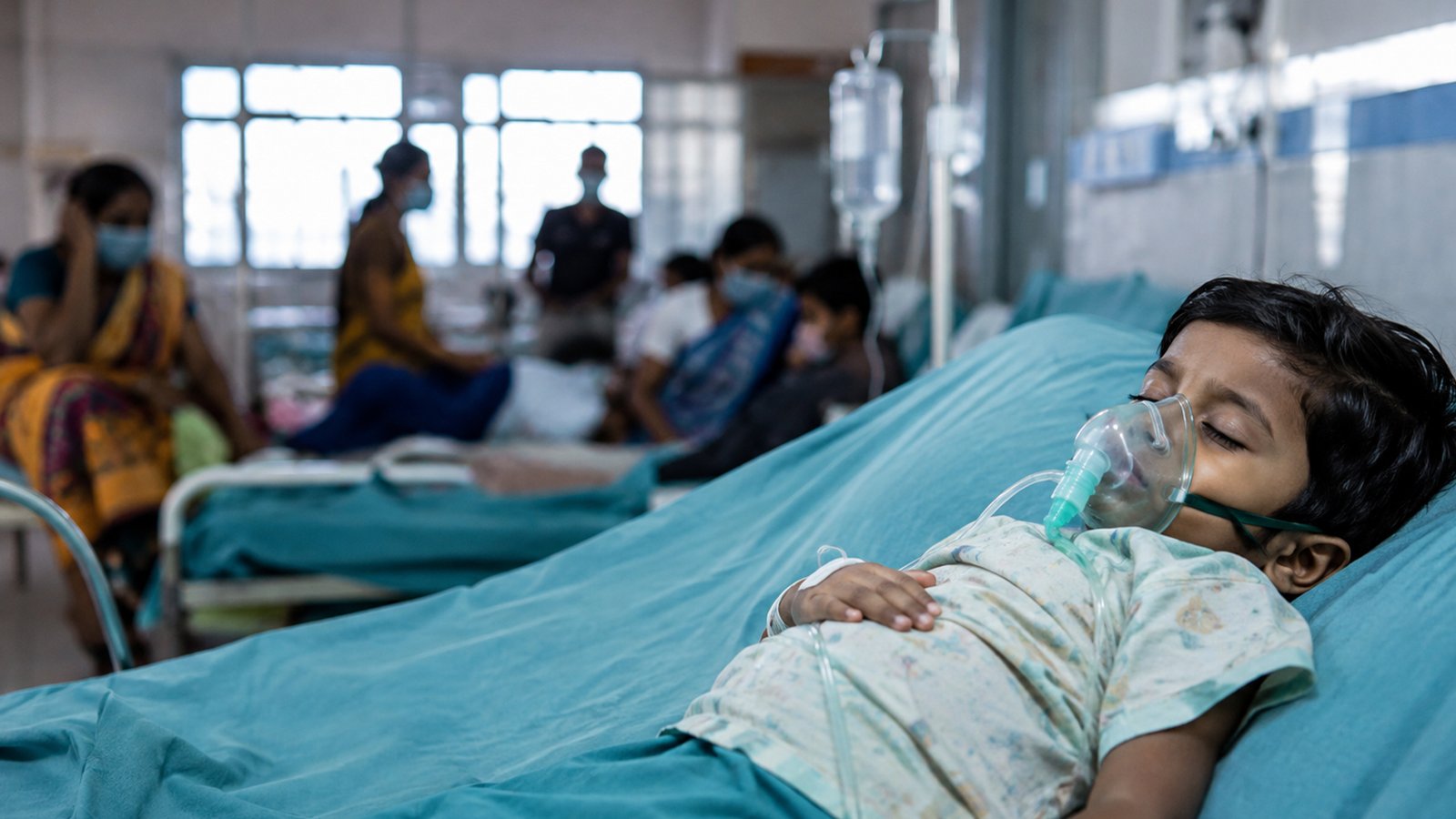
Gujarat is facing a fresh health concern this monsoon after 22 children died in cases suspected to be linked to Chandipura virus, with 35 people testing positive for the infection out of 184 suspected cases. Seven patients are currently undergoing treatment at civil hospitals in the state, according to Health Minister Praful Pansheriya.
The latest figures have put the Gujarat health department on high alert, particularly because Chandipura virus can progress rapidly in children and cause acute encephalitis syndrome, a serious condition involving inflammation of the brain. Authorities have stepped up surveillance and preventive measures as they try to identify suspected cases early and limit further infections.
There is, however, an important distinction in the latest data. While initial reports said 22 children had died due to Chandipura virus this monsoon, a subsequent update from the health minister described the 22 deaths as suspected Chandipura-linked deaths. Laboratory results for 11 of the deceased patients were still awaited, meaning the final number of deaths directly attributable to confirmed Chandipura infection could change.
The outbreak has emerged during the monsoon, a period when vector-borne diseases generally become a greater public health concern. Chandipura virus is primarily associated with sandflies and can cause severe neurological illness, especially among young children. The disease typically begins with symptoms such as fever and can progress quickly to seizures, altered consciousness and encephalitis.
For parents, the speed at which the infection can worsen is one of the biggest concerns. Chandipura virus infection has been associated with acute encephalitis syndrome, and severe cases may require intensive medical care. Early recognition and prompt hospitalisation are therefore important when a child develops unusual neurological symptoms along with fever.
The current situation follows earlier Chandipura activity in Gujarat. The state witnessed a significant outbreak in 2024, when confirmed cases were reported across several districts. Data from the National Centre for Disease Control showed that the 2024 outbreak involved 54 confirmed Chandipura-associated acute encephalitis syndrome cases and 27 deaths. Sandfly surveillance also found the insects in and around several affected households.
Health officials have therefore been closely watching the disease this year. The response includes surveillance of suspected cases, laboratory testing and efforts to control the vectors responsible for transmission. Earlier this monsoon, two children in Panchmahal district died after testing positive for Chandipura virus, prompting authorities to intensify door-to-door surveillance and insecticide spraying in affected areas.
The Panchmahal response gives an indication of the kind of field measures being used to contain the infection. Hundreds of health teams were deployed for door-to-door examinations, while samples were collected from suspected patients. Such surveillance is particularly important in rural and semi-rural areas where children may have greater exposure to sandflies and other vectors.
The latest Gujarat outbreak is also drawing attention beyond the state. Rajasthan, which shares a border with Gujarat, has tightened health surveillance and preventive measures following the rise in Chandipura-linked deaths. Officials have increased monitoring and coordination as a precaution against possible spread.
Despite the alarming numbers, health experts and authorities are likely to focus on surveillance rather than creating unnecessary panic. Chandipura virus is not a conventional respiratory infection that spreads easily from person to person like influenza or COVID-19. The primary concern is exposure to infected vectors, making vector control and environmental measures important parts of prevention.
The present figures also highlight the challenge of diagnosing Chandipura virus. A suspected case of acute encephalitis does not automatically mean the patient has Chandipura infection. Laboratory testing is required to confirm the virus, which explains why health authorities are still awaiting results in several suspected deaths.
With 184 suspected cases already reported and 35 confirmed infections, Gujarat’s health machinery is now working to determine how widely the virus has spread. The seven patients currently under treatment are being closely monitored, while surveillance continues in areas reporting suspected infections.
The monsoon health risks extend beyond more familiar illnesses such as dengue and malaria. Chandipura virus remains a relatively rare but potentially severe infection, and its ability to affect children quickly makes early detection especially important.
As laboratory results from suspected cases come in, Gujarat’s health department is expected to get a clearer picture of the outbreak’s actual scale. Until then, intensified surveillance, vector control and rapid medical intervention remain the state’s main tools to prevent more children from falling seriously ill.