Google has launched the Fitbit Air in India, bringing a screen-free fitness tracker to the country’s growing wearable technology market. Priced at ₹13,999, the device is designed to continuously monitor health, fitness and sleep without adding another screen or stream of notifications to the user’s wrist.
The Fitbit Air will be available in India from October 2 through the Google Store and select retail partners. It comes in four colour options: Obsidian, Berry, Lavender and Fog.
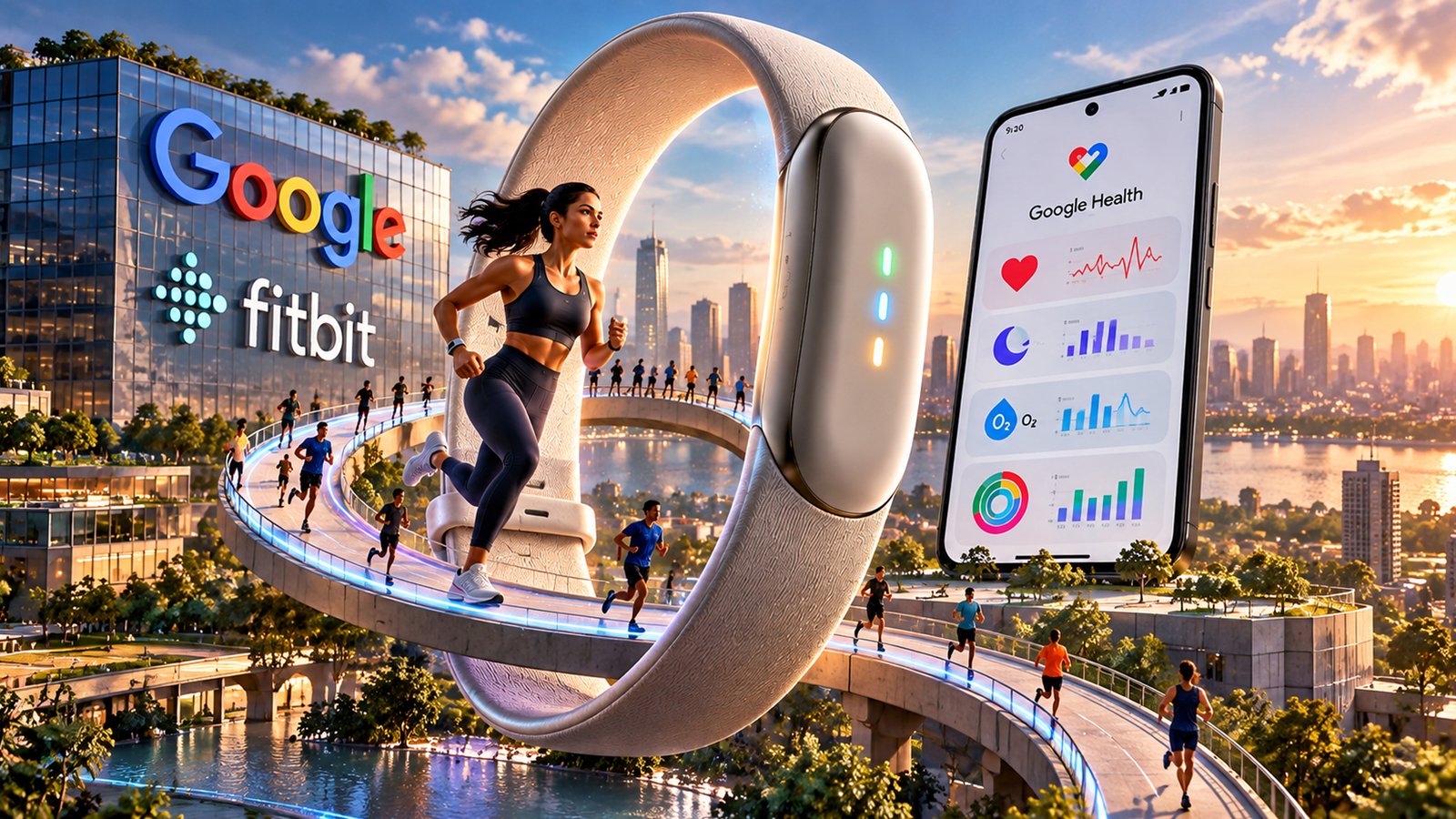
Unlike conventional fitness bands and smartwatches, Fitbit Air does not have a display. The small tracker sits inside a wearable band and collects health and activity data in the background. Users can view the information through the Google Health app on a connected smartphone.
The screen-free approach is at the heart of Fitbit Air’s design. Instead of encouraging users to check messages, notifications or fitness statistics throughout the day, the device quietly records information while they go about their routine.
The tracker supports several health monitoring features. It can continuously measure heart rate and track resting heart rate and heart rate variability. It also offers blood oxygen saturation, or SpO2, monitoring and irregular heart rhythm notifications linked to atrial fibrillation.
Sleep tracking is another major focus. Fitbit Air records sleep duration and tracks different sleep stages, including light, deep and REM sleep. Its lightweight design is also intended to make overnight wear more comfortable, allowing users to collect sleep data without wearing a larger smartwatch.
Google is pairing the tracker with its Health Coach service, which uses data collected through Fitbit to offer personalised guidance. The service can provide insights related to activity, sleep, recovery and fitness, helping users understand their health patterns rather than simply presenting individual statistics.
The device also supports workout tracking and can automatically log certain activities. Google has introduced smartphone-based features that can help users capture and record workout information using the phone’s camera.
Battery life is another key feature. Google claims that Fitbit Air can run for up to seven days on a single charge. A five-minute quick charge can provide up to a day of use, reducing the need to regularly remove the tracker for charging.
The device comes with an interchangeable Performance Loop band. Users can also choose additional band options, including an Active Band designed for workouts and an Elevated Modern Band intended for everyday use.
The India package includes a three-month trial of Google Health Premium. The subscription provides access to the full Health Coach experience and additional personalised wellness features. Users will need a paid subscription after the trial period to continue using the premium services.
At ₹13,999, Fitbit Air enters the Indian market at a premium price for a screenless fitness tracker. Its pricing could influence how consumers compare it with conventional fitness bands, smartwatches and other screen-free health wearables.
The product also enters a category that has gained international attention through devices such as Whoop. Screen-free trackers have increasingly focused on continuous health monitoring, sleep analysis and recovery rather than notifications and smartphone-like features.
Fitbit Air follows the same broader idea while bringing Google’s Fitbit ecosystem into the category. The company is positioning the device as a health and fitness companion rather than a replacement for a smartphone or traditional smartwatch.
That distinction is important. Smartwatches allow users to view notifications, answer calls, access apps and check health information directly from their wrists. Fitbit Air removes those functions and concentrates on collecting health and fitness data.
The tracker could also be used alongside a smartwatch. A user could wear a smartwatch during the day and switch to Fitbit Air while sleeping or during periods when a smaller, screen-free device is preferred.
Fitbit Air works with both Android and iOS smartphones, giving it access to users beyond Google’s own Pixel ecosystem.
The launch comes as consumers increasingly look for wearable technology that goes beyond basic step counting. Sleep tracking, heart-rate monitoring, recovery insights and personalised fitness guidance have become important features in the market.
At the same time, screen fatigue and notification overload are encouraging some users to look for technology that works quietly in the background. Fitbit Air is built around that idea, collecting health information without placing another active display in front of the user.
The device also strengthens Google’s presence in India’s competitive wearable market. Fitbit already has an established identity in fitness tracking, while Google’s broader hardware ecosystem gives the company an opportunity to connect wearable health data with its software and AI capabilities.