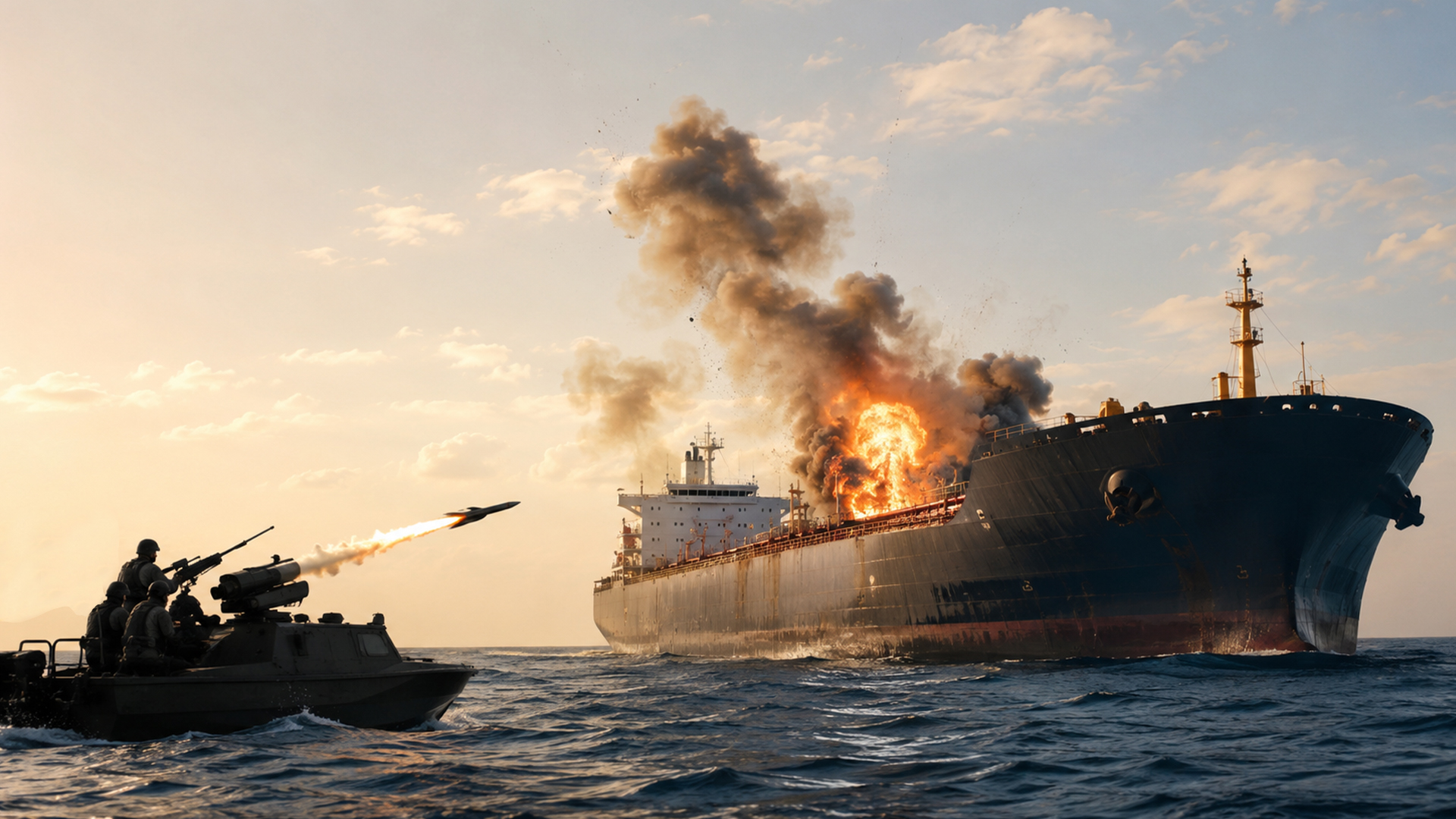
Yemen’s Houthi rebels have claimed responsibility for an attack on a commercial tanker in the Red Sea, opening a new front in the widening regional conflict linked to the ongoing tensions involving Iran, the United States and its allies. The latest incident has renewed concerns over the safety of one of the world’s busiest shipping routes and its potential impact on global energy supplies.
According to the Houthis, the vessel was targeted because of its alleged links to Saudi Arabia. The group said the attack was part of its broader military campaign in the region. While the Houthis claimed responsibility, officials were still assessing the extent of the damage to the ship and whether there were any casualties among the crew.
Maritime security agencies confirmed that the vessel came under attack while sailing through the Red Sea, a crucial trade corridor connecting Europe, Asia and the Middle East through the Suez Canal. Authorities launched an investigation into the incident and are closely monitoring the situation.
The attack comes at a time of heightened geopolitical tensions in the Middle East. The conflict involving Iran and its regional allies has increased fears that commercial shipping could become a wider target, threatening global supply chains and disrupting energy markets.
The Red Sea is one of the world’s most strategically important maritime routes, carrying a significant share of global oil exports, liquefied natural gas shipments and container cargo. Any disruption along this corridor can delay deliveries, increase shipping costs and influence international crude oil prices.
Shipping companies have already been forced to strengthen security measures for vessels operating in the region. Some operators have rerouted ships around the Cape of Good Hope, significantly increasing travel time and transportation costs. Industry experts warn that repeated attacks could further strain global logistics and affect international trade.
The latest incident also raises concerns for oil markets. Although crude prices have remained volatile in recent weeks, traders are closely watching developments in the Red Sea, as any prolonged disruption could tighten supplies and increase freight costs.
The Houthis have previously targeted commercial and military vessels in the Red Sea, arguing that their operations are linked to broader regional conflicts. The group has repeatedly stated that it will continue attacks against ships it believes are connected to countries supporting its opponents.
The United States and allied naval forces have increased their presence in the region to protect commercial shipping and ensure freedom of navigation. Naval patrols and escort missions have been expanded in response to repeated attacks on merchant vessels over the past two years.
Saudi Arabia has not immediately commented on the Houthis’ latest claim, while international maritime organisations continue to assess the security implications of the attack. Shipping companies have also been advised to remain vigilant and follow updated security guidance while operating in high-risk waters.
Analysts say the incident reflects the growing risk that regional conflicts could spill over into global trade routes. Increased attacks on commercial vessels could disrupt supply chains, raise insurance premiums and create uncertainty for businesses dependent on timely maritime transport.
Governments and international organisations are closely monitoring the situation, with diplomatic efforts continuing to prevent further escalation in the region. However, the latest attack underscores the fragile security environment in the Red Sea and the challenges facing global shipping.
As investigations continue, the focus remains on ensuring the safety of commercial vessels and preventing further disruptions to international trade. With tensions showing few signs of easing, shipping companies, energy markets and governments are expected to remain on high alert as developments unfold in one of the world’s most strategically important waterways.