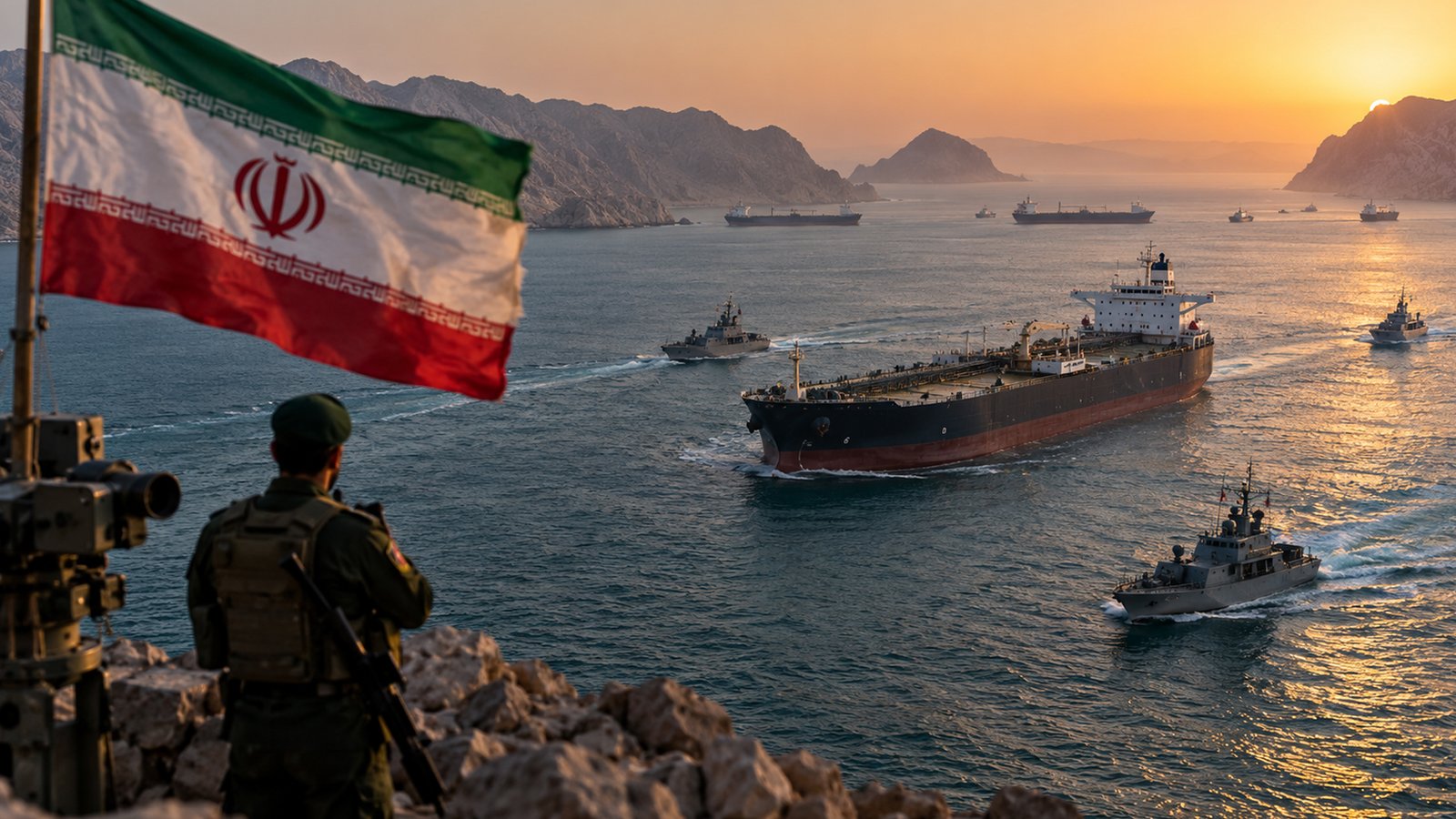
Iran is preparing to announce a new restricted maritime zone near the Strait of Hormuz, adding another layer of uncertainty to one of the world’s most important energy and shipping routes.
Mohsen Rezaei, secretary of Iran’s Supreme National Security Council, said the new zone would stretch from the area where the US naval blockade begins into parts of the Persian Gulf. Tehran plans to publish details and maps of the zone in the coming days.
Iran has also warned that vessels entering the restricted area without coordination with Tehran could be placed on a sanctions list. The move comes as tensions between Iran and the United States have intensified around commercial shipping and the movement of oil tankers through the Strait of Hormuz.
Rezaei said Iran would keep the Strait of Hormuz open if the United States stopped threatening or attacking Tehran. His comments effectively link the future of commercial shipping through the strategic waterway to the broader military standoff between the two countries.
The Strait of Hormuz has become a major pressure point in the conflict because of its importance to global energy supplies. A large share of the world’s oil and gas shipments traditionally passes through the narrow waterway, making any disruption capable of quickly affecting crude oil prices, freight costs and energy security.
Shipping activity has already fallen sharply. Data cited in recent reports showed that an average of around 10 commodity-carrying vessels crossed the Strait each day over the 10 days to Monday, the lowest average level since May. Only two vessels crossed on Saturday and six on Sunday, highlighting how cautious shipping companies have become.
The reduced traffic reflects growing concerns about maritime security. The UK Maritime Trade Operations agency has recorded 27 projectile attacks that damaged vessels in the region since July 6. Tankers and other commercial ships now face higher risks, insurance costs and uncertainty over whether planned voyages can be completed safely.
Against this backdrop, Iran and Oman are working on a separate arrangement that could provide a more controlled route for international shipping. Rezaei said the two countries were preparing a new international corridor through the Strait of Hormuz, with its entry and exit points to be agreed between Tehran and Muscat.
The proposed corridor would remain under Iranian management, according to the Iranian official. The plan appears aimed at creating a mechanism through which commercial vessels can continue using the waterway while Tehran retains greater control over maritime movement.
The involvement of Oman is significant because Muscat has traditionally maintained working relations with both Iran and the United States and has played a role in regional diplomacy. A shipping arrangement involving Oman could potentially provide an additional channel for commercial traffic and diplomatic engagement.
However, the proposed corridor does not immediately remove the risks facing shipping companies. Iran’s warning that unauthorised vessels could face sanctions means operators will have to consider not only physical safety but also regulatory and financial consequences before entering the area.
The situation has already begun affecting the oil market. Brent crude climbed close to $98 a barrel on Monday, while US West Texas Intermediate crude also moved higher as traders assessed the possibility of prolonged disruption around Hormuz. The Strait is critical to global energy trade, so sustained restrictions could put further upward pressure on oil prices.
Higher oil prices could have wider economic consequences. Import-dependent countries could face larger energy bills, while airlines, shipping companies, manufacturers and other fuel-intensive businesses could see their costs rise. For countries such as India, which rely heavily on imported crude, prolonged disruption around Hormuz could also increase inflationary pressure and widen the import bill.
Iran, meanwhile, has rejected claims that commercial shipping is moving normally through the Strait. Rezaei said the number of vessels crossing the waterway was far lower than before the restrictions and disputed US statements about continued traffic. Iranian officials have also indicated that Tehran does not currently want to sink commercial vessels because of the environmental consequences such an action could create in the Gulf.
The latest developments come after renewed military confrontations between the US and Iran involving vessels in and around the Gulf. The escalation has reduced confidence among shipping operators and increased concerns that commercial and military activity could become increasingly difficult to separate.
The proposed restricted zone therefore has significance beyond maritime navigation. It represents another attempt by Tehran to establish control over the conditions under which vessels use the waterway, while Washington continues to push for freedom of navigation and pressure Iran economically.
Global markets, are not sure as to how long the disruption will last. If the Iran-US confrontation eases and the proposed Iran-Oman corridor becomes operational, shipping traffic could gradually recover. If tensions continue, fewer vessels may be willing to risk the route, keeping oil prices and shipping costs elevated.
The Strait of Hormuz remains caught between military confrontation, energy security and diplomatic efforts. Iran’s proposed restricted zone and its planned corridor with Oman could provide a framework for limited commercial movement, but a sustained reopening will ultimately depend on whether Tehran and Washington can reduce the threats and attacks that have pushed shipping activity to its lowest levels in months.