After witnessing weeks of protests, speeches and demonstrations, Delhi’s Jantar Mantar has finally returned to normal following the end of a 36-day student agitation over alleged examination irregularities. The once-crowded protest site now stands quiet, with temporary shelters removed and volunteers leaving after the movement concluded.
The protest, led by the Cockroach Janta Party (CJP), became one of the longest student-led demonstrations in recent years. Thousands of students, activists and supporters had gathered to demand accountability for the NEET paper leak controversy and broader reforms to India’s examination system.
The agitation ended after the Centre accepted several of the protesters’ key demands. These included initiating major examination reforms, taking stronger action against malpractice and assuring that no cases would be pursued against peaceful demonstrators. The government also agreed to withdraw criminal cases against protesters and announced compensation for families of students who allegedly died by suicide during the examination crisis.
Although the protest has concluded, some of its key leaders are still recovering from health issues that developed during the month-long campaign.
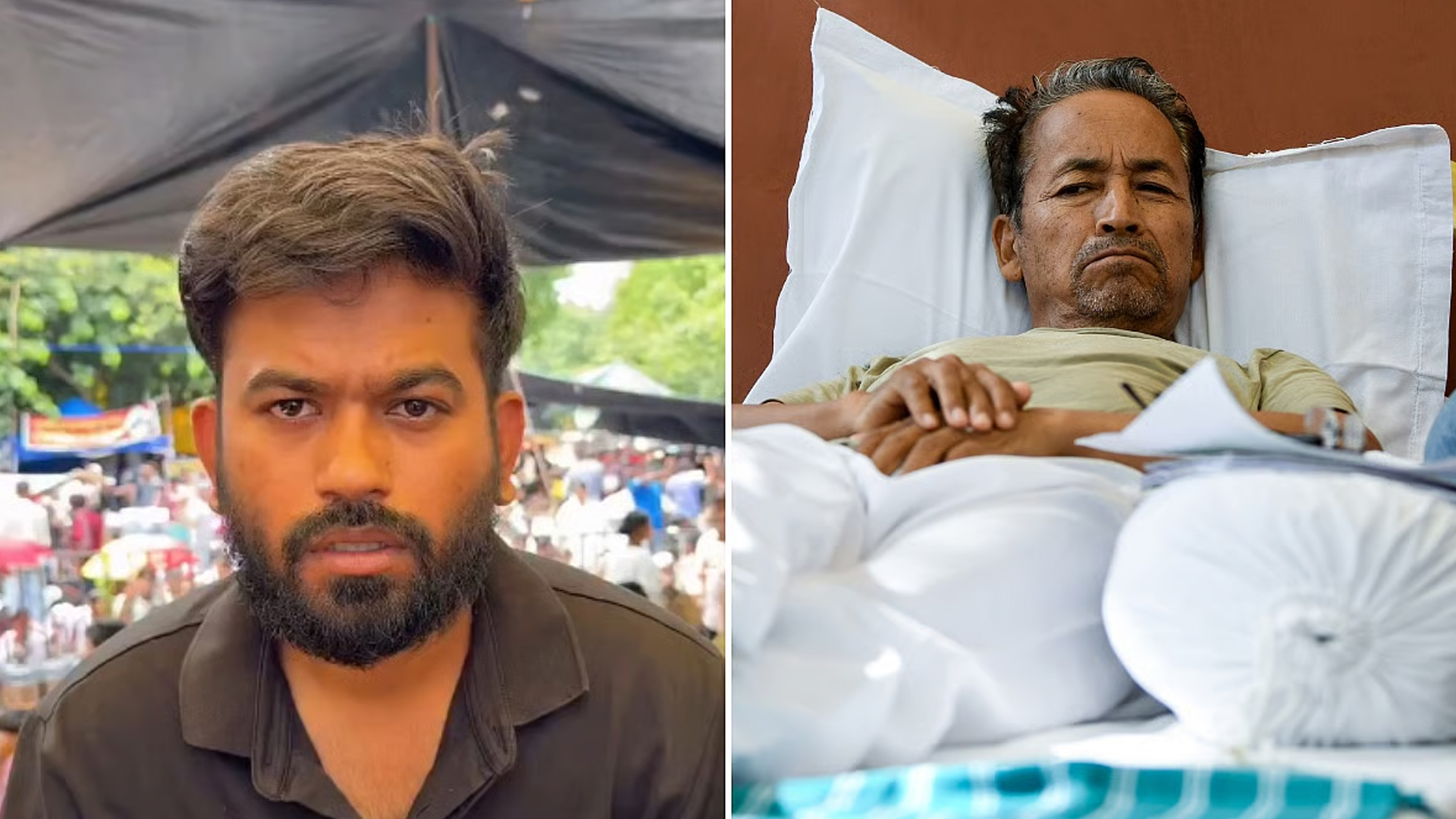
CJP founder Abhijeet Dipke is recuperating at home after being diagnosed with typhoid. After weeks of leading demonstrations and interacting with protesters, Dipke said he was finally able to rest and thanked students and supporters for standing by the movement throughout the agitation.
Environmental activist Sonam Wangchuk, who joined the campaign in solidarity with students, is also recovering after ending his 26-day hunger strike. He was admitted to Medanta Hospital in Gurugram after his health deteriorated during the fast. Doctors have said his condition has improved steadily, and he is expected to be discharged soon.
Wangchuk decided to end his hunger strike after receiving written assurances from the government regarding examination reforms and the treatment of peaceful protesters. He said the assurances, along with concerns that the demonstrations could become confrontational, influenced his decision to call off the fast.
The protest gained nationwide attention after allegations of paper leaks in competitive examinations, particularly NEET-UG, triggered widespread anger among students and parents. Many candidates questioned the fairness of the examination process and demanded greater transparency, stronger security measures and accountability from the authorities responsible for conducting national entrance tests.
As pressure mounted, the Centre announced a series of measures aimed at rebuilding confidence in the examination system. Most notably, Prime Minister Narendra Modi recently constituted a high-powered task force led by Infosys co-founder Nandan Nilekani to recommend long-term reforms for public examinations.
The panel has been asked to suggest ways to make examinations more secure by increasing the use of technology, improving cybersecurity, strengthening candidate verification and preventing question paper leaks. It is also expected to recommend structural changes to improve the functioning of the National Testing Agency (NTA), which conducts several major entrance examinations.
The government has also indicated that it will continue implementing reforms recommended by previous expert committees while introducing stricter legal provisions to deal with examination fraud.
Education experts say the month-long agitation has brought examination reforms to the forefront of national discussion. They believe the government’s latest initiatives could lead to lasting changes in how competitive examinations are conducted, particularly through greater use of digital technology and enhanced security systems.
For students preparing for examinations such as NEET, JEE and CUET, the end of the protest offers hope that future entrance tests will be conducted in a more transparent and credible manner. While the demonstrations have concluded, expectations are now focused on how quickly the government implements the promised reforms.
With normalcy returning to Jantar Mantar, attention has shifted from protests to policy. Students, parents and education experts will now closely watch the recommendations of the Nilekani-led panel, which is expected to shape the future of India’s examination system and restore confidence in one of the country’s most important public institutions.