The Maharashtra government has decided to withdraw police cases filed against students and young people who participated in recent protests, offering relief to hundreds who feared the legal action could affect their education and careers. At the same time, the government has clarified that investigations into incidents involving violence, attacks on police personnel and damage to public property will continue.
Chief Minister Devendra Fadnavis, who also holds the Home portfolio, directed the Home Department to initiate the process of withdrawing First Information Reports (FIRs) registered against students during the protests. The move comes amid growing concern over the impact that criminal cases could have on young people preparing for higher education, competitive examinations and employment.
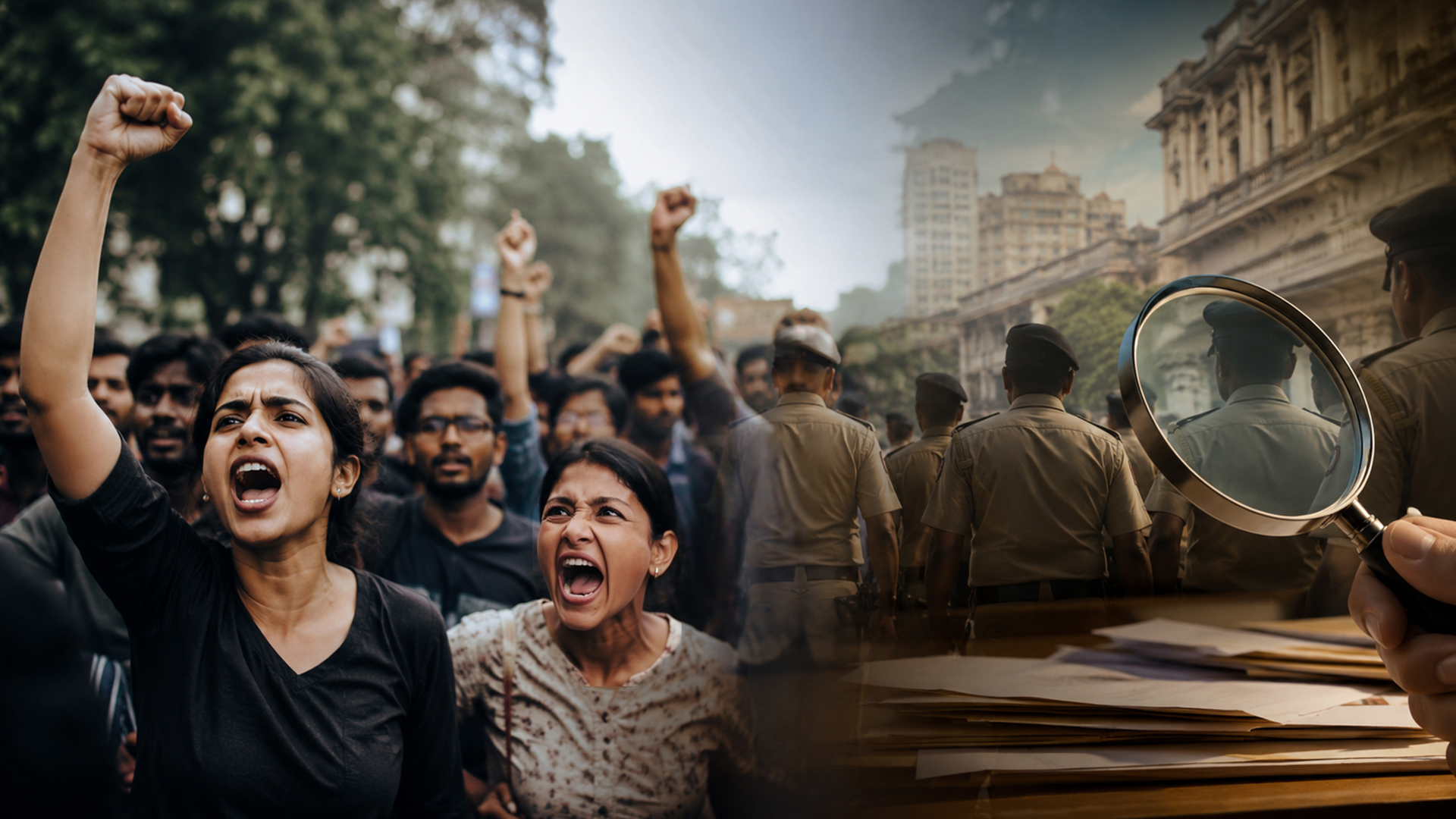
The protests were organised in support of students demanding accountability over the alleged NEET paper leak and expressing solidarity with demonstrators who had faced police action in Delhi. Rallies, sit-ins and marches were held across several cities in Maharashtra, including Mumbai, Pune and Nagpur, with students, youth groups and activists taking part.
Following the demonstrations, police registered multiple FIRs against participants on charges including unlawful assembly, violating prohibitory orders and obstructing public servants. Many students later received notices from the police, triggering anxiety that a criminal record could create obstacles in securing admissions, scholarships, government jobs and other career opportunities.
Responding to these concerns, the state government decided that students who participated peacefully in the protests should not face long-term consequences. Officials said the decision reflects the government’s intent to protect the future of young people while respecting their democratic right to express dissent.
However, the government has made it clear that the withdrawal of cases will not apply to everyone automatically. Cases involving serious allegations such as violence, attacks on police personnel, vandalism or destruction of public property will continue to be investigated. Authorities said individuals found responsible for such offences would face legal action in accordance with the law.
Officials stressed that the withdrawal of FIRs will follow the due legal process. Since criminal cases registered by the police cannot simply be cancelled through an executive order, the government will have to approach the concerned courts seeking permission to withdraw the cases. The final decision will rest with the judiciary after examining each case.
The announcement has been welcomed by students and civil society organisations, many of whom had urged the government to distinguish between peaceful protesters and those allegedly involved in unlawful activities. Education activists argued that students exercising their democratic rights should not be burdened with criminal cases that could affect their future for years.
Many parents had also voiced concern after students received police notices. They feared that even if the cases did not result in convictions, the existence of an FIR could create difficulties during background verification for jobs, higher education admissions and recruitment into government services.
Political observers see the government’s decision as an effort to balance two competing priorities, protecting the right to peaceful protest while maintaining law and order. The administration has maintained that democratic demonstrations are an essential part of a healthy democracy but cannot be allowed to turn violent or threaten public safety.
The protests in Maharashtra were part of a wider nationwide movement over alleged irregularities in the NEET examination process. Student organisations across the country have demanded greater transparency in competitive examinations and stronger safeguards to ensure fairness in the admission process.
In Maharashtra, several student groups had insisted that their protests were peaceful and aimed only at raising concerns about examination integrity. They argued that filing criminal cases against students would discourage democratic participation and create unnecessary fear among young people.
The government’s decision follows sustained demands from student organisations, legal experts and opposition leaders, who had called for the withdrawal of cases against peaceful protesters. They maintained that while anyone involved in violence should face the law, students participating in lawful demonstrations should not suffer lasting consequences.
Officials have reiterated that police investigations into specific incidents will continue independently. Evidence related to violence, property damage or attacks on law enforcement personnel will be examined, and those found responsible will be prosecuted. The withdrawal of FIRs, they said, should not be interpreted as a blanket amnesty for every person present during the protests.
The Home Department is now expected to begin the legal process of identifying eligible cases and moving the courts for their withdrawal. This exercise is likely to take place in phases, with each case being reviewed individually before formal applications are filed.
For many students, the announcement has come as a major relief after weeks of uncertainty. Those who had worried that criminal proceedings could jeopardise years of hard work now hope the decision will allow them to focus on their studies and future careers without the shadow of pending legal cases.
The Maharashtra government’s move is expected to ease tensions surrounding the student protests while reinforcing its message that peaceful democratic expression will be respected. At the same time, by continuing investigations into cases involving violence and vandalism, the state has underlined that maintaining public order and ensuring accountability remain equally important.