A project that has been discussed for decades has finally moved a step closer to reality. Six northern states and the Delhi government have signed an agreement to take forward the Kishau Dam Multipurpose Project, a major dam project planned on the Tons River along the Himachal Pradesh-Uttarakhand border.
The agreement was signed by Himachal Pradesh, Uttarakhand, Uttar Pradesh, Haryana, Rajasthan and Delhi. Union Home Minister Amit Shah and Union Jal Shakti Minister C. R. Patil were present during the signing.
The Kishau Dam project is expected to provide water for drinking and irrigation while also producing electricity. It is being seen as an important project for improving water availability in several parts of northern India.
The project has faced delays mainly because the states could not agree on how its cost and benefits should be shared. A fresh understanding reached earlier this year helped resolve the major differences and cleared the way for the agreement.
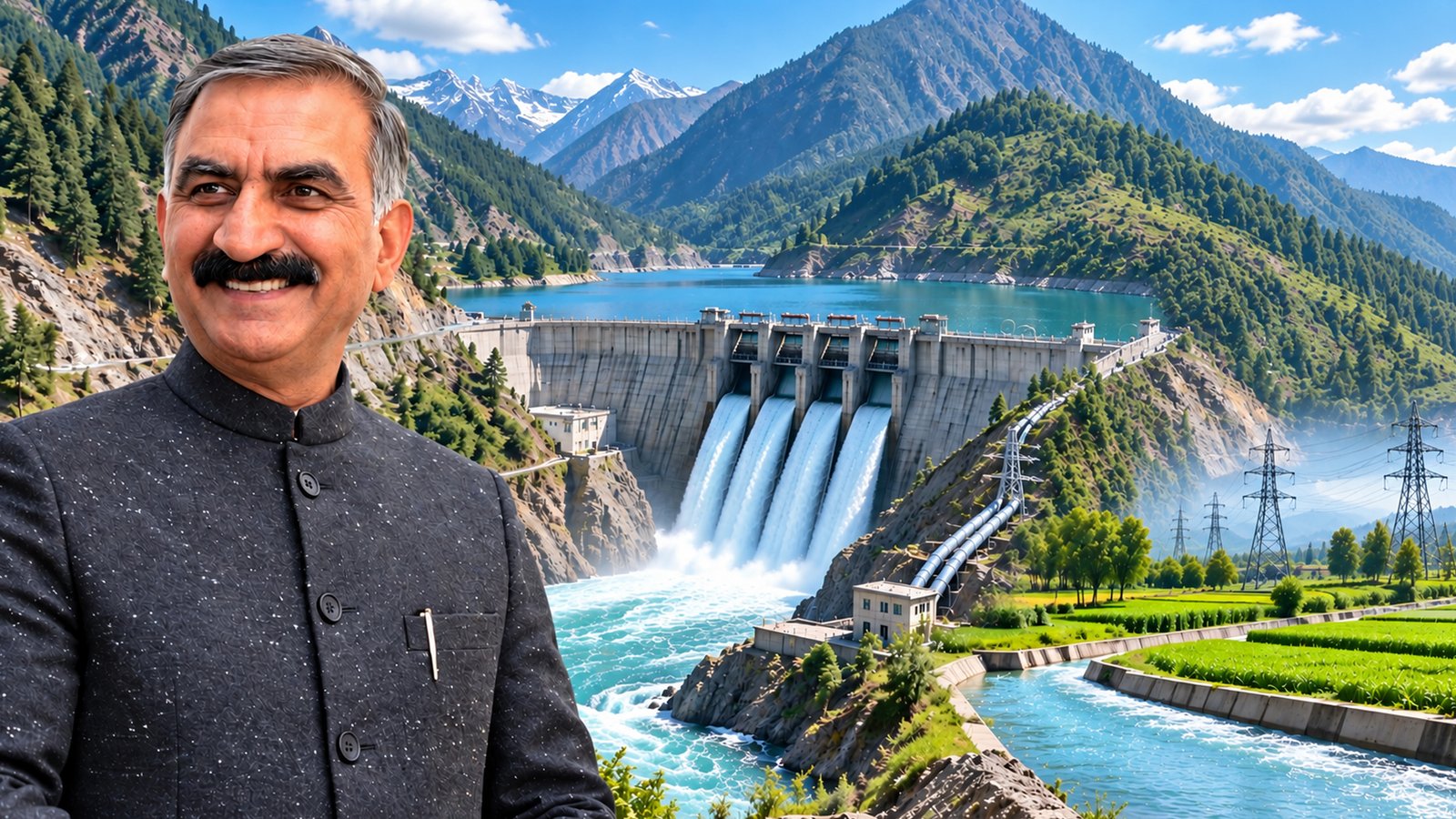
The dam will be built across the Tons River, one of the main tributaries of the Yamuna. The project is planned with a storage capacity of about 1,562 million cubic metres of water.
Once completed, the project is expected to create irrigation potential for nearly 97,000 hectares. It will also have a 422 MW hydropower plant, which is expected to generate around 1,476 million units of electricity every year.
The stored water will benefit six states and Delhi. Haryana, Uttar Pradesh, Rajasthan, Delhi, Uttarakhand and Himachal Pradesh will receive water under the agreed arrangement.
The project is particularly important for areas that regularly face water shortages. Water released from the reservoir can help farmers depend less on uncertain rainfall and improve irrigation in parts of Haryana, Uttar Pradesh and Rajasthan.
Delhi is also expected to benefit from the additional water available through the project. The Centre has linked the project to wider efforts to improve water availability in the Yamuna basin.
The road to the agreement, however, has been long. The Kishau project has its roots in investigations that began several decades ago. It was later declared a project of national importance, but disagreements between the states repeatedly slowed its progress.
One of the biggest issues was money. The states that would receive the water benefits were not ready to accept the earlier cost-sharing arrangement. Himachal Pradesh, where part of the project is located, had also raised concerns about having to bear costs related to power generation while other states would gain from the water.
The Centre stepped in earlier this year with a revised funding arrangement. It agreed to provide 90% of the cost of the water component as central assistance. The remaining 10% will be shared by the participating states.
The estimated overall cost of the project is now around ₹15,624 crore. The figure has increased from earlier estimates because of changes in costs and project requirements over the years.
The revised arrangement also provides benefits to Himachal Pradesh. The state is expected to receive electricity and revenue from the project while having a lower financial burden than under the earlier proposal.
The Kishau project is not only about building a large dam. It is also aimed at improving water security, irrigation, drinking water supply and renewable power in several states.
Its location on the Tons River gives the project wider importance for the Yamuna river basin. Better regulation of water flow could help states manage the resource more efficiently, particularly during periods of water stress.
The signing of the agreement removes one of the biggest hurdles that had kept the project waiting for years. However, construction will still depend on the completion of required approvals and other preparatory work.
The next challenge will be turning the agreement into action. After years of discussions, the participating states and the Centre will now have to complete the remaining formalities and move the Kishau Multipurpose Project towards construction.
If completed as planned, the project could bring together three major benefits — more water for people and farms, greater power generation and better management of a key river system.