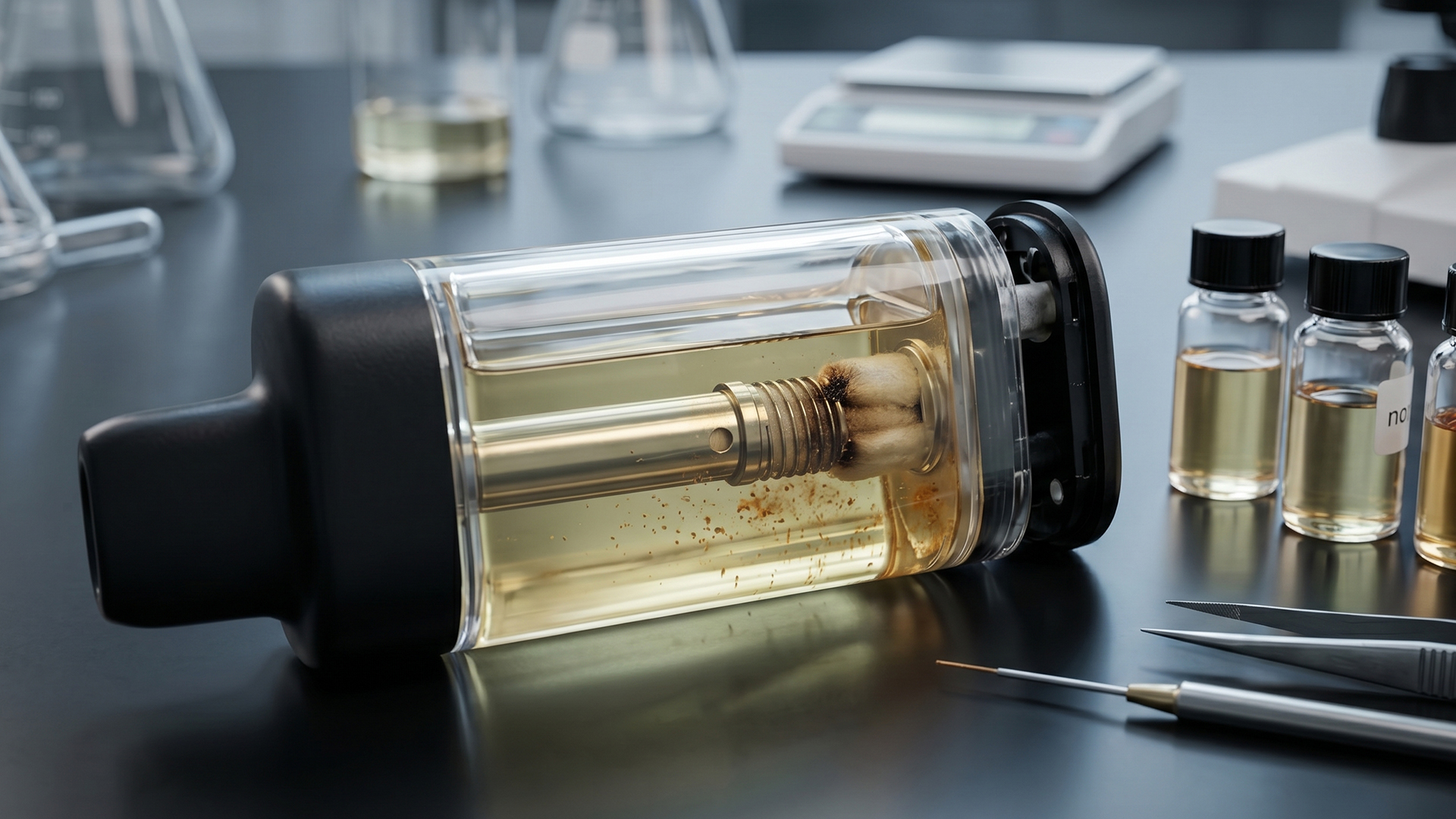
A new study has raised fresh concerns about high-puff disposable e-cigarettes, suggesting that their chemical emissions may become more toxic the longer they are used.
Researchers studying these devices found that repeated use and heating can trigger chemical changes inside the vape liquid and its components. Over time, this process may lead to the formation and accumulation of potentially harmful compounds in the aerosol inhaled by users.
High-puff disposable vapes are designed to last much longer than standard e-cigarettes, offering thousands of puffs per device. While they are marketed as convenient and cost-effective, scientists say their extended lifespan may also increase the risk of exposure to unwanted chemical byproducts.
The study indicates that toxicity is not necessarily constant throughout a device’s use. Instead, chemical degradation can build up gradually, meaning later stages of use could expose users to higher levels of harmful substances compared to earlier puffs.
It is said that this happens due to repeated heating cycles, which can break down ingredients in the vape liquid as well as materials inside the device. These breakdown processes may produce new chemical compounds that were not present when the device was first used.
While e-cigarettes are sometimes promoted as a safer alternative to traditional smoking, scientists stress that the long-term health effects are still not fully understood. Studies like this highlight the need for more detailed research into how device design and usage duration affect chemical exposure.
Researchers call for stronger regulation and clearer public guidance on disposable vaping products, especially those with high puff counts. They say consumers should be made more aware that risks may increase as the device is used over time.
Also Read: WVU scientist spots new Mars weather pattern in NASA data