A fragile calm has emerged in the Middle East after Iran announced it was suspending retaliatory military strikes following a temporary pause in US attacks. While the development has raised hopes of renewed diplomacy, Tehran has made it clear that negotiations with Washington can move forward only if three specific conditions are met.
The latest shift comes after nearly two weeks of military confrontation that fuelled fears of a wider regional conflict, disrupted global energy markets and intensified concerns over the security of one of the world’s busiest oil shipping routes, the Strait of Hormuz. Although the pause in hostilities has been welcomed by the international community, officials on both sides have cautioned that the situation remains highly sensitive.
Iranian military spokesperson Brigadier General Mohammad Akraminia confirmed that Tehran had halted retaliatory operations because the United States had not carried out any fresh attacks for two consecutive nights. He stressed that Iran’s military response had always been linked to US actions and that the suspension would continue only if Washington refrains from launching further strikes.
The announcement marks the first significant de-escalation since tensions between the two countries escalated sharply earlier this month. However, Iranian leaders have insisted that the halt in military action should not be mistaken for a ceasefire or a broader agreement between the two nations.
At the centre of Tehran’s message are three conditions that it says must be fulfilled before any formal negotiations with the United States can begin.
The first condition is that Washington must provide credible assurances that it will not resume military attacks while diplomatic talks are underway. Iranian officials argue that meaningful negotiations cannot take place under the threat of force and that confidence-building measures are essential to restore trust between the two countries.
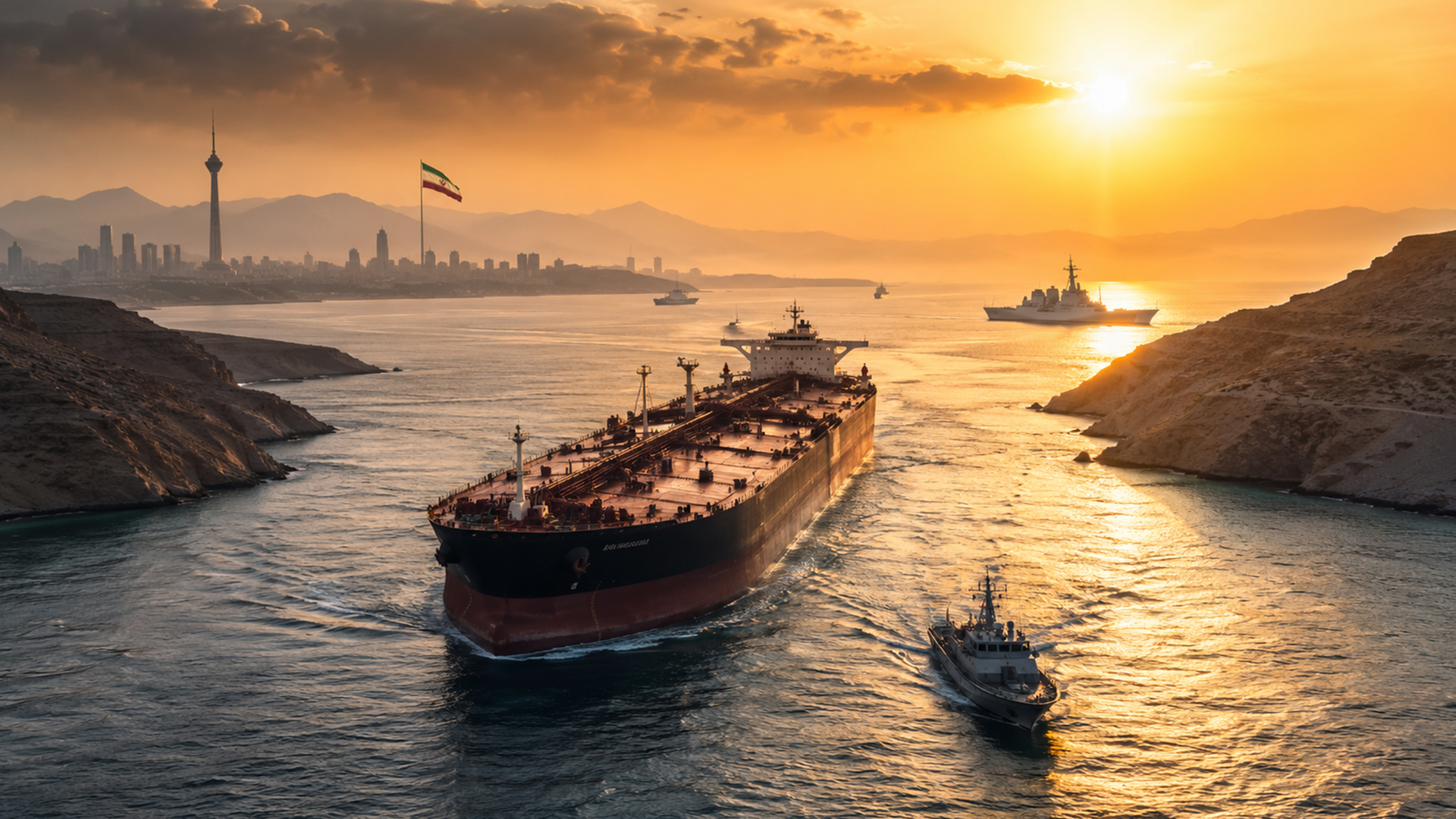
The second condition relates to the Strait of Hormuz, the strategically important waterway through which nearly one-fifth of the world’s seaborne crude oil passes every day. Iran has rejected proposals for alternative shipping routes that would bypass the strait, saying such plans undermine its sovereignty and regional role.
Tehran has maintained that any future arrangement involving maritime trade and energy transport must acknowledge Iran’s authority and existing legal framework governing the waterway. Officials have described attempts to create alternative corridors as politically motivated and unacceptable.
The third condition focuses on the nature of future negotiations. Iran has insisted that discussions must be based on mutual respect and equality rather than pressure, threats or unilateral demands. According to Iranian leaders, diplomacy can succeed only if both sides approach the negotiating table without coercion.
These conditions reflect Tehran’s long-standing position that dialogue should not take place while military operations continue or while sanctions and pressure tactics dominate the relationship.
The United States, meanwhile, has not officially responded to each of Iran’s demands but has confirmed that military operations have been temporarily suspended. Reports suggest that US President Donald Trump ordered the pause after military advisers concluded that continued strikes carried the risk of expanding the conflict without delivering significant strategic gains.
The temporary halt has also created space for diplomatic efforts led by regional mediators, particularly Oman, which has often acted as an intermediary between Washington and Tehran during previous periods of tension. Diplomatic contacts are reportedly continuing behind the scenes, although neither side has announced a formal timetable for negotiations.
Despite the pause, both governments continue to issue firm public statements.
Iran has warned that any fresh US military action would be met with an immediate and stronger response. At the same time, American officials have emphasised that the suspension of strikes should not be interpreted as the end of military options if Iran takes actions that threaten US interests or regional stability.
The Strait of Hormuz remains one of the biggest points of disagreement between the two countries. The narrow waterway connects the Persian Gulf with the Gulf of Oman and the Arabian Sea, making it a critical route for global oil exports. Any disruption to shipping through the strait has an immediate impact on international crude oil prices, energy security and global trade.
The recent military tensions had pushed oil prices sharply higher as investors feared possible disruptions to energy supplies. However, news of the temporary pause in fighting triggered a decline in global crude prices, with markets responding positively to the reduced risk of immediate conflict.
Energy analysts have nevertheless warned that volatility is likely to continue because the underlying issues remain unresolved. The dispute extends far beyond military operations and includes disagreements over Iran’s nuclear programme, regional influence, economic sanctions and maritime security.
International observers have welcomed the current pause but remain cautious. Many believe the coming days will determine whether the reduction in hostilities develops into meaningful diplomatic engagement or proves to be only a temporary break before tensions rise again.
For ordinary people across the Middle East, the brief lull offers some relief after weeks of uncertainty. Families living in conflict-prone areas continue to watch developments closely, hoping that diplomacy will replace military confrontation before another cycle of violence begins.
Regional governments are also monitoring the situation carefully, recognising that any renewed conflict could have significant economic and humanitarian consequences across West Asia. A prolonged disruption in the Strait of Hormuz would affect global energy supplies, increase fuel prices and place additional pressure on economies already dealing with inflation and geopolitical uncertainty.
While the pause in strikes has opened a small window for diplomacy, the road ahead remains uncertain. Whether the United States and Iran can move beyond military confrontation will largely depend on their willingness to build trust, address long-standing disputes and engage in negotiations that satisfy the concerns of both sides.
For now, the world is watching closely as the fragile calm holds, hoping it marks the beginning of dialogue rather than simply a pause before another round of confrontation.