US President Donald Trump has renewed his tariff offensive against major trading partners, including India, China, Japan and the European Union, despite his Republican Party suffering setbacks in the US midterm elections. The latest move signals that Washington intends to continue using import duties as a central part of its economic and trade policy, even as political opposition to the measures grows at home.
On November 25, the Trump administration proposed fresh tariffs on 14 economies following an eight-month investigation into what Washington describes as structural excess industrial capacity in manufacturing. The proposed measures could impose significant pressure on global supply chains and international trade, with India facing additional duties of up to 25 per cent if it fails to conclude a trade agreement with the United States.
The development comes at a sensitive time for India-US trade relations. Both countries have been negotiating a bilateral trade agreement, but disagreements over market access, tariffs and industrial policies have complicated discussions.
According to the United States Trade Representative (USTR), India could face a proposed tariff rate of 25 per cent on goods exported to the American market. However, the rate could come down to 17 per cent if New Delhi reaches a qualifying trade agreement with Washington. Certain products may also receive exemptions.
The proposal is part of a broader effort by the Trump administration to protect American manufacturers from what it considers unfair competition from foreign producers.
One of the major concerns raised by Washington relates to India’s manufacturing expansion programmes, particularly Make in India, Atmanirbhar Bharat and the Production Linked Incentive (PLI) scheme.
The US administration argues that government-backed incentives and production support could encourage manufacturers to expand their capacity beyond domestic demand. This could result in surplus goods entering international markets at lower prices, putting American manufacturers under pressure.
Washington has also questioned India’s trade policies, market access restrictions and support for domestic industries.
India, however, views these programmes as essential to strengthening its manufacturing capabilities, attracting investments, generating employment and reducing dependence on imports. The government has also rejected the American assessment that India has structural excess manufacturing capacity.
The Commerce Ministry said it had taken note of the US determination and was examining the notice. It maintained that trade-related concerns should be addressed through ongoing bilateral negotiations.
The investigation was conducted under Section 301 of the US Trade Act of 1974, which allows Washington to investigate foreign policies and practices that it considers unreasonable or harmful to American commerce.
The US completed its investigation into 16 economies and issued determinations against 14, including India, China, Japan, South Korea, Vietnam, Bangladesh, Indonesia, Malaysia, Thailand, Singapore, Switzerland, Taiwan and the European Union.
The proposed tariffs could create fresh challenges for Indian exporters, particularly those dependent on the American market.
The US remains one of India’s largest export destinations, accounting for a significant share of its merchandise exports. Indian shipments to the US increased 14.5 per cent to $59.5 billion between April and October, according to Reuters.
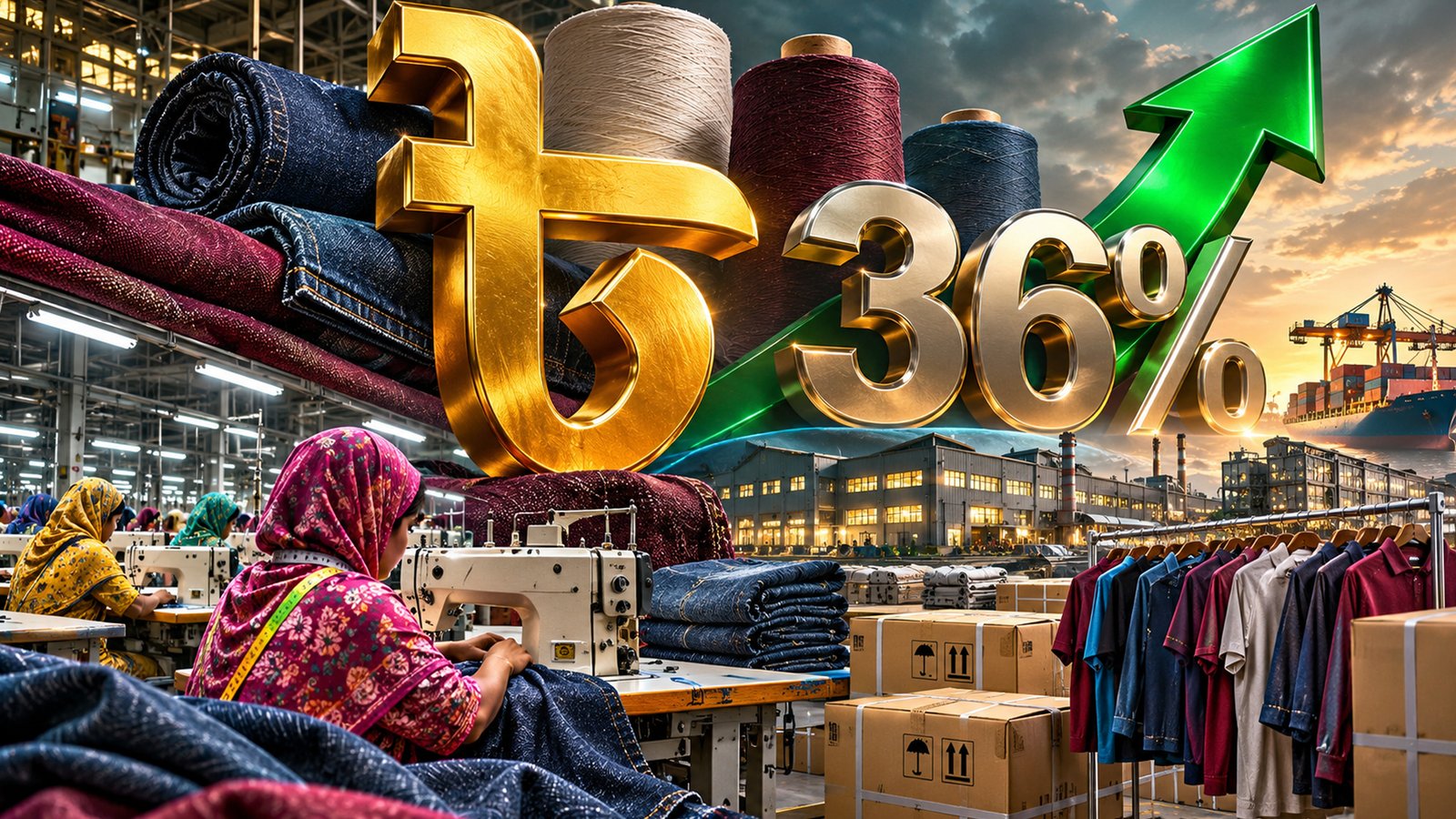
Labour-intensive industries such as textiles, gems and jewellery and marine products could face pressure if higher duties make Indian goods more expensive for American buyers.
Other sectors, including chemicals, electronics, automobiles and engineering goods, could also feel the impact depending on the final tariff structure and product exemptions.
Exporters may have to reconsider pricing strategies, absorb part of the additional costs or explore alternative markets. Smaller manufacturers could face greater difficulties because they have less room to adjust their margins.
The proposed 17 per cent rate could offer some relief compared with the 25 per cent alternative. However, this lower rate depends on the successful conclusion of a trade agreement.
India could also explore opportunities through its expanding network of free trade agreements and seek to diversify export destinations to reduce its dependence on the US market.
While India faces fresh trade pressure, China remains at the centre of Washington’s wider tariff strategy.
In its latest move, the US has proposed an additional 20 per cent tariff on Chinese goods, which would come on top of existing duties of around 25 per cent imposed during Trump’s first presidential term. The proposed rate would remain within the limits of the current trade understanding between the two countries, although Washington has left room for further escalation.
Trump’s renewed tariff push also carries political significance.
The Republican Party’s losses in the November midterm elections have increased pressure on the administration, with Democrats set to control Congress for the final two years of Trump’s presidency.
Economic concerns, particularly inflation and the rising cost of consumer goods, featured prominently in the political debate. Tariffs have attracted criticism because American importers often pass at least part of the additional costs on to businesses and consumers.
However, the latest announcement suggests that Trump intends to continue using trade duties as an economic and diplomatic instrument. With Democrats preparing to take control of Congress, tariffs could also become an important area of political confrontation.
The proposed duties will undergo a public notice and comment process, followed by a hearing before implementation. The process could push the measures into January 2027.