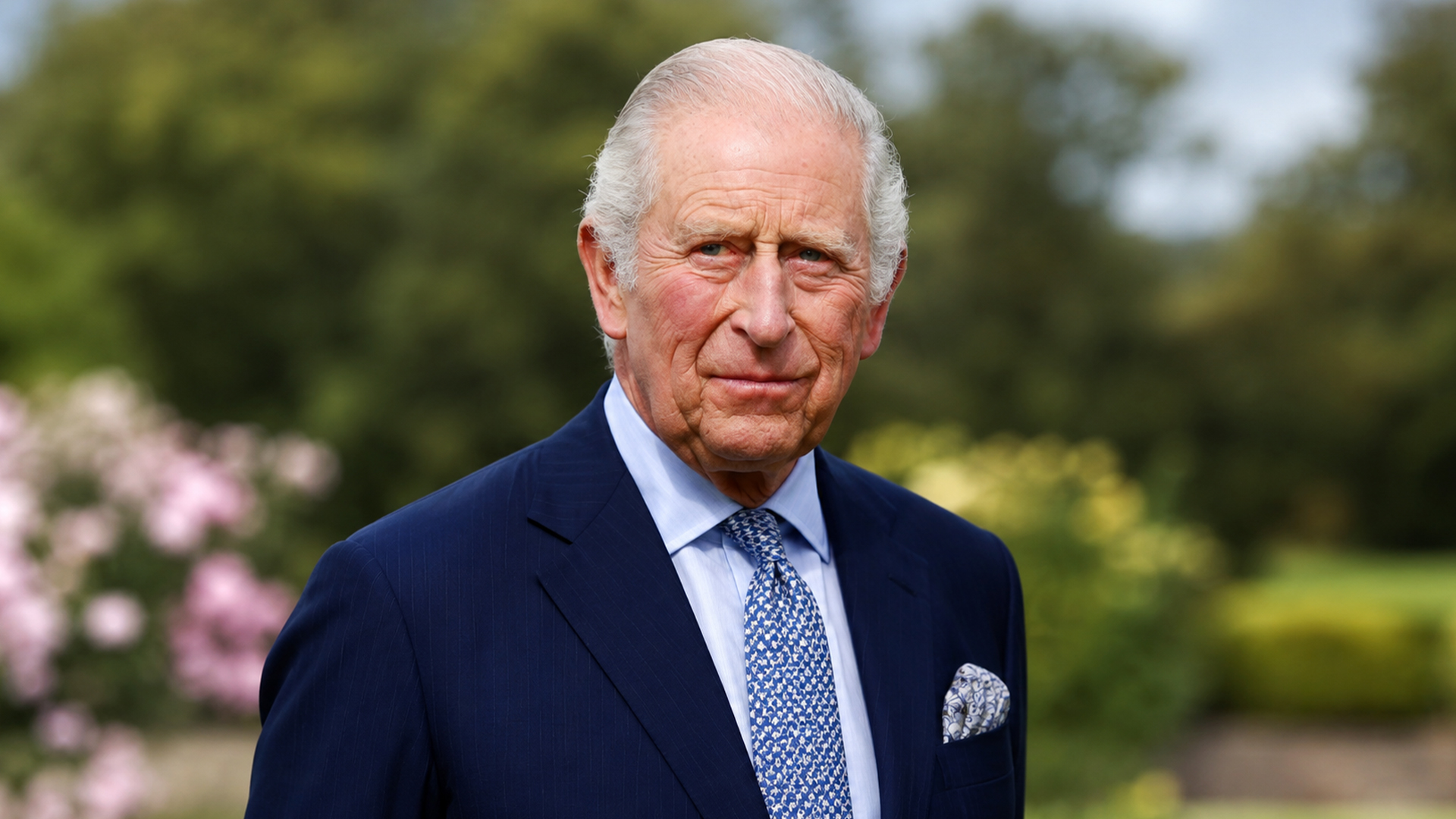
King Charles III has become the first reigning British monarch to publicly disclose his personal tax payments, revealing that he has paid more than £30 million in taxes since ascending the throne in September 2022. The unprecedented move marks a significant break from centuries of royal tradition and is being seen as a step towards greater transparency in the monarchy.
Although the British monarch is not legally required to pay income, capital gains or inheritance tax, King Charles has continued the voluntary practice introduced by his mother, Queen Elizabeth II, in 1993. However, unlike his mother, he has chosen to disclose the amount publicly for the first time.
Buckingham Palace said the King paid £11.7 million in personal taxes during the 2023-24 financial year and £12.9 million in 2024-25. Together with tax paid in the months after he became monarch in 2022, his total contribution has crossed £30 million, placing him among the UK’s highest taxpayers.
The taxes are paid on income from sources such as the Duchy of Lancaster, private estates including Sandringham and Balmoral, and personal investments. The King does not pay tax on the Sovereign Grant, the public funding provided to support official royal duties and maintain royal residences.
The disclosure comes as the royal family’s finances face increased public scrutiny. Buckingham Palace said the decision reflects the King’s commitment to greater openness and accountability, although some campaigners have called for more detailed information about the monarchy’s wealth and finances.
Prince William has also released details of his own tax payments for the first time, revealing that he has paid more than £20 million in taxes since becoming Prince of Wales.
The historic disclosure is being viewed as part of King Charles’ broader efforts to modernise the monarchy and strengthen public confidence through greater financial transparency.
Also Read: Passport fees revised, new rates effective from July 1