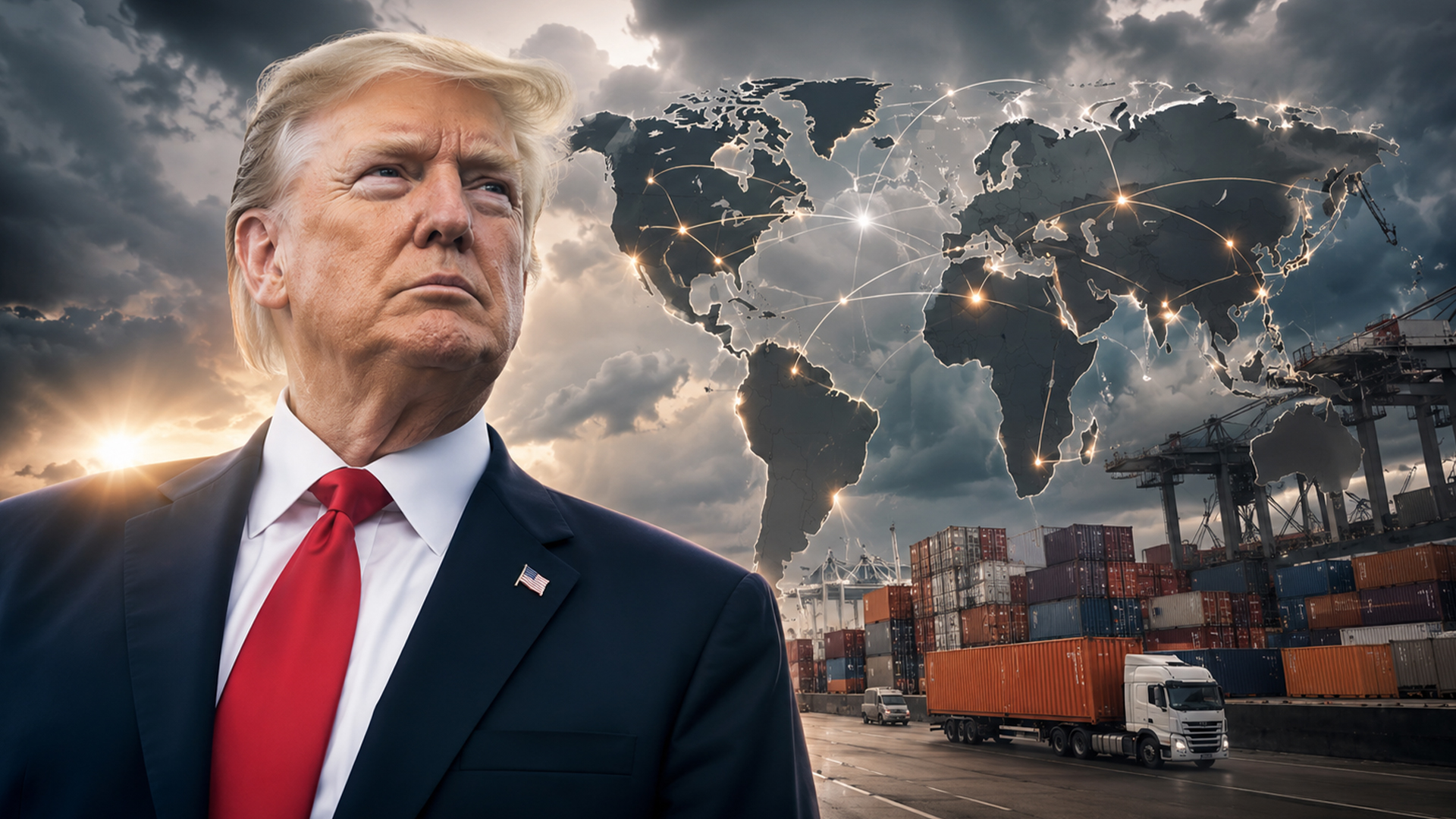
The United States is preparing to introduce a new round of import tariffs on goods from dozens of countries as the temporary 10% global tariff imposed by President Donald Trump is set to expire later this week. The proposed move signals the administration’s intention to maintain its hardline trade policy while adopting a revised legal approach following recent court rulings.
According to officials, the new tariff framework is being finalised to ensure there is no gap in the country’s trade policy once the temporary levy ends. The administration is expected to unveil the measures in the coming days, with import duties likely to continue on a wide range of products entering the US.
US Trade Representative Jamieson Greer confirmed that the government is preparing fresh trade action involving several countries. While the exact list of nations and products has not yet been released, reports suggest that nearly 60 trading partners could be affected under the revised plan.
The temporary 10% tariff was introduced after legal challenges forced the administration to suspend an earlier reciprocal tariff programme. That measure was intended to provide a short-term solution while officials developed an alternative framework that could withstand judicial scrutiny.
The new proposal is expected to rely on provisions under Section 301 of the US Trade Act of 1974, which allows the government to impose tariffs after investigating unfair trade practices by foreign countries. Officials are also examining other legal provisions that could support higher duties in cases involving issues such as forced labour or trade imbalances.
Although many countries may continue to face tariffs of around 10%, the administration has indicated that higher rates could be imposed on selected imports depending on the outcome of ongoing investigations. The final tariff structure is expected to vary according to individual trade relationships and specific findings.
The Trump administration argues that stronger import duties are necessary to protect American manufacturers, reduce dependence on overseas supply chains and encourage companies to invest more in domestic production. Officials believe the policy will strengthen US industries and improve the country’s long-term trade position.
The latest proposal follows recent trade actions against countries including Brazil and Canada, where additional tariffs have already been announced on certain imports. These measures are part of the administration’s broader strategy to reshape trade relationships and address what it considers unfair trading practices.
Businesses and trading partners are closely monitoring Washington’s next move, as fresh tariffs could affect international supply chains, manufacturing costs and global trade flows. Companies that rely heavily on imported raw materials are assessing the potential impact on production costs and pricing.
Economists remain divided over the likely consequences of the proposed measures. Supporters argue that tariffs can help domestic industries become more competitive and create jobs by encouraging local manufacturing. Critics, however, warn that higher import duties could increase costs for businesses and consumers, potentially leading to higher prices across several sectors.
Several countries are expected to engage with US officials before the new tariffs are formally announced. Governments and exporters are seeking greater clarity on which products may be affected and whether exemptions or negotiated settlements could be considered.
The White House has indicated that further details of the revised tariff policy will be announced before the temporary levy expires. The new framework is expected to become a central element of the administration’s trade agenda as it seeks to strengthen domestic manufacturing while responding to legal requirements and changing global trade conditions.
Also Read: Andy Burnham prioritises living costs at first cabinet meeting