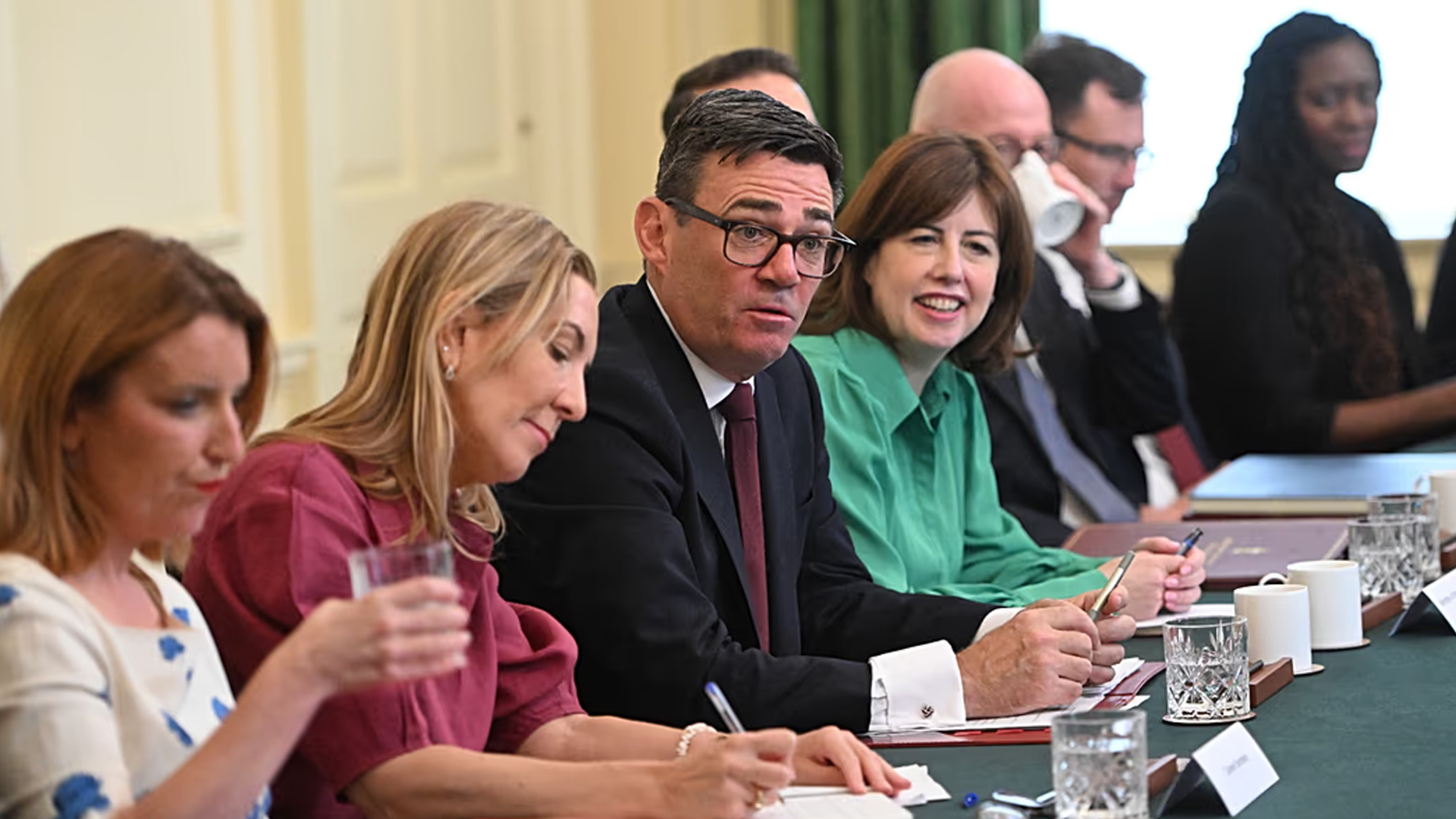
Britain’s new Prime Minister Andy Burnham has made tackling the rising cost of living the top priority of his government, promising immediate relief for households struggling with high expenses. Chairing his first Cabinet meeting after taking office, Burnham said his administration would focus on easing financial pressures while delivering practical reforms to improve people’s everyday lives.
Setting the tone for his premiership, Burnham told ministers that every government decision should reflect the concerns of ordinary families. He said his administration was determined to restore public confidence by addressing issues that directly affect households, including energy bills, inflation and access to essential public services.
The government’s first major announcement was the decision to remove the 5% Value Added Tax (VAT) on domestic electricity bills from October. The measure is expected to lower energy costs for millions of households and provide immediate financial relief as families continue to face higher living expenses.
According to the government, the tax reduction will cost around £850 million, with the funding expected to come from savings generated by cancelling a proposed national digital identity programme. Officials said the move reflects the government’s commitment to prioritising direct support for households while maintaining responsible management of public finances.
Speaking after the Cabinet meeting, Burnham acknowledged that the country continues to face economic challenges, including slow growth and pressure on government spending. However, he stressed that easing the burden on working families would remain at the centre of his government’s agenda.
Alongside measures to reduce electricity bills, the Prime Minister outlined broader plans to strengthen the economy through investment, regional development and improvements in public services. His government is expected to focus on creating jobs, expanding affordable housing, supporting local communities and improving transport infrastructure.
Burnham also used his first Cabinet meeting to outline his expectations from ministers, urging them to work together to deliver visible results. He said the government would be judged not by announcements but by whether people experienced real improvements in their daily lives.
The new Prime Minister has also reshaped his Cabinet, appointing a new team to help implement his economic and governance priorities. The changes are aimed at strengthening coordination across departments as the government begins work on its policy agenda.
While the announcement of lower electricity bills has been welcomed by many households, economists have offered mixed views on the policy. Some believe removing VAT will provide timely support as energy costs remain high, while others argue that targeted assistance for lower-income families could have delivered greater benefits.
Political observers say Burnham faces the challenge of balancing public expectations with the country’s financial constraints. His government has committed to following existing fiscal rules while introducing measures aimed at supporting economic recovery and improving living standards.
The early decisions taken by the new administration are expected to shape public perception of Burnham’s leadership in the months ahead. With the cost-of-living crisis continuing to dominate political debate in the UK, the government is likely to face close scrutiny over the impact of its policies.
Officials have indicated that additional measures to support households and stimulate economic growth will be announced in the coming weeks. For now, the government’s immediate focus remains on reducing financial pressure on families while laying the foundation for longer-term economic stability and public sector reform.