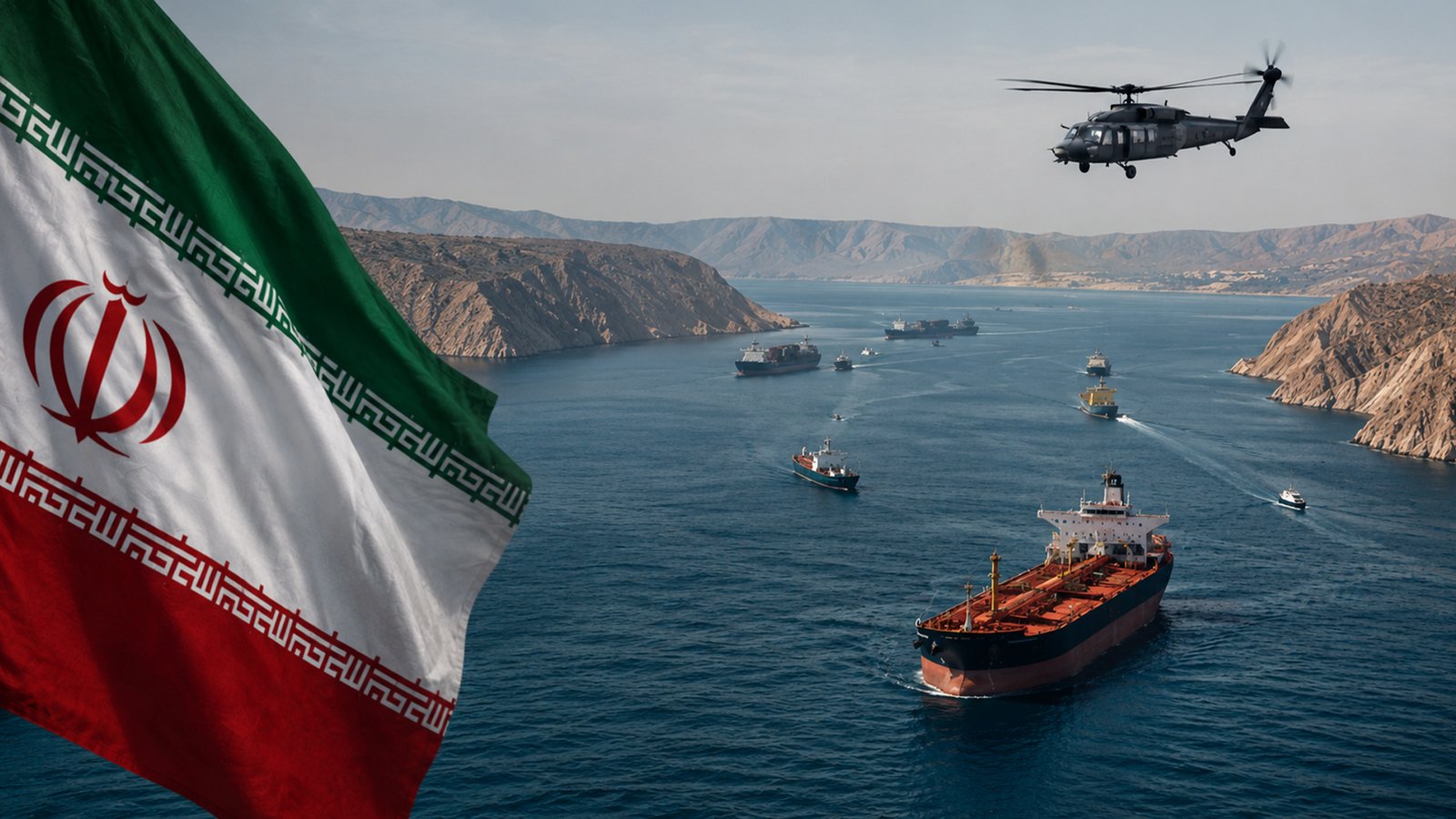
Iran has said the Strait of Hormuz will remain closed until the United States fulfils conditions agreed under an interim deal, adding another hurdle to efforts to ease tensions between the two countries. Iranian Parliament Speaker and top negotiator Mohammad Bagher Ghalibaf said Tehran would not reopen the strategic waterway until Washington met its commitments.
The announcement comes as the US-Iran conflict continues to weigh heavily on the Middle East and global energy markets. The Strait of Hormuz, which connects the Persian Gulf with the Gulf of Oman, is one of the world’s most important energy routes. Before the current crisis, roughly one-fifth of global oil and liquefied natural gas shipments passed through the waterway.
Under the conditions cited by Iran, the United States would have to lift its blockade of Iranian ports, remove oil-related sanctions, release frozen Iranian assets and stop military threats and operations against Iran. Tehran has made clear that reopening the strait is tied directly to these demands.
The dispute follows a June 17 memorandum of understanding between Washington and Tehran that was intended to provide a framework for a broader agreement, including negotiations over Iran’s nuclear programme. The arrangement was expected to create a 60-day window for further talks. However, disagreements over the status of the Strait of Hormuz and other commitments caused the diplomatic process to unravel.
The United States declared the agreement effectively over on July 7, while Iran subsequently announced that it was suspending its participation. The latest statement from Ghalibaf suggests that Tehran is now using access to the strategic waterway as leverage in its confrontation with Washington.
The situation has also created confusion over whether the strait is technically open or effectively closed. US President Donald Trump said on Tuesday that the waterway was open and that no talks with Iran were currently taking place or scheduled. Iran, however, continues to insist that the passage remains closed until Washington meets the conditions of the interim agreement.
Shipping data indicates that traffic through the strait has fallen sharply even as Washington and Tehran give conflicting descriptions of its status. Only a small number of vessels have been reported passing through the waterway, compared with normal traffic levels before the crisis. The uncertainty has encouraged shipping companies to avoid the route because of the risks involved.
Global energy markets believe that the prolonged uncertainty is particularly significant. Oil prices climbed for a fourth consecutive day on Wednesday as traders assessed the possibility that disruption around the Strait of Hormuz could continue. Brent crude rose 0.8% to about $91.71 a barrel, while US West Texas Intermediate gained 0.9% to around $85.70.
The price increase reflects fears that a prolonged disruption could affect supplies from major Gulf producers. Countries in the region have been exploring alternative export routes, but those routes cannot fully replace the capacity and strategic importance of Hormuz.
The waterway is particularly important because several major oil-producing countries, including Saudi Arabia, Iraq, Kuwait, Qatar and the United Arab Emirates, rely on routes through or around the Gulf. Any prolonged disruption can therefore affect not only crude oil prices but also fuel costs, shipping rates, insurance premiums and broader inflation.
The crisis has already forced some shipping companies to reroute vessels. Reuters reported that two Chinese shipping companies had altered their routes around the Gulf because of the security situation. Iraq is also preparing alternative arrangements for exporting oil from September, underlining the growing concern among regional producers about continued disruption.
The latest developments have also exposed a widening gap between the US and Iranian positions. Tehran wants Washington to make concrete concessions before restoring normal passage, while Trump has maintained a tougher position and has rejected the idea that negotiations are currently under way.
The expiration of the ceasefire and the failure to revive diplomatic talks have further increased uncertainty. Iranian officials have warned of a more aggressive military posture if negotiations fail, while Washington continues to press Tehran over its nuclear programme and regional activities.
The consequences are being felt beyond the Middle East. A sustained Hormuz Strait closure could put pressure on global crude supplies and push energy prices higher, particularly if shipping companies continue to avoid the route. Higher oil prices could eventually feed into petrol, diesel, transport and manufacturing costs in economies that depend heavily on imported energy.