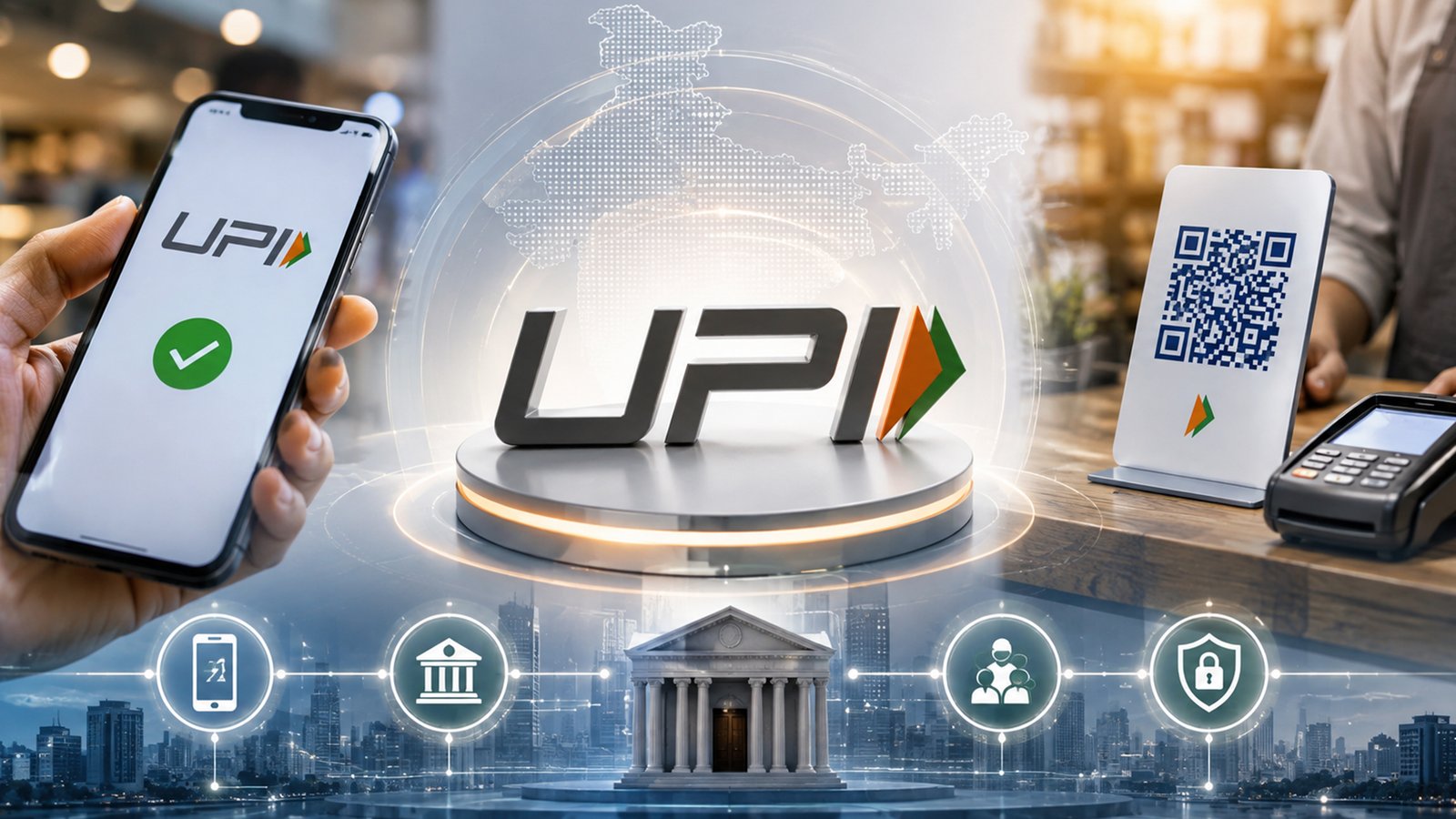
The Unified Payments Interface (UPI) has completed 10 years, marking one of the biggest changes in the way Indians handle money. From paying for groceries and splitting restaurant bills to sending money to family members, UPI has become part of everyday life for millions of people. What began as a new digital payment system has now grown into the backbone of India’s digital payments ecosystem and a global example of real-time payments.
Prime Minister Narendra Modi on August 25 marked the 10th anniversary of UPI and described its journey as a major turning point in India’s digital payments story. He said the scale and reach achieved by UPI were a matter of pride and invited people to share how the platform had changed their lives.
UPI was launched on August 25, 2016, by the National Payments Corporation of India (NPCI), under the regulatory oversight of the Reserve Bank of India (RBI). The idea was to create a simple system through which people could transfer money instantly between bank accounts using a mobile phone. Instead of entering lengthy bank account details for every transaction, users could make payments using a UPI ID, mobile number or QR code.
The system initially had a small user base and was supported by only a limited number of banks. Over the years, however, the rapid spread of smartphones, cheaper internet services and QR-based payments helped UPI reach almost every corner of the country.
The growth in transaction volumes shows how quickly the platform has expanded. UPI processed just 1.78 crore transactions in 2016-17. By 2025-26, annual transaction volume had increased to more than 24,162 crore, marking an almost 13,000-fold rise in a decade. The value of transactions also increased sharply, reaching around ₹314 lakh crore in 2025-26.
The momentum has continued in 2026. UPI processed a record 2,366 crore transactions in July, while the value of those transactions touched about ₹29.88 lakh crore. The platform now handles more than 66 crore transactions a day, showing how deeply digital payments have entered the daily lives of Indian consumers.
The biggest attraction of UPI is its simplicity. A customer can scan a QR code, enter the amount and complete a payment within seconds. There is no need to carry cash or use a card for small purchases. The same system can be used to pay electricity bills, shop online, transfer money to relatives or make payments at a local roadside store.
This has also changed the way small businesses operate. A QR code has allowed even small shops, street vendors and service providers to accept digital payments without needing expensive payment infrastructure. For consumers, digital transactions provide convenience and a record of payments, while merchants can receive money directly into their bank accounts.
UPI has also become an important part of India’s financial inclusion story. Its interoperable design allows customers of different banks and payment applications to transact with one another. The number of banks connected to the UPI network has grown dramatically since its launch, helping the system become a common payment layer across the banking and fintech ecosystem.
The success of UPI has attracted attention well beyond India. According to data cited in recent reports, UPI accounted for nearly 49% of global real-time payment transaction volumes in 2025. That has placed India at the centre of the global conversation around instant digital payments.
The platform’s international footprint is growing as well. UPI is now available in 11 countries, including the United Arab Emirates, France, Singapore, Sri Lanka, Nepal, Mauritius, Qatar, Cambodia, Greece and the Maldives. Its overseas expansion could make payments easier for Indian travellers while also giving other countries an opportunity to adopt or connect with India’s digital payments infrastructure.
UPI’s growth has also helped create a wider fintech ecosystem. Banks, payment companies and startups have built services around the platform, making digital transactions easier and adding new features. The next stage could see UPI moving further into financial services rather than remaining only a payments platform.
However, UPI’s enormous scale also brings new challenges. As more transactions move online, maintaining security, reliability and consumer awareness will remain important. Preventing fraud and ensuring that users understand safe digital payment practices will be crucial as UPI expands further.
Ten years after its launch, UPI has moved far beyond being simply another payment option. It has changed consumer habits, helped merchants accept digital payments and strengthened India’s digital economy. Its rise from 1.78 crore transactions in its first financial year to more than 24,000 crore transactions annually captures the scale of that transformation.