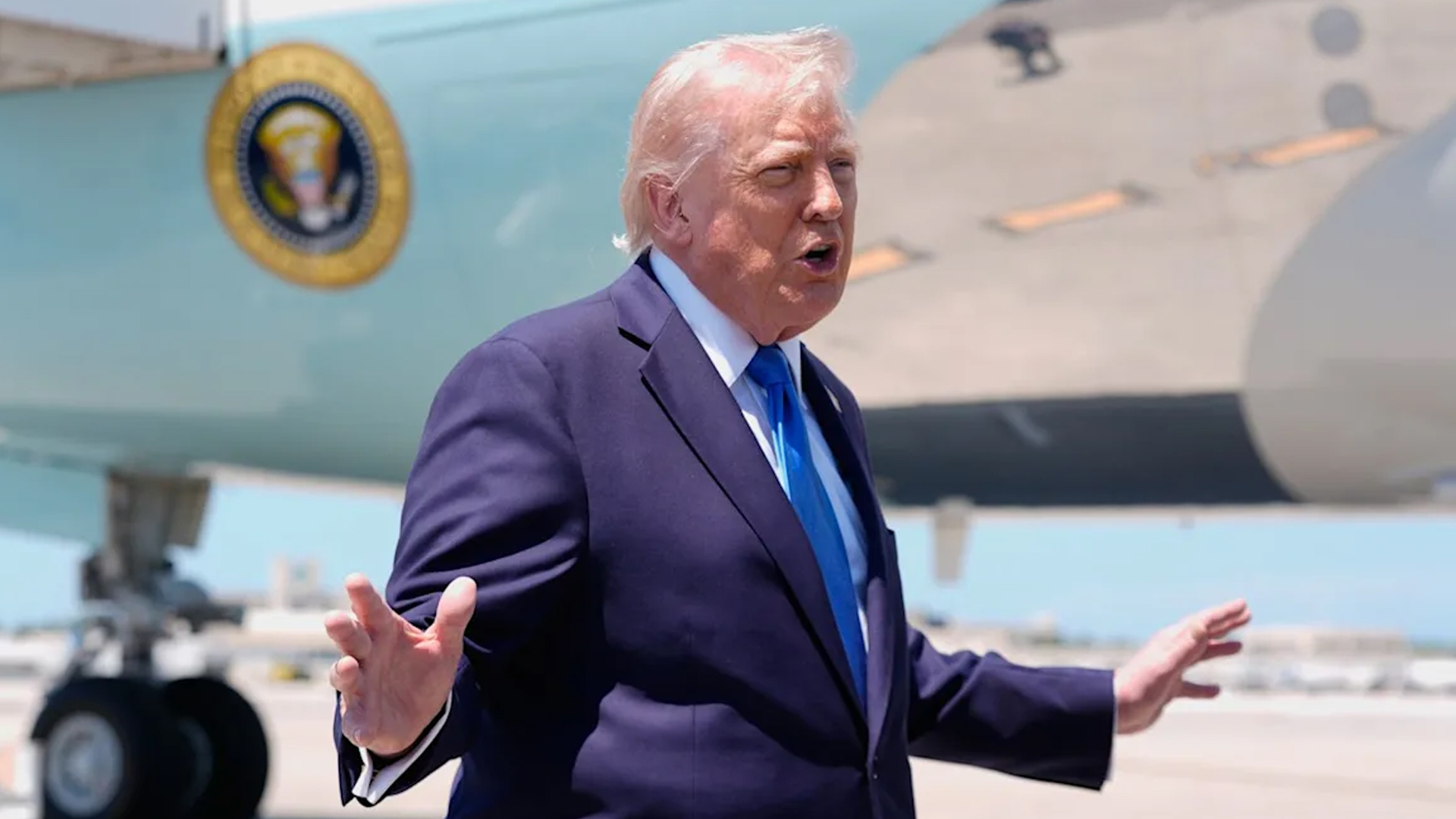
US President Donald Trump has signed an executive order directing the US government to rename Lake Ontario as “Lake America”, adding another symbolic flashpoint to the increasingly strained relationship between Washington and Ottawa.
Trump signed the order on Thursday, August 27, directing the US Department of the Interior and federal geographic authorities to use the new name in official US government references. The move comes amid an escalating trade dispute between the United States and Canada, with both countries imposing tariffs and accusing each other of unfair economic practices.
The order does not change the name of the lake internationally. Canada has rejected the change and continues to refer to the waterbody as Lake Ontario. Since the lake is shared by the two countries, the United States cannot require Canadian authorities or international organisations to adopt its preferred name. The renaming therefore applies primarily to US federal maps, documents and other official government usage.
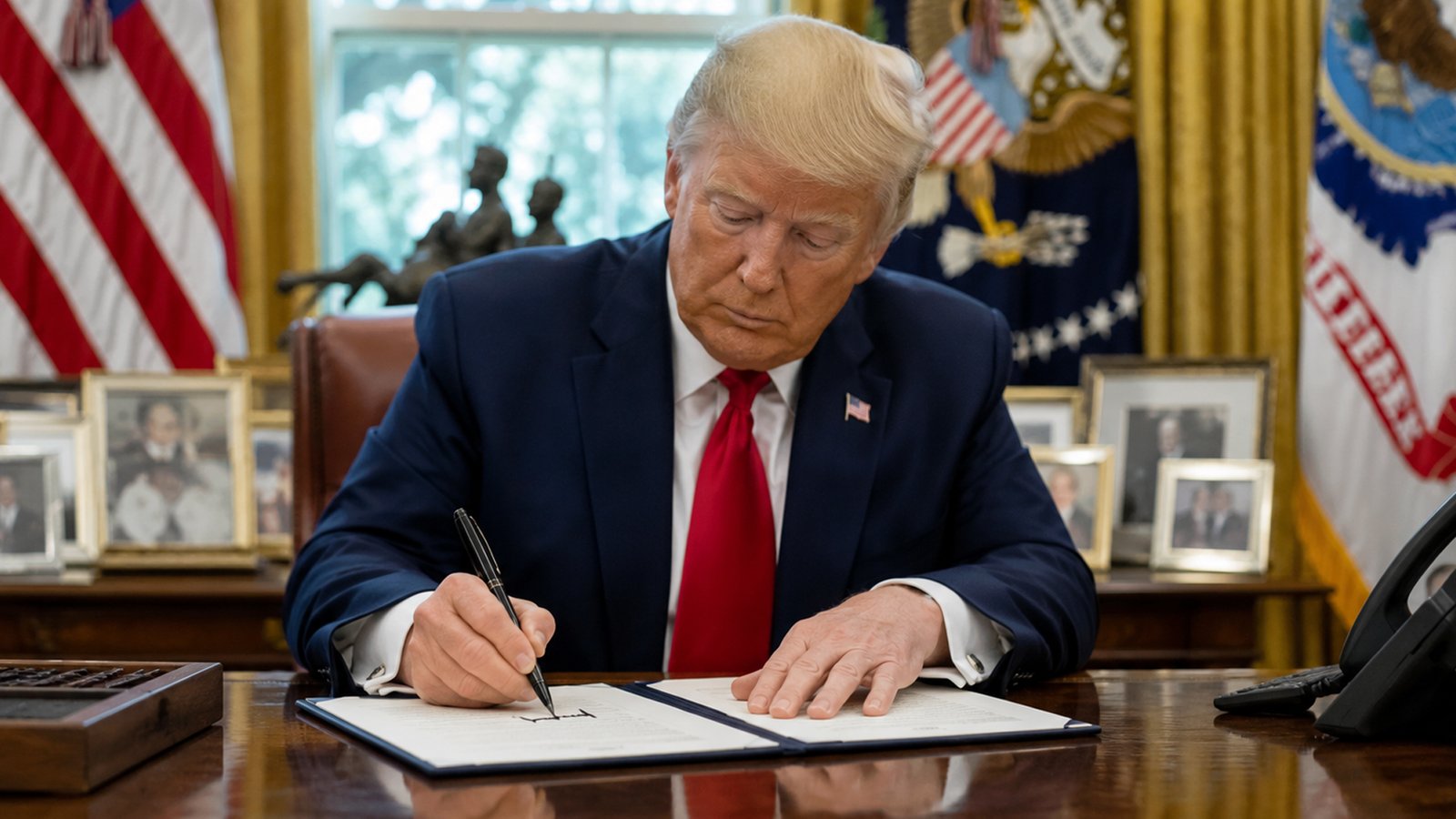
Trump had signalled earlier this week that he was seriously considering the change, after posting an altered map showing “Lake America” in place of Lake Ontario. He subsequently confirmed his decision while signing the executive order at the White House.
The president has presented the move as part of his broader “America First” approach and has linked it to his criticism of Canada’s trade policies. Trump has repeatedly accused Canada of taking advantage of the United States in trade and has stepped up pressure on Ottawa through tariffs.
The latest renaming follows Trump’s earlier decision to direct the US government to use “Gulf of America” instead of the traditional name Gulf of Mexico. His administration has also restored the name Mount McKinley for the Alaska peak previously known as Denali in US federal usage.
During the signing ceremony, Trump suggested that the renaming campaign could extend further. He joked that “all we need is an ocean”, raising the possibility that the Atlantic or Pacific could eventually become the subject of another naming decision.
Canada, however, has made clear that it will not recognise the new name. Prime Minister Mark Carney rejected Trump’s decision, saying the body of water would remain Lake Ontario. Canadian officials have stressed that the name has deep historical significance and predates the existence of both modern Canada and the United States.
The name Ontario has Indigenous roots and is generally traced to an Indigenous term associated with the lake. The name has been in use for centuries, giving it a historical significance that extends well beyond the modern US-Canada border.
The lake itself is one of North America’s five Great Lakes and forms part of the international boundary between the United States and Canada. Ontario, Canada’s most populous province, lies to its north, while New York State is on its southern shore. The two countries jointly manage several aspects of the Great Lakes through bilateral agreements and institutions.
That shared status makes the US renaming particularly sensitive. While Washington can determine what appears in its own federal geographic databases, it cannot dictate terminology used by Canadian governments, foreign countries or international organisations.
The decision has also drawn criticism from officials within the United States. Some governors and politicians have indicated that they will continue using Lake Ontario rather than adopting the name chosen by the Trump administration.
The timing of the decision is significant. Relations between Washington and Ottawa have deteriorated as the two countries remain locked in a dispute over tariffs and trade. Trump has threatened and imposed higher duties on Canadian goods, while Canada has responded with retaliatory measures.
The latest trade tensions have affected sectors ranging from automobiles and manufacturing to other cross-border industries. The two economies are deeply connected, with businesses on both sides relying heavily on integrated supply chains.
The dispute over Lake Ontario’s name is therefore being viewed less as a geographical issue and more as another expression of the broader political conflict between the neighbouring countries.
Trump’s decision is unlikely to alter the lake’s physical or legal status. Boats, shipping routes, environmental agreements and water-management arrangements will continue to operate as before. What is likely to change, at least within the United States, is how the lake appears on federal maps and in official government communications.
For Canadians, however, the name remains unchanged. Lake Ontario will continue to be used by Canadian authorities, while US federal agencies are expected to adopt “Lake America”.
The result could be an unusual situation in which the same international waterbody has different official names depending on which side of the border is referring to it.
The controversy also highlights the limits of unilateral geographical renaming. A national government can change the terminology used within its own administrative system, but broader international acceptance depends on other governments, institutions and mapping organisations.
Trump’s “Lake America” order is primarily a political and symbolic move rather than a universally recognised geographical change. But coming amid an already bitter trade dispute, it has added another layer of tension to the relationship between the United States and Canada.