At least 77 pilgrims associated with the Isha Foundation remain unaccounted for after a devastating flash flood struck the Nepal-Tibet border region while a group was returning from the Kailash Mansarovar pilgrimage. Three volunteers connected with the group are also reported missing, taking the number of Isha members whose whereabouts are unknown to 80.
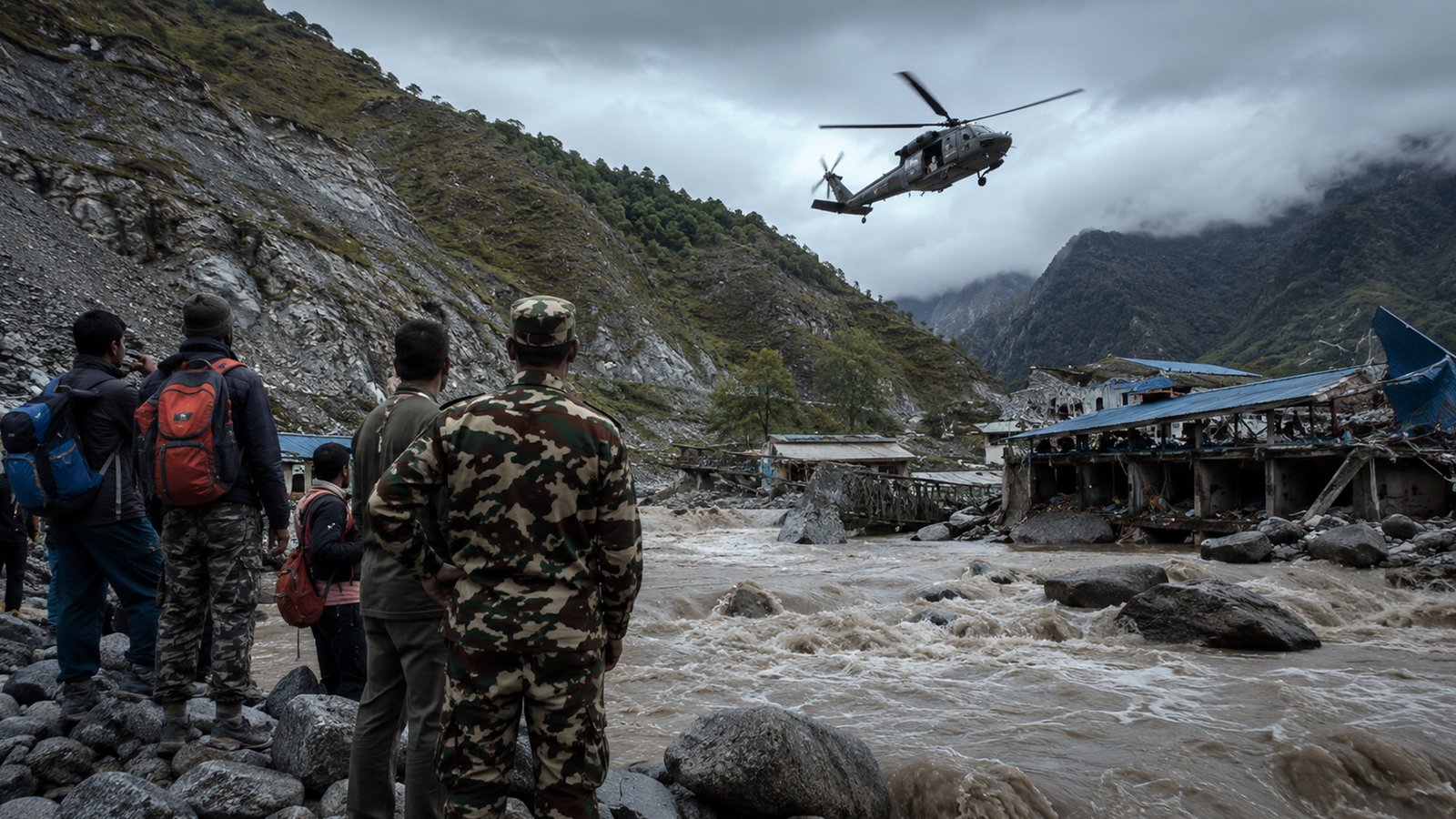
The incident occurred near Gyirong, a key border crossing in Tibet, on Wednesday when the pilgrims were reportedly waiting at an immigration centre during their return journey. A sudden surge of water and mud swept through the area, damaging buildings and infrastructure and cutting off communication.
The group, identified as S3, was one of several groups travelling as part of the Kailash Mansarovar pilgrimage. According to information shared by the Isha Foundation, 495 members from the wider group had already returned safely, while others remained in Tibet and Nepal. The 77 pilgrims were at the immigration centre when the flash flood struck.
The disaster has left families across India anxiously waiting for updates. Communication with the affected group was lost after the flood, and there has been no confirmed information about the whereabouts of those 77 pilgrims.
Sadhguru Jaggi Vasudev, founder of the Isha Foundation, has expressed deep anguish over the incident. Speaking about the tragedy, he appeared visibly emotional and said the scale of destruction suggested that the situation was extremely serious. He has been in the region and is seeking permission to travel with a small team to the affected area to support rescue efforts.
The location of the disaster is making the rescue operation particularly difficult. Gyirong lies close to the Nepal-Tibet border, and the flood damaged roads, buildings and other essential infrastructure. The destruction has also disrupted communication links, making it difficult to establish contact with people who may have survived but remain stranded.
The flash flood originated in the Himalayan region and swept through parts of central Nepal after moving from the Tibetan side. Nepal’s Rasuwa district, which borders Tibet, has been among the worst-hit areas. The floodwaters also affected areas farther downstream, with extensive damage reported to roads, bridges and homes.
The Isha pilgrims are part of a much larger group of Indian nationals affected by the Nepal floods. More than 300 Indians were reported missing as authorities and state governments continued to collect information on tourists, pilgrims and other travellers caught in the disaster. The numbers have been changing as rescue teams establish contact with stranded people.
Among those reported missing are people from several Indian states. Government and other official updates have identified 37 people from Tamil Nadu and 32 from West Bengal among those whose whereabouts were initially unknown. Several of those affected were travelling on pilgrimage routes connected with Kailash Mansarovar.
The disaster has also affected foreign tourists and pilgrims travelling through the region. The Nepal-Tibet route is used by visitors heading towards Mount Kailash and Mansarovar, making the incident particularly significant for the pilgrimage community.
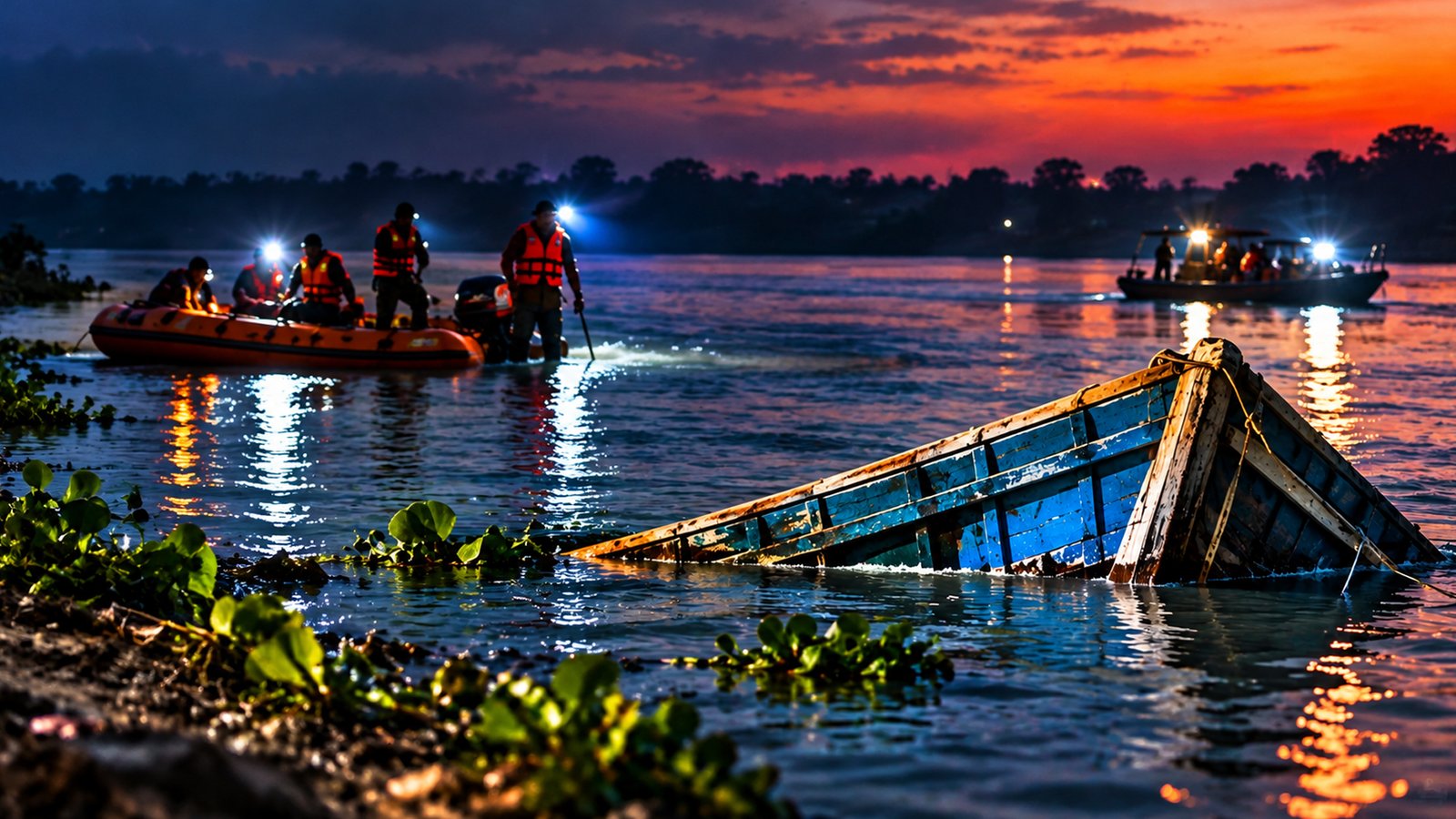
Rescue operations are being conducted amid extremely difficult conditions. Floodwaters and mudslides have damaged access routes, while the destruction of bridges and communication networks has complicated efforts to reach isolated locations. Authorities are also working to verify the identities and locations of people reported missing.
The scale of the Himalayan disaster extends beyond the Isha Foundation group. Flash floods and mudslides have caused widespread destruction across parts of Nepal and Tibet, leaving hundreds dead or missing and displacing large numbers of people. The affected areas include some of the region’s major pilgrimage and tourism routes.
For families of the missing Isha pilgrims, the uncertainty has been particularly difficult. The absence of communication has made it impossible for many relatives to know whether their loved ones are safe, stranded or in need of urgent assistance.
The Isha Foundation has said it is coordinating with authorities and is prepared to support rescue operations. Sadhguru has also appealed for access to the affected area, stressing the need to reach the location and establish what happened to the group.
As search operations continue, authorities are expected to provide further updates on missing Indian nationals and stranded pilgrims. For now, the focus remains on locating survivors, restoring communication and reaching areas cut off by the floods.