Nepal is facing a massive humanitarian emergency after devastating flash floods swept through areas along the Nepal-Tibet border, killing at least 362 people and leaving more than 1,300 people missing across Nepal and Tibet. Rescue teams are continuing to search through mud, debris and damaged settlements as families wait for information about relatives who remain unaccounted for.
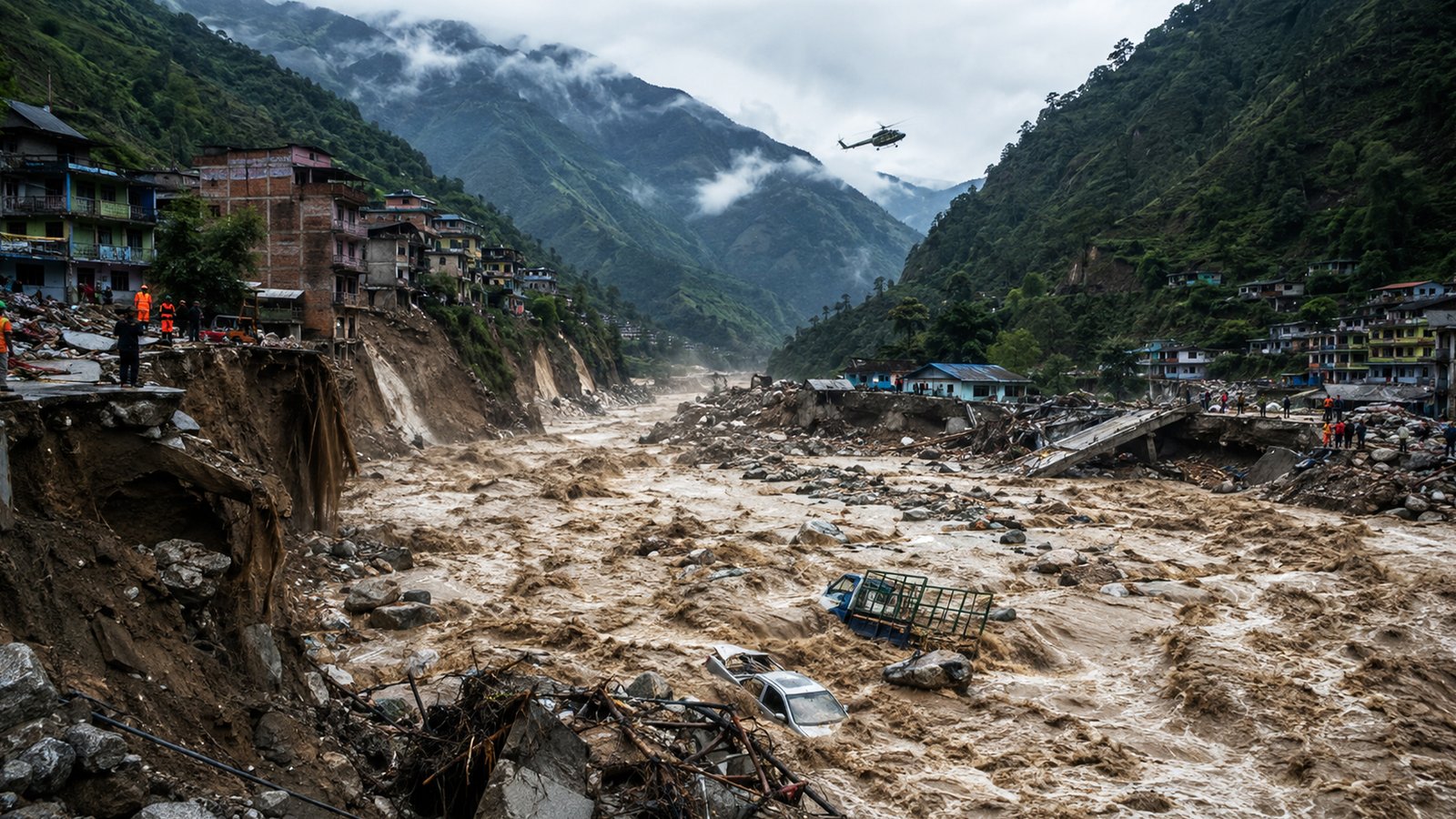
The disaster began on Wednesday in Nepal’s Rasuwa district, close to the Rasuwagadhi border crossing with Tibet. A huge volume of water, ice, rocks and mud surged through the mountain valleys, overwhelming communities and destroying roads, bridges, homes and other infrastructure.
The flooding was initially believed to have been linked to an earthquake. However, geological assessments later established that a glacial collapse triggered the catastrophic event. A mass of ice and rock broke away in the Himalayan region, sending a powerful debris flow into a mountain river. As the water travelled downstream, it gathered more rocks and mud, increasing the force of the flood.
The worst destruction has been reported in Rasuwa and other areas along the Bhotekoshi and Trishuli river systems. Settlements were inundated within minutes, while bridges and roads were swept away. Several hydropower installations were also damaged, leaving some areas without electricity or reliable communication.
The latest figures show 826 people missing in Nepal and another 558 on the Tibet side, taking the total to 1,384 unaccounted for. Three deaths have been confirmed in Tibet. The figures remain fluid as authorities continue checking reports from remote locations and reconnecting with people who were stranded after the disaster.
Foreign nationals account for a substantial number of those missing. The affected region is a major route for international travellers, particularly people travelling towards Mount Kailash and the Kailash Mansarovar pilgrimage. Citizens from India, the United States, Britain, Australia, Canada and several other countries are among those reported missing.
India has been particularly concerned because a large number of Indian pilgrims and tourists were travelling through the affected region. The disaster has also affected members of the Isha Foundation, with 77 pilgrims reported missing after they were caught up in the disaster while returning from the Kailash Mansarovar pilgrimage. Three volunteers associated with the group were also reported missing.
Isha Foundation founder Sadhguru Jaggi Vasudev has appealed for access to the affected area and said efforts were under way to establish contact with the missing pilgrims. The incident has left families across India anxiously waiting for confirmation about the safety of their relatives.
The Indian government has also stepped up its response. Prime Minister Narendra Modi spoke with Nepal Prime Minister Balendra Shah and conveyed India’s condolences over the loss of lives. Modi assured Nepal of India’s support for rescue, relief and humanitarian operations.
India has begun sending emergency assistance to Nepal, including essential supplies for people displaced by the floods. Relief material includes temporary shelters, blankets, medicines, hygiene supplies and solar lamps. Indian authorities have also kept additional resources and disaster-response teams ready should Nepal request further assistance.
The Indian Embassy in Kathmandu is coordinating with Nepalese authorities to locate Indian citizens reported missing or stranded in the affected areas. Officials are collecting information from families, travel agencies and local authorities to establish the whereabouts of travellers.
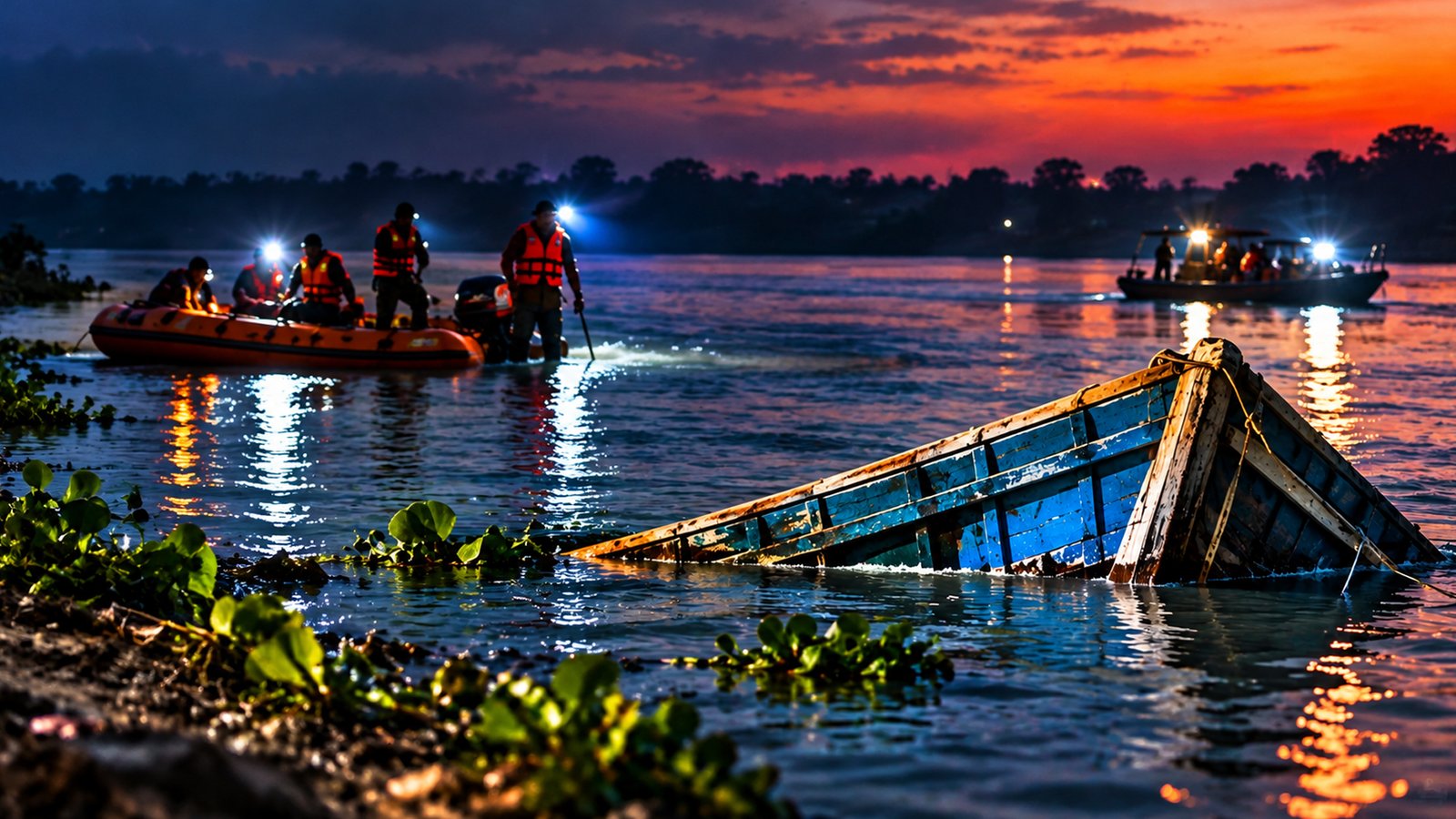
Rescue operations remain extremely difficult. Nepal’s security forces are using helicopters to reach communities cut off by destroyed roads and bridges. Army, police and other emergency personnel are searching damaged settlements while evacuating survivors and recovering bodies.
More than 100 people, including foreign nationals, have already been rescued from some affected areas, but many locations remain inaccessible. Thick mud, unstable slopes, damaged communication networks and the possibility of further landslides are slowing the operation.
Authorities are also monitoring a new danger created by the disaster. A blockage in a river has reportedly resulted in the formation of a lake in the flood-hit region, raising concerns that it could burst and trigger another dangerous surge. Officials have warned residents and rescuers to stay away from riverbanks and other vulnerable areas.
The disaster has renewed concerns about the growing risks faced by communities in the Himalayan region. Experts have repeatedly warned that rising temperatures are accelerating glacier melt and destabilising ice and rock formations. A sudden collapse can release enormous quantities of water and debris into narrow valleys, giving people very little time to escape.
The Nepal floods have also highlighted the vulnerability of pilgrimage and tourism routes in the Himalayas. The region attracts thousands of visitors each year, but its steep terrain and rapidly changing weather can make travel particularly dangerous during extreme weather events.
For families of those still missing, the most important question remains whether their loved ones are alive and can be reached. Communication failures have added to the uncertainty, with authorities still working to verify names and locations.
As search and rescue operations continue, Nepal faces the enormous task of recovering from a disaster that has devastated communities on both sides of the border. With 362 deaths reported and 1,384 people still unaccounted for, the immediate priority is to reach isolated areas, locate survivors and provide relief to those who have lost homes and family members.
The full impact of the Nepal-Tibet flash floods is likely to become clearer in the days ahead as rescue teams gain access to more remote areas and authorities update casualty and missing-person figures.