Nepal is facing a fresh emergency after devastating flash floods killed at least 540 people, left hundreds unaccounted for and triggered fears of another major flood along the Nepal-China border. Rescue operations were temporarily halted on Friday after a lake formed by a landslide began overflowing, raising concerns that a sudden release of water could send another destructive surge downstream.
The disaster has already caused widespread destruction across northern and central Nepal, sweeping away homes, roads, bridges and hydropower infrastructure. Rescue teams are still searching for people trapped in debris and isolated settlements, but the threat of another flood has made the operation increasingly dangerous.
Rising water brings new danger
The immediate concern is a newly formed barrier lake near the Nepal-Tibet border. The lake developed after the massive glacial collapse and subsequent debris flow that triggered Wednesday’s catastrophe.
Chinese authorities said the lake had grown to more than 2.5 million cubic metres, compared with an estimated 1.5 million to 2 million cubic metres a day earlier. The water has now started spilling over, prompting emergency teams to move to safer locations.
China’s Ministry of Water Resources has warned that another 3 million cubic metres of water could enter the already swollen lake over the next three days. Officials expect the water flow to peak around September 1, while additional rainfall could further increase the danger.
The possibility of the barrier giving way has raised fears of a second flood through valleys that have already suffered extensive damage. Authorities are also concerned that unstable slopes could trigger more landslides, avalanches and debris flows.
Rescue work faces a major setback
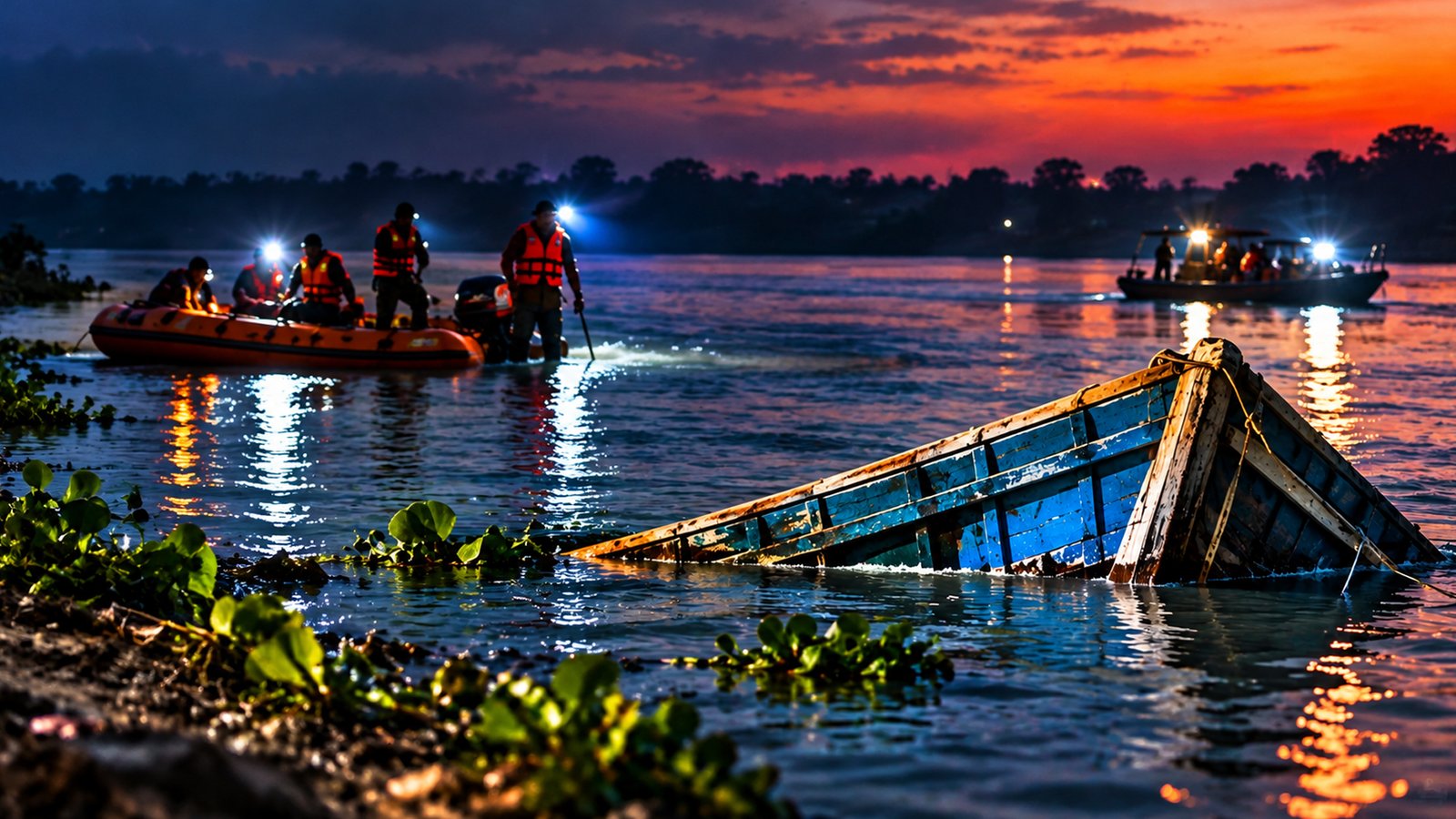
Nepal’s rescue operation entered its third day on Friday, but difficult terrain and damaged infrastructure have slowed the search.
Nepal Police said 469 bodies had been recovered from eight districts, with the highest number recorded in Chitwan at 178. Nawalparasi East reported 110 deaths, followed by Gorkha with 44, Nuwakot with 37, Dhading with 33, Tanahun with 28, Nawalparasi West with 27 and Rasuwa with 12.
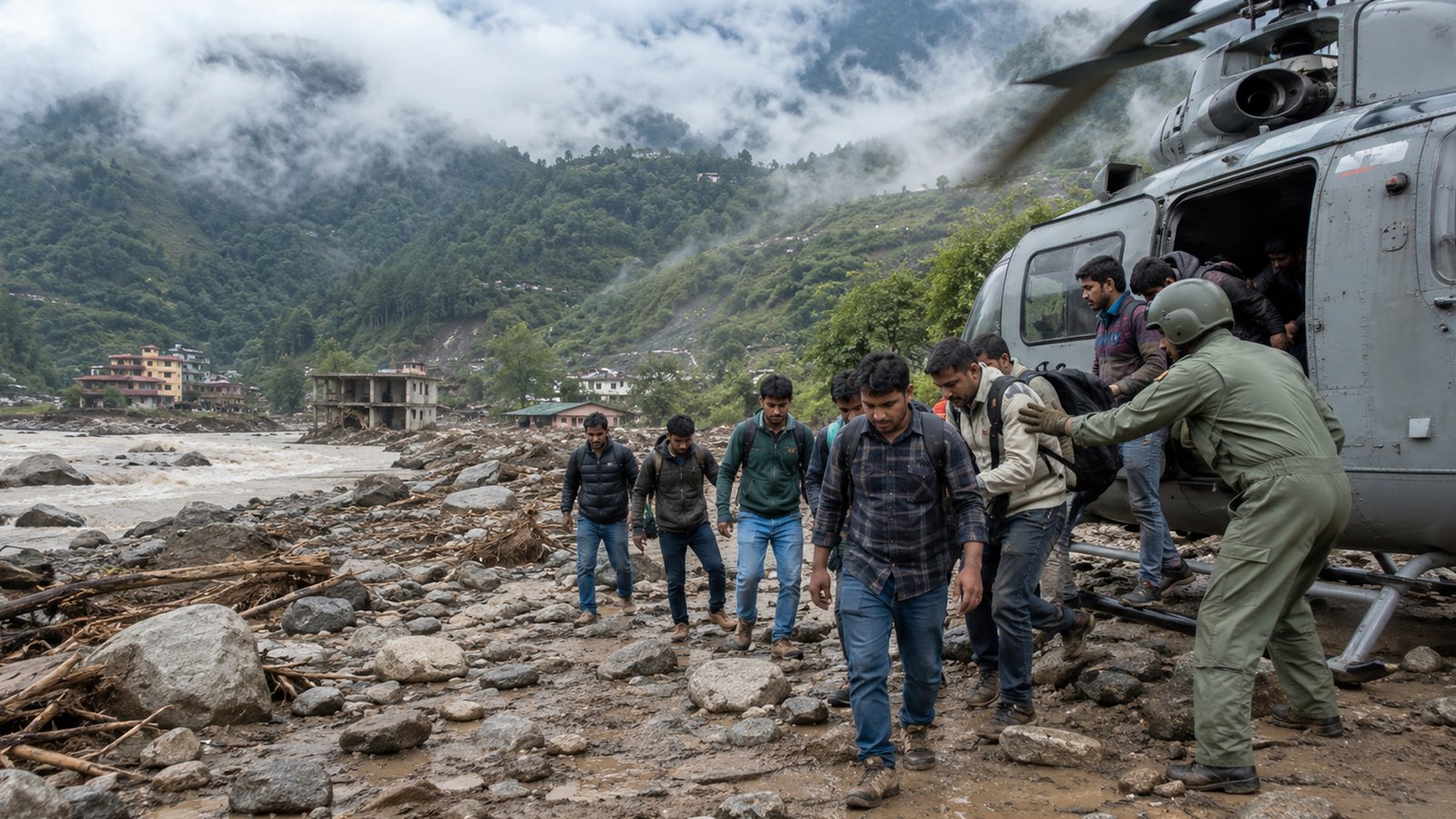
At least 1,545 people have been rescued from the affected areas. Of these, 84 were receiving treatment in hospitals in Kathmandu, according to the latest reports.
The authorities have deployed thousands of security personnel, with helicopters being used to reach isolated areas and evacuate survivors. Search teams are also working along riverbanks and downstream settlements where the flood carried people and debris over long distances.
Thousands remain difficult to trace
The number of missing people remains fluid because Nepal and China are maintaining separate counts.
Nepal’s disaster management authorities reported 977 people out of contact as of Thursday night. Separately, Chinese authorities reported 558 people missing in Tibet, including hundreds of foreign nationals. When figures from both sides are considered together, the number of people unaccounted for is substantially higher.
The disaster has affected residents as well as foreign tourists, pilgrims, workers and people involved in hydropower projects. More than 30 nationalities have been reported among those missing.
The search has been particularly difficult because the flood destroyed or damaged roads and bridges, while some areas remain covered by thick layers of mud and debris.
Close to 288 Indians remain uncontactable
The disaster has also triggered an urgent effort by India to trace its citizens in Nepal.
The Ministry of External Affairs said 288 Indian nationals remained uncontactable. They include workers at the Trishuli-1 hydropower project, groups travelling for the Kailash Mansarovar pilgrimage and other Indians who were in the affected border areas.
MEA spokesperson Randhir Jaiswal said the 288 people included 73 Indians working on the Trishuli-1 project, two Tamil Nadu groups of 37 and 49 people travelling for the pilgrimage, 32 people from West Bengal who were in Timure in Rasuwa district and 33 Indians from Kerala.
India has also been told that around 200 Indian nationals are stranded on the Chinese side and have sought assistance. The Indian government is coordinating with Nepal, China and other agencies to establish their whereabouts and arrange help.
At least 21 Indian nationals from Tamil Nadu have been rescued, with arrangements being made to bring them to Kathmandu. India has also stepped up humanitarian assistance and disaster-relief support for Nepal.
What triggered the devastating floods?
The catastrophe began on Wednesday after what authorities and experts believe was a glacial collapse or ice-rock avalanche near the Nepal-Tibet border.
A huge volume of ice, rock and water rushed downstream, creating a destructive flash flood that travelled through the Bhote Koshi and Trishuli river systems. The surge swept through settlements and infrastructure, leaving a trail of destruction across a large area.
The disaster has also raised concerns about the growing vulnerability of Himalayan communities to glacial instability and climate-related hazards.
Magnitude-5 earthquake hits Tibet
Adding to the anxiety, a magnitude-5 earthquake struck northern Tibet on Thursday, a day after the devastating floods.
The earthquake was recorded at a depth of around 10 kilometres and occurred hundreds of kilometres north of the flood-hit area. Geological monitoring agencies reported the tremor, but there is no established evidence that the earthquake caused Wednesday’s flood.
Experts continue to attribute the flooding primarily to the glacial collapse and resulting ice-rock avalanche. The earthquake, however, adds another natural hazard to an already unstable Himalayan region.
India and Nepal race against time
The priority that tops in Nepal is to continue searching for those still missing while protecting survivors from a possible second flood.
The latest warning has forced rescue teams to be more cautious, particularly around rivers and unstable slopes. Chinese teams have also moved personnel and equipment away from areas considered vulnerable to a lake breach.
Authorities are monitoring the water level and the upstream blockage closely. Engineers are conducting aerial surveys and modelling the lake to assess how much water it could hold and what could happen if the natural barrier collapses.
As scores of families await for news of missing relatives, the situation remains deeply uncertain. Rescue teams are continuing their work wherever conditions permit, while governments on both sides of the border try to account for those still untraceable.
The disaster has already become one of the region’s most devastating recent flood emergencies. With water continuing to build behind an unstable natural barrier, authorities are now racing not only to find survivors but also to prevent a second catastrophe.