A 48-year-old British man has become the first patient in the world to undergo brain tumour surgery in which artificial intelligence was used to assist neurosurgeons in real time, marking a significant step forward in the use of AI in healthcare.
The pioneering operation was carried out at the National Hospital for Neurology and Neurosurgery (NHNN), part of University College London Hospitals NHS Foundation Trust, in London. The procedure involved the removal of a small tumour from the pituitary gland, an area of the brain where even a tiny surgical error can damage the nerves responsible for vision.
The patient, Rhys Hibbert from Bedfordshire, had an approximately 11mm tumour discovered after he unexpectedly collapsed and suffered a seizure while out walking in December 2024. Although the seizure was his first, subsequent tests revealed the growth on his pituitary gland.
His condition later became more serious. He developed hormonal problems and worsening peripheral vision, at one point needing walking sticks because he repeatedly tripped after losing part of his field of view. Doctors warned that without treatment, the tumour could eventually have caused severe visual damage or blindness.
What made his surgery different was the way the AI system was used inside the operating theatre. Instead of relying only on scans taken before surgery, the technology analysed the live video coming from the surgical camera during the procedure.
The system was trained to recognise important anatomical structures, surgical instruments and interactions between instruments and tissue. During the operation, it helped identify sensitive areas that surgeons needed to avoid while removing the tumour.
The technology effectively acted as an additional set of eyes for the surgical team. It could highlight critical structures around the tumour, including blood vessels and nerves linked to vision. This was particularly important because the pituitary gland, blood vessels and optic nerves are located extremely close together at the base of the brain. A difference of just a few millimetres can have serious consequences, including blindness, stroke or even death.
Importantly, the AI did not perform the surgery independently. The neurosurgeon remained responsible for decisions and controlled the operation. The artificial intelligence system provided real-time information intended to help the surgical team recognise anatomy and reduce the risk of damaging vital structures.
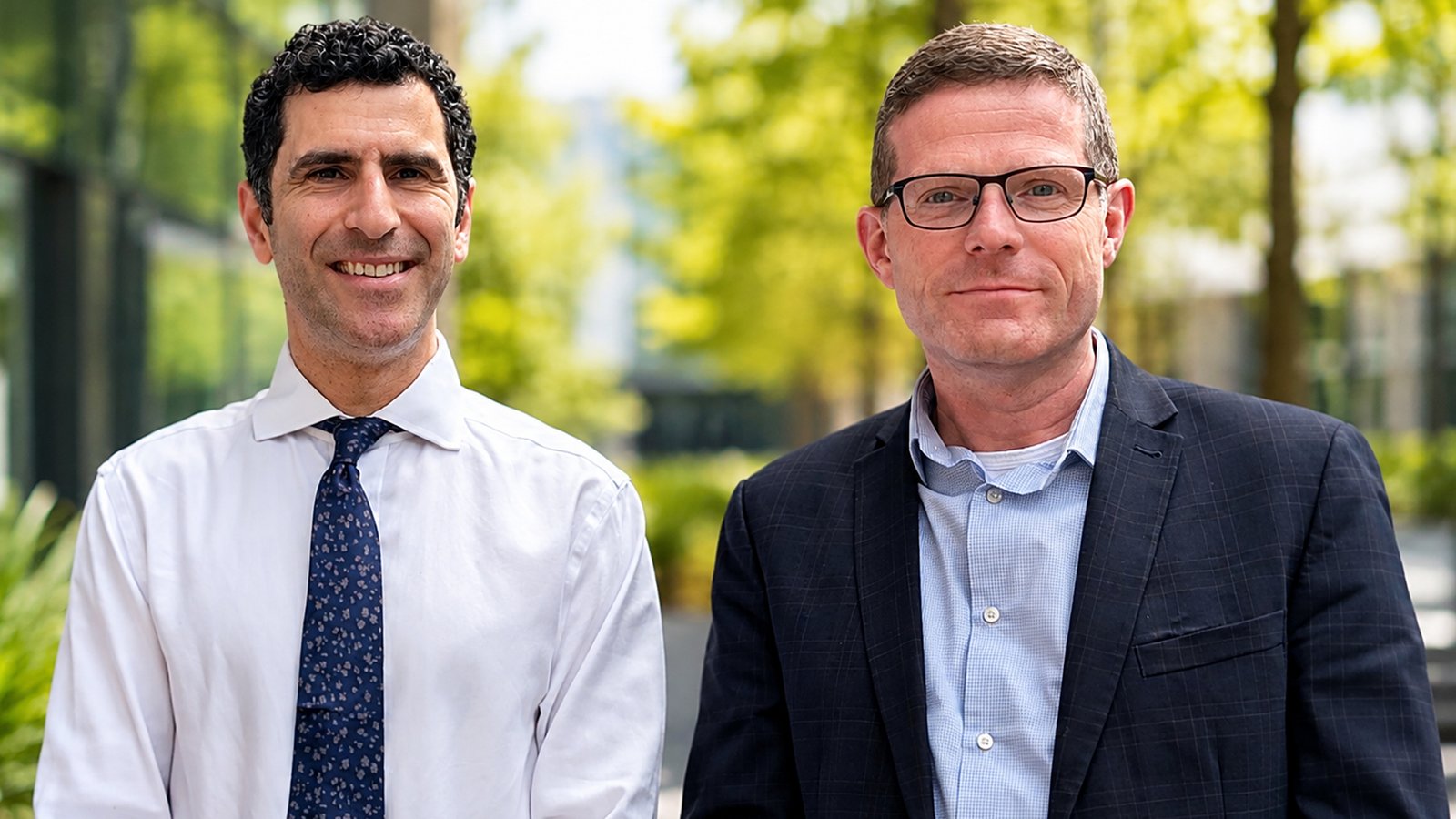
Consultant neurosurgeon Professor Hani Marcus performed the procedure alongside Danyal Khan, who is a neurosurgical resident and researcher involved in the project. The operation was conducted as part of a clinical trial examining how AI can support surgeons during complex procedures.
The technology has already made a tangible difference for Hibbert as his tumour was successfully removed, and his eyesight was protected. After the surgery, he reported a dramatic improvement in his eyesight after waking from the operation. Within a week, he was walking independently without the glasses or walking sticks he had previously needed.
He is now recovering at home and gradually increasing his physical activity. His experience has also highlighted the human side of medical research: he volunteered to become the first patient to undergo the procedure because he believed patient participation was essential for developing new treatments and technologies.
The AI technology was developed by researchers at University College London (UCL) through the UCL Hawkes Institute, which brings together specialists in engineering, artificial intelligence and healthcare technology. The system runs on an NVIDIA Clara IGX platform designed for real-time AI applications in medical environments.
Researchers trained the system using hundreds of previously recorded and annotated videos of endoscopic pituitary surgery. This allowed the AI to learn how critical anatomical structures appear during different stages of an operation.
Dr Sophia Bano, the technical lead for the project, said the system had been exposed to a wide range of surgical examples through these videos. The aim is not to replace surgeons but to provide them with additional information at moments when decisions have to be made quickly and with extreme precision.
The technology had previously been tested as a surgical training tool. Its use during a real operation represents an important transition from research and education into clinical application.
The project was funded through the UK’s National Institute for Health and Care Research (NIHR) and Google, with additional support from the NIHR Biomedical Research Centre at UCLH, the Royal College of Surgeons, the Engineering and Physical Sciences Research Council and Wellcome.
The London procedure comes as hospitals and researchers around the world explore how artificial intelligence in medicine can improve diagnosis, treatment and surgical decision-making. AI is already being studied for medical imaging, disease detection, surgical training and robotic assistance. However, applying the technology directly during an operation is considerably more challenging because the system must interpret rapidly changing visual information while surgeons work around delicate human tissue.
The UCL team is now looking beyond this first procedure. Future versions of the system could potentially identify surgical instruments, monitor how instruments interact with tissue and provide more detailed feedback during operations.
Researchers are also interested in expanding AI-assisted neurosurgery to other complex procedures. UCL’s digital surgery programme is already investigating AI systems that can recognise surgical steps, identify instruments and detect important anatomical structures during endoscopic pituitary surgery.
The development also comes with an important safety message. AI may be capable of processing enormous amounts of surgical information quickly, but it is not being positioned as a replacement for trained medical professionals. Human oversight remains central, particularly when decisions involve irreversible consequences.
The operation therefore represents more than a technological demonstration. It shows how AI-assisted surgery could gradually become a practical tool for doctors, providing real-time guidance during some of the most difficult medical procedures.
As hospitals continue to test such systems, the London operation could become an early example of how artificial intelligence and human expertise can work together inside the operating theatre — with the surgeon still firmly in control.