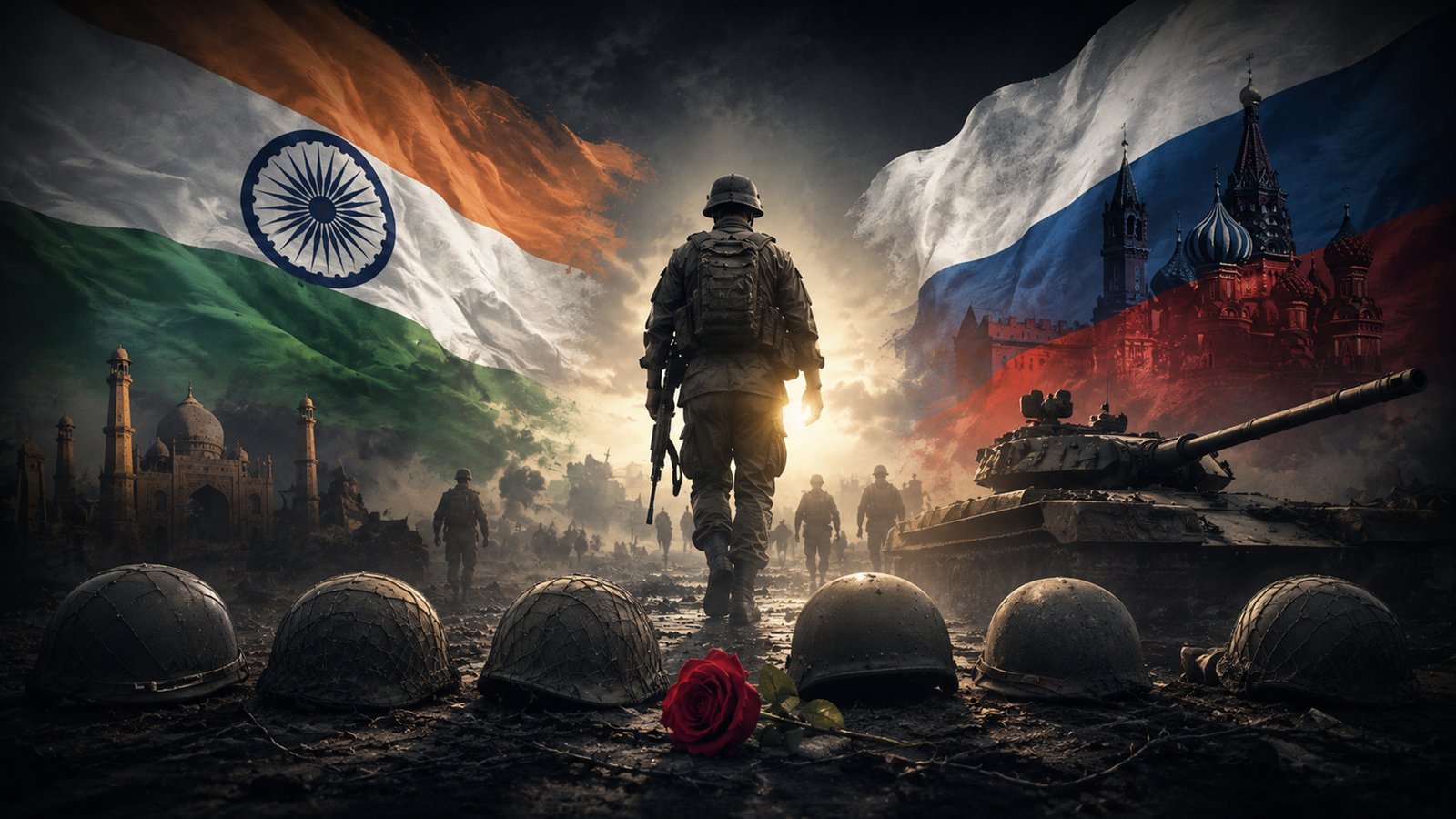
India has said 51 of the 227 Indian nationals recruited into the Russian armed forces have been killed, while 139 have been discharged from service. New Delhi is continuing talks with Moscow to secure the release and return of Indians who are still serving in the Russian military.
Foreign Secretary Vikram Misri disclosed the latest figures on August 31, saying the government remains in touch with Russian authorities over the cases. The issue has been repeatedly raised with Moscow as India works to bring back nationals who were recruited into the Russian Army.
The figures highlight the serious risks faced by Indians who entered the Russian military system while the Russia-Ukraine war continues. Those recruited have been exposed to the dangers of a conflict that has been ongoing since Russia launched its full-scale invasion of Ukraine in February 2022.
Of the 227 Indian nationals identified by the government, 139 have so far been discharged. However, 51 have died, leaving the fate and status of the remaining recruits a matter of continued diplomatic engagement between India and Russia.
Misri said India is pursuing the matter with the Russian side and seeking the release of those who remain in military service. Indian diplomatic officials are also working with Russian authorities to verify information and facilitate the return of discharged personnel.
The latest figures represent an increase in the number of reported deaths compared with figures shared by the Ministry of External Affairs earlier. In December 2025, the government had said 26 Indians serving in the Russian armed forces had died, while 119 had been discharged.
The increase has renewed concerns about the circumstances in which Indian nationals were recruited and subsequently sent into military service. The Indian government has previously said that several nationals were misled or recruited through agents who offered them employment or other opportunities in Russia.
The issue has affected families across India, many of whom have faced uncertainty over the whereabouts and status of relatives who travelled to Russia. Some families have sought government intervention after learning that their relatives had been pushed into military-related roles.
For those who have been discharged, the immediate priority has been returning home. For families of those killed, establishing the circumstances of their deaths and securing documentation and other formalities can be equally important.
India has been raising these cases with Russia through diplomatic channels. The government has also been urging Russian authorities to ensure that Indian nationals who were recruited into the armed forces are released from their contracts and allowed to return.
The issue has become particularly significant because of India’s close relationship with Russia. The two countries maintain long-standing ties in areas such as defence, energy, trade and strategic cooperation. At the same time, India has consistently maintained that the Russia-Ukraine conflict should be resolved through dialogue and diplomacy.
Prime Minister Narendra Modi has repeatedly conveyed India’s position to Russian President Vladimir Putin. During their recent interaction on the sidelines of the Shanghai Cooperation Organisation summit in Bishkek, Modi stressed the need for an end to the conflict and highlighted the human cost of the war.
India’s position on the war has involved maintaining relations with both Russia and Ukraine while encouraging negotiations. New Delhi has avoided directly aligning itself with either side and has repeatedly called for a peaceful resolution.
The presence of Indian nationals in the Russian military has added a separate humanitarian concern to India’s engagement with Moscow. While defence cooperation remains an important part of bilateral ties, New Delhi has made the safety of its citizens a priority.
The government has previously warned Indians against being recruited into the Russian armed forces. Indian nationals seeking employment abroad have also been advised to carefully verify job offers and recruitment arrangements, particularly when intermediaries promise unusually attractive opportunities.
The latest figures underline how quickly such recruitment can turn dangerous when it involves a country engaged in an active war. What may begin as an overseas employment opportunity can potentially result in military deployment and exposure to frontline combat.
With 51 Indians reported dead and 139 already discharged, attention is now focused on those who remain. India is expected to continue its engagement with Moscow until the outstanding cases are resolved and the remaining Indian nationals are released.