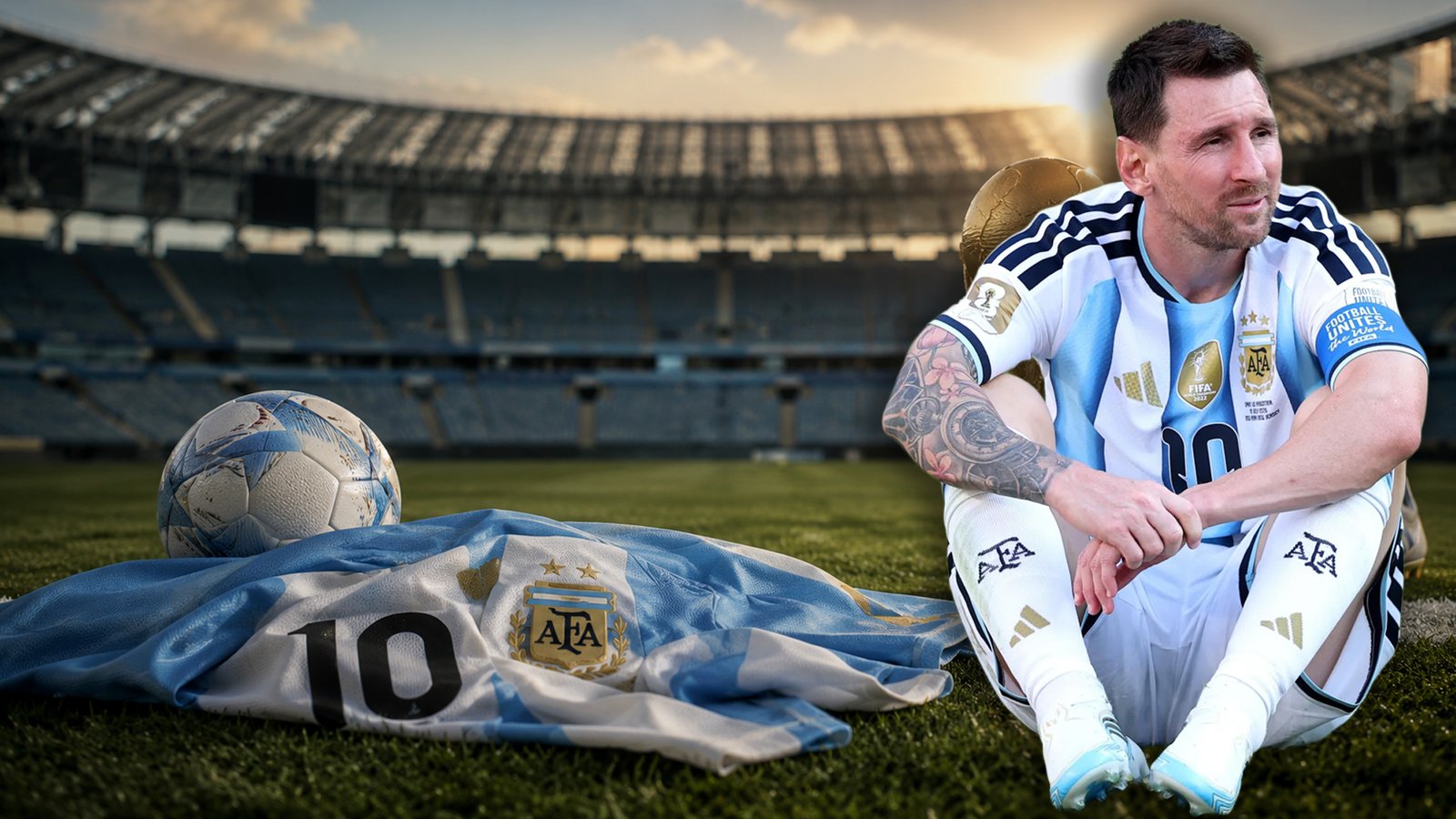
Lionel Messi has said goodbye to the Argentina national team, bringing down the curtain on one of the greatest international careers in football history.
The 39-year-old announced his retirement from international football on August 31, seven weeks after Argentina lost the 2026 FIFA World Cup final to Spain. For a player who spent more than two decades carrying Argentina’s hopes, the decision marks the end of an era.
Messi shared the news in an emotional message on Instagram. He said the decision was painful but that he believed the time had come to step away. He also reflected on the years he spent wearing the Argentina shirt, insisting that he had always given everything he had for his country.
His final match for Argentina came in the World Cup final on July 19. Argentina lost 1-0 to Spain after extra time, missing the chance to defend the World Cup title Messi had helped them win in Qatar four years earlier.
The defeat was a difficult ending, but it cannot overshadow what Messi achieved with Argentina. He leaves as the country’s most-capped player and all-time leading scorer, with 207 appearances and 125 goals. He also won the Ballon d’Or eight times during his career.
Messi’s Argentina story was not always filled with celebrations.
When he made his senior international debut in 2005, expectations were enormous. He was already being compared with Diego Maradona, another Argentine football icon whose World Cup triumph had become part of the country’s sporting identity.
For years, Messi struggled to produce the same success for Argentina that he enjoyed at club level. He reached the 2014 World Cup final, but Argentina lost to Germany. Two more painful defeats followed in the 2015 and 2016 Copa América finals.
After the 2016 Copa América final loss to Chile, Messi briefly announced his international retirement. He was only 29 at the time. The decision lasted only a short while, however, and he returned to Argentina duty.
That comeback changed the direction of his international career.
In 2021, Messi finally lifted a major senior trophy with Argentina when the team defeated Brazil in the Copa América final. It was the breakthrough he and the country had been waiting for.
A year later came the defining moment.
Argentina defeated France on penalties in a thrilling 2022 FIFA World Cup final in Qatar, with Messi scoring twice during the match and converting his penalty in the shootout. He finally had the World Cup trophy that had eluded him throughout his career.
For many Argentine fans, the victory also settled the long-running debate over Messi’s place alongside Maradona. The player who had once been criticised for failing to win a major international title had now led his country to football’s biggest prize.
Messi did not stop there. Argentina won the Copa América again in 2024, further strengthening a period of dominance for the national team. The Finalissima title in 2022 also added to his international honours.
By the time Messi entered the 2026 World Cup, he was no longer simply Argentina’s star player. He was the team’s captain, leader and emotional reference point.
Argentina reached the final once again, giving Messi the opportunity to finish his international career with another World Cup victory. Spain, however, ended those hopes with a 1-0 extra-time win.
Messi’s decision to retire came after considerable reflection. He revealed that he had written his retirement message shortly after the World Cup final and later said the death of his father, Jorge Messi, earlier in August made him even more certain about stepping away.
His departure leaves Argentina facing a major transition. Younger players will now be expected to take on greater responsibility, but replacing Messi will be about much more than finding another goalscorer.
For more than 20 years, the Argentina No. 10 shaped the team’s attacking play. His passing, vision, movement and ability to decide matches made him the focal point of generations of Argentine sides.
There will inevitably be questions about who can fill that role. But Argentina’s next generation will also have the benefit of playing in a team that Messi helped transform from one that repeatedly suffered in major finals into a side capable of winning the biggest trophies.
Importantly, Messi’s retirement applies to international football. He has not announced the end of his club career and continues to play for Inter Miami in Major League Soccer.
His decision will still feel like the end of something much bigger for Argentina fans.
Messi’s international career began when he was a teenager and ended at 39. In between came disappointment, criticism, tears, redemption and unforgettable victories.
He leaves Argentina with a World Cup, two Copa América titles, a Finalissima trophy and a collection of records that may stand for years.
Most importantly, he leaves after finally giving Argentine supporters what they had wanted from him for so long.
The boy from Rosario arrived on the international stage carrying enormous expectations. More than two decades later, he leaves as one of Argentina’s greatest sporting figures.
His final night in an Argentina shirt ended in defeat. But the story of Lionel Messi and Argentina will ultimately be remembered not for that final loss, but for everything that came before it.