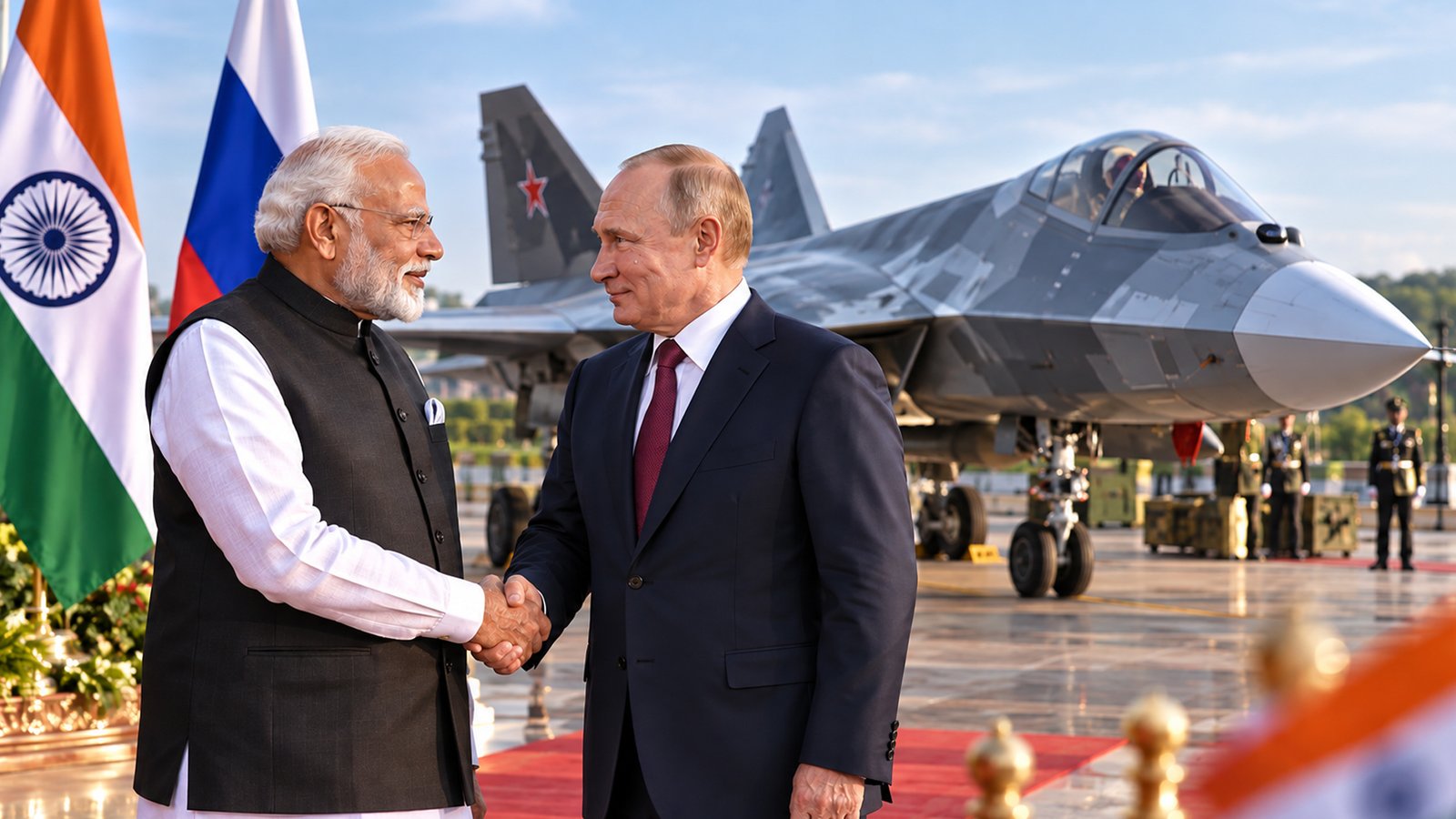
Prime Minister Narendra Modi and Russian President Vladimir Putin are set to hold bilateral talks in New Delhi on Friday, ahead of the BRICS summit. The meeting is expected to focus on strengthening the long-standing India-Russia partnership, with defence, energy, trade and economic cooperation likely to dominate the discussions.
Putin’s visit is significant as it will be his first participation in a BRICS summit in India since the Russia-Ukraine war began in February 2022. The Russian president is expected to arrive in New Delhi for the summit, which India is hosting as part of its BRICS chairship. The wider grouping is also looking to expand cooperation in areas such as trade, technology, health, agriculture and digital development.
The PM Modi-Putin meeting is likely to provide an opportunity for both sides to review the progress of their strategic partnership and discuss new areas of cooperation. Defence and energy are expected to be among the most important issues on the table, while the two leaders are also likely to look at ways to increase bilateral trade and investment.
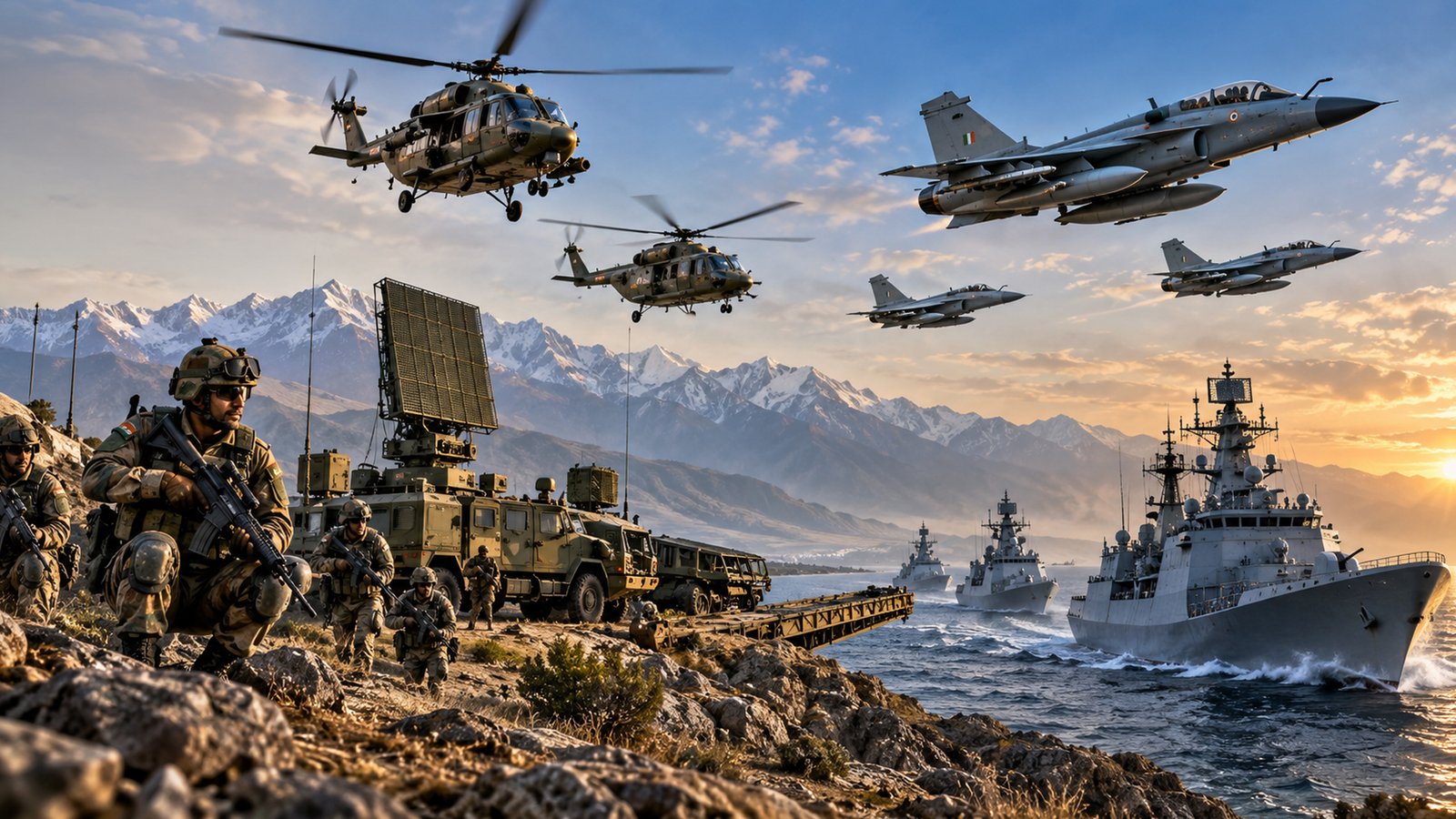
Defence has traditionally been one of the strongest pillars of India-Russia relations. The two countries have worked together for decades on military equipment, technology and production. Discussions this time could include further defence cooperation, technology transfer and possible collaboration around advanced military platforms. India’s reported interest in the Russian Su-57 fifth-generation fighter aircraft is also expected to draw attention.
The talks come at a time when India is seeking to strengthen domestic defence manufacturing while continuing to maintain access to advanced military technology. Greater technology transfer and joint production could therefore be important areas for New Delhi.
Energy is another major part of the relationship. Russian crude oil has become increasingly important to India’s energy security in recent years, with Indian refiners purchasing large volumes of Russian oil. The two sides are expected to discuss the future of energy cooperation as global oil markets remain unsettled and Western pressure on countries buying Russian energy continues.
Russia has strongly criticised recent US measures targeting countries importing Russian oil, describing the tariffs as unacceptable. The issue adds another layer to the wider geopolitical environment in which India is managing its relationship with Moscow while maintaining close ties with the United States and other Western partners.
The economic relationship is also changing. While energy remains central to India-Russia trade, both countries are looking to expand cooperation into new sectors. Areas such as pharmaceuticals, agriculture, manufacturing, technology and critical minerals could receive greater attention.
Rare earth minerals are emerging as an important area of potential cooperation. Russia has significant reserves and capabilities in the sector, while India is looking to strengthen its supply chains for minerals that are increasingly important for electronics, electric vehicles, renewable energy and advanced manufacturing.
The two countries are also exploring ways to make bilateral trade smoother by increasing the use of national currencies and reducing dependence on traditional payment channels. Russia has indicated that a large share of its international trade is already being settled in local currencies. This could help India and Russia manage some of the difficulties created by Western sanctions and restrictions on financial transactions involving Russia.
Trade has grown sharply in recent years, largely because of India’s increased imports of Russian crude oil. However, the imbalance in bilateral trade has also become a concern for New Delhi. India has been looking for ways to increase its exports to Russia and encourage greater Russian investment in India.
Indian companies are also showing interest in the Russian market, while Moscow has indicated that it wants more Indian investment. Expanding business links could therefore become an important part of the economic discussions between Modi and Putin.
The Ukraine conflict is likely to remain part of the broader geopolitical discussion, even if it is not the central focus of the bilateral meeting. India has consistently called for dialogue and diplomacy to resolve the conflict and has maintained communication with both Russia and Western countries.
The timing of Putin’s visit is particularly important because the global environment around Russia is changing. US President Donald Trump spoke with Putin on Tuesday and discussed efforts to end the Ukraine war and restore US-Russia economic relations. The development could influence the broader diplomatic environment around Putin’s India visit.
Maintaining the strategic relationship with Moscow remains important for India while it continues to deepen partnerships with the US, Europe, Japan and other countries. The PM Modi-Putin meeting is therefore expected to reflect India’s broader approach of maintaining strategic autonomy and engaging with multiple major powers.
The discussions will also take place against the backdrop of the BRICS summit in New Delhi, where India is seeking greater cooperation among emerging economies. For India, the summit provides an opportunity to push issues such as trade, technology, energy security and financial cooperation while strengthening its role within the expanded BRICS grouping.
The PM Modi-Putin meeting is consequently more than a routine bilateral engagement. Defence remains a key pillar, but the relationship is increasingly moving into areas such as energy security, investment, critical minerals, technology and trade.
With both countries facing a rapidly changing global environment, Friday’s talks could help set the direction for the next phase of India-Russia relations, while also providing a platform for the two leaders to discuss major regional and international developments.