Iran’s Supreme Leader Mojtaba Khamenei was reportedly pulled from the rubble of a Tehran hospital after the facility was hit during US and Israeli strikes, according to an Iranian cleric. The claim has added fresh uncertainty around the health and whereabouts of the 56-year-old leader, who has largely remained out of public view since taking office.
Mohsen Heydari, a member of Iran’s Assembly of Experts, made the claim in an interview with Qatari television channel Al Araby. He said Khamenei had first been wounded during the February 28 attacks that killed his father, Ayatollah Ali Khamenei, and was subsequently taken to a hospital in Tehran.
According to Heydari, the hospital where Khamenei was being treated was later struck. He said three hospitals in the Iranian capital came under attack and that Khamenei was inside the third facility when it was hit.
“Mojtaba Khamenei was in the third hospital and was pulled from the rubble,” Heydari said, according to reports citing his interview.
The account has not been independently verified. The US, Israel and the Iranian government have not confirmed that Khamenei was inside the hospital when it was struck or that he was rescued from the rubble. Khamenei has also not appeared publicly since the reported attacks, leaving significant gaps in the public record about his condition.
The latest claim comes amid sharply different accounts of the Iranian leader’s health.
US intelligence assessments have reportedly indicated that Khamenei suffered serious injuries during the opening phase of the conflict. US President Donald Trump has also said he believes Khamenei is alive but was badly wounded. In earlier remarks, Trump said the left side of Khamenei’s body had suffered severe injuries.
Iranian officials have offered a different picture.
Iranian President Masoud Pezeshkian said recently that Khamenei is “completely healthy”. Pezeshkian said he had met the supreme leader twice, with one meeting lasting more than seven hours. He also rejected suggestions that Khamenei was unable to carry out his duties because of injuries.
The contrasting accounts have kept attention focused on Khamenei’s health at a time when Iran remains engaged in a major conflict with the United States and Israel.
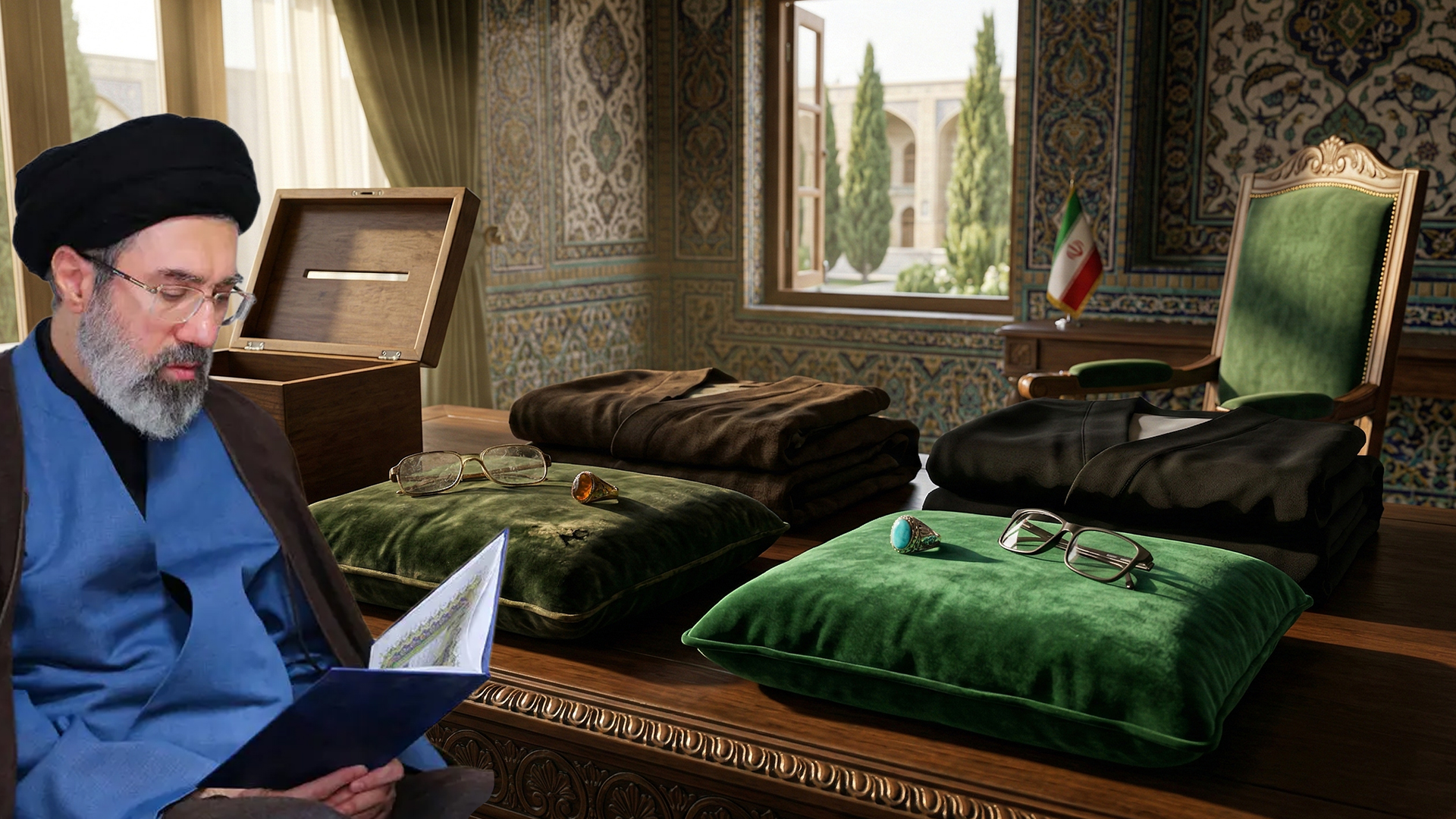
Mojtaba Khamenei became Iran’s supreme leader on March 8, following the death of his father in the February 28 strikes.
Heydari also provided details about the selection process. He claimed that Mojtaba Khamenei himself did not know he had been chosen until the decision was announced on Iranian state television.
The Assembly of Experts, the body responsible for selecting Iran’s supreme leader, was itself affected by the conflict. Its secretariat in Qom was reportedly hit, with casualties and damage to documents linked to the leadership selection process.
Heydari said members later recorded their votes and met privately to make the decision. According to his account, Khamenei received 50 of the 59 votes cast. Eight members supported Ayatollah Alireza Arafi, while one member abstained.
Before becoming supreme leader, Mojtaba Khamenei had not held a formal senior political position in the Iranian government. He was, however, known to have been close to his father and was described as an influential figure within Iran’s clerical establishment.
His rise to the country’s highest religious and political office therefore took place under extraordinary circumstances, with Iran facing sustained military pressure and major disruption to its leadership structures.
The biggest unanswered question remains Khamenei’s current location.
According to reports citing Heydari’s account, Khamenei was moved to an undisclosed location after being rescued from the damaged hospital. There has been no recent public appearance that independently establishes his condition or whereabouts.
The absence of public information has created space for competing accounts about the Iranian leadership. While US assessments have pointed to serious injuries, Iranian officials have said Khamenei remains healthy enough to lead the country.
The latest hospital claim does not resolve that dispute. Instead, it adds another account to an already conflicting picture.
The uncertainty surrounding Khamenei comes as the Iran-US conflict continues to dominate the Middle East security landscape.
The February 28 strikes killed Ayatollah Ali Khamenei and several other senior Iranian figures, according to reports. The attacks triggered a leadership transition in Tehran, with Mojtaba Khamenei subsequently taking over as supreme leader.
His reported injuries and continued absence from public view have since become closely watched developments because the supreme leader holds a central role in Iran’s political, religious and military decision-making system.
The latest claim also highlights the difficulty of independently verifying developments inside Iran during wartime. Information about military strikes, senior officials and casualties is often released through official statements or politically aligned sources, making independent confirmation difficult.