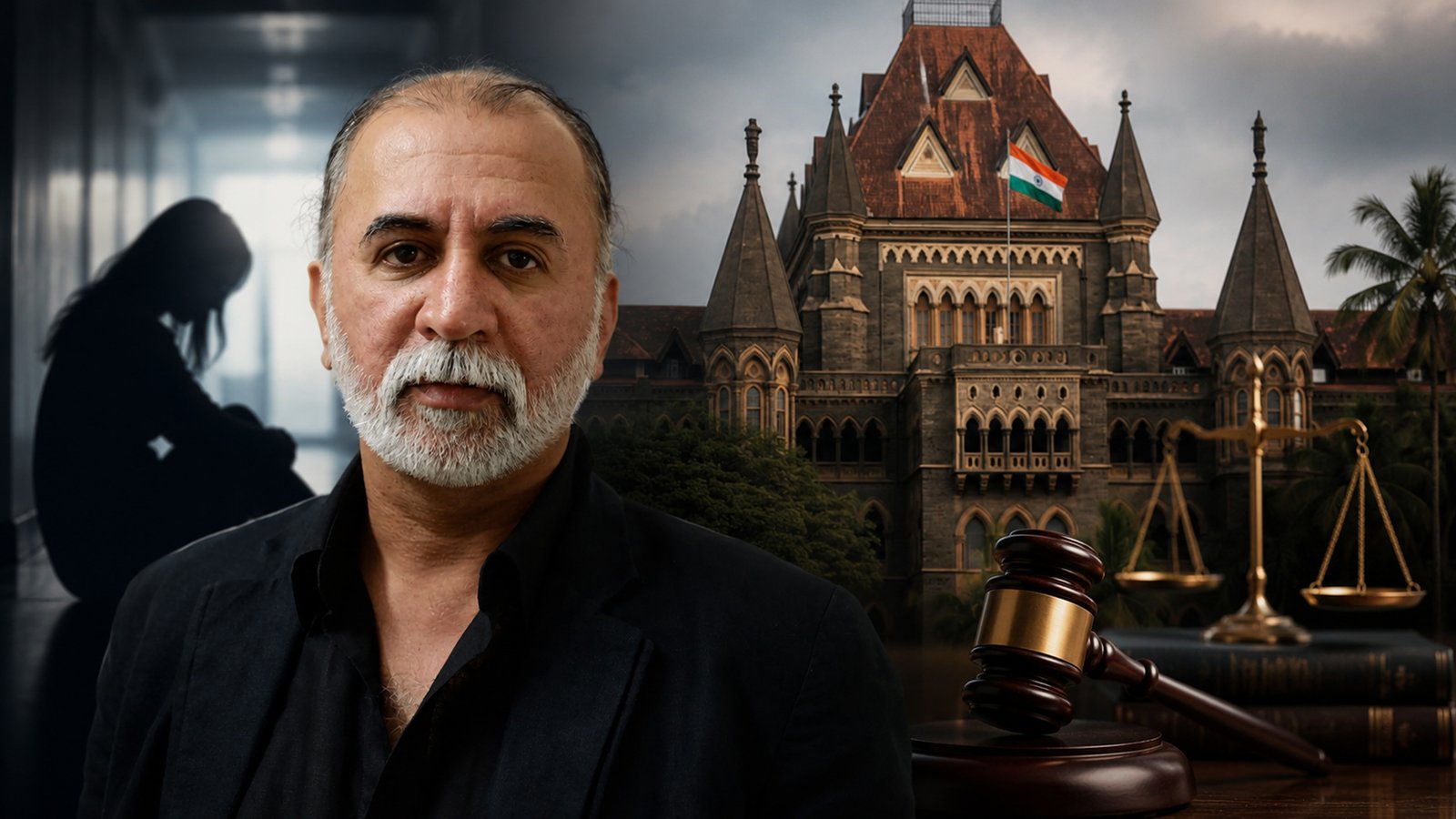
The Bombay High Court on Thursday convicted former Tehelka editor-in-chief Tarun Tejpal in the 2013 rape case involving a former junior colleague, overturning his acquittal by a Goa trial court five years ago. The verdict brings a major turn in a case that has remained in the spotlight for more than 13 years.
A division bench of the Bombay High Court at Goa set aside the 2021 judgment of the sessions court that had acquitted Tejpal of the charges. The High Court found him guilty of rape and outraging the modesty of the woman. The case had been closely watched because of the senior journalist’s position of authority at the time and the questions it raised about workplace safety and accountability.
The case dates back to November 2013, when the woman, who worked with Tehelka, accused Tejpal of sexually assaulting her inside a hotel elevator in Goa during an event organised by the magazine. The allegations triggered a major controversy in the Indian media industry and led to Tejpal stepping down as editor-in-chief of Tehelka.
Tejpal was arrested later that month as the Goa Police investigated the allegations. A chargesheet was subsequently filed, and the case went through years of legal proceedings before the trial finally concluded.
In May 2021, a Goa sessions court acquitted Tejpal of all charges. The trial court’s findings attracted considerable public and legal debate, particularly because of its assessment of the survivor’s conduct and testimony. The Goa government challenged that acquittal before the Bombay High Court.
The state’s appeal became the focus of extensive hearings before the High Court this year. During those proceedings, the Goa government argued that the trial court had made serious errors while assessing the evidence and had placed undue emphasis on the survivor’s behaviour.
Solicitor General Tushar Mehta, representing the Goa government, argued before the High Court that the trial court had effectively scrutinised the survivor as though she herself were on trial. The state also questioned the manner in which the lower court assessed her conduct, including issues unrelated to whether the alleged sexual assault had taken place.
The High Court had also expressed concern during the proceedings over the nature of questions put to the survivor during the trial. The court was told that the defence had been allowed to ask questions that the state considered objectionable and inappropriate in a sexual assault case.
The arguments before the High Court focused on whether the trial court had correctly appreciated the evidence and whether its reasoning in acquitting Tejpal could be sustained in law.
After hearing the appeal, the Bombay High Court overturned the earlier acquittal and convicted Tejpal. The judgment marks the second major verdict in the case and represents a dramatic reversal from the 2021 trial court decision.
The case has also had a long legal history involving multiple courts. It began with the investigation and trial in Goa before moving to the Bombay High Court after the state challenged the acquittal. The proceedings have stretched across more than a decade, making the latest verdict one of the most significant developments in the case since the allegations first emerged.
Following the High Court’s conviction, Tejpal indicated that he would challenge the verdict before the Supreme Court. His legal team is expected to pursue further remedies against the High Court judgment.
The conviction does not end the legal battle. Since the Bombay High Court has now found Tejpal guilty, the next stage will involve the question of sentencing and any further proceedings arising from the verdict.
The case has remained significant beyond the individuals involved. It has repeatedly brought attention to questions of power in workplaces, the handling of sexual harassment complaints and the treatment of survivors during criminal proceedings.
The allegations against Tejpal emerged at a time when conversations around sexual harassment in India’s workplaces were changing rapidly. The case also unfolded around the period when the country was strengthening its legal and institutional response to sexual harassment following the 2013 enactment of the Sexual Harassment of Women at Workplace Act.
For the media industry, the case became particularly sensitive because Tejpal was a prominent editor and the alleged victim was a younger employee working within the same organisation. It raised questions about how organisations should respond when allegations involve senior executives or people in positions of influence.
The latest verdict has once again put those questions in the public spotlight. It also underlines how criminal cases involving sexual offences can take years to move through the judicial system, with evidence and earlier findings being examined at multiple stages.
For the survivor, the case has involved more than a decade of legal proceedings. For Tejpal, the High Court conviction represents a major reversal after his acquittal in 2021 and leaves the case open to further challenge.
The Bombay High Court’s decision is therefore not simply another development in a long-running case. It represents a significant shift in the judicial outcome of one of India’s most closely followed workplace sexual assault cases, while the possibility of an appeal means the legal process is likely to continue.