
The Summaries

12 die in Missouri plane crash
Twelve people, including a pilot and 11 skydivers, were killed when a small aircraft crashed shortly after takeoff in Missouri, US. The plane went down in a field near the airport. Federal authorities have launched an investigation into the accident.

Kolkata airport to shift Bankra mosque
The Airports Authority of India plans to relocate the Bankra Mosque located within Kolkata airport premises. Officials said the move is necessary to comply with aviation safety regulations and support ongoing airport redevelopment, while consultations with community representatives continue.
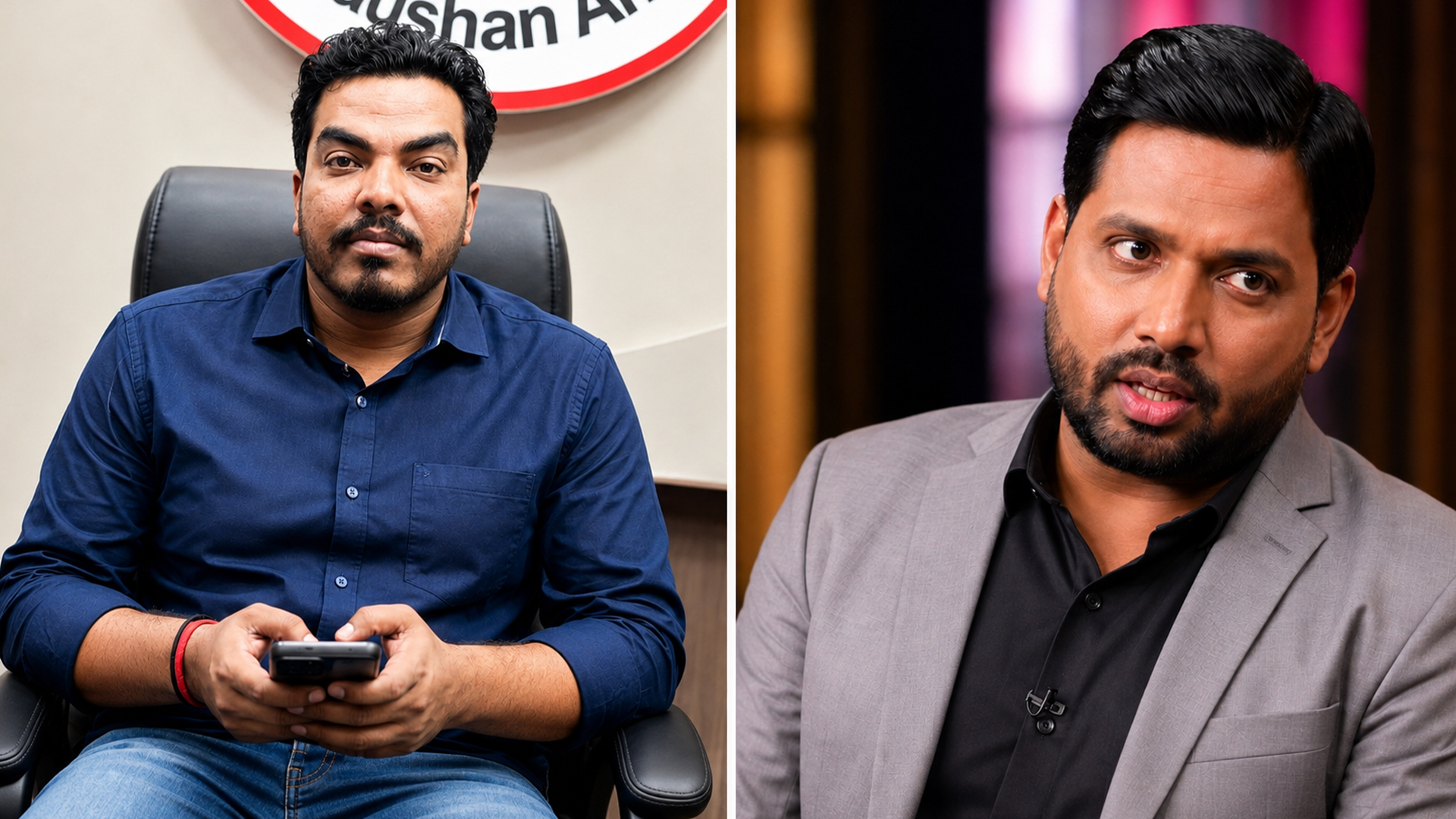
Accused in Khan sir vandalism case dies in Nepal
A man accused in the vandalism case at educator Khan Sir’s coaching institute has died in Nepal. The deceased was the brother of coaching operator Raushan Anand. Authorities are investigating the circumstances of the death, while legal proceedings in the case continue.
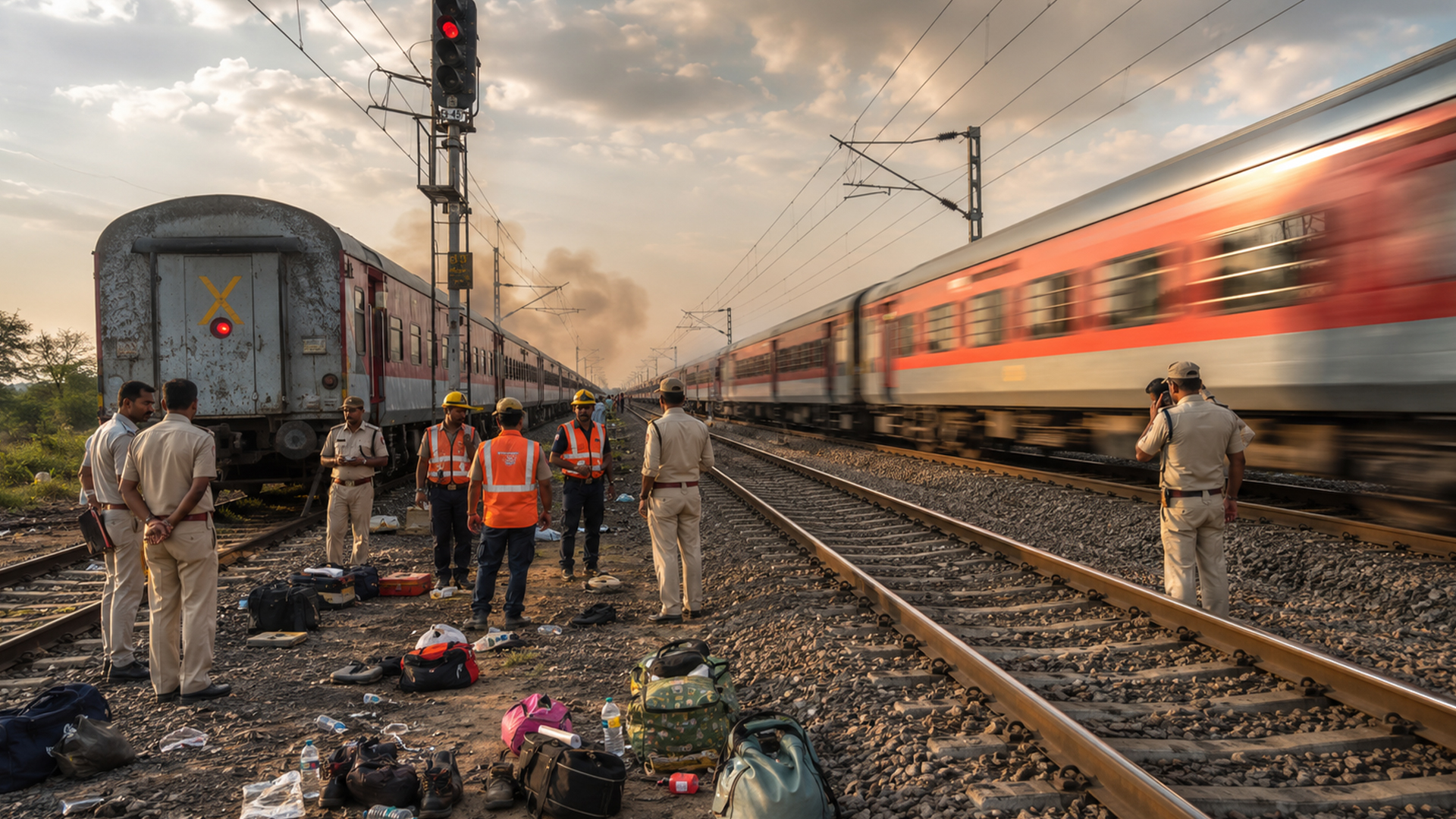
Rumour sparks fatal train accident in MP
Four passengers, including three women and a child, were killed in Madhya Pradesh’s Morena district after jumping from a train following rumours of a fire. They were struck by another train on a nearby track. Authorities have ordered an inquiry.
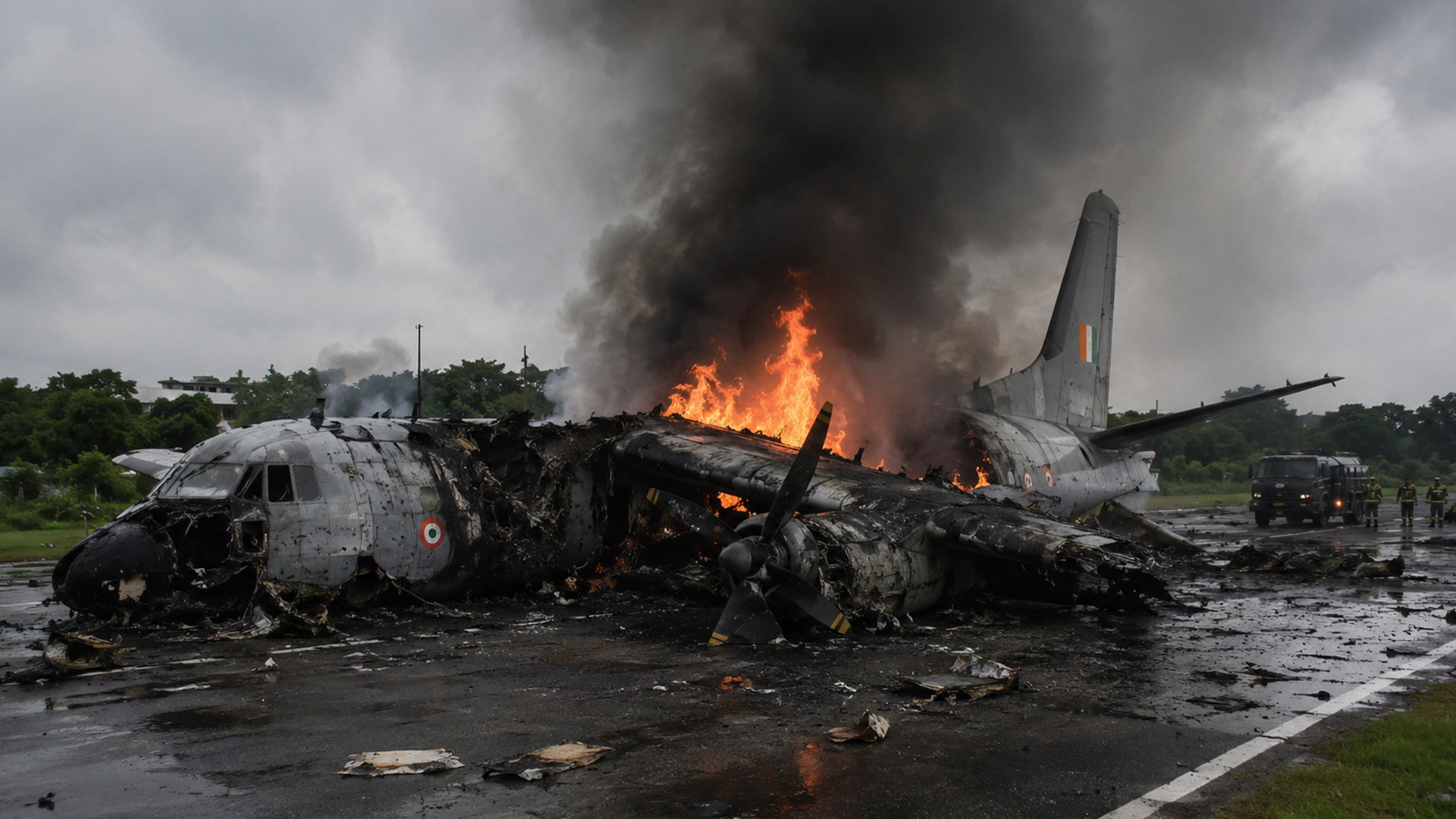
5 killed in IAF AN-32 crash at Jorhat airbase
Five Indian Air Force personnel were killed when an AN-32 transport aircraft crashed while landing at Jorhat Air Force Station in Assam on June 13. A co-pilot survived. The IAF has ordered an inquiry as concerns over the fleet’s safety record resurface.

England, Sri Lanka to open in ICC T20 World Cup
England will kick off the 2026 ICC Women’s T20 World Cup against Sri Lanka at Edgbaston on June 12. Defending champions New Zealand open against West Indies, while India face Pakistan on June 14. The final will be played at Lord’s on July 5.

Quebec lifts intake cap on PEQ applicants
Quebec will not impose an intake cap on applications under the Quebec Experience Program (PEQ). The government said eligible temporary workers and international graduates can continue applying for permanent residency, easing concerns among applicants and immigration advocates over potential restrictions.

Indian shooting legend Jaspal Rana dies at 49
Indian shooting legend Jaspal Rana died at 49, the National Rifle Association of India confirmed. A former world champion and multiple Asian Games gold medallist, Rana was among India’s most successful shooters. Tributes poured in from across the sporting community following his death.

Thai princess dies after three years in coma
Thailand’s Princess Bajrakitiyabha, heir presumptive to the throne, has died after spending more than three years in a coma. The 46-year-old royal collapsed during military dog training in 2022 due to a heart-related condition and never regained consciousness.

Assam, Nagaland sign landmark oil pact
Assam and Nagaland have signed an agreement allowing oil and gas exploration in a disputed border belt, ending decades of deadlock. The Centre hailed the move as a major boost to energy development and inter-state cooperation in the Northeast.

Water cannons deployed as Belfast violence escalates
Police deployed water cannons in Belfast after violent clashes entered a second day. Protesters threw petrol bombs, fireworks and masonry at officers, while vehicles were set on fire. Several police personnel were injured and multiple arrests were made.

12 killed in Johannesburg mass shooting
At least 12 people were killed and nine injured after gunmen opened fire at an informal settlement in Johannesburg, South Africa. Police said the attackers fled after the shooting and a manhunt is underway to identify those responsible and determine the motive.
About This Category
The Format Is the Editorial Argument
The name of this publication is The Summary. This section is where that philosophy is most directly expressed. The Summaries are not abbreviated versions of longer articles. They are complete pieces of journalism — reported, edited, and published at a length that respects both the story and the reader's time. The decision to keep them short is not a constraint. It is a position: that most news can be communicated clearly in 150 words, and that padding it to 600 words rarely improves it.
The editorial discipline required to produce a good summary is different from, and in some ways harder than, writing at length. Every sentence has to do real work. Nothing survives that doesn't belong there.
What Ends Up Here
The range is genuinely broad — and deliberately so. On any given day, The Summaries might carry a Karnataka cabinet resignation, a hospital fire in Bihar, a CBSE policy recommendation, a Kerala toddler death that has triggered public outrage, and a Cockroach Janta Party founder's plans to protest at Jantar Mantar. These are not thematically related stories. They are simply the news, treated with consistent brevity.
That breadth is the point. A reader who follows The Summaries doesn't need to choose a category to monitor. National politics, health research, civic tragedies, civil society, lifestyle news — it all comes through this section at a pace that doesn't require hours of reading to stay current.
The Judgment That Goes Into 150 Words
Selection is where the editorial work happens. Not everything becomes a Summary. Stories make it here when the core fact is clear, the significance is demonstrable, and the full picture can be honestly conveyed at short length without stripping context that the reader actually needs. A story like the Muzaffarpur hospital fire — four lives lost, a state inquiry ordered, families to be compensated — can be told completely in under two minutes. Stretching it doesn't add information; it adds length.
Some stories don't work as summaries because the context is too dense to compress responsibly. Those go elsewhere on the site. The Summaries is not a catchall; it's a format with specific requirements, and not every story meets them.
A Different Kind of Archive
Over time, The Summaries has become a reliable daily record of what happened in India and across the world — told concisely, sourced from official announcements and credible reporting, and published without the delay that often accompanies longer-form analysis. Readers who have followed the section consistently say it functions as a news briefing they can consume in a single sitting. That is more or less exactly what it was designed to do.
Frequently Asked Questions
Q1. What is The Summaries format and how is it different from other sections?
The Summaries are short, complete news pieces — typically under 150 words — covering a single event or development clearly and accurately. Unlike the full-length articles in sections like National, Business, or Health, these are written to be read in under a minute. The format is intentional: the goal is to report the news completely, not briefly for brevity's sake.
Q2. Does The Summaries cover all topics or only specific beats?
All topics. A single scroll through The Summaries on any given day might include political news, health research, a civic disaster, an education policy decision, and a human interest story. The connective thread is the format, not the subject. Readers who want to stay across multiple beats without tracking several sections will find everything here.
Q3. Are The Summaries just shortened versions of longer articles on the site?
No. They are standalone pieces written specifically for this format. Occasionally, a major developing story will have both a full article and a Summary — but they are written separately, for different purposes. The Summary version is complete on its own terms, not a teaser or a preview of something longer.
Q4. How does The Summary decide what becomes a Summary versus a full article?
If a story can be told accurately and completely at short length without stripping essential context, it's a candidate for The Summaries. If the background, timeline, or stakeholder complexity genuinely requires more room, it gets a full article. The test is whether the reader comes away informed — not whether the piece meets a word count.
Q5. How often is The Summaries section updated?
Throughout the day as news develops. There is no fixed publishing schedule — stories are published when they are ready. Readers who check in once or twice daily will typically find several new pieces each visit. The pace reflects the news cycle, not a content calendar.
Q6. Is The Summaries a good starting point for readers new to the site?
It is probably the most efficient way to understand the full scope of what The Summary covers. Because the section spans every beat — politics, business, health, lifestyle, science, national, world news — a few minutes in The Summaries gives a reader a clearer picture of the publication's range than browsing any single category section would.