
The Summaries

Indian-origin family found dead in London
An Indian-origin couple and their nine-year-old son were found dead after falling from the 36th floor of a residential tower in east London. Police are treating the incident as a suspected murder-suicide and have launched an investigation into the circumstances surrounding the deaths.
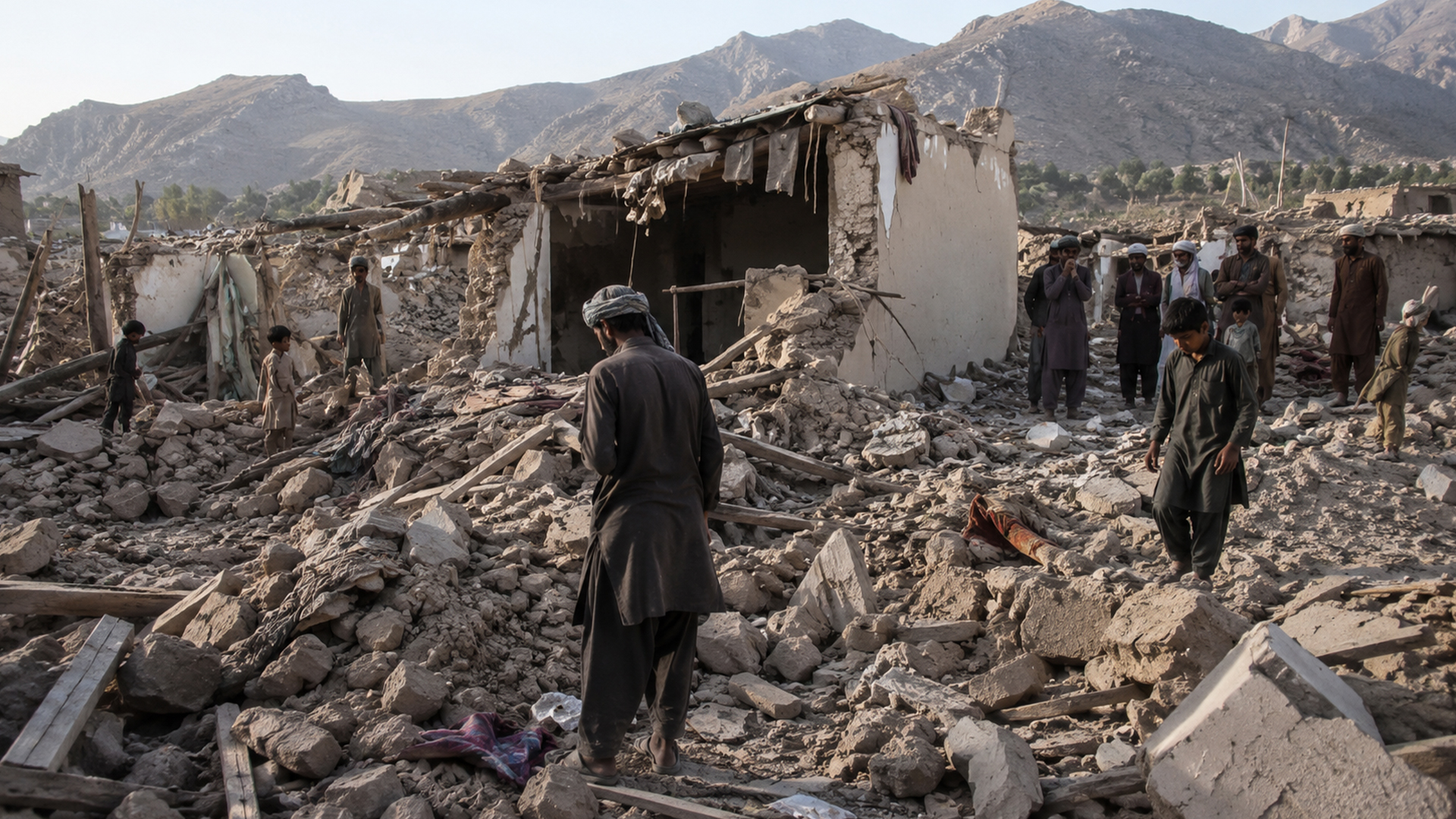
11 children killed in Pakistan airstrikes, claims Taliban
Taliban authorities claimed 11 children were among 13 civilians killed in Pakistani airstrikes in eastern Afghanistan. Several others were injured. Pakistan said it targeted militant hideouts, while Afghanistan condemned the strikes and accused Islamabad of attacking civilian areas.
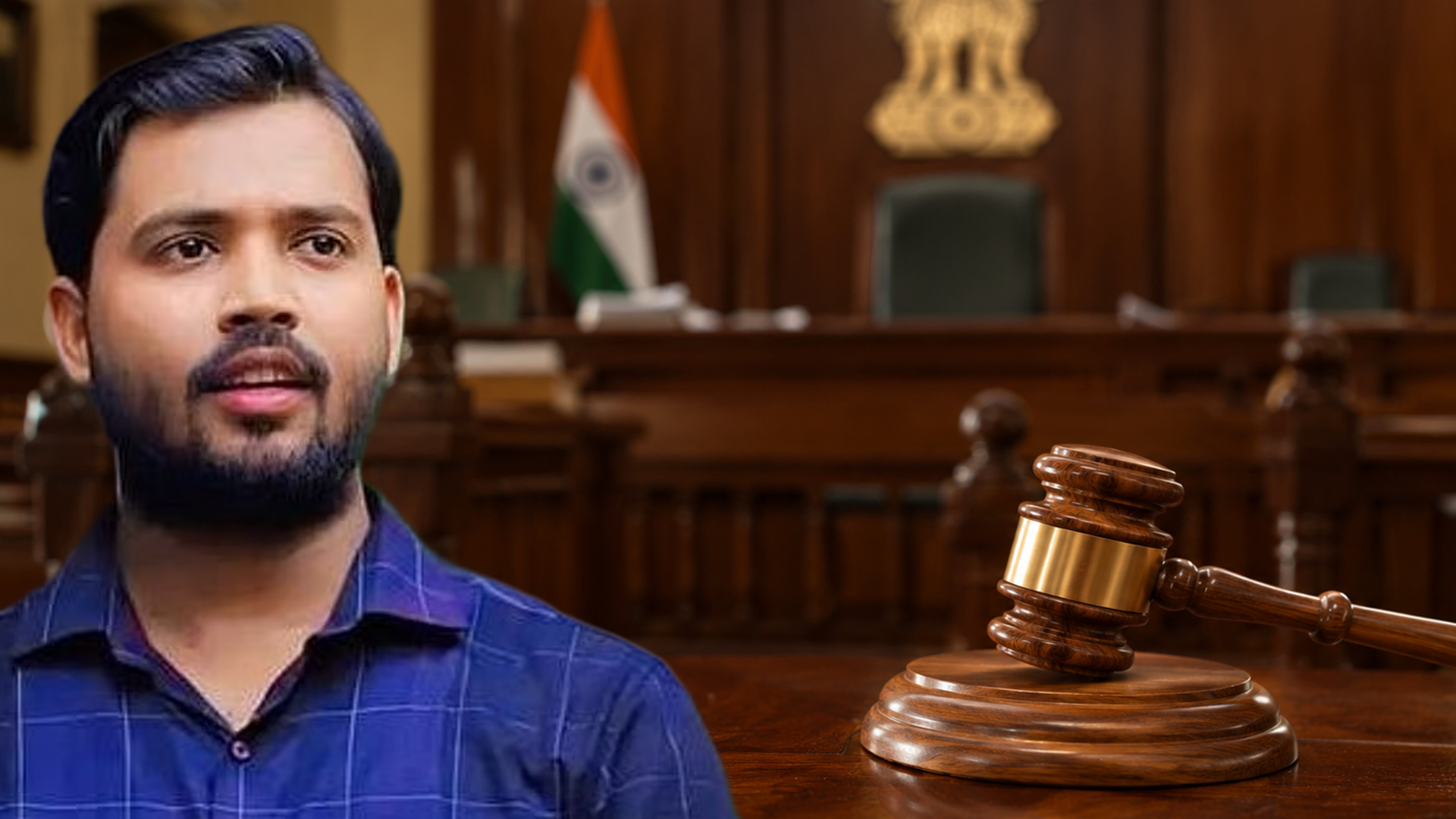
Patna Court grants relief to Khan Sir
A Patna court has granted interim protection from arrest to educator Khan Sir in connection with a coaching centre firing case. The court directed authorities not to take coercive action against him until the next hearing, providing temporary legal relief.
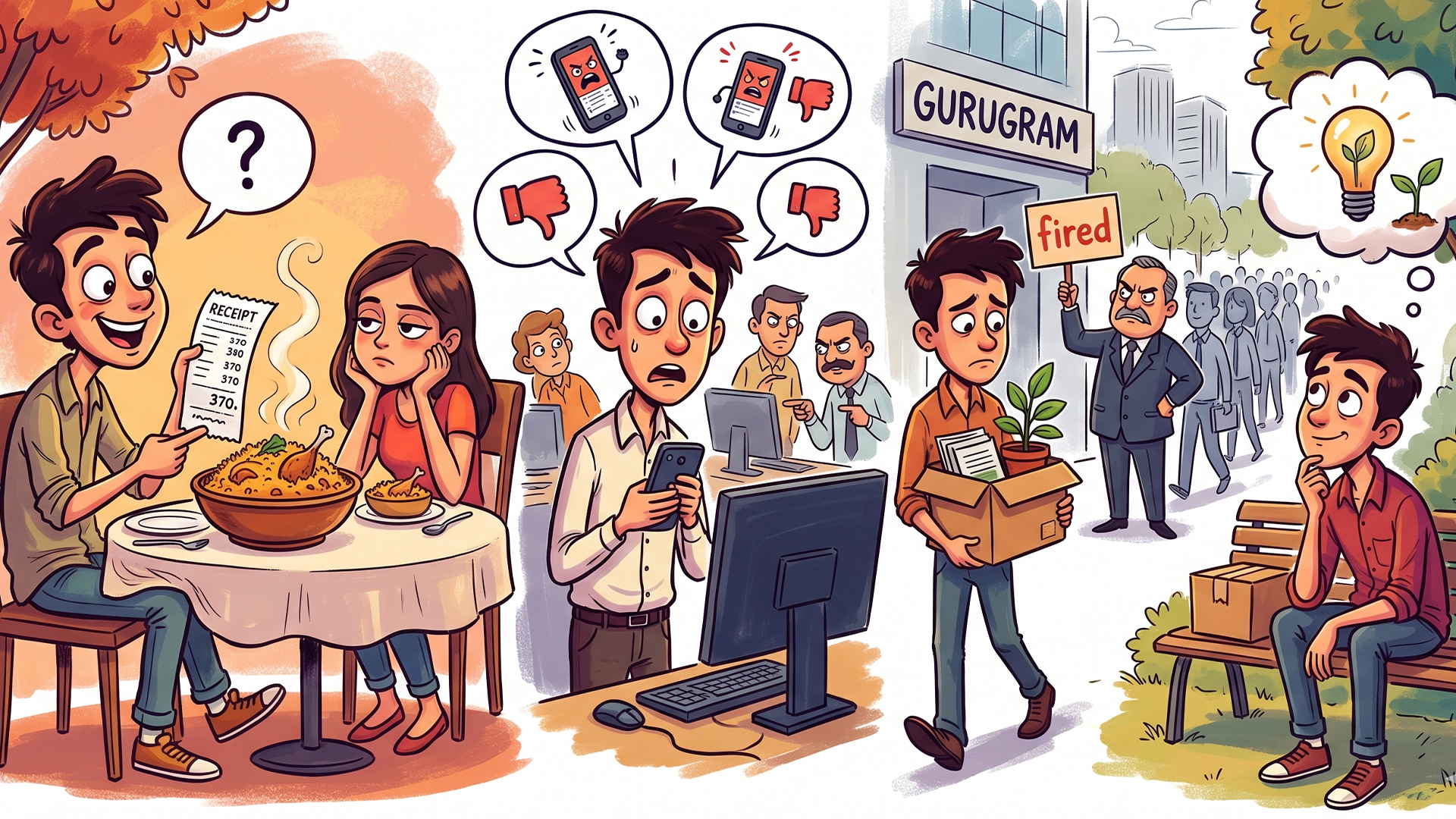
‘₹370 Biryani’ remark costs Gurugram man his job
A 22-year-old Gurugram man who made the viral “₹370 biryani” remark during comedian Pranit More’s show has reportedly lost his job. The incident triggered widespread criticism online, with social media users divided over whether dismissal was justified or an apology should suffice.

Alcohol risks higher than thought
New research has highlighted the growing health risks associated with alcohol consumption, linking it to more than 20 medical conditions and challenging long-held beliefs about the benefits of moderate drinking. According to health experts, alcohol use is associated with an increased risk of several serious diseases, including various types of cancer, liver disease, cardiovascular disorders […]
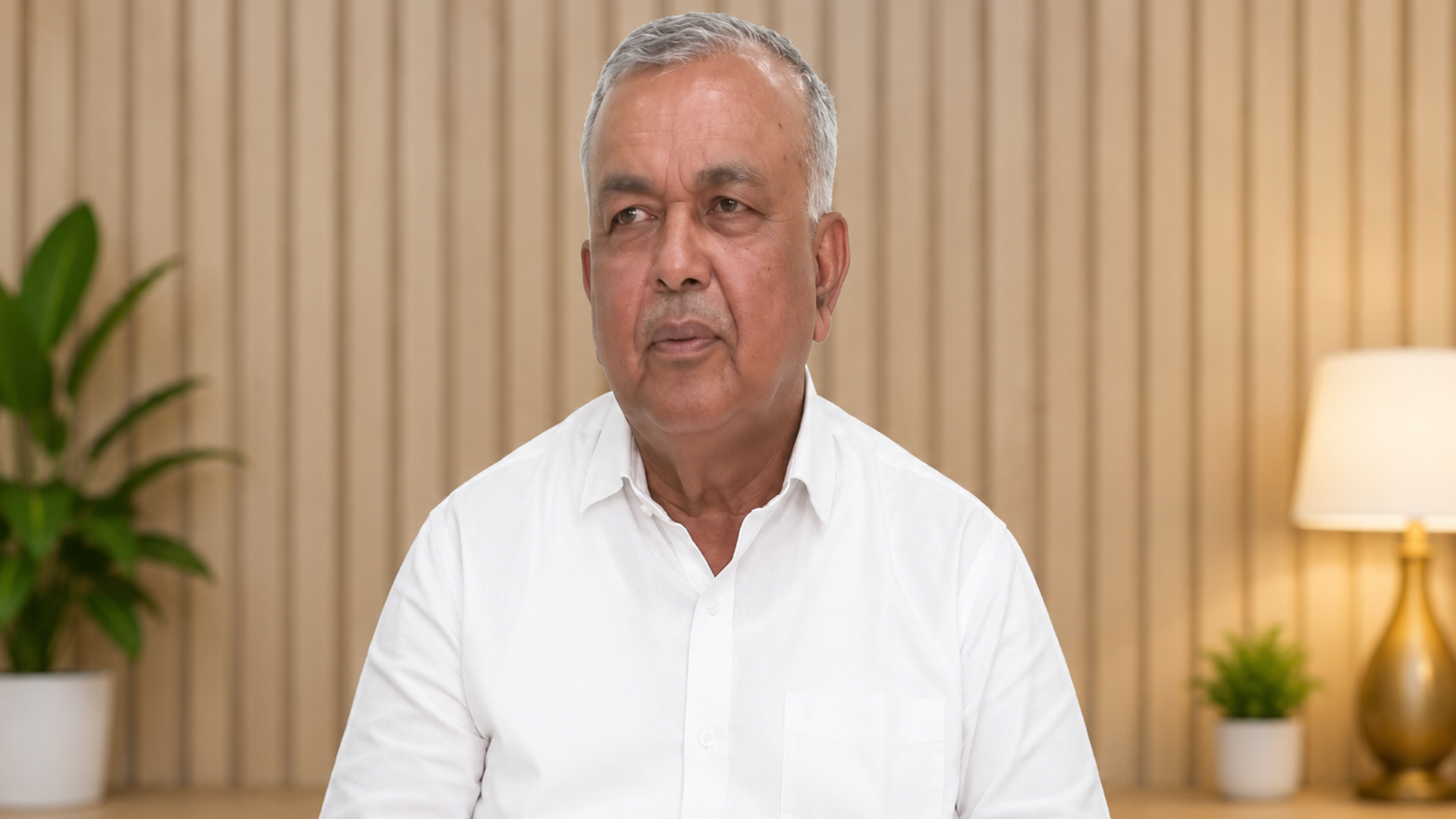
Ramalinga Reddy resigns from Karnataka cabinet
Karnataka minister Ramalinga Reddy resigned from the state cabinet, expressing dissatisfaction with the portfolio assigned to him. The move has triggered political discussions, with Congress leaders likely to hold talks to resolve the issue and prevent further unrest within the party.

Firhad Hakim resigns as Kolkata Mayor
Firhad Hakim resigned as Kolkata Mayor, saying he wanted a dignified exit. The Trinamool Congress said Chief Minister Mamata Banerjee approved his decision. Hakim will continue serving the party and remain active in the West Bengal government.
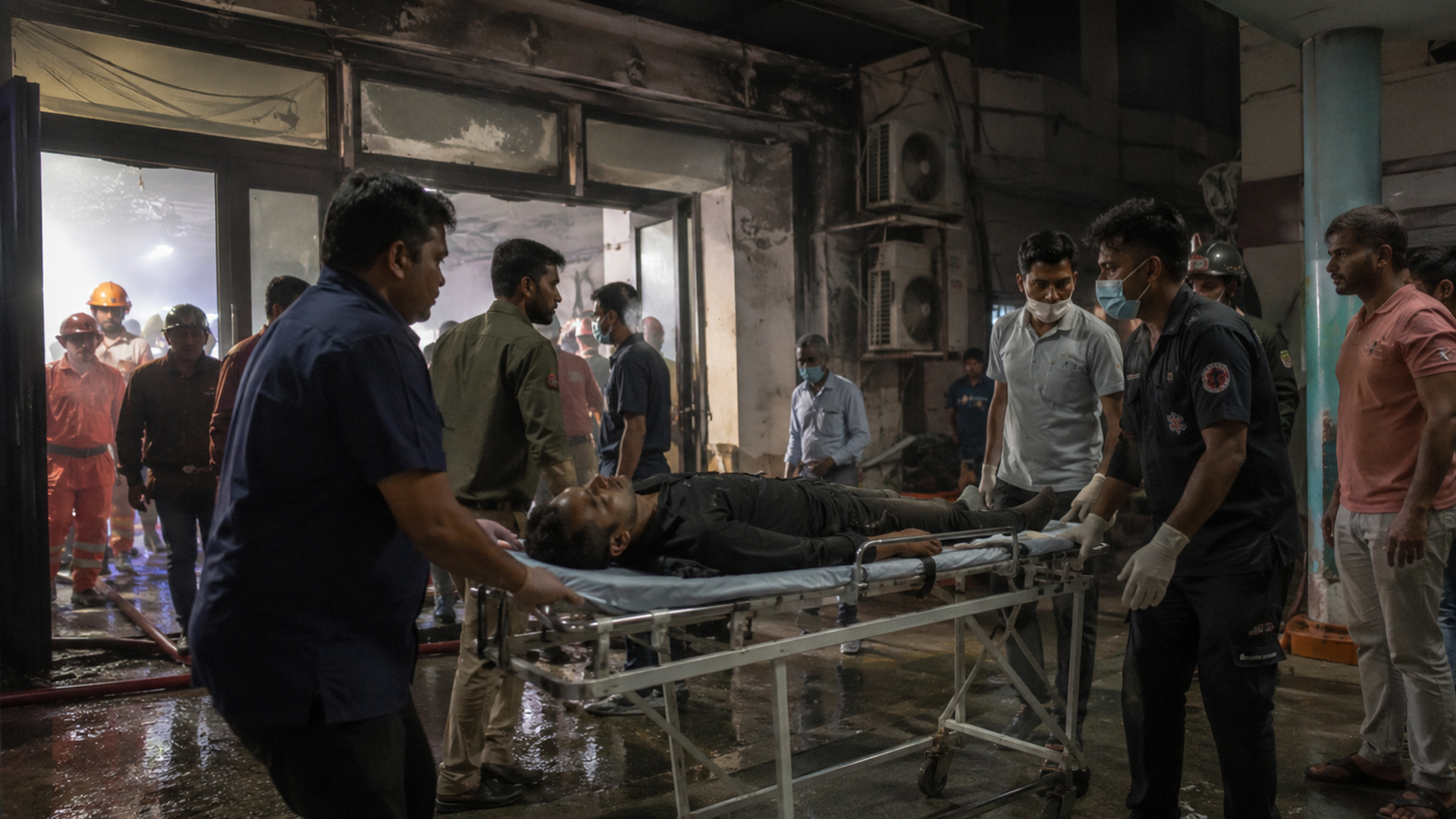
Muzaffarpur hospital fire claims 4 lives
At least four people died and several others were injured after a fire broke out in the ICU of a private hospital in Muzaffarpur, Bihar. Patients were shifted to nearby hospitals. The state government has ordered an inquiry and announced ₹4 lakh compensation for the victims’ families.
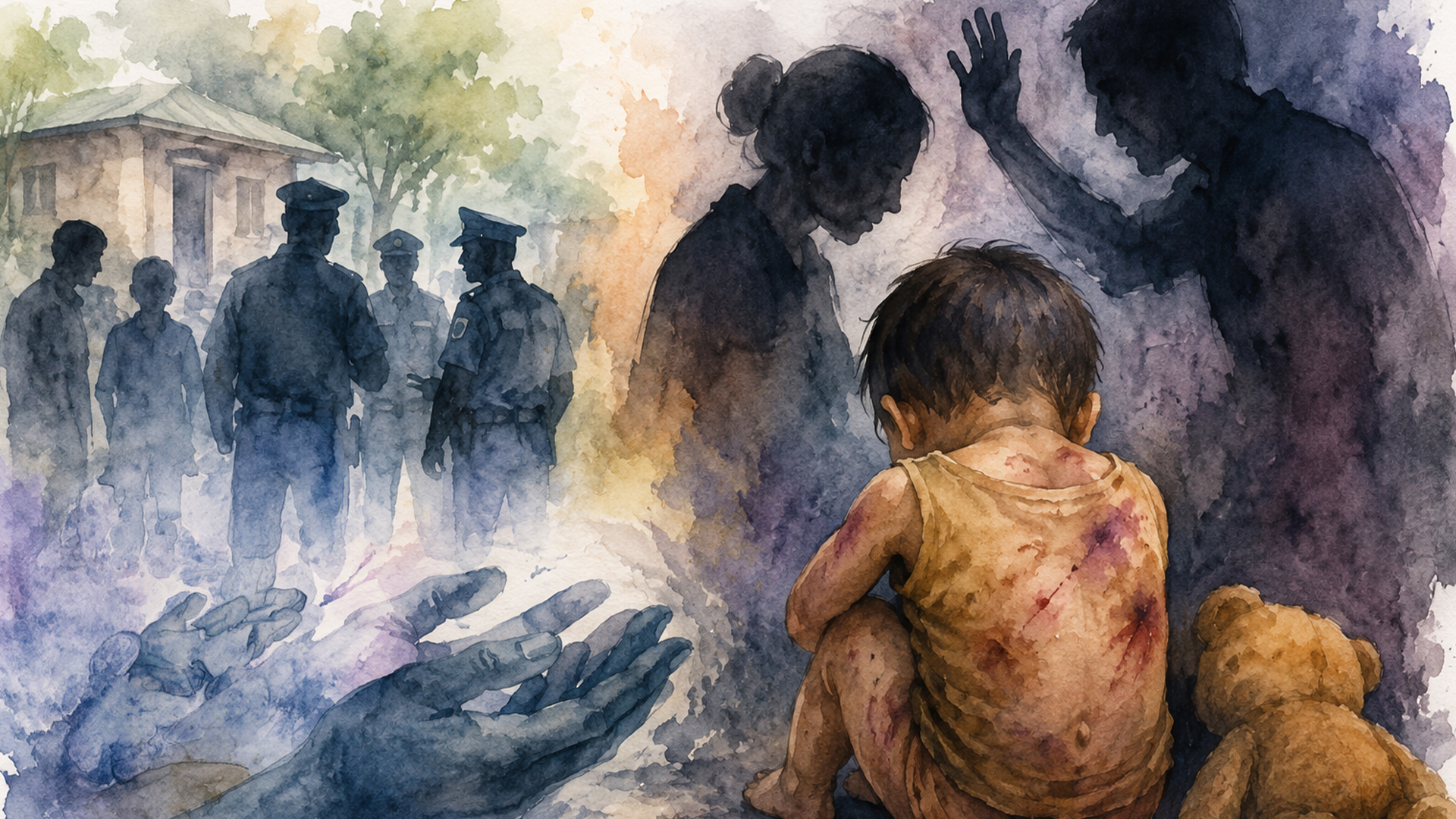
Toddler’s death sparks outrage in Nedumangad, Kerala
A two-year-old girl in Kerala’s Nedumangad allegedly died after prolonged abuse. A postmortem found 51 injuries, including cigarette burn marks. Police arrested her mother, Akhila, and partner Ashkar. The case has sparked outrage and renewed calls for stronger child protection measures.
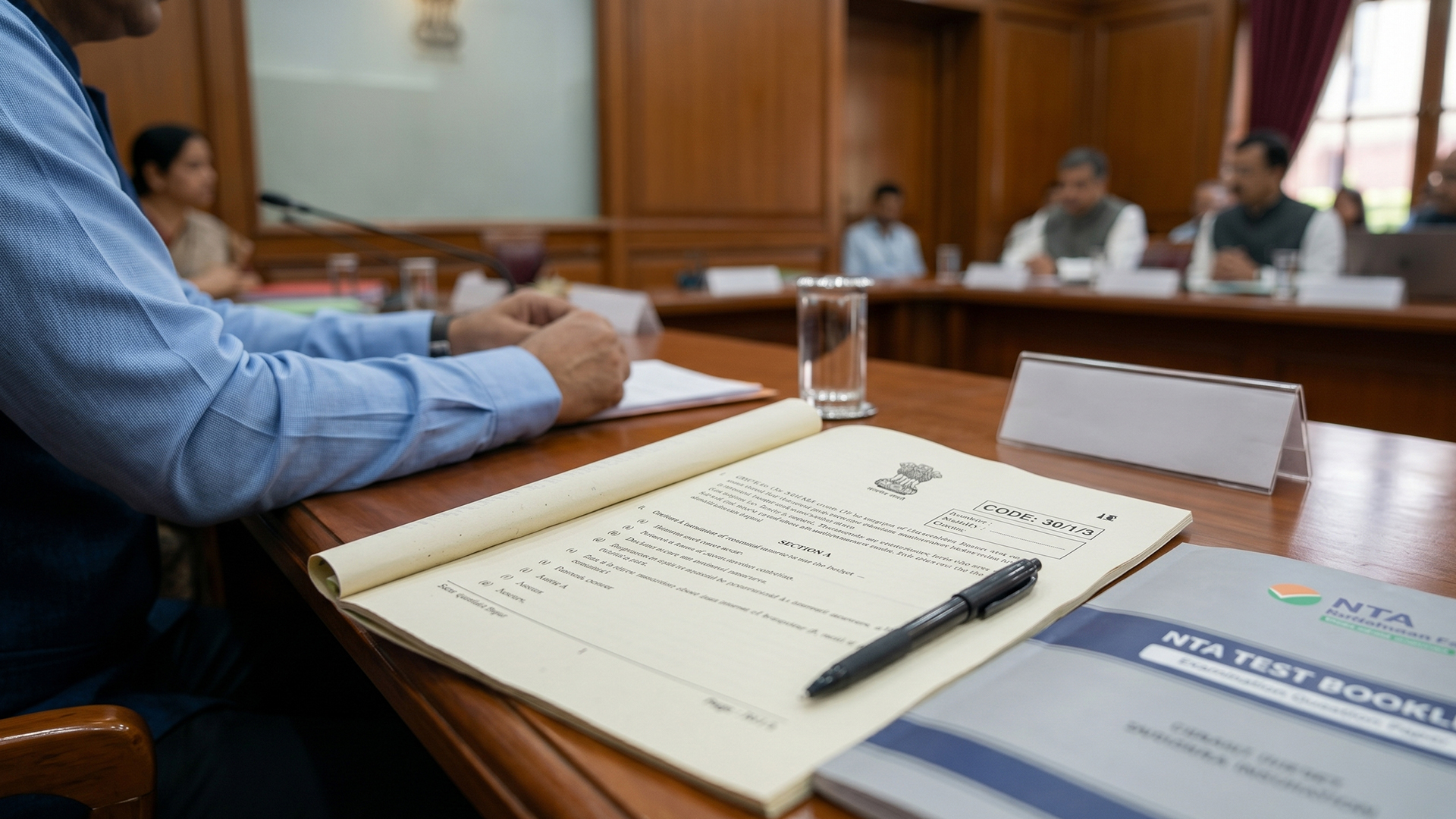
Panel backs on-screen marking for CBSE
A Parliamentary Standing Committee on Education has recommended on-screen marking for CBSE board exams and stronger security measures following the NEET paper leak. The panel also called for reviewing the three-language policy and adopting technology-driven reforms to improve transparency and efficiency.
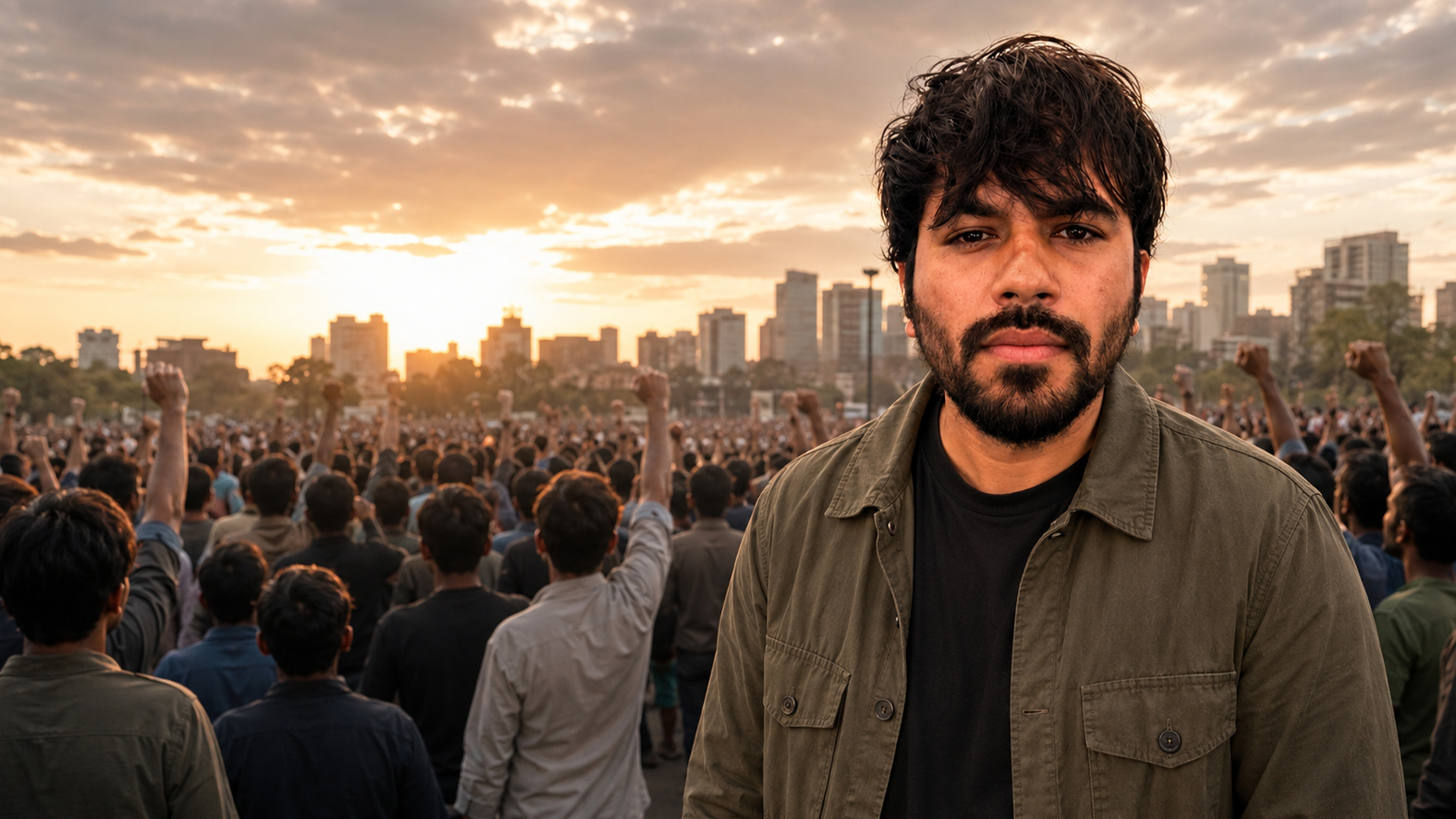
Cockroach Janta Party founder plans Delhi protest
Cockroach Janta Party founder Abhijeet Dipke will return to Delhi to stage a protest at Jantar Mantar. He said the organisation is evolving into a broader citizens’ movement focused on transparency, accountability, public participation, governance reforms and anti-corruption issues.
Kolkata pet influencer dies days after graduation
Sayoni Chakraborty, a 22-year-old pet influencer from Kolkata, was found dead days after her graduation. Reports said she had been struggling with depression and anxiety. Police have launched an investigation, while tributes poured in from followers and friends.
About This Category
The Format Is the Editorial Argument
The name of this publication is The Summary. This section is where that philosophy is most directly expressed. The Summaries are not abbreviated versions of longer articles. They are complete pieces of journalism — reported, edited, and published at a length that respects both the story and the reader's time. The decision to keep them short is not a constraint. It is a position: that most news can be communicated clearly in 150 words, and that padding it to 600 words rarely improves it.
The editorial discipline required to produce a good summary is different from, and in some ways harder than, writing at length. Every sentence has to do real work. Nothing survives that doesn't belong there.
What Ends Up Here
The range is genuinely broad — and deliberately so. On any given day, The Summaries might carry a Karnataka cabinet resignation, a hospital fire in Bihar, a CBSE policy recommendation, a Kerala toddler death that has triggered public outrage, and a Cockroach Janta Party founder's plans to protest at Jantar Mantar. These are not thematically related stories. They are simply the news, treated with consistent brevity.
That breadth is the point. A reader who follows The Summaries doesn't need to choose a category to monitor. National politics, health research, civic tragedies, civil society, lifestyle news — it all comes through this section at a pace that doesn't require hours of reading to stay current.
The Judgment That Goes Into 150 Words
Selection is where the editorial work happens. Not everything becomes a Summary. Stories make it here when the core fact is clear, the significance is demonstrable, and the full picture can be honestly conveyed at short length without stripping context that the reader actually needs. A story like the Muzaffarpur hospital fire — four lives lost, a state inquiry ordered, families to be compensated — can be told completely in under two minutes. Stretching it doesn't add information; it adds length.
Some stories don't work as summaries because the context is too dense to compress responsibly. Those go elsewhere on the site. The Summaries is not a catchall; it's a format with specific requirements, and not every story meets them.
A Different Kind of Archive
Over time, The Summaries has become a reliable daily record of what happened in India and across the world — told concisely, sourced from official announcements and credible reporting, and published without the delay that often accompanies longer-form analysis. Readers who have followed the section consistently say it functions as a news briefing they can consume in a single sitting. That is more or less exactly what it was designed to do.
Frequently Asked Questions
Q1. What is The Summaries format and how is it different from other sections?
The Summaries are short, complete news pieces — typically under 150 words — covering a single event or development clearly and accurately. Unlike the full-length articles in sections like National, Business, or Health, these are written to be read in under a minute. The format is intentional: the goal is to report the news completely, not briefly for brevity's sake.
Q2. Does The Summaries cover all topics or only specific beats?
All topics. A single scroll through The Summaries on any given day might include political news, health research, a civic disaster, an education policy decision, and a human interest story. The connective thread is the format, not the subject. Readers who want to stay across multiple beats without tracking several sections will find everything here.
Q3. Are The Summaries just shortened versions of longer articles on the site?
No. They are standalone pieces written specifically for this format. Occasionally, a major developing story will have both a full article and a Summary — but they are written separately, for different purposes. The Summary version is complete on its own terms, not a teaser or a preview of something longer.
Q4. How does The Summary decide what becomes a Summary versus a full article?
If a story can be told accurately and completely at short length without stripping essential context, it's a candidate for The Summaries. If the background, timeline, or stakeholder complexity genuinely requires more room, it gets a full article. The test is whether the reader comes away informed — not whether the piece meets a word count.
Q5. How often is The Summaries section updated?
Throughout the day as news develops. There is no fixed publishing schedule — stories are published when they are ready. Readers who check in once or twice daily will typically find several new pieces each visit. The pace reflects the news cycle, not a content calendar.
Q6. Is The Summaries a good starting point for readers new to the site?
It is probably the most efficient way to understand the full scope of what The Summary covers. Because the section spans every beat — politics, business, health, lifestyle, science, national, world news — a few minutes in The Summaries gives a reader a clearer picture of the publication's range than browsing any single category section would.