
The Summaries

Indian-origin pilot killed hours after wedding
Dave Fiji, an Indian-origin pilot of Kerala descent and a Delta Air Lines employee, was killed in a helicopter crash in Georgia, US, just hours after his wedding. Authorities are investigating the accident, which also claimed another life.
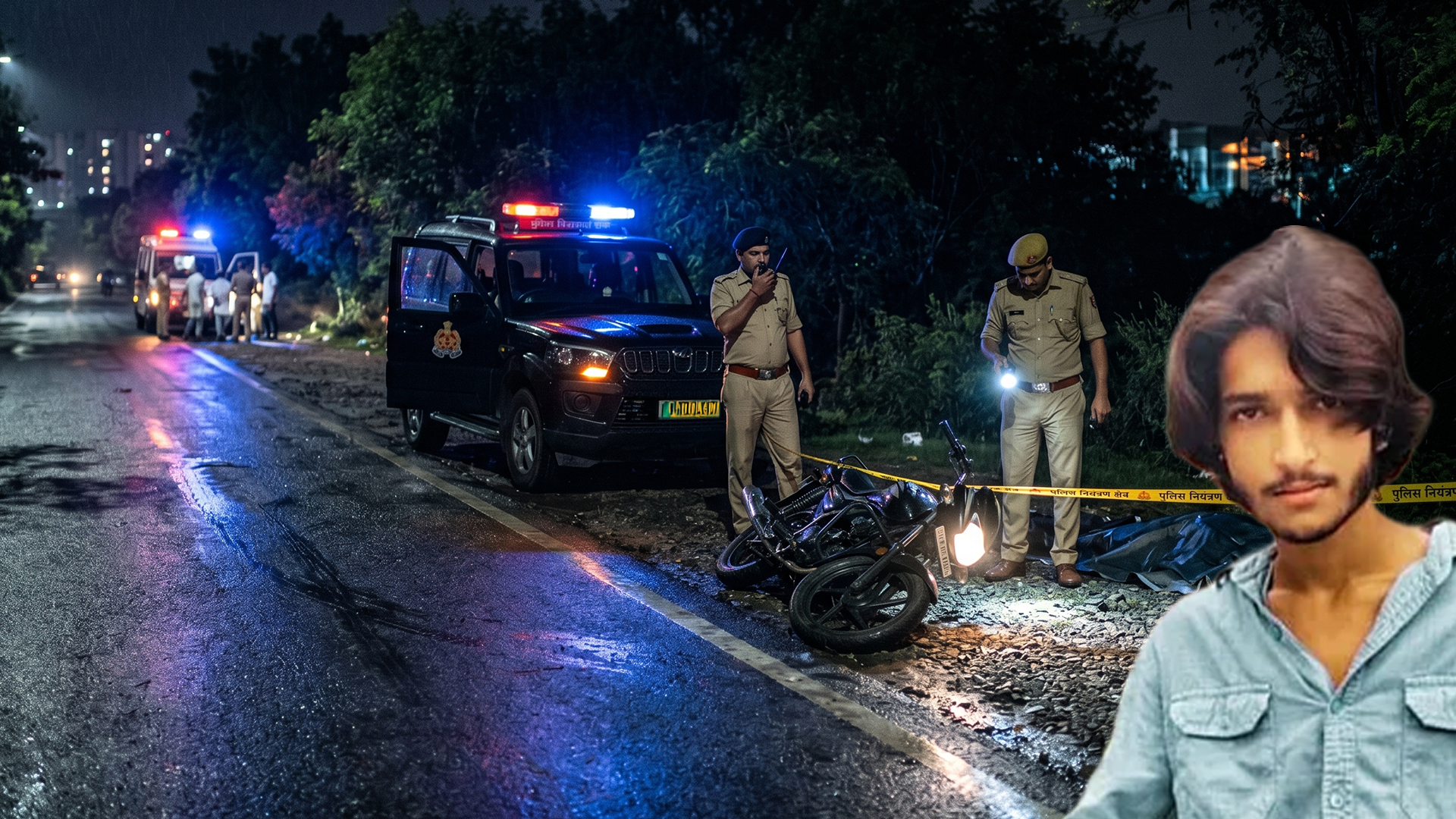
Ghaziabad murder case accused shot dead
The main accused in the murder of a student in Ghaziabad was killed in a police encounter, officials said. Investigators have also alleged that the victim’s father encouraged the fatal attack. The case has sparked widespread attention and remains under investigation.
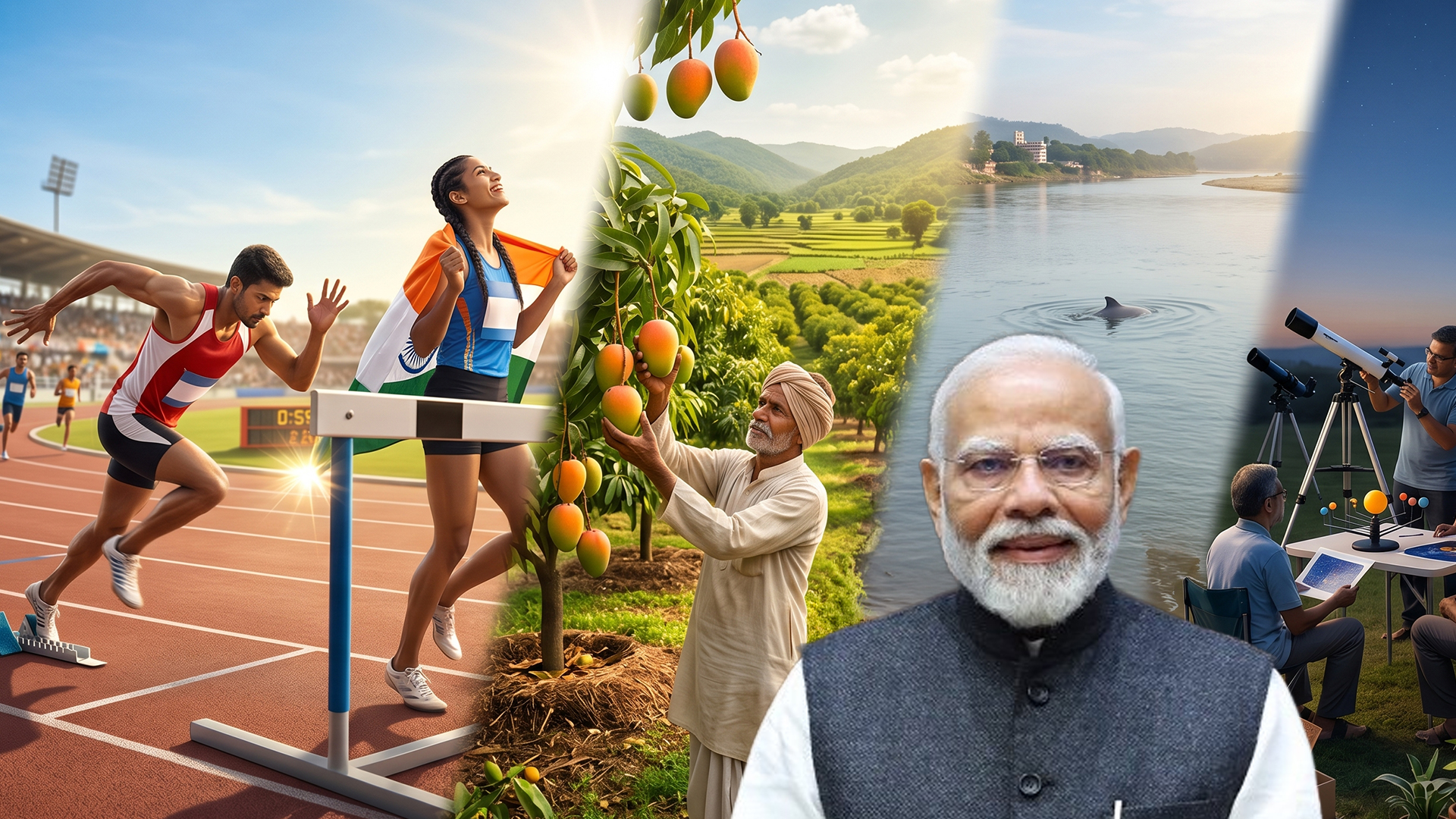
Mann Ki Baat focuses on security, climate and public welfare
In the 134th edition of Mann Ki Baat, Prime Minister Narendra Modi praised the armed forces for Operation Sindoor, highlighted India’s growing self-reliance in defence, and urged citizens to stay alert during heatwaves while promoting environmental conservation and public participation.
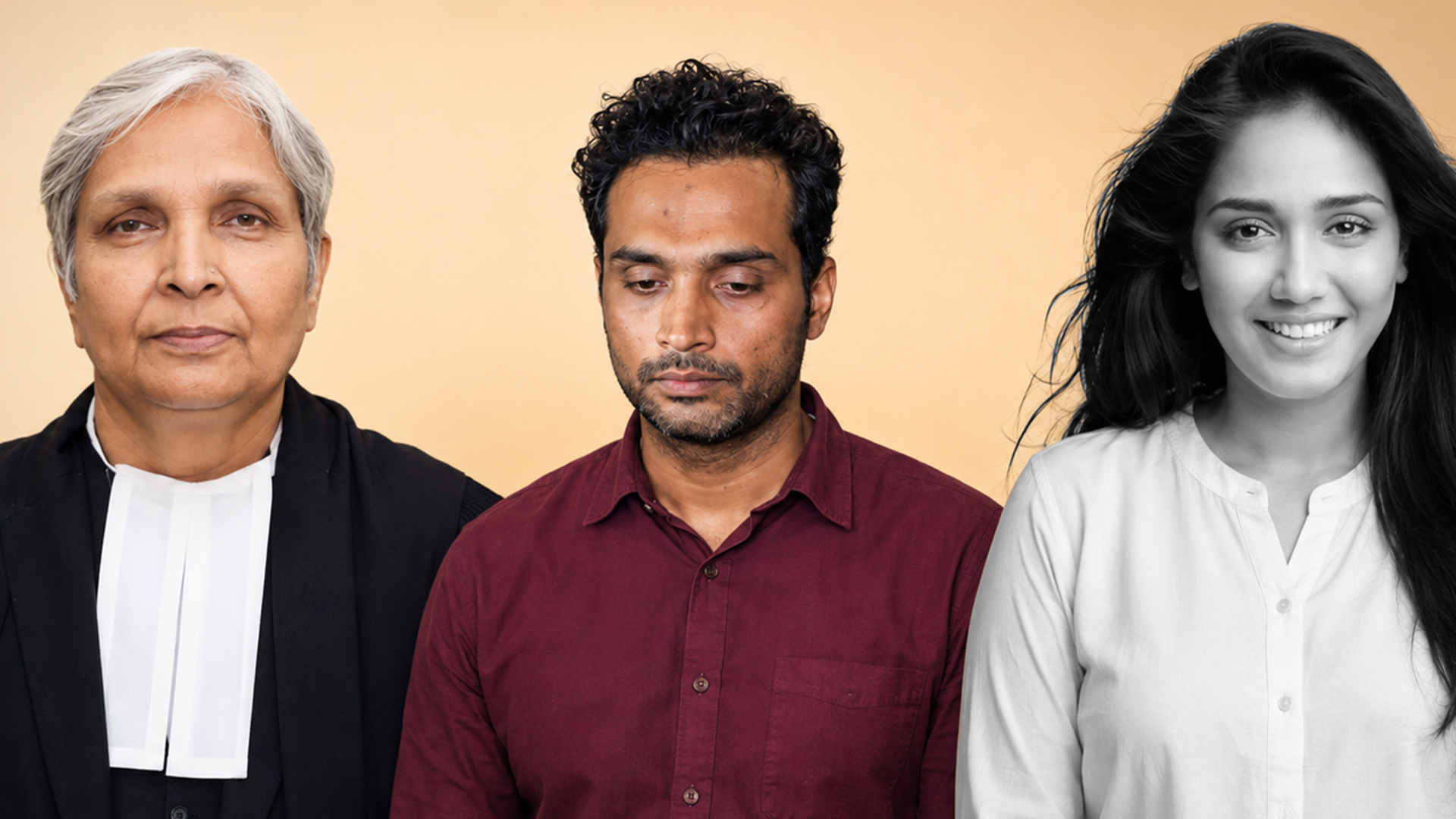
5-day CBI custody for Samarth, Giribala Singh
A Bhopal court has sent Samarth Singh and Giribala Singh to CBI custody for five days in connection with the Twisha Sharma death case. The agency sought custody to continue its investigation into the matter.
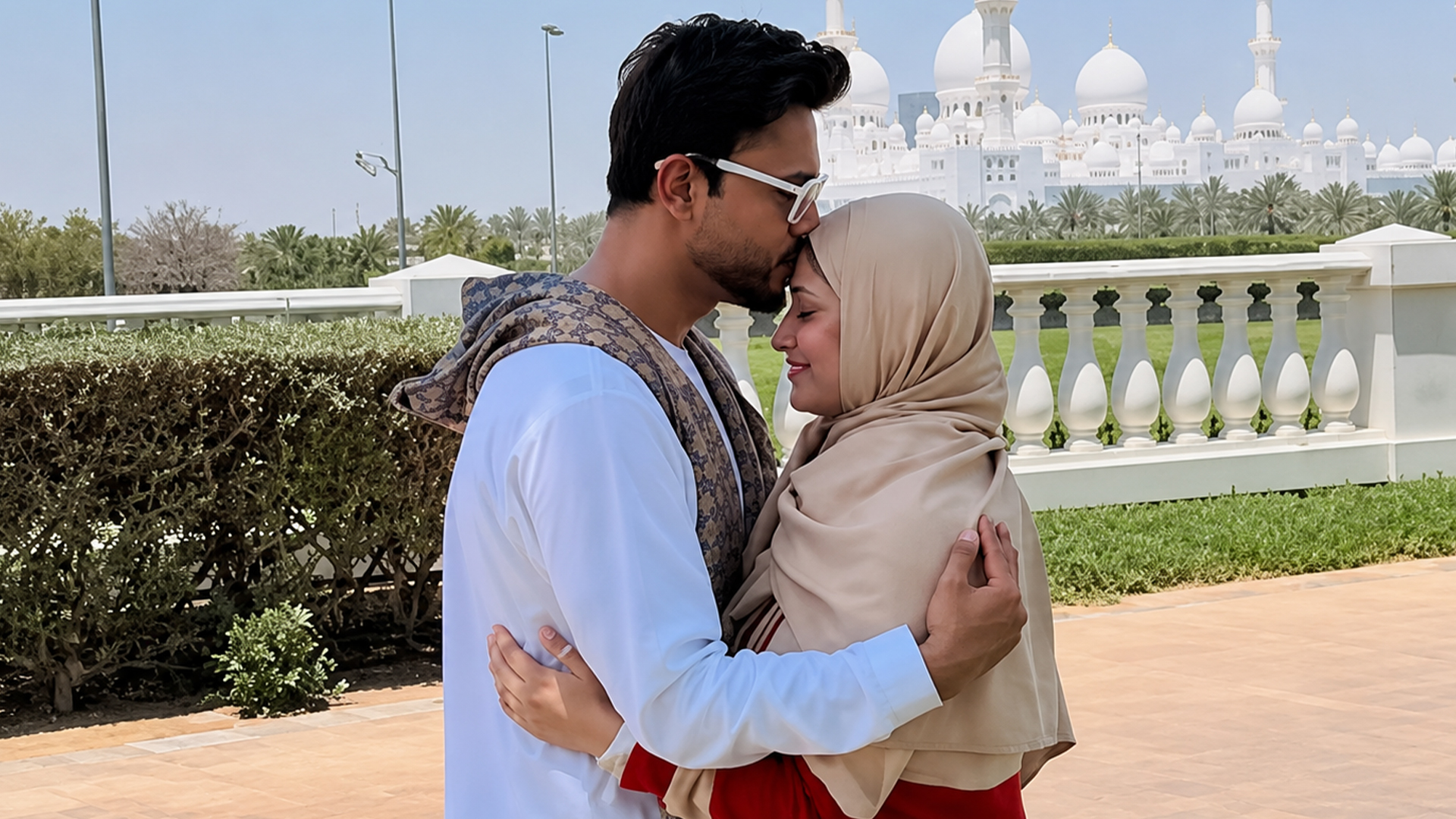
Actor Ankita trolled over Abu Dhabi hijab photos
Actor Ankita Lokhande was trolled online after sharing Abu Dhabi vacation photos wearing a hijab with husband Vicky Jain. Social media users questioned her attire, leading to mixed reactions and debate over the images.

Chef Pankaj Bhadouria diagnosed with breast cancer
Celebrity chef and MasterChef India winner Pankaj Bhadouria said that she has been diagnosed with breast cancer. Sharing the news on social media,she asked fans for prayers and support as she begins treatment and focuses on recovery.

Man from Kerala freed after 20 years in Saudi jail
Abdul Rahim returned home to Kerala after spending 20 years in a Saudi Arabian prison. Rahim had faced a death sentence before his release was secured through a massive blood money campaign supported by people from Kerala and abroad.

Gujarat student killed in Canada
Vidhi Kalpeshbhai Meghani, a 22-year-old student from Gujarat, was stabbed to death in Canada’s Niagara Region. The incident occurred near her residence. Canadian police have launched an investigation, while Indian authorities are coordinating with officials there regarding the case.

Viral ‘Donald Trump’ buffalo saved in Bangladesh
A buffalo nicknamed “Donald Trump” was spared from Eid sacrifice in Bangladesh after viral social media attention. Authorities later shifted the animal to a zoo, while online users jokingly wondered whether the White House had stepped in to save it.
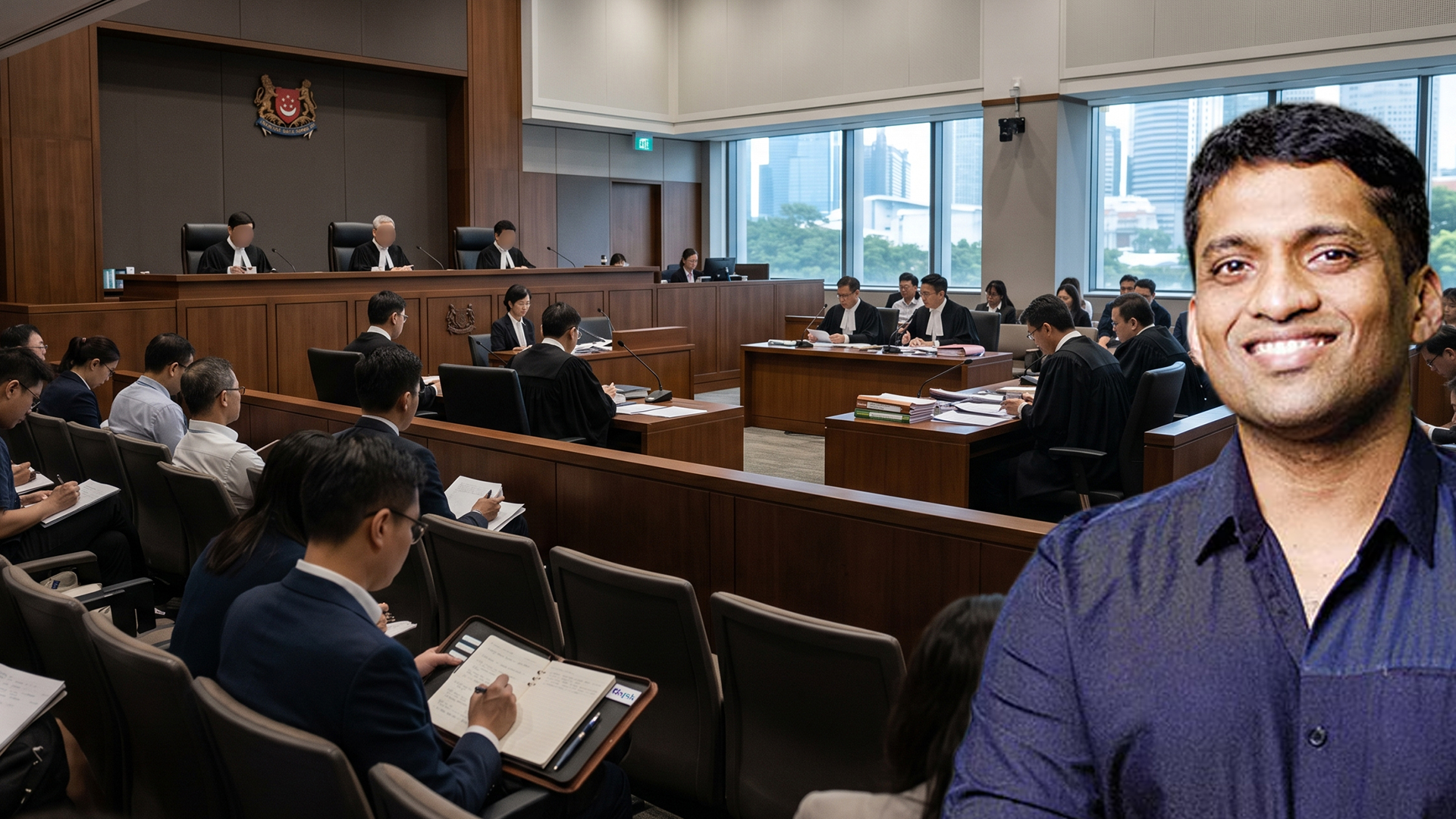
BYJU’S founder sentenced in Singapore contempt case
Byju Raveendran has been sentenced to six months in jail by a Singapore court in a contempt case linked to ongoing legal disputes. Despite the ruling, the BYJU’S founder said settlement discussions are progressing and could help resolve the matter soon.
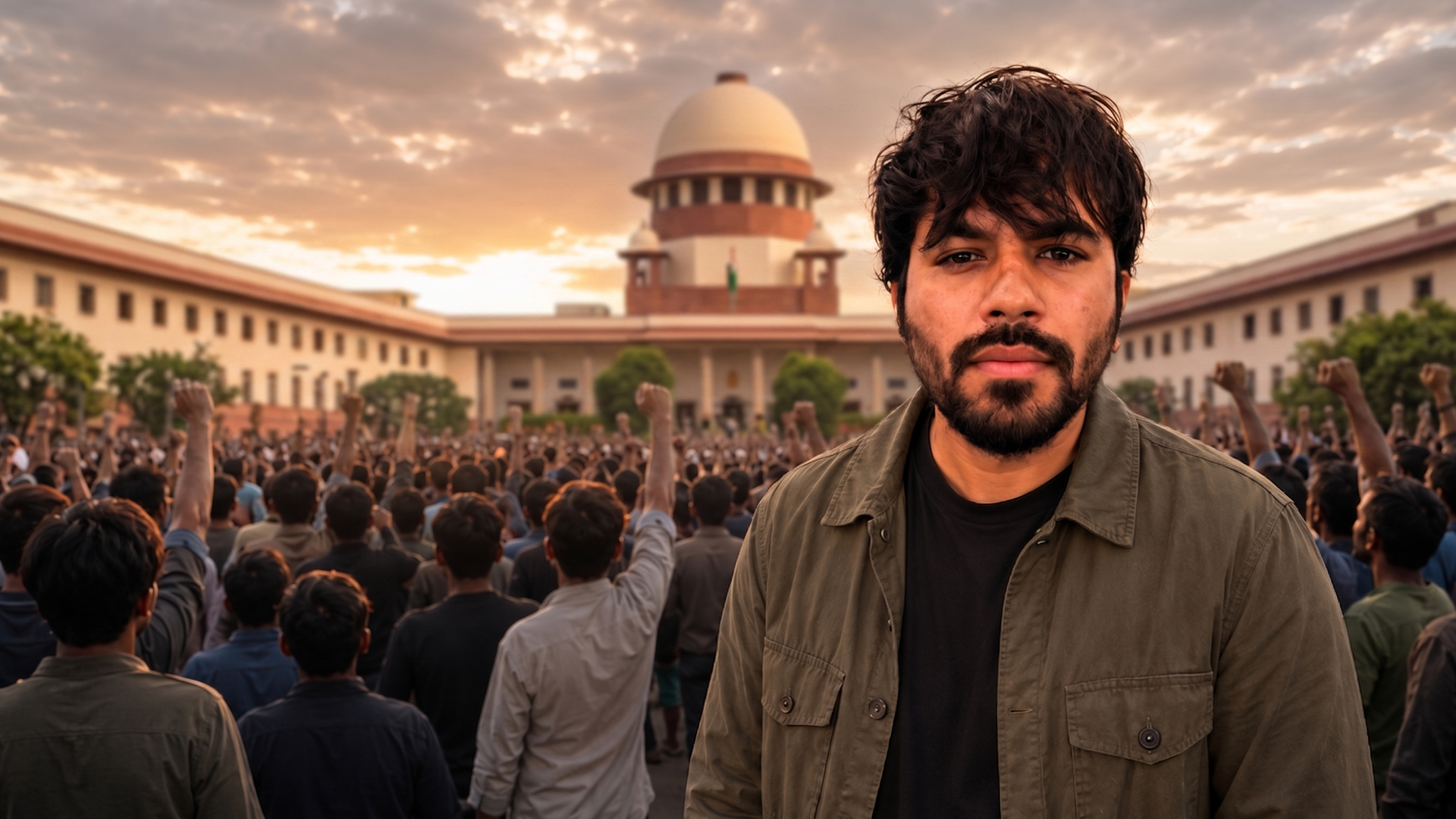
Plea seeks inquiry into ‘Cockroach Janta Party’
A petition filed in the Supreme Court has sought an investigation into activities linked to the “Cockroach Janta Party,” raising allegations involving fake law degrees and misleading online campaigns. The plea requests a detailed probe into the matter and associated individuals.
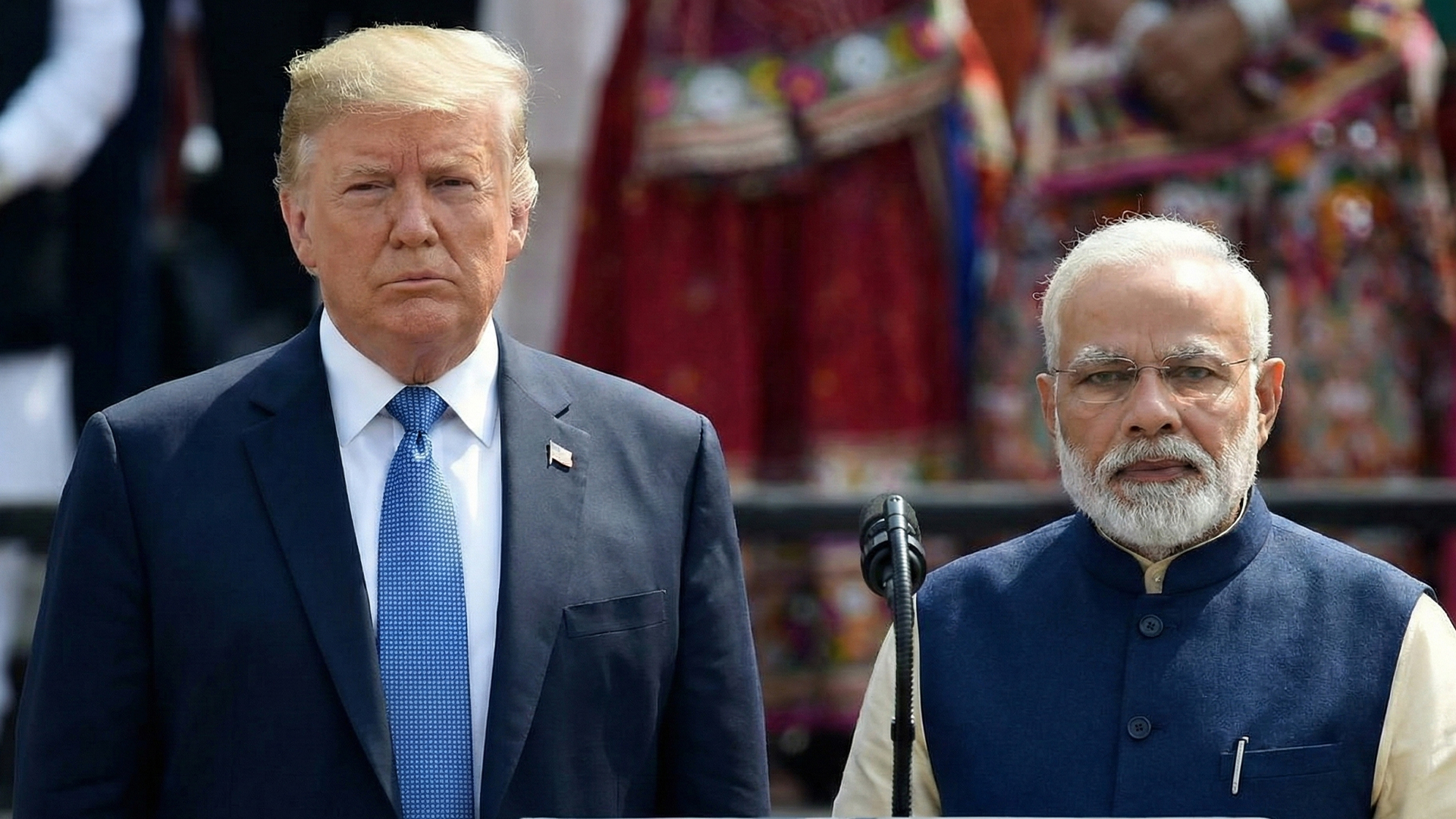
Trump praises India in US Embassy event
At a US Embassy Independence Day event in Delhi, US President Donald Trump joined via phone and praised India and Prime Minister Narendra Modi, saying he loves India and Modi, while highlighting strong bilateral relations and diplomatic cooperation.
About This Category
The Format Is the Editorial Argument
The name of this publication is The Summary. This section is where that philosophy is most directly expressed. The Summaries are not abbreviated versions of longer articles. They are complete pieces of journalism — reported, edited, and published at a length that respects both the story and the reader's time. The decision to keep them short is not a constraint. It is a position: that most news can be communicated clearly in 150 words, and that padding it to 600 words rarely improves it.
The editorial discipline required to produce a good summary is different from, and in some ways harder than, writing at length. Every sentence has to do real work. Nothing survives that doesn't belong there.
What Ends Up Here
The range is genuinely broad — and deliberately so. On any given day, The Summaries might carry a Karnataka cabinet resignation, a hospital fire in Bihar, a CBSE policy recommendation, a Kerala toddler death that has triggered public outrage, and a Cockroach Janta Party founder's plans to protest at Jantar Mantar. These are not thematically related stories. They are simply the news, treated with consistent brevity.
That breadth is the point. A reader who follows The Summaries doesn't need to choose a category to monitor. National politics, health research, civic tragedies, civil society, lifestyle news — it all comes through this section at a pace that doesn't require hours of reading to stay current.
The Judgment That Goes Into 150 Words
Selection is where the editorial work happens. Not everything becomes a Summary. Stories make it here when the core fact is clear, the significance is demonstrable, and the full picture can be honestly conveyed at short length without stripping context that the reader actually needs. A story like the Muzaffarpur hospital fire — four lives lost, a state inquiry ordered, families to be compensated — can be told completely in under two minutes. Stretching it doesn't add information; it adds length.
Some stories don't work as summaries because the context is too dense to compress responsibly. Those go elsewhere on the site. The Summaries is not a catchall; it's a format with specific requirements, and not every story meets them.
A Different Kind of Archive
Over time, The Summaries has become a reliable daily record of what happened in India and across the world — told concisely, sourced from official announcements and credible reporting, and published without the delay that often accompanies longer-form analysis. Readers who have followed the section consistently say it functions as a news briefing they can consume in a single sitting. That is more or less exactly what it was designed to do.
Frequently Asked Questions
Q1. What is The Summaries format and how is it different from other sections?
The Summaries are short, complete news pieces — typically under 150 words — covering a single event or development clearly and accurately. Unlike the full-length articles in sections like National, Business, or Health, these are written to be read in under a minute. The format is intentional: the goal is to report the news completely, not briefly for brevity's sake.
Q2. Does The Summaries cover all topics or only specific beats?
All topics. A single scroll through The Summaries on any given day might include political news, health research, a civic disaster, an education policy decision, and a human interest story. The connective thread is the format, not the subject. Readers who want to stay across multiple beats without tracking several sections will find everything here.
Q3. Are The Summaries just shortened versions of longer articles on the site?
No. They are standalone pieces written specifically for this format. Occasionally, a major developing story will have both a full article and a Summary — but they are written separately, for different purposes. The Summary version is complete on its own terms, not a teaser or a preview of something longer.
Q4. How does The Summary decide what becomes a Summary versus a full article?
If a story can be told accurately and completely at short length without stripping essential context, it's a candidate for The Summaries. If the background, timeline, or stakeholder complexity genuinely requires more room, it gets a full article. The test is whether the reader comes away informed — not whether the piece meets a word count.
Q5. How often is The Summaries section updated?
Throughout the day as news develops. There is no fixed publishing schedule — stories are published when they are ready. Readers who check in once or twice daily will typically find several new pieces each visit. The pace reflects the news cycle, not a content calendar.
Q6. Is The Summaries a good starting point for readers new to the site?
It is probably the most efficient way to understand the full scope of what The Summary covers. Because the section spans every beat — politics, business, health, lifestyle, science, national, world news — a few minutes in The Summaries gives a reader a clearer picture of the publication's range than browsing any single category section would.